
This second edition from 2025 provides an update to the landmark report from 2019, based on a new survey of 1192 individuals working in the sector, and 233 companies and organizations. The headline finding was that despite widespread efforts, the share of women in renewable energy has not grown over the past six years: it … Continue reading “Renewable energy: A gender perspective (Second edition)”
This briefing to the United Nations Commission on the Status of Women shows that climate finance flows remain largely exclusionary to women and girls. One of the reasons is that most climate finance is provided as loans, which are less accessible to women. It recommends different ways in which financing institutions can guarantee greater access … Continue reading “Gender-responsive climate finance: The key to just climate action and tackling inequalities”
The average lifespan of a building is 50 years, so the design of buildings that are constructed now will have an effect on energy consumption in our cities until well into the 2070s. This article presents the most effective options for cities to set mandatory minimum energy performance standards for buildings, to prevent locking in … Continue reading “How to set energy efficiency requirements for new buildings”
This is an article by a company that offers solutions to offset the emissions generated by online shopping. It provides a quick and basic guide for companies on how to start generating and selling carbon credits.
This article announces the approval in March 2025 by the Integrity Council for the Voluntary Carbon Market (ICVCM) of a new cookstove methodology by Verra, which administers the Verified Carbon Standard. This sets a new benchmark for high-quality, trusted carbon credits for clean cooking. The article also provides data on the development of the clean … Continue reading “Verra’s Cookstove Credits Get ICVCM Green Light – Boosting Carbon Market Trust”
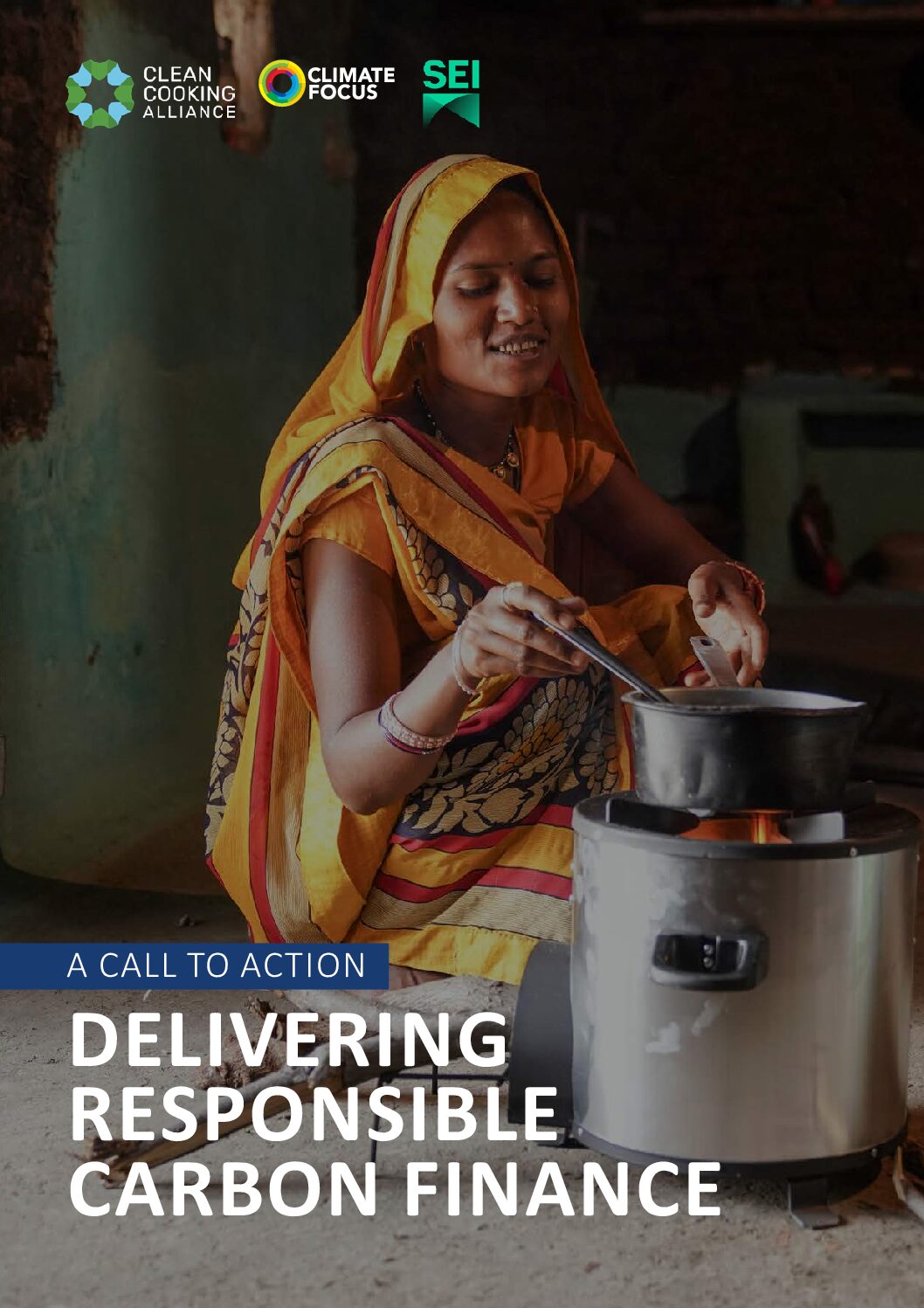
This report presents the CCA’s Principles for Responsible Carbon Finance in Clean Cooking: Integrity, Transparency, Fairness and Sustainability, and connects each with key actions to be taken by market actors.
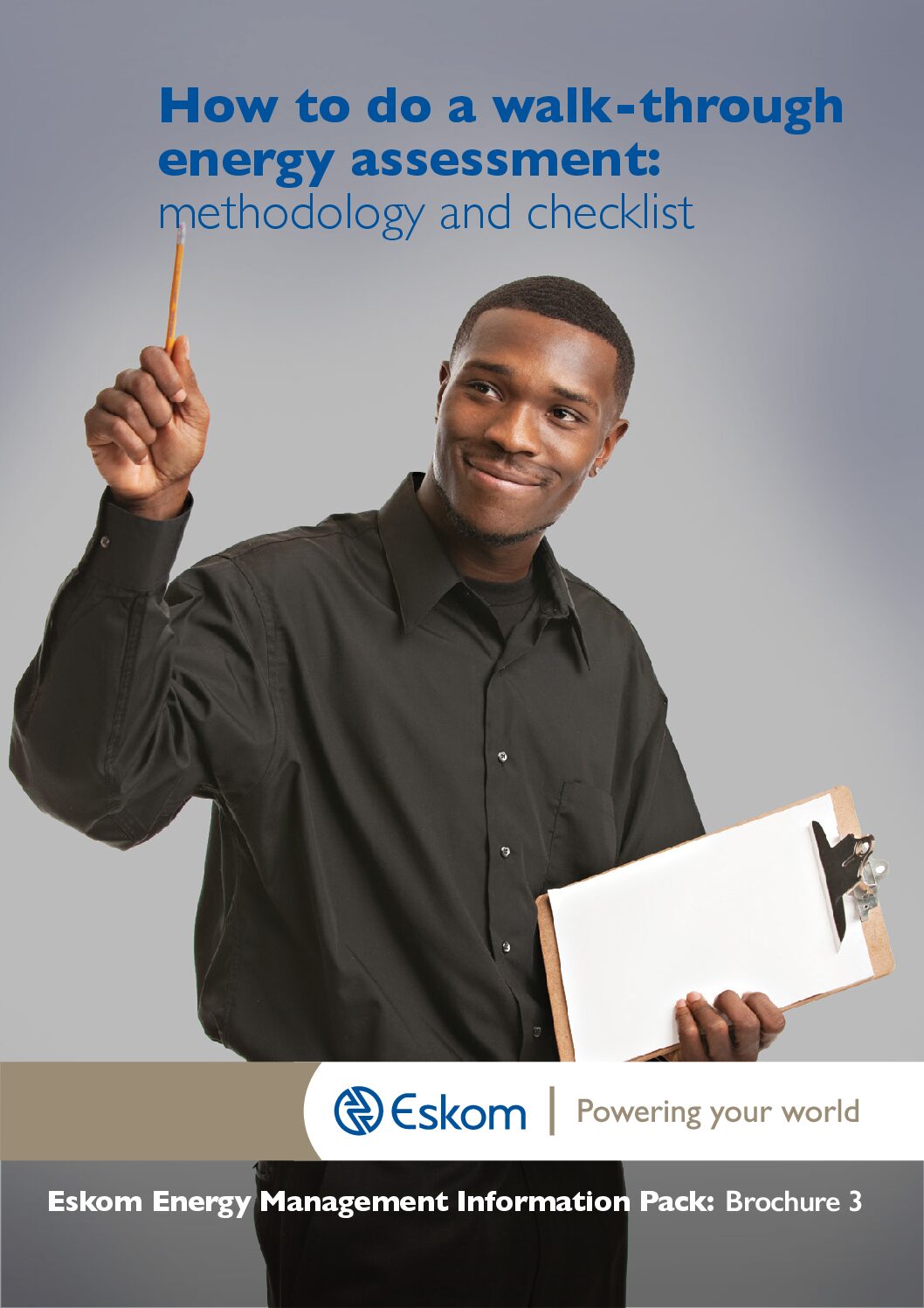
This brochure provides step-by-step instructions for walk-through energy audits, focusing on heating, lighting, and bills and meter readings in offices and factories or warehouses.
This report by the Global Energy Transitions Commission presents a complete picture of global building sector emissions and describes pathways to decarbonisation for both existing buildings and new construction.
This webpage provides an introduction to smart grids, an overview of recent progress and recommendations for governments and utilities.