

This report presents the Latinamerican Gender and Mobility Observatory and shares good practices in gender mainstreaming in transport from different Latin-American countries, including Bolivia and Guatemala.
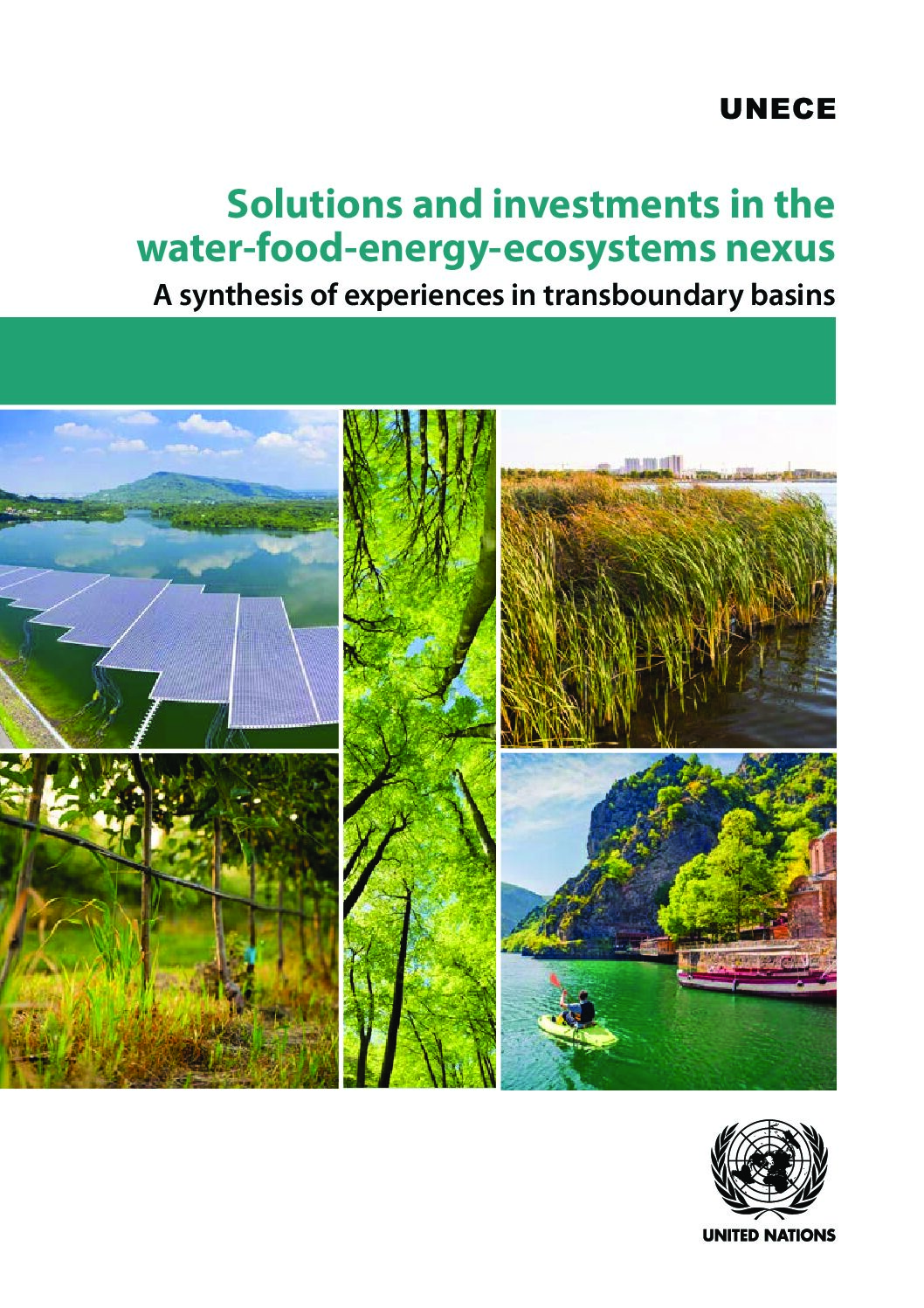
This report analyses linkages in the water-energy-food-ecosystem nexus – essentially resource management trade-offs and synergies — in transboundary river basin settings. It draws on 36 nexus case studies from transboundary river basins in Europe, Asia, Africa and the Americas, providing lessons for transboundary management and cooperation.
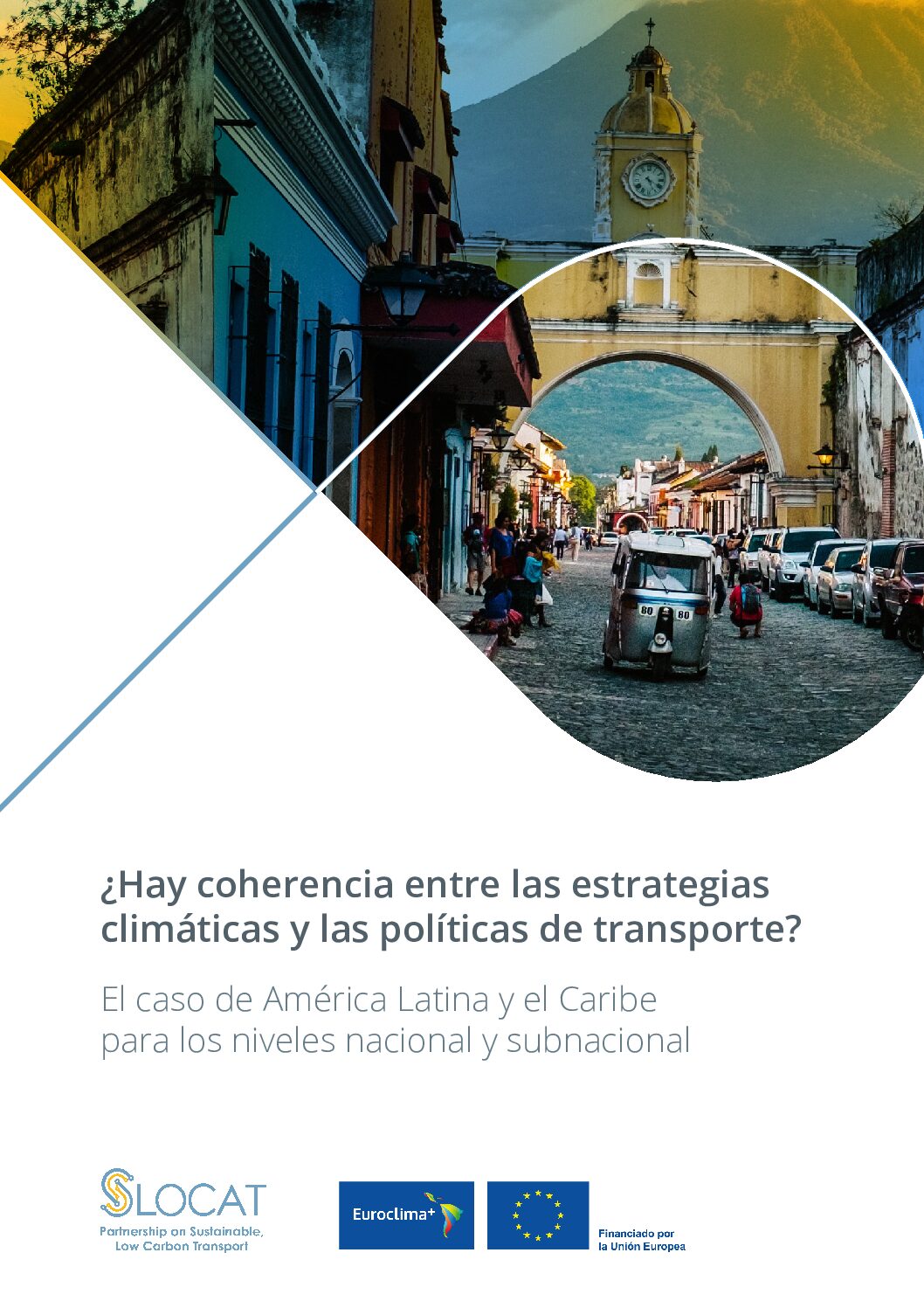
This report analyses the alignment between climate commitments made by countries in LAC and implementation through transport planning instruments at the national and subnational levels.
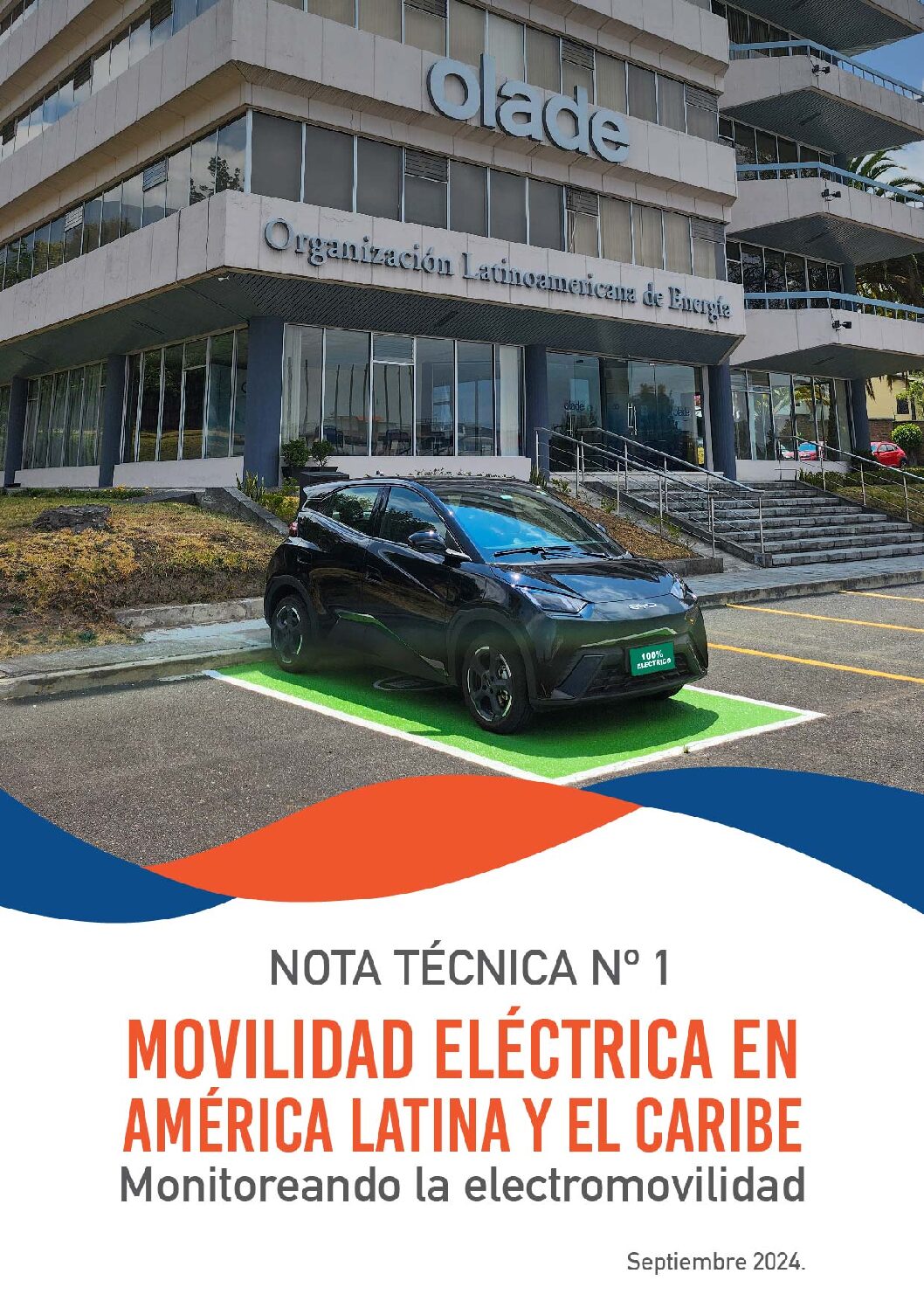
This memo provides an overview of the current state of e-mobility in Latin America and the Caribbean.
This report investigates efforts to enhance investment in energy efficienct appliances in Zambia, and provides recommendations to enhance the effectiveness of these efforts
Climate mitigation finance strategy to promote higher-efficiency distribution transformers in Zambia
This report investigates efforts to enhance investment in efficient distribution transformers in Zambia, and provides recommendations to enhance the effectiveness of these efforts
This report seeks to map international climate finance flows towards decentralised renewable energy projects in Central America, with a case study on Guatemala.
This report discusses potential social and environmental risks associated with the roll-out of the GETFiT renewable energy investment programme in Zambia, as well as mitigation measures.
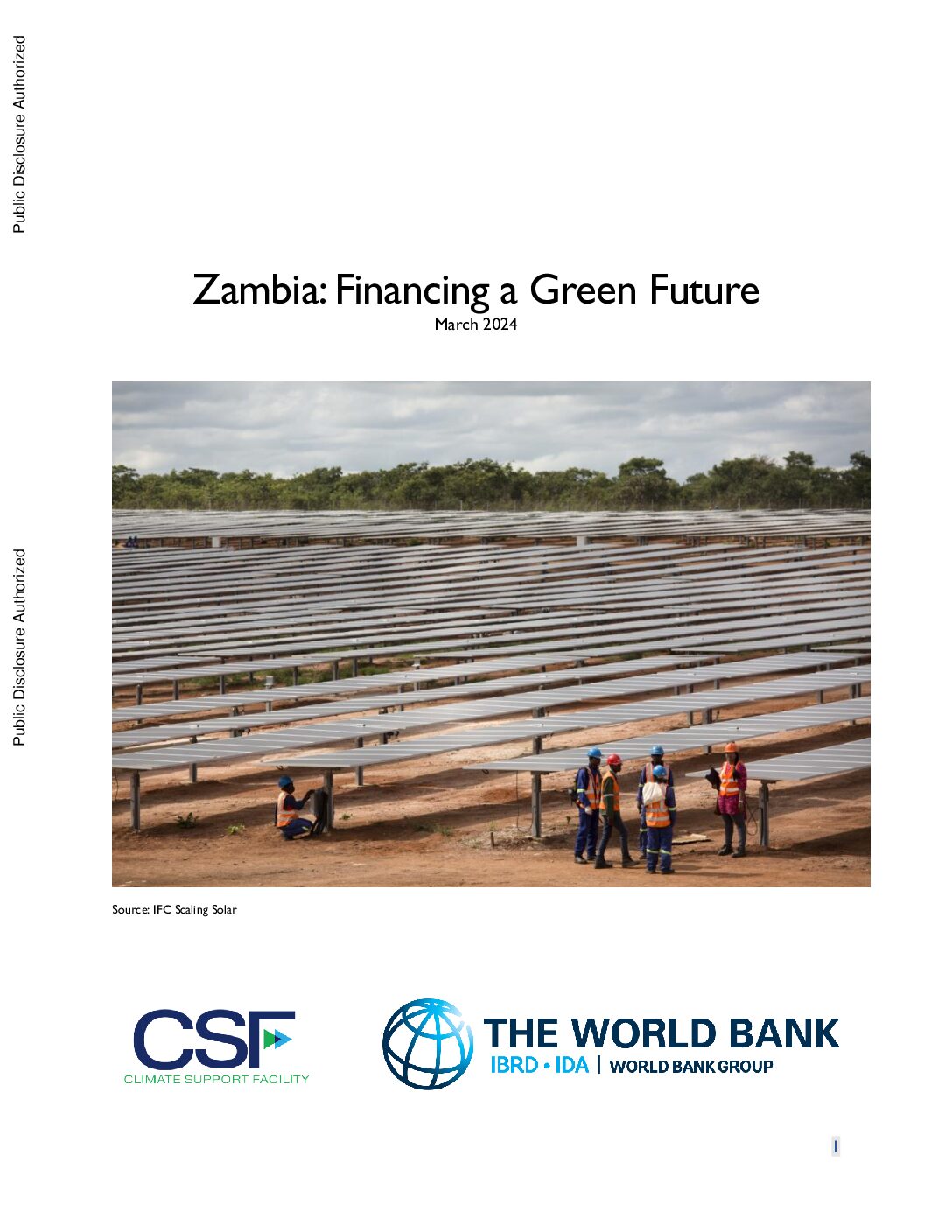
This note aims to provide a high-level analysis of the preconditions for stimulating green investments with a focus on financial sector supervisory framework needed to address climate risks (physical and transition), current landscape of green finance in Zambia, and the demand-side opportunities for green investments in key sectors.
This report examines the trends of renewable energy investment and finance in Sub-Saharan Africa (Chapter 2), driven by regional and national plans, targets and strategies for the sector (Chapter 3), and the policy environment for renewables in the region (Chapter 4).