
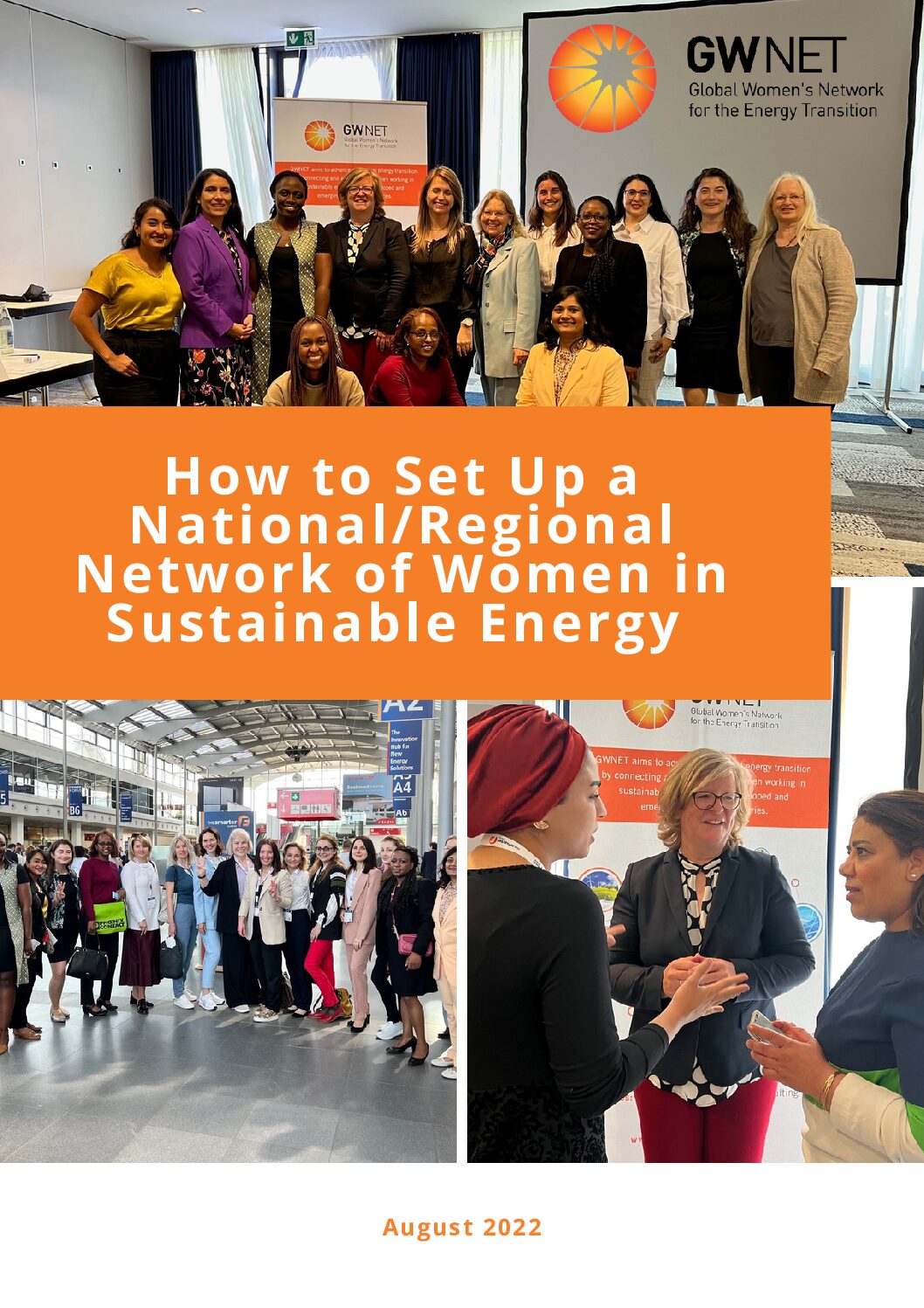
This guide provides principles and step-by-step instructions for the establishment of regional/national networks for women working in energy
Institutions all over the world are setting up microcredentials in responses to calls from governments and industry: short courses, usually offered online by accredited institutions, with an emphasis on the needs of the workplace. They are also often used for retraining and upskilling. This book explains how to start offering microcredentials as an academic institution.
This guide aims to accelerate the flexibility and responsiveness of learning systems by providing guidance on the design, issue and recognition of micro-credentials.
This report explores ways to identify and mitigate energy transition investment risks in the low- and middle-income countries, pointing out 1) that better energy planning can attract greater investment in renewable energy, 2) that sustainable fuels will play an important role in delivering the energy transition, and 3) that the social dimensions of the transition … Continue reading “A Just and Inclusive Energy Transition in Emerging Markets and Developing Economies: Energy Planning, Financing, Sustainable Fuels and Social Dimensions”
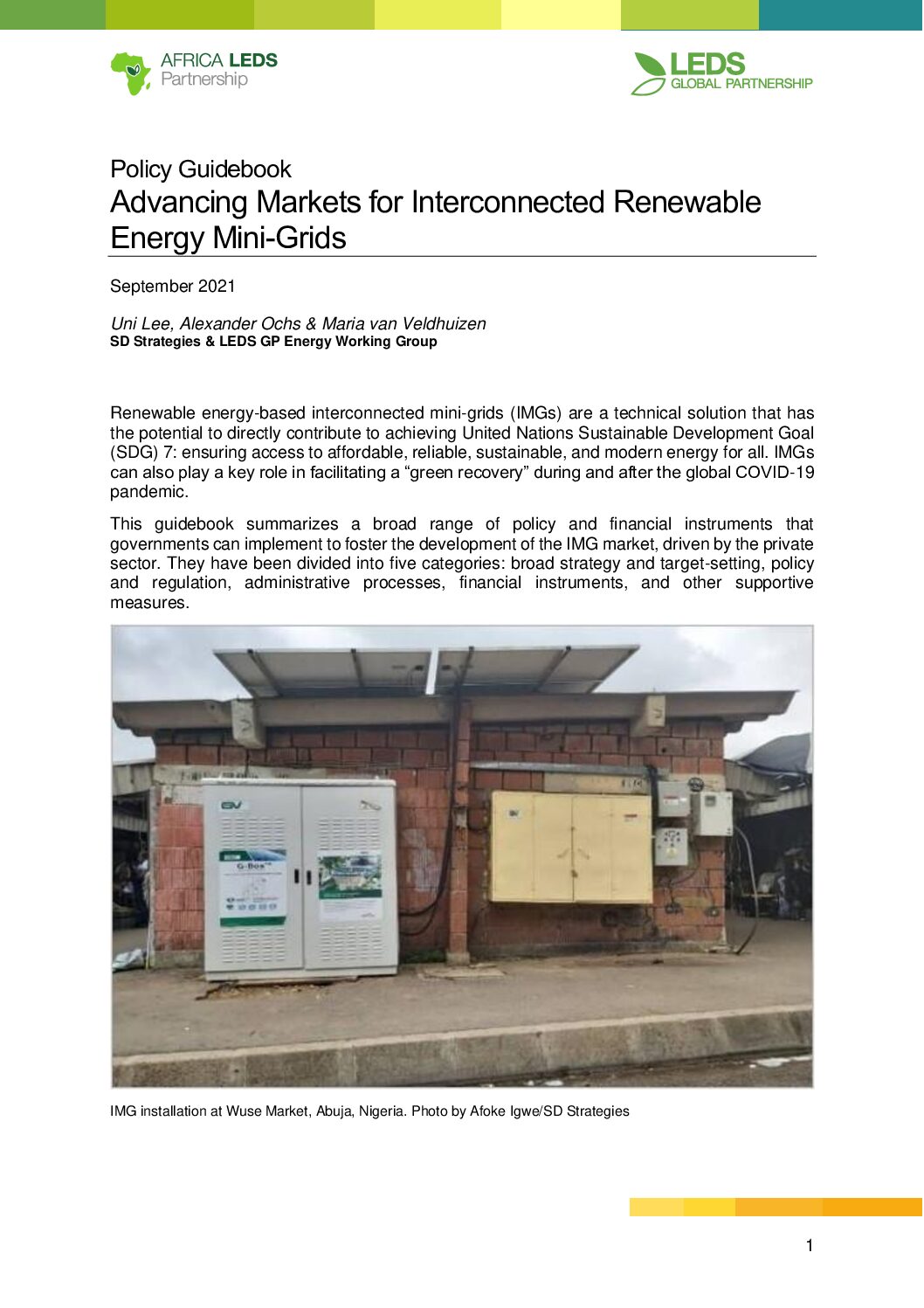
This guidebook summarizes a broad range of policy and financial instruments that governments can implement to foster the development of the interconnected mini-grid market, driven by the private sector.
This report examines the critical role of modeling for transmission planning for energy transitions.
This article explores how system planning, and in particular assessments of system adequacy, will need to innovate and evolve to allow power systems to keep delivering secure and affordable electricity supply during energy transitions.
This paper presents a value chain approach to identify priority areas for developing national hydrogen strategies, focussing on emerging and developing economies.
This paper focuses on strategies, policies, and programs that industry and government can develop to ensure that supply chains for EVs and their batteries are secure, circular, and reduce the need for mining virgin minerals, thus reducing adverse impacts on the planet and its people.
This report looks at the mineral demand for a net-zero emissions energy system, focusing on seven critical minerals and discussing the role of technological choices, circular economy strategies, and responsible mining in reducing the environmental impact of the transition.