
Institutions all over the world are setting up microcredentials in responses to calls from governments and industry: short courses, usually offered online by accredited institutions, with an emphasis on the needs of the workplace. They are also often used for retraining and upskilling. This book explains how to start offering microcredentials as an academic institution.
This guide aims to accelerate the flexibility and responsiveness of learning systems by providing guidance on the design, issue and recognition of micro-credentials.
A course on energy subsidies, their costs, and the design of a successful reform based on country case studies.
This chapter provides an overview of energy tax and subsidy patterns in the 71 countries covered in the report and estimates the net effect of energy taxes and subsidies on public finances.
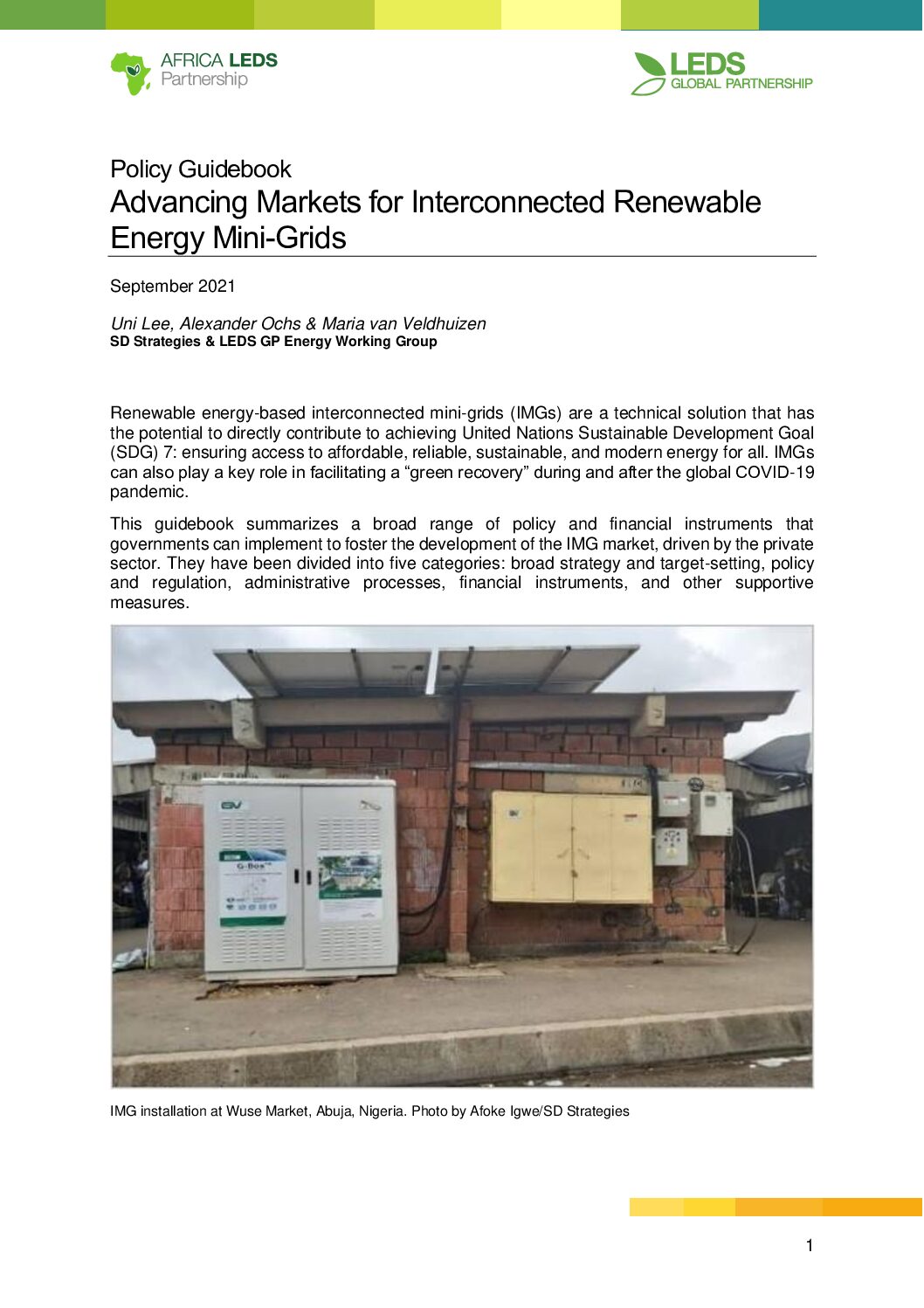
This guidebook summarizes a broad range of policy and financial instruments that governments can implement to foster the development of the interconnected mini-grid market, driven by the private sector.
This edition of the Investment Policy Monitor assesses the global landscape of fossil fuel subsidies and promotion of investment in the energy transition.
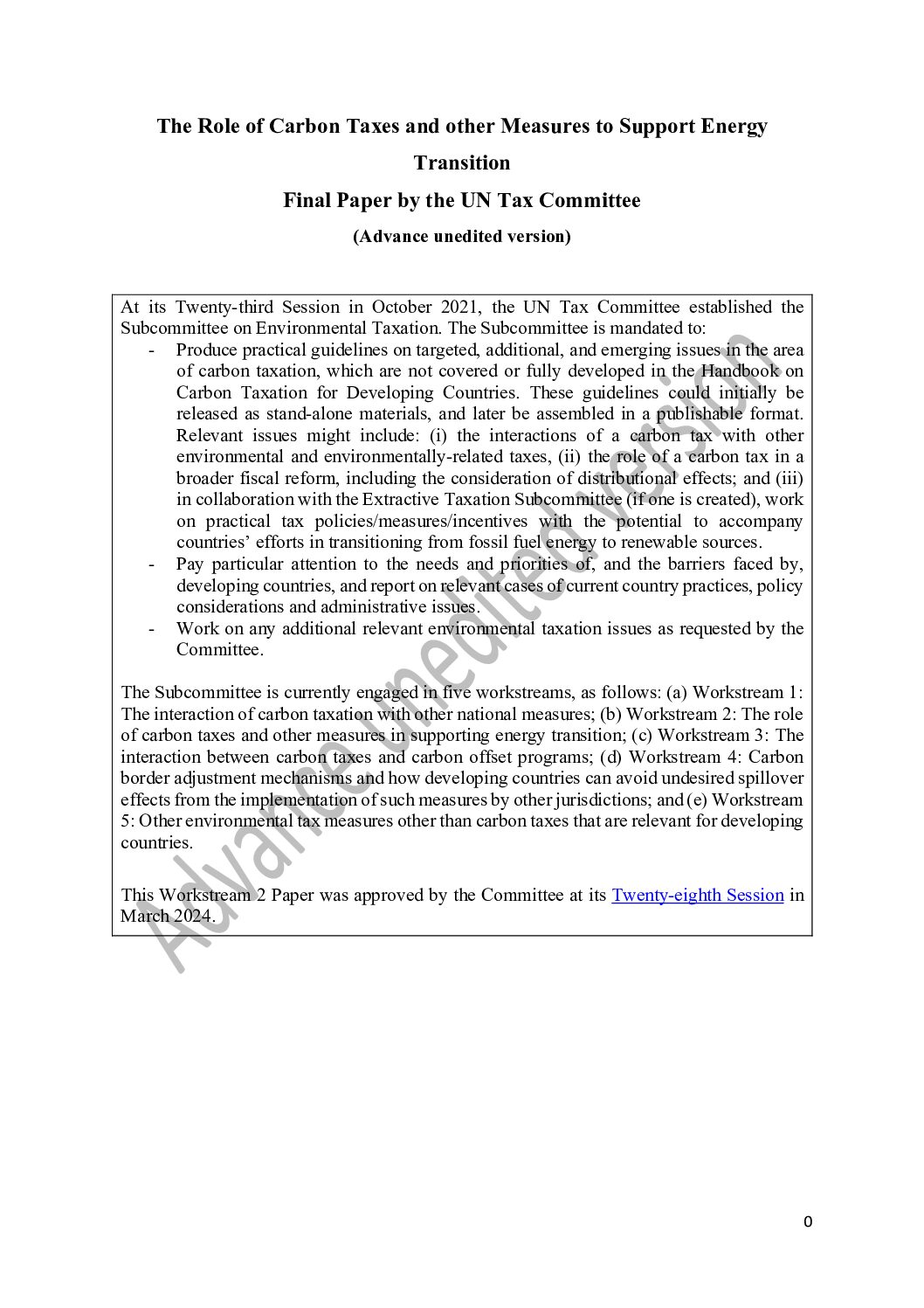
This paper investigates the role of carbon taxes in the energy transition, with case studies from Chile, Ghana, Indonesia and Jamaica.
This publication database provides a range of materials about the ESCO business model, on the following topics: Accounting; Business Models, Contracts & Project Development; Certification & Quality Assurance; Investment, Finance & Risk Management; Market Overview, including Cases studies; Measurement & Verification; Policies & legal and regulatory frameworks; Procurement; Super ESCOs; and Technologies
The ESCO Model Contract Library provides a list of ESCO contracts and supporting documents provided by a variety of countries and organisations. In some cases, the resources also provide a wider set of documents related to public procurement of ESCO services.
This report describes regulatory barriers reported by 25 ESCO associations, and offers advice to policymakers to address these barriers.