
This article explores how the Central American Integration System (SICA) has helped lead the way to improve energy efficiency in appliances at the regional level, and the opportunities that further harmonisation could generate.
This report identifies opportunities for Latin American and Caribbean countries in global renewable energy value chains. It focuses particularly on countries with significant mineral reserves, including Bolivia and Ecuador.
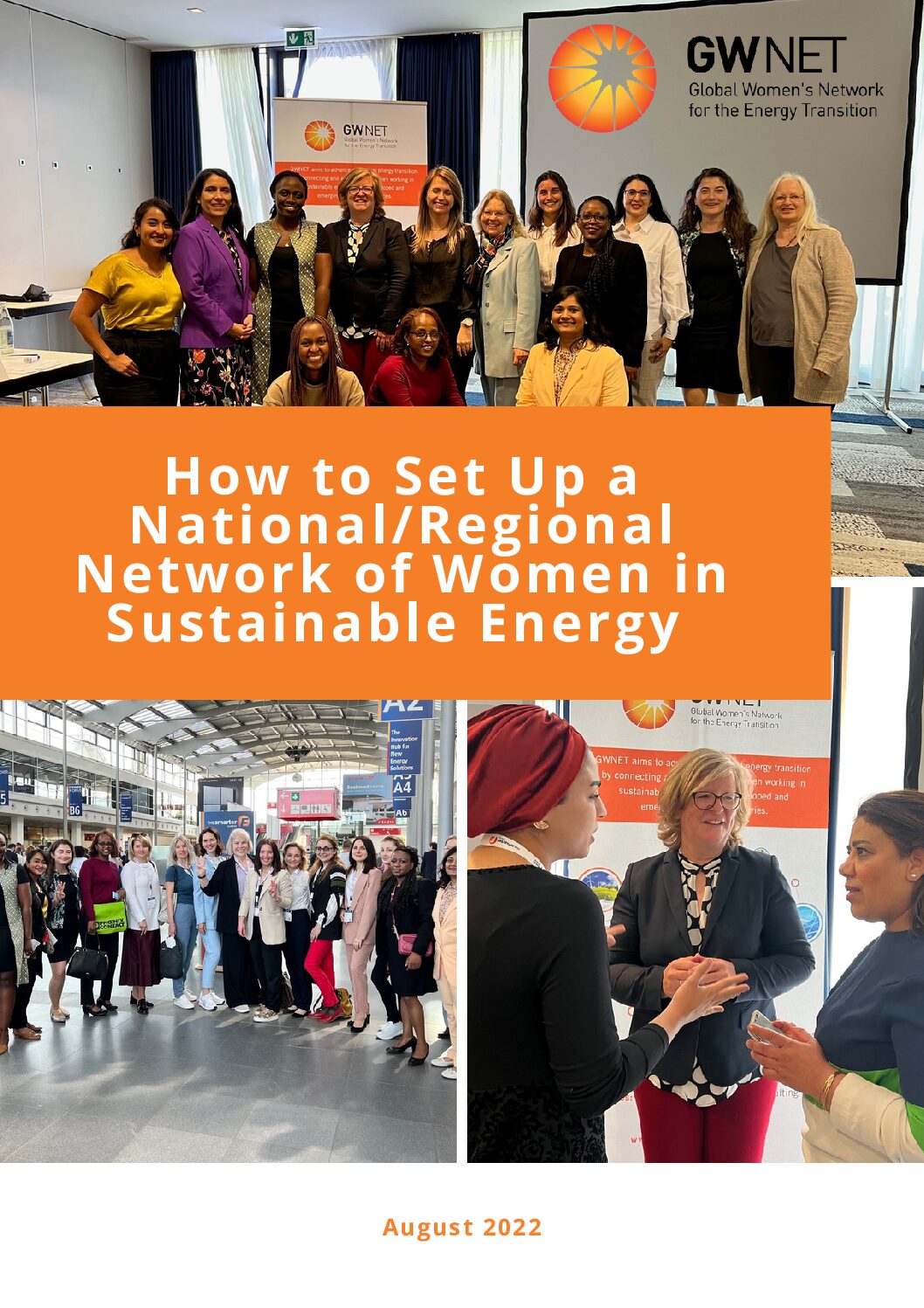
This guide provides principles and step-by-step instructions for the establishment of regional/national networks for women working in energy
This is a network of women in renewable energy in the Dominican Republic. It has published several reports and organises events on gender equality in the national energy sector.
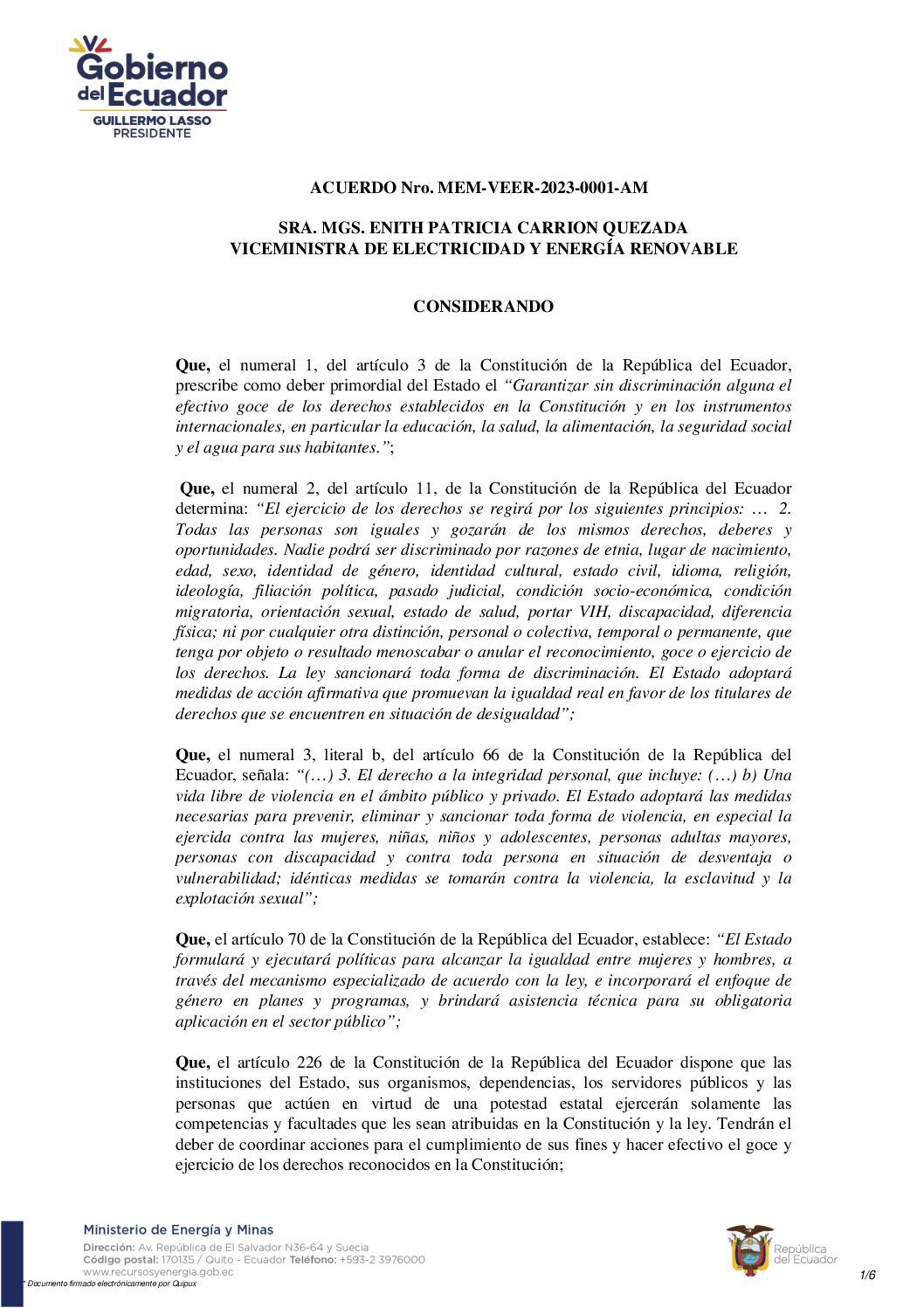
This is a good practice example of a ministerial agreement to promote the design and implementation of gender-inclusive strategies in the Ecuadorian energy sector.
This report provides concrete instructions on how to develop a gender-sensitive energy policy.
Institutions all over the world are setting up microcredentials in responses to calls from governments and industry: short courses, usually offered online by accredited institutions, with an emphasis on the needs of the workplace. They are also often used for retraining and upskilling. This book explains how to start offering microcredentials as an academic institution.
This guide aims to accelerate the flexibility and responsiveness of learning systems by providing guidance on the design, issue and recognition of micro-credentials.
This paper underscores the need for sustainable utilities to deliver the energy transition in lower- and middle-income countries, and provides recommendations to governments and other stakeholders.
This paper presents a value chain approach to identify priority areas for developing national hydrogen strategies, focussing on emerging and developing economies.