
This report presents the Latinamerican Gender and Mobility Observatory and shares good practices in gender mainstreaming in transport from different Latin-American countries, including Bolivia and Guatemala.
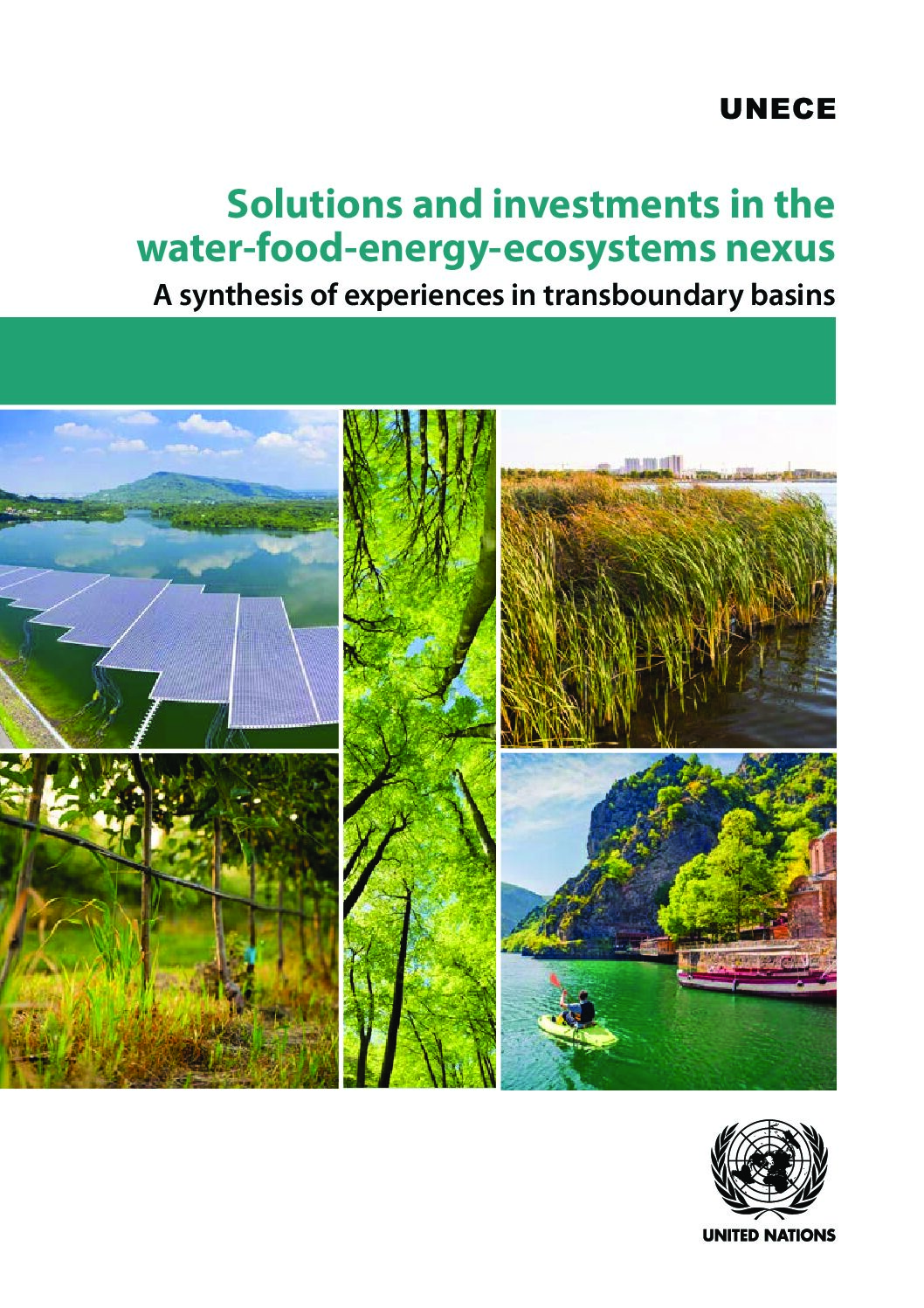
This report analyses linkages in the water-energy-food-ecosystem nexus – essentially resource management trade-offs and synergies — in transboundary river basin settings. It draws on 36 nexus case studies from transboundary river basins in Europe, Asia, Africa and the Americas, providing lessons for transboundary management and cooperation.
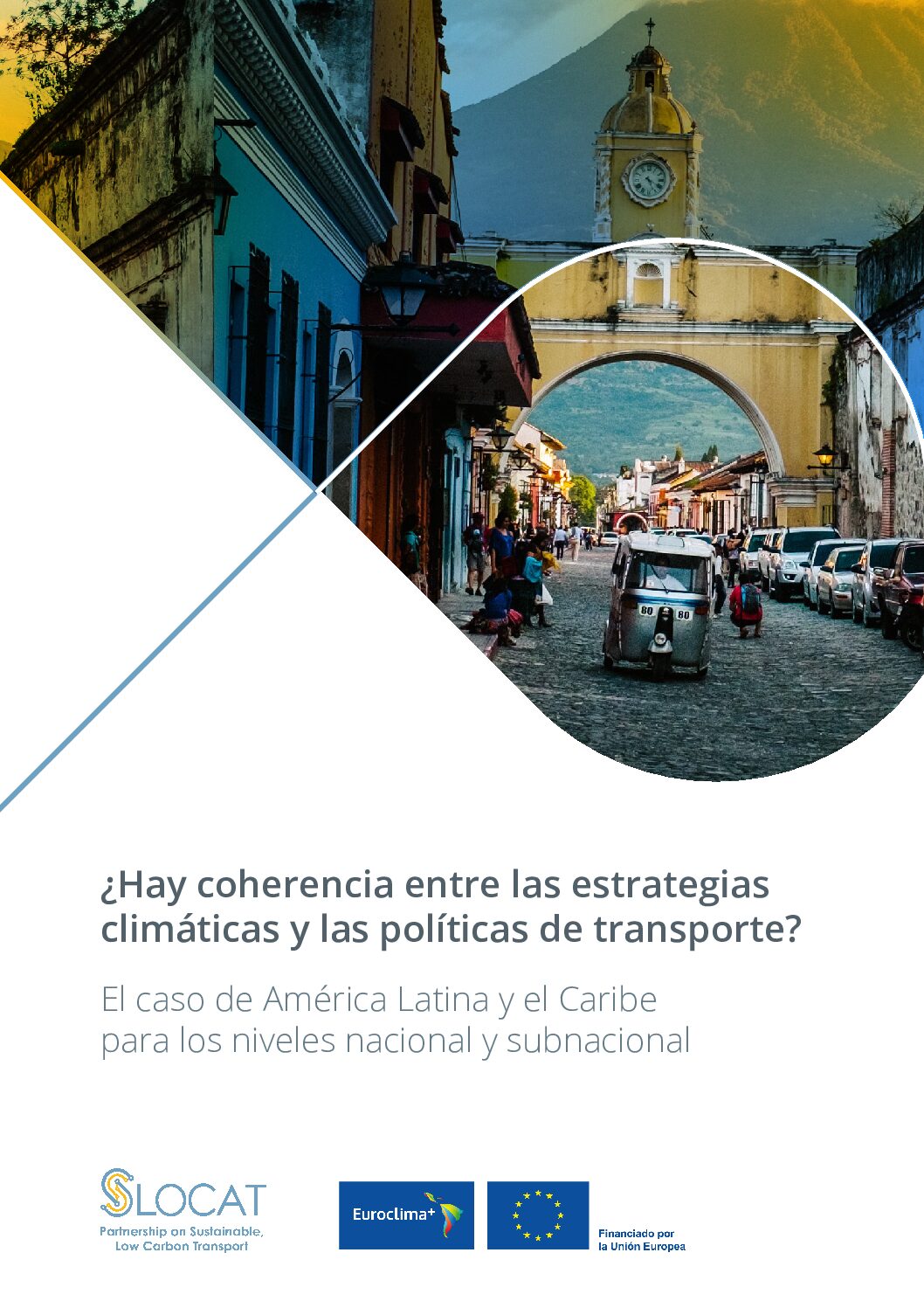
This report analyses the alignment between climate commitments made by countries in LAC and implementation through transport planning instruments at the national and subnational levels.
The Global Innovation Hub aims to promote transformative innovations for a low-emission and climate-resilient future.
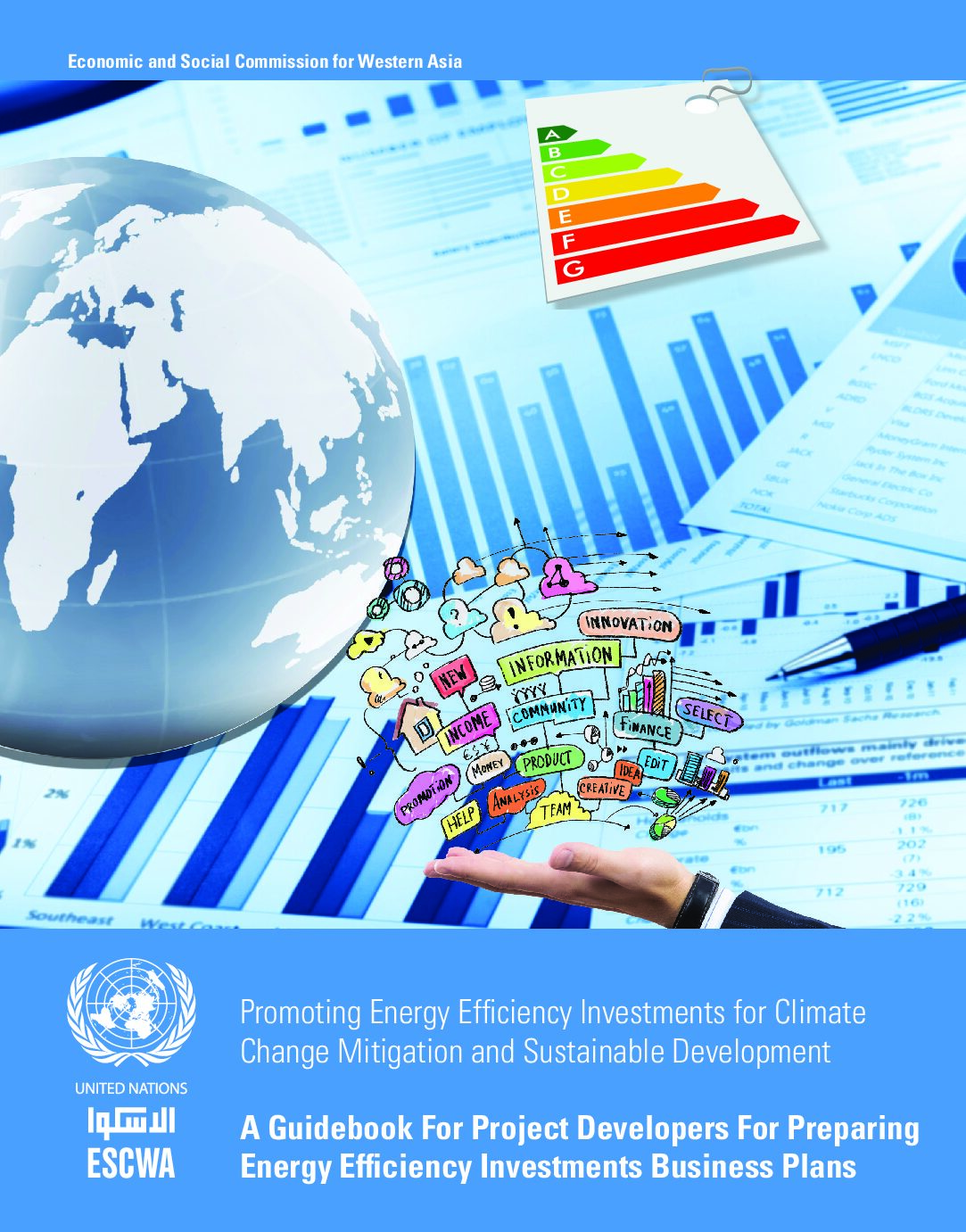
This guidebook helps project developers and investors to prepare bankable business plans for RE projects, particularly for power generation.
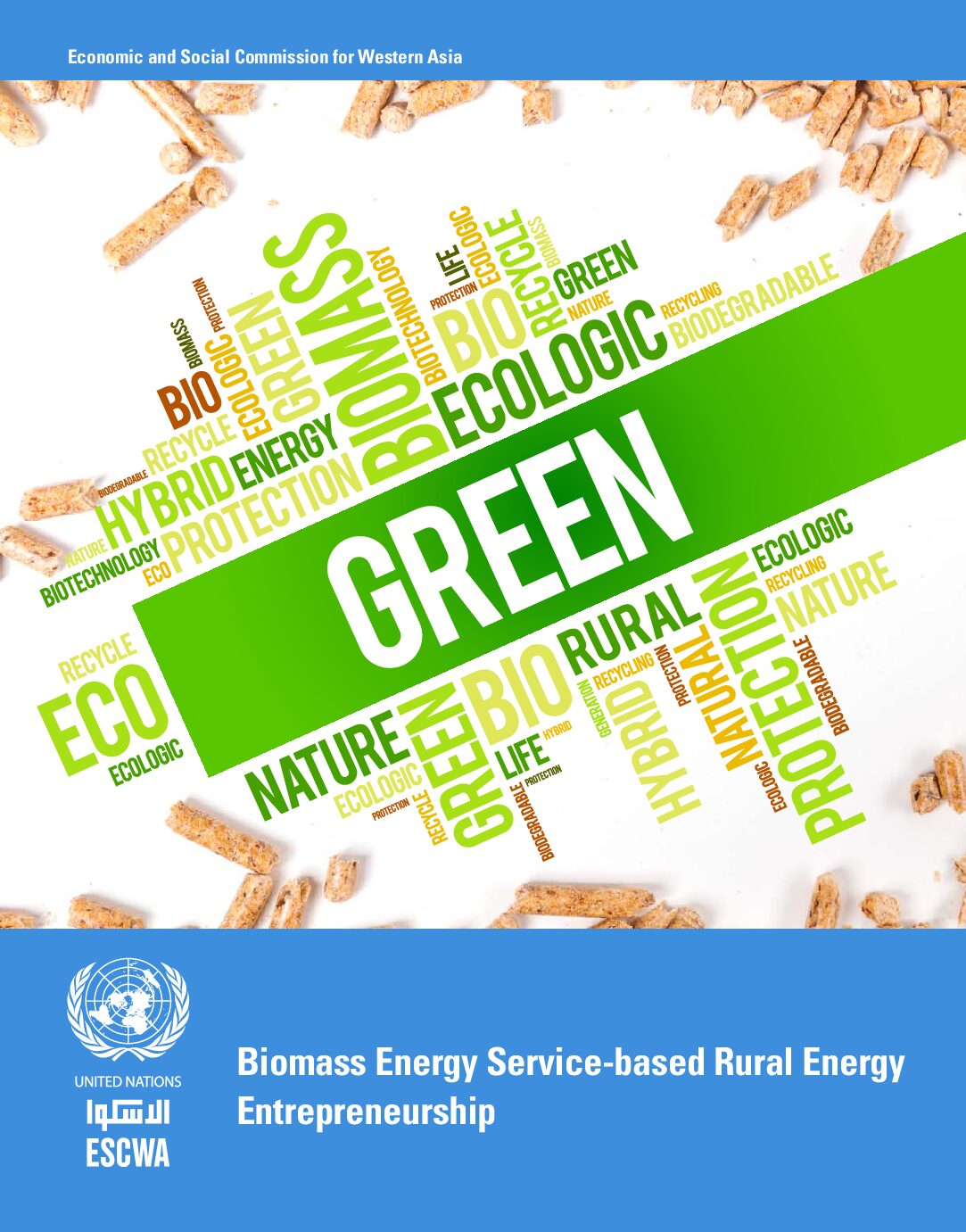
This guide addresses the challenges faced by rural energy enterprises in developing countries, and sets out solutions such as business models offering cooking energy as a service.
RENAC offers a range of affordable online courses on most technical aspects of energy transitions, from systems design to carbon pricing.
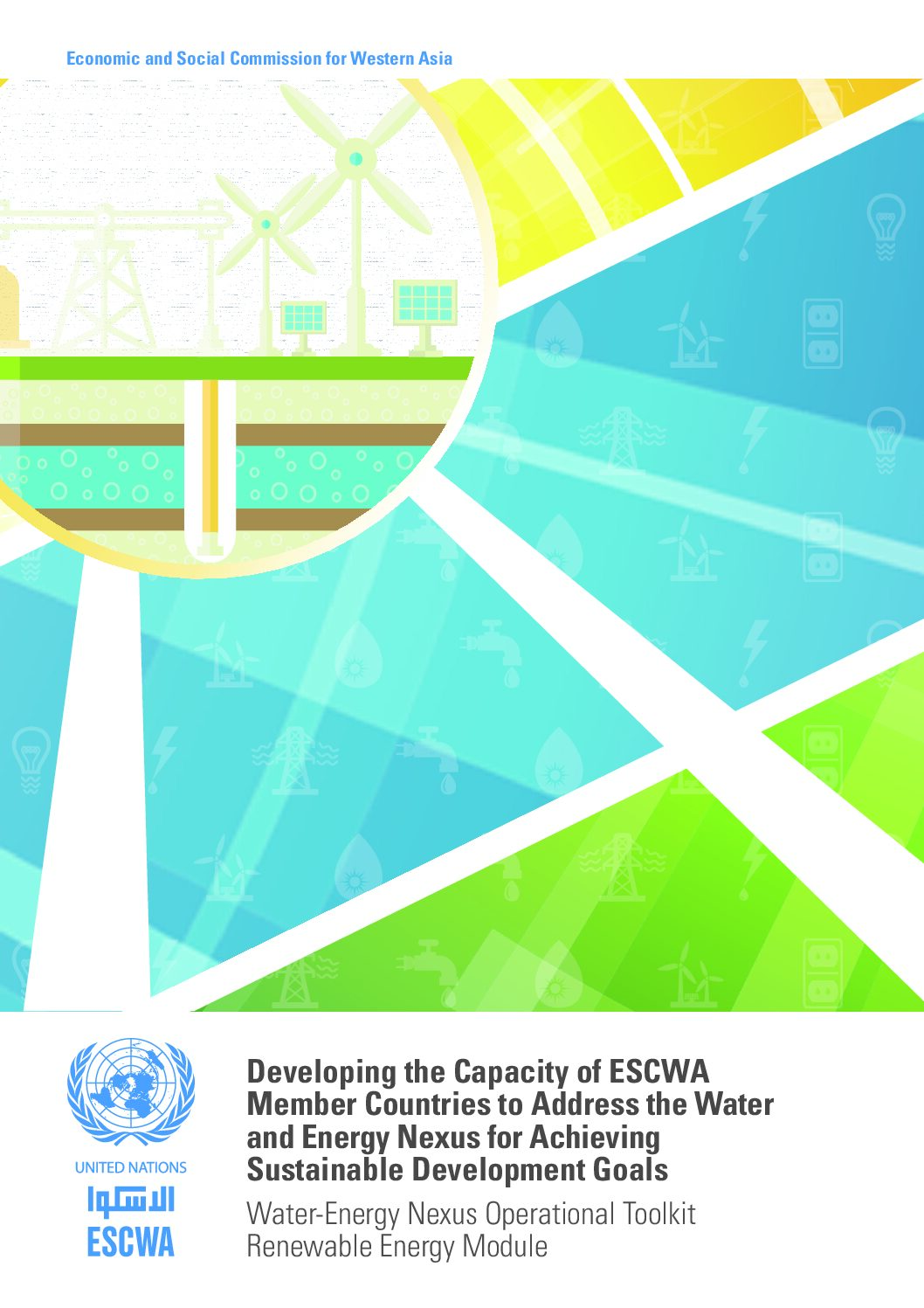
This is a training module on the nexus between renewable energy and water management.
A course on energy subsidies, their costs, and the design of a successful reform based on country case studies.
This slide deck provides a quick overview of the required steps in developing a concept for a renewable energy project.