
This report provides an overview of the water-energy-food nexus in Latin America and the Caribbean (LAC), identifying the main challenges and opportunities for achieving water, energy and food security in the region.
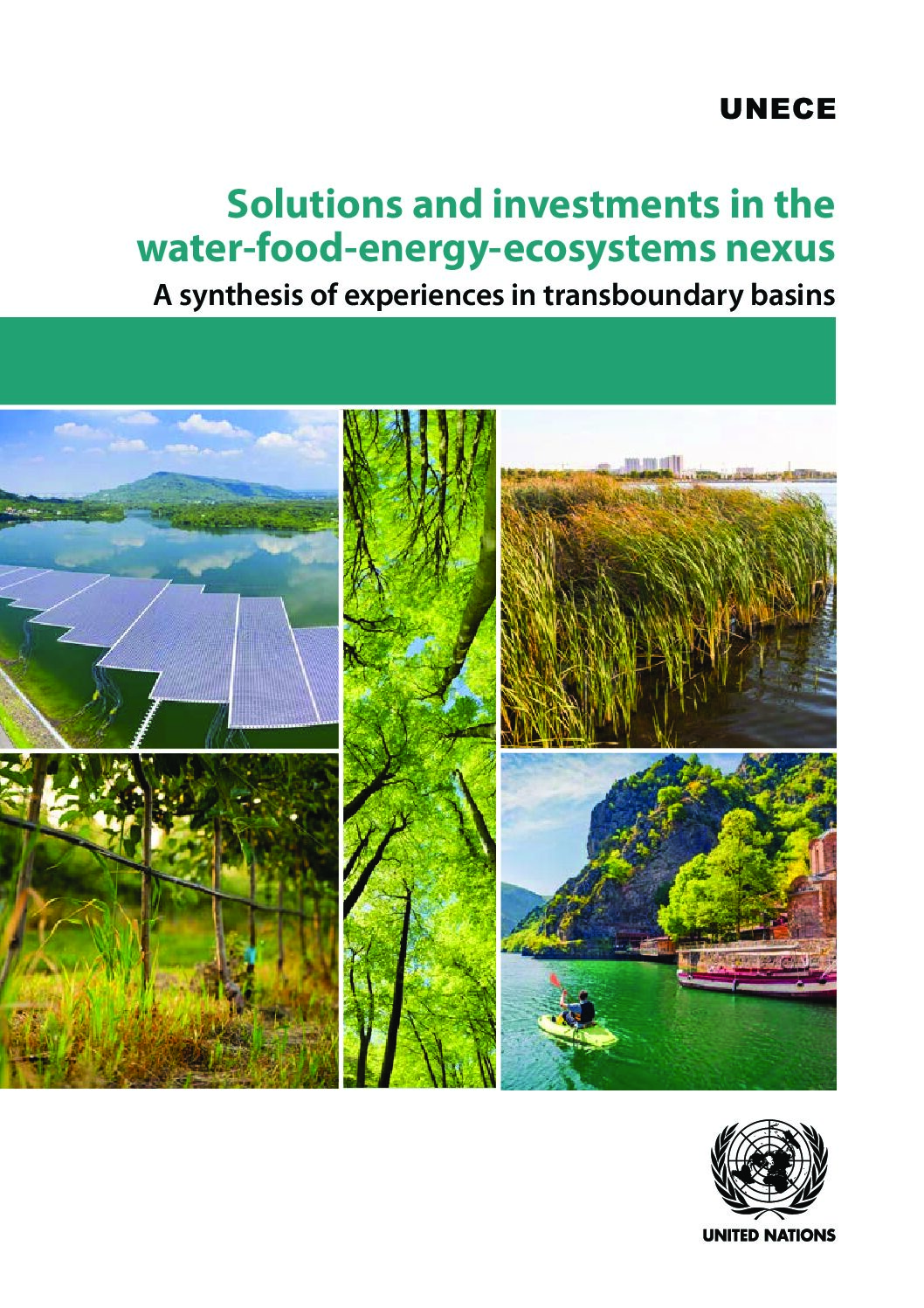
This report analyses linkages in the water-energy-food-ecosystem nexus – essentially resource management trade-offs and synergies — in transboundary river basin settings. It draws on 36 nexus case studies from transboundary river basins in Europe, Asia, Africa and the Americas, providing lessons for transboundary management and cooperation.
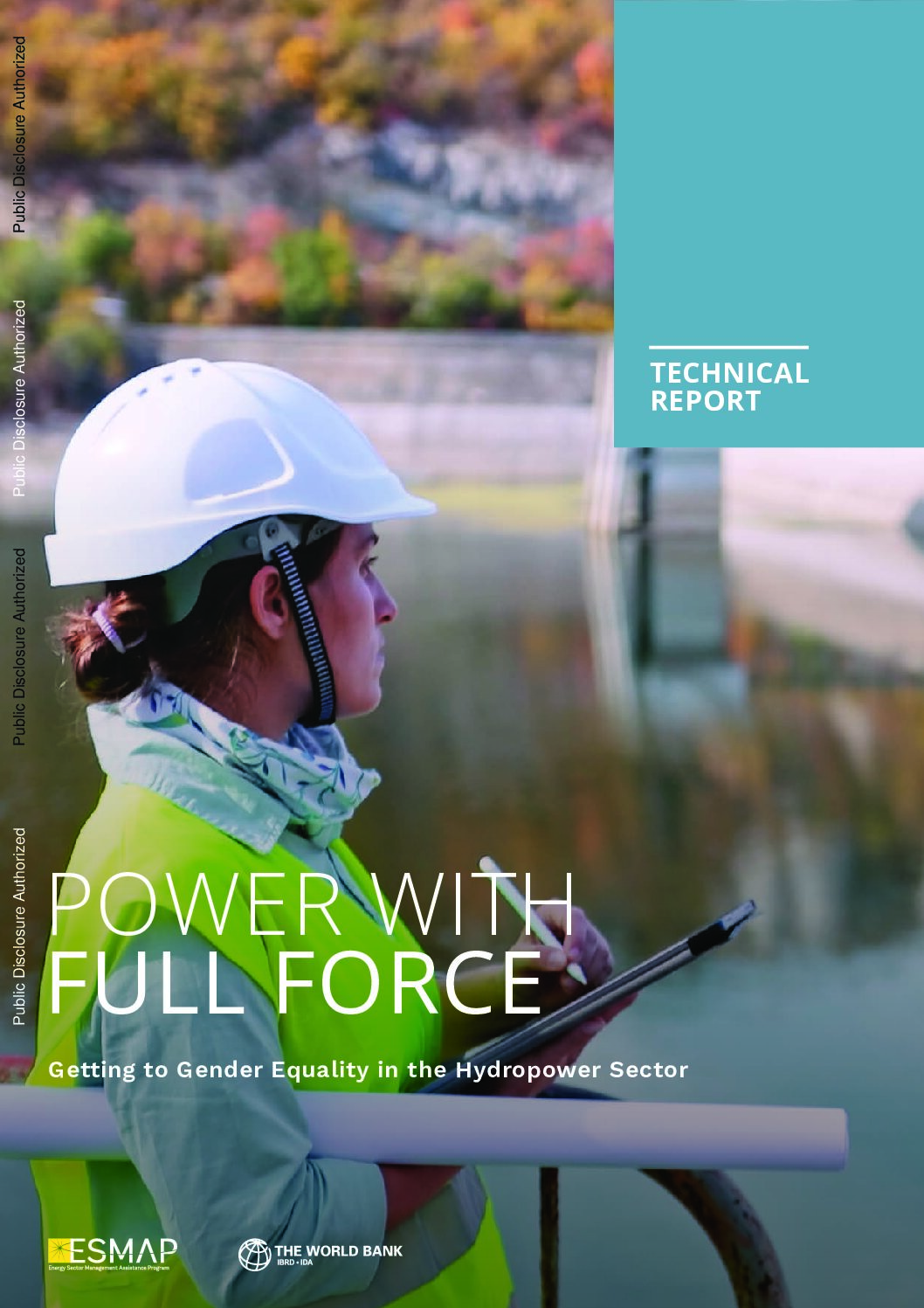
This report provides baseline data on women’s employment in hydropower, as well as information on barriers to gender equality and recommendations to close gender gaps.
Institutions all over the world are setting up microcredentials in responses to calls from governments and industry: short courses, usually offered online by accredited institutions, with an emphasis on the needs of the workplace. They are also often used for retraining and upskilling. This book explains how to start offering microcredentials as an academic institution.
This guide aims to accelerate the flexibility and responsiveness of learning systems by providing guidance on the design, issue and recognition of micro-credentials.
This is a training module on the nexus between renewable energy and water management.
These guidelines aim to support countries to improve their policies, technologies and environmental conditions for the deployment of small hydropower.
This web portal provides an extensive introduction into hydropower technology, policy, financing and more.
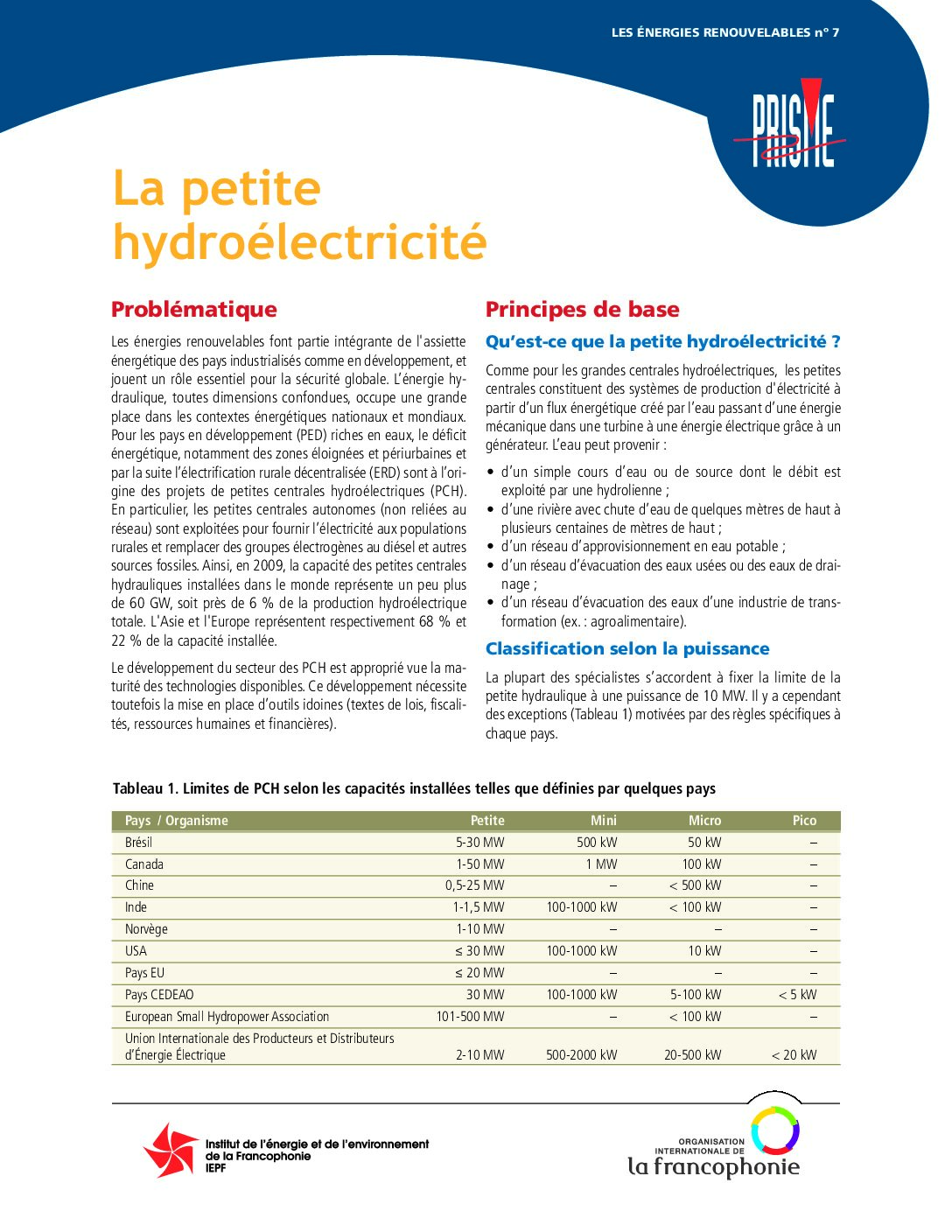
This brief provides an introduction to small hydropower generation, with information on potentials, technologies, system sizing and project design, project steps and investment needs.
The Breakthrough Agenda Report 2023 is an annual collaboration between the International Energy Agency (IEA), the International Renewable Energy Agency (IRENA) and the United Nations Climate Change High-Level Champions. It takes stock of emissions reductions in key energy subsectors and focuses on supporting stronger international collaboration to drive faster reductions in global greenhouse gas emissions.