
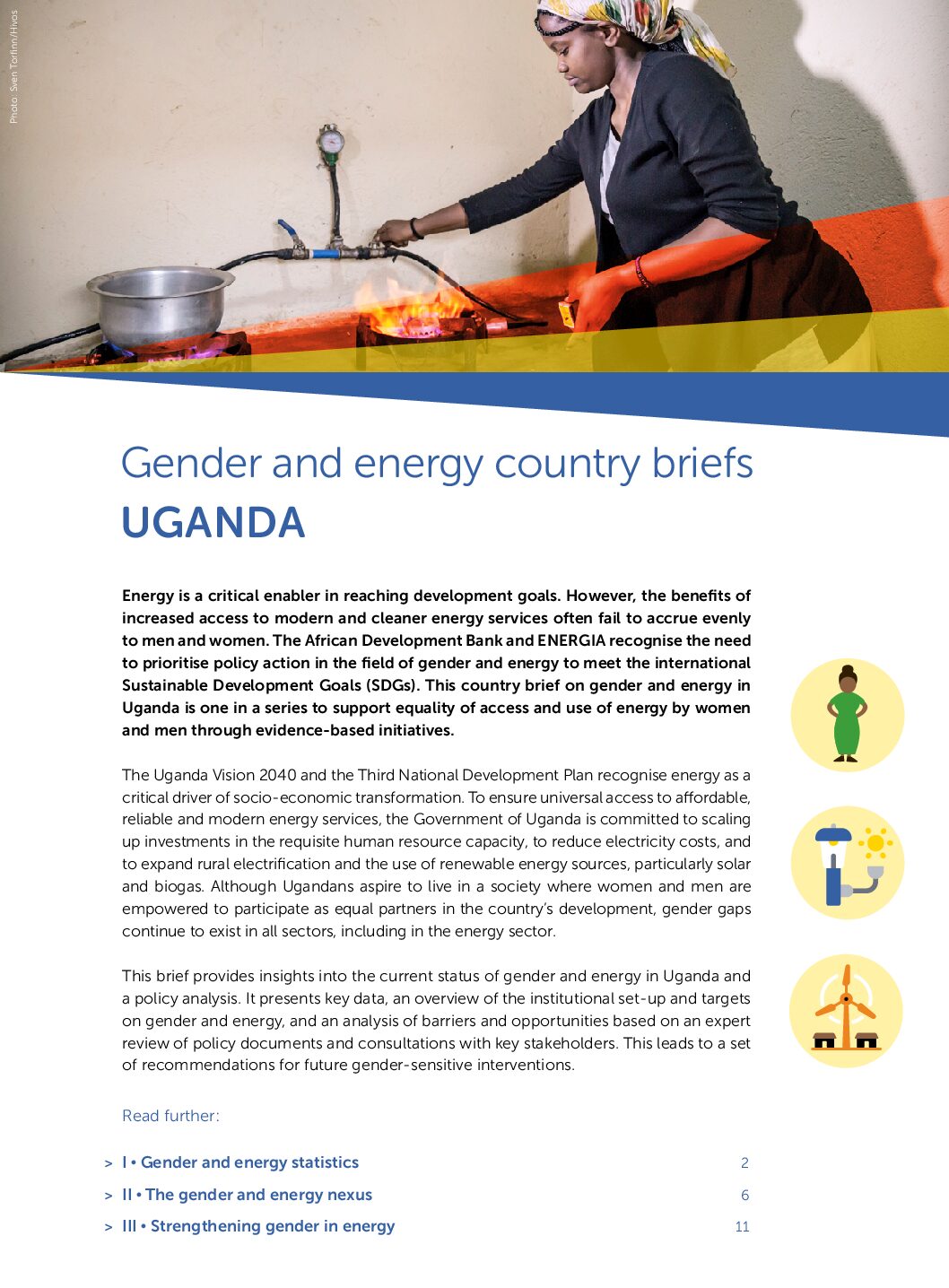
This brief provides statistics about gender and energy in Uganda, as well as an analysis of relevant policies and recommendations to further close gender gaps.
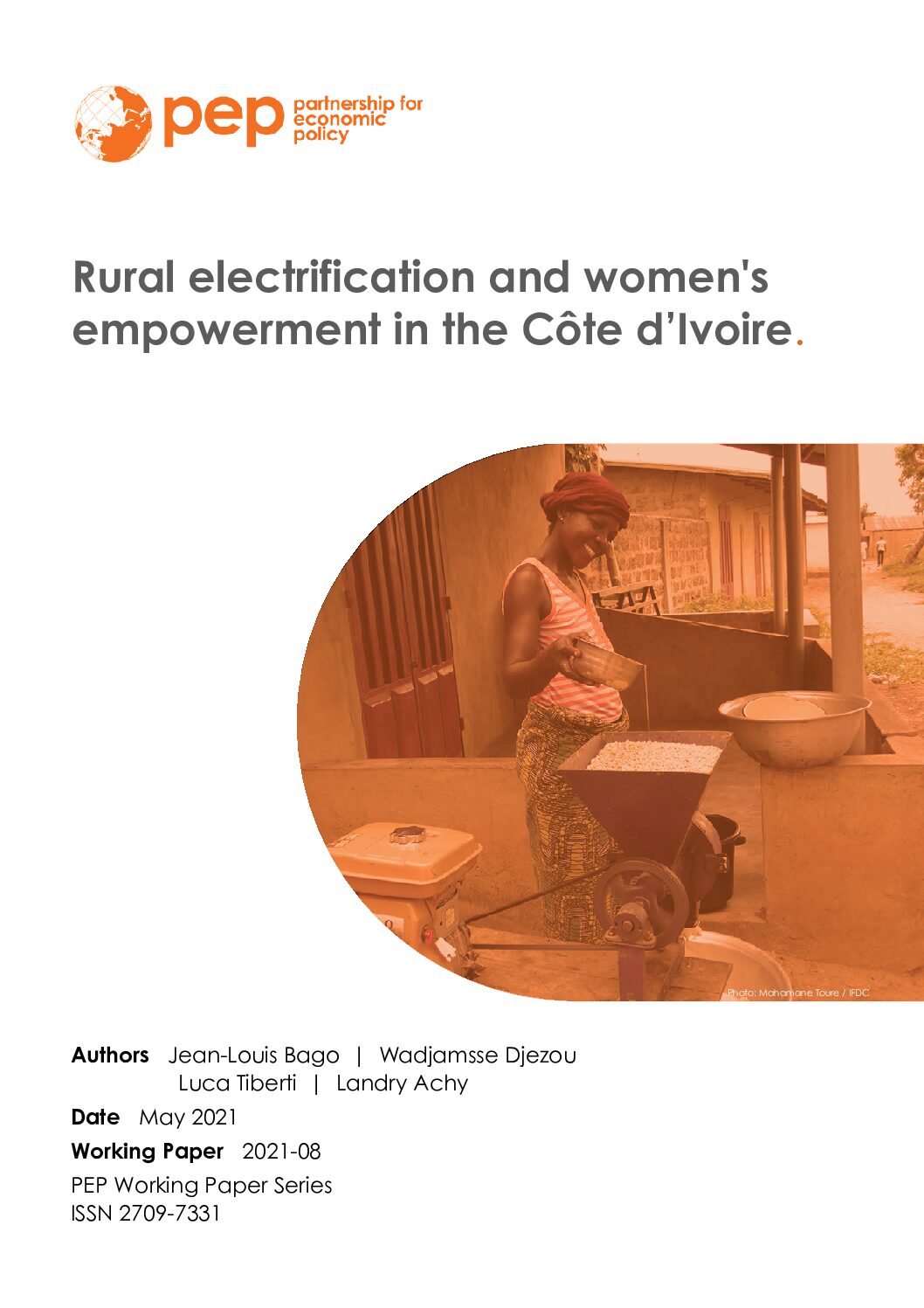
This report assesses the impact of the Ivorian National Rural Electrification Programme on the lives and empowerment of rural women.
This report provides an extensive analysis of the Ivorian energy sector and the links with gender equality.
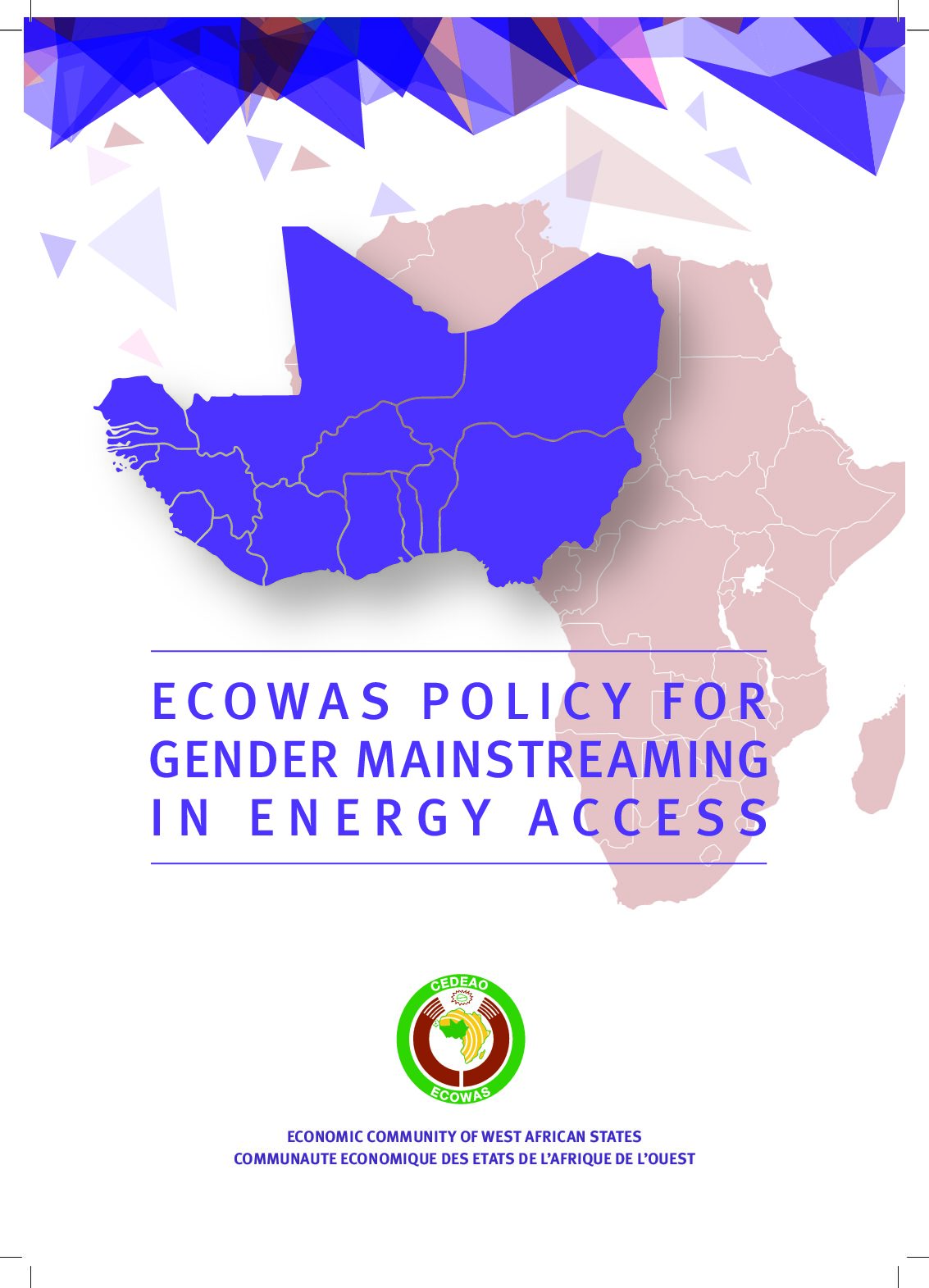
This is a good practice example of a regional policy that mainstreams gender equality concerns in energy access policies and programmes.
This action plan, developed with support from ECREEE, lays out the bioenergy strategy of Côte d’Ivoire for 2021-2030. It includes an extensive background and context section, as well as strategic priorities and measures to promote these.
This paper presents the results of a techno-economic study of a potential waste-to-energy plant in Kampala, Uganda, including modeling to project energy generation potential and the payback period for the initial investment.
This brief presents the regulatory framework and country context for waste-to-energy projects in Côte d’Ivoire.
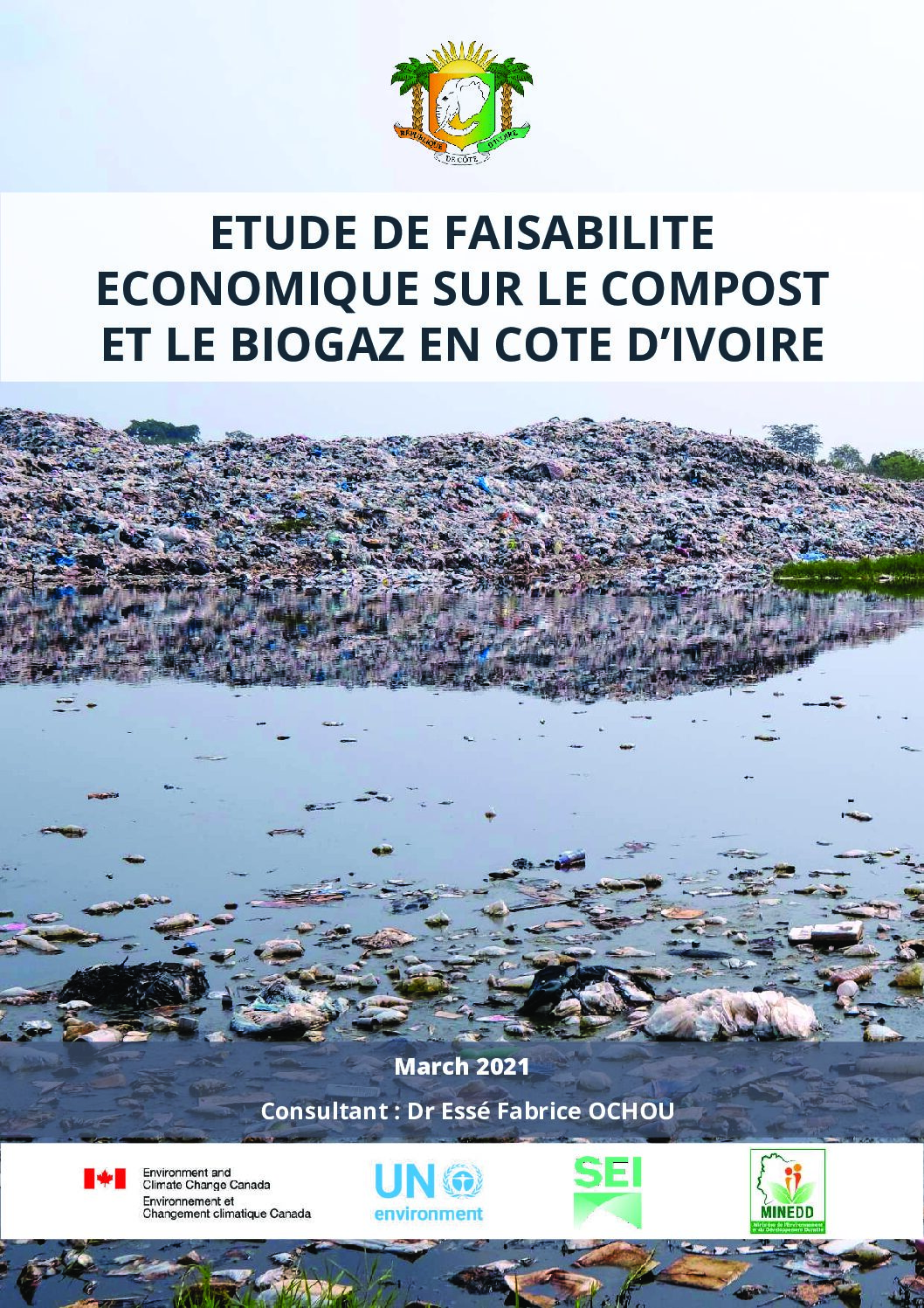
This feasibility study describes the institutional framework for waste management in Côte d’Ivoire, presents a baseline on compost and biogas value chains, and provides a feasibility assessment based on economic models.