
This second edition from 2025 provides an update to the landmark report from 2019, based on a new survey of 1192 individuals working in the sector, and 233 companies and organizations. The headline finding was that despite widespread efforts, the share of women in renewable energy has not grown over the past six years: it … Continue reading “Renewable energy: A gender perspective (Second edition)”
This article explores how the Central American Integration System (SICA) has helped lead the way to improve energy efficiency in appliances at the regional level, and the opportunities that further harmonisation could generate.
This brief discusses the importance of industrial policy and of regional integration for Latin American countries to remove barriers to the energy transition and maximise their renewable energy potential.
This report identifies opportunities for Latin American and Caribbean countries in global renewable energy value chains. It focuses particularly on countries with significant mineral reserves, including Bolivia and Ecuador.
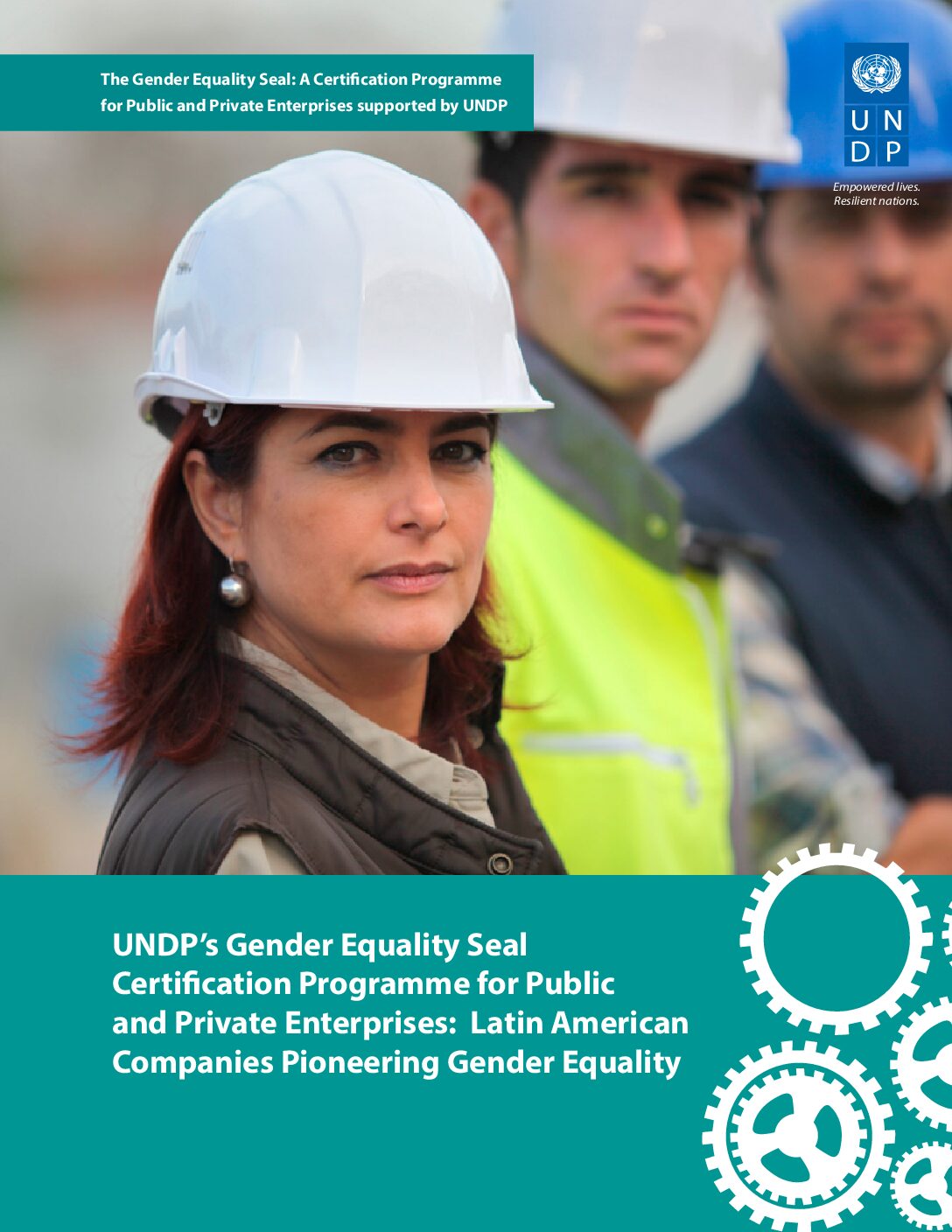
UNDP’s Gender Equality Seal has been implemented under different names in 11 countries and has engaged over 1400 companies. Companies, including many in male-dominated sectors such as the energy sector, can qualify for the seal by following a ten-step plan.
This Chilean government programme, launched in 2019, is a public-private plan that supports energy companies to advance gender equality. It consists of 10 different axes, 14 measures and 40 concrete actions.
This is a how-to-guide by the RRC.AP for practitioners developing GCF projects. It explains the importance of an exit strategy, different exit strategy approaches, and the process for formulating an exit strategy. It also provides good practice examples.
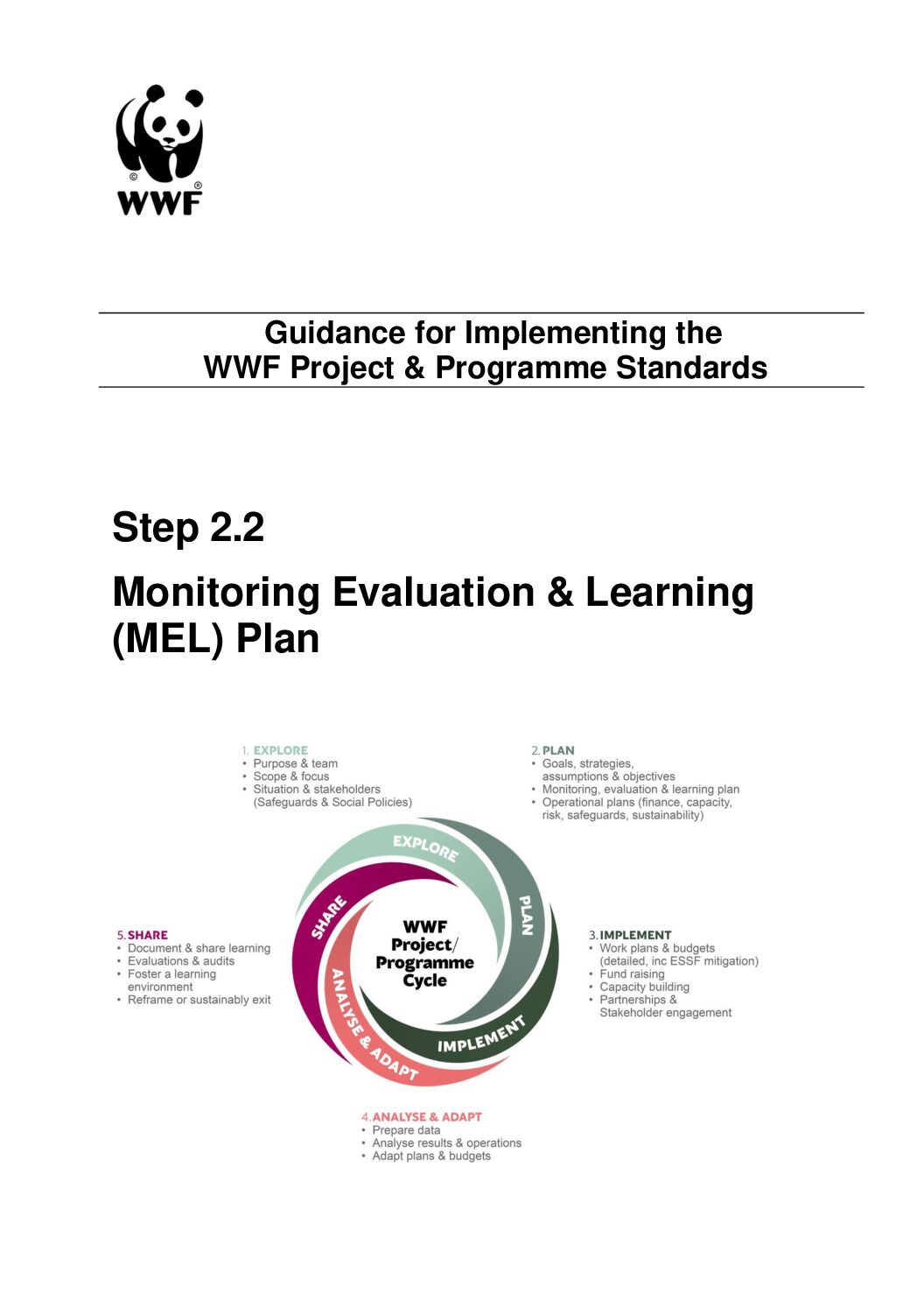
This guide by the WWF explains the process of developing a monitoring, evaluation and learning plan for your project.