
This report identifies opportunities for Latin American and Caribbean countries in global renewable energy value chains. It focuses particularly on countries with significant mineral reserves, including Bolivia and Ecuador.
This report presents the Latinamerican Gender and Mobility Observatory and shares good practices in gender mainstreaming in transport from different Latin-American countries, including Bolivia and Guatemala.
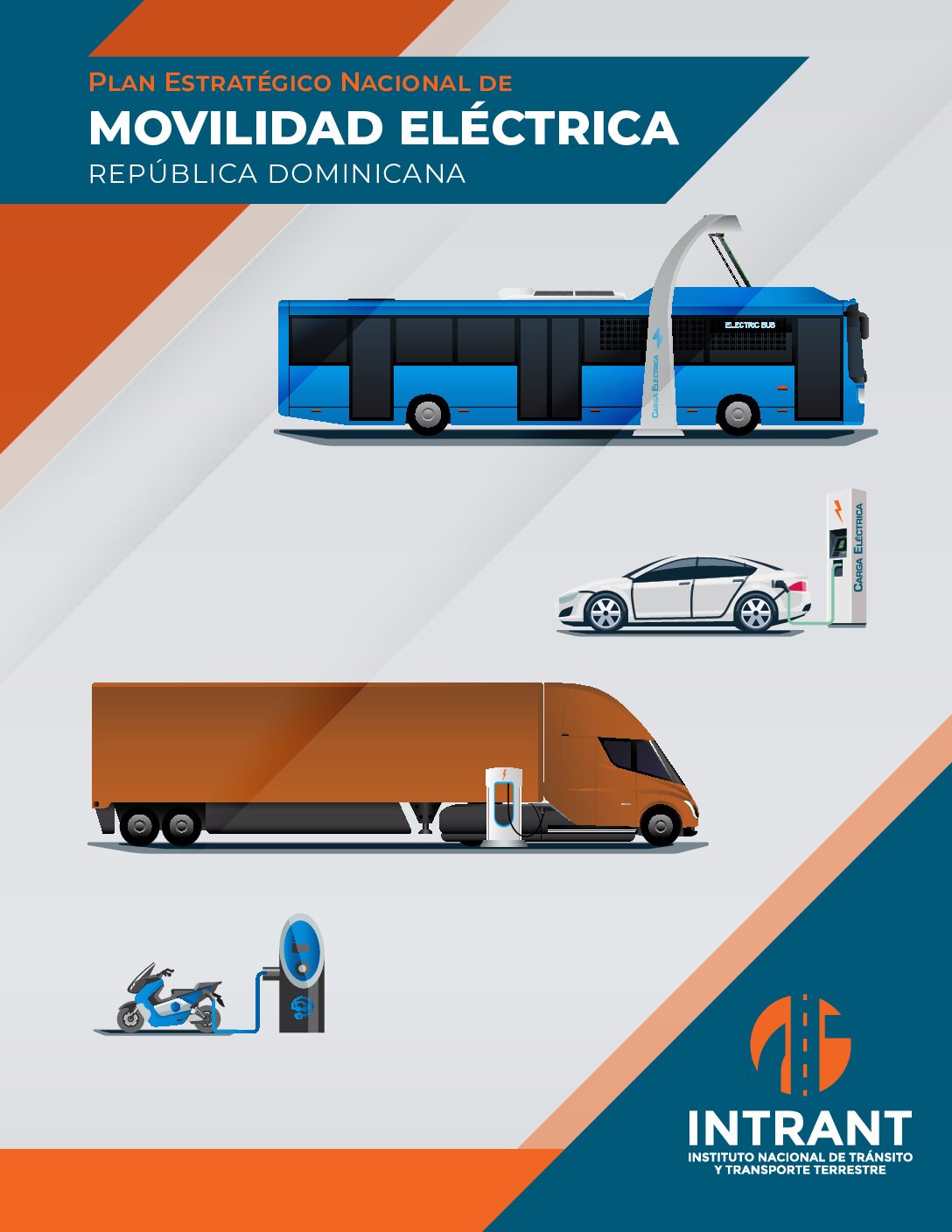
This strategic plan assesses the current status of and regulatory framework for e-mobility in the Dominican Republic, and sets goals for the expansion of electric transport.
This report presents a baseline study on e-mobility in Ecuador, future scenarios and a roadmap to 2030.
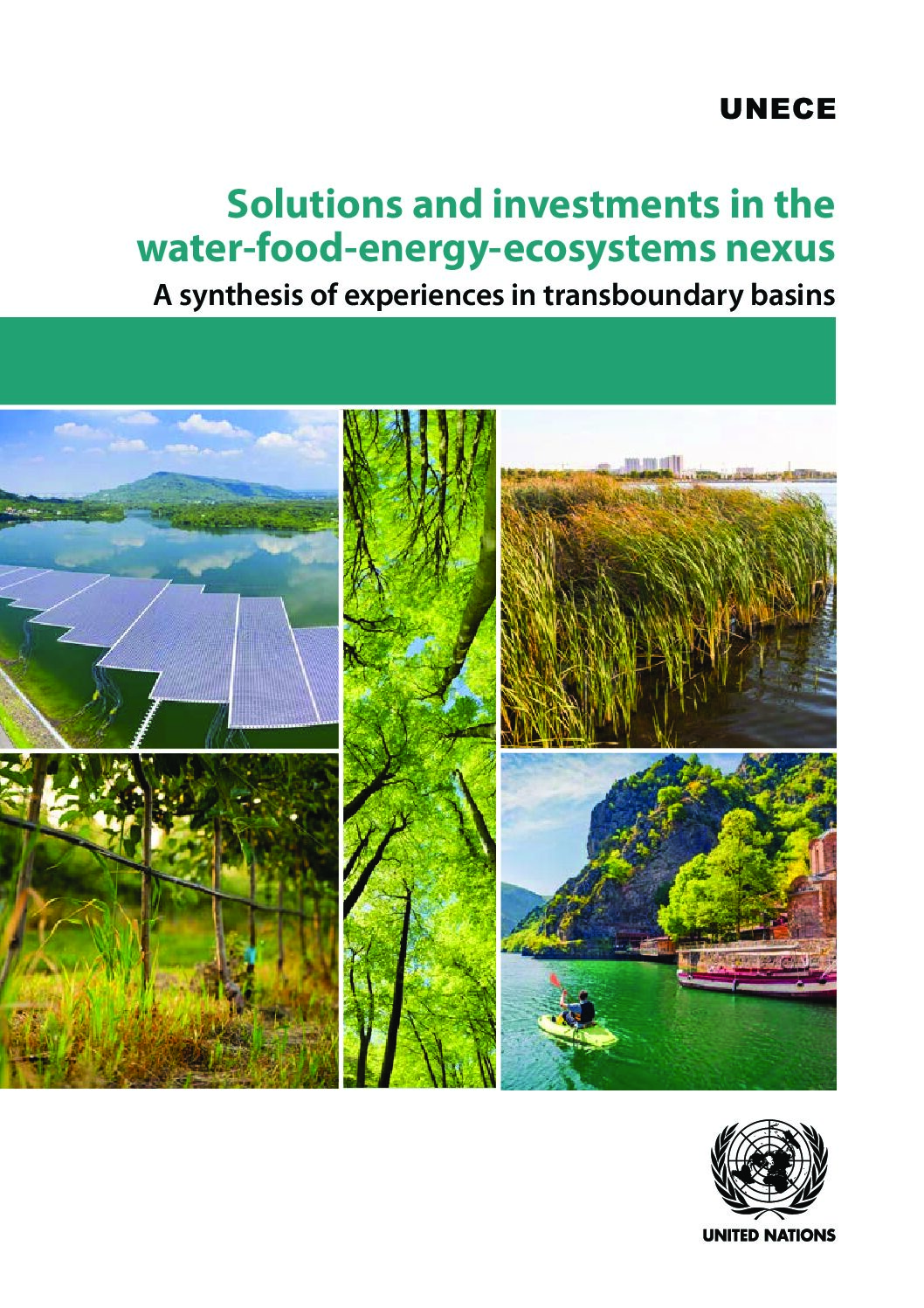
This report analyses linkages in the water-energy-food-ecosystem nexus – essentially resource management trade-offs and synergies — in transboundary river basin settings. It draws on 36 nexus case studies from transboundary river basins in Europe, Asia, Africa and the Americas, providing lessons for transboundary management and cooperation.
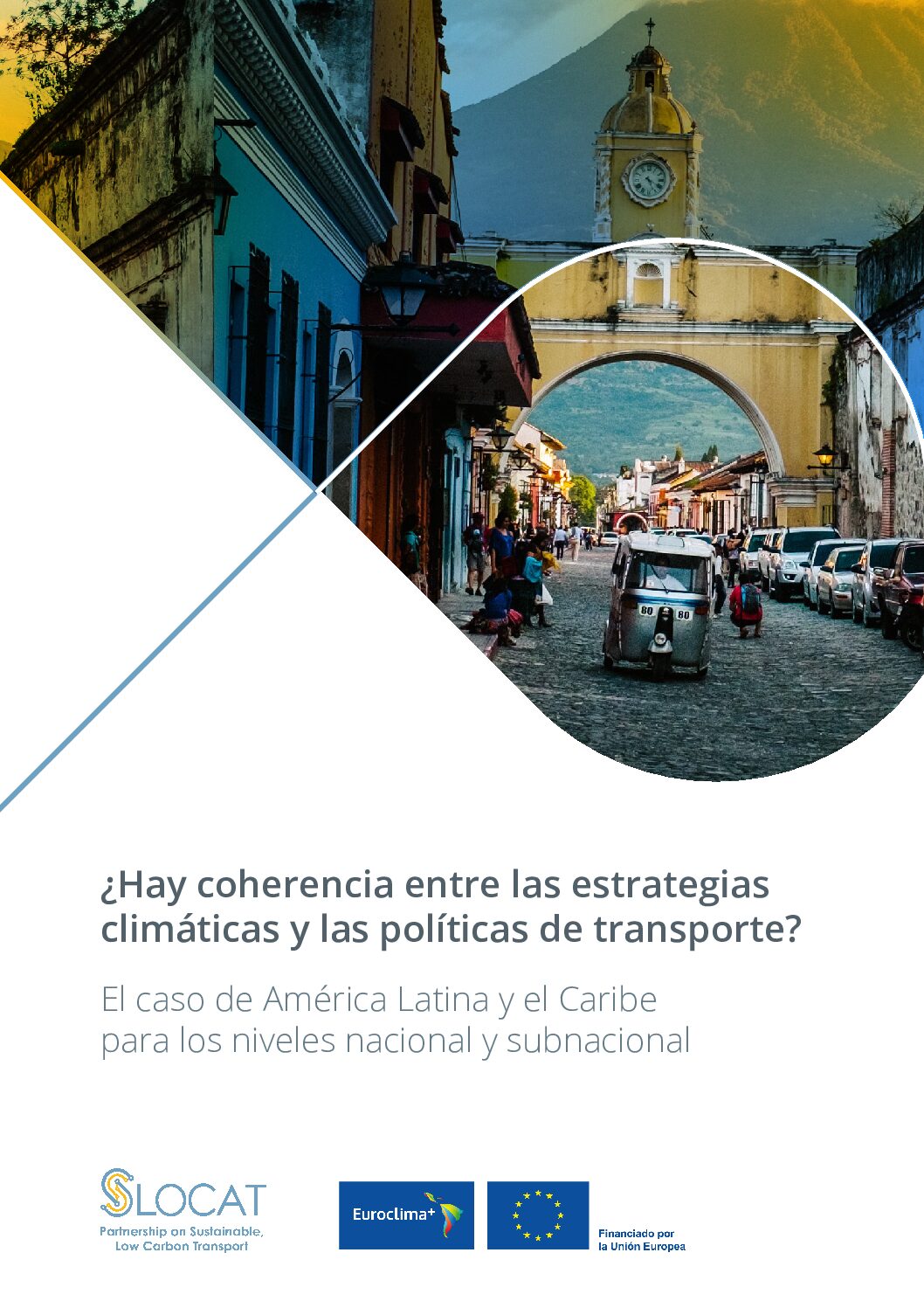
This report analyses the alignment between climate commitments made by countries in LAC and implementation through transport planning instruments at the national and subnational levels.
This report provides an overview of the water-energy-food nexus in Latin America and the Caribbean (LAC), identifying the main challenges and opportunities for achieving water, energy and food security in the region.
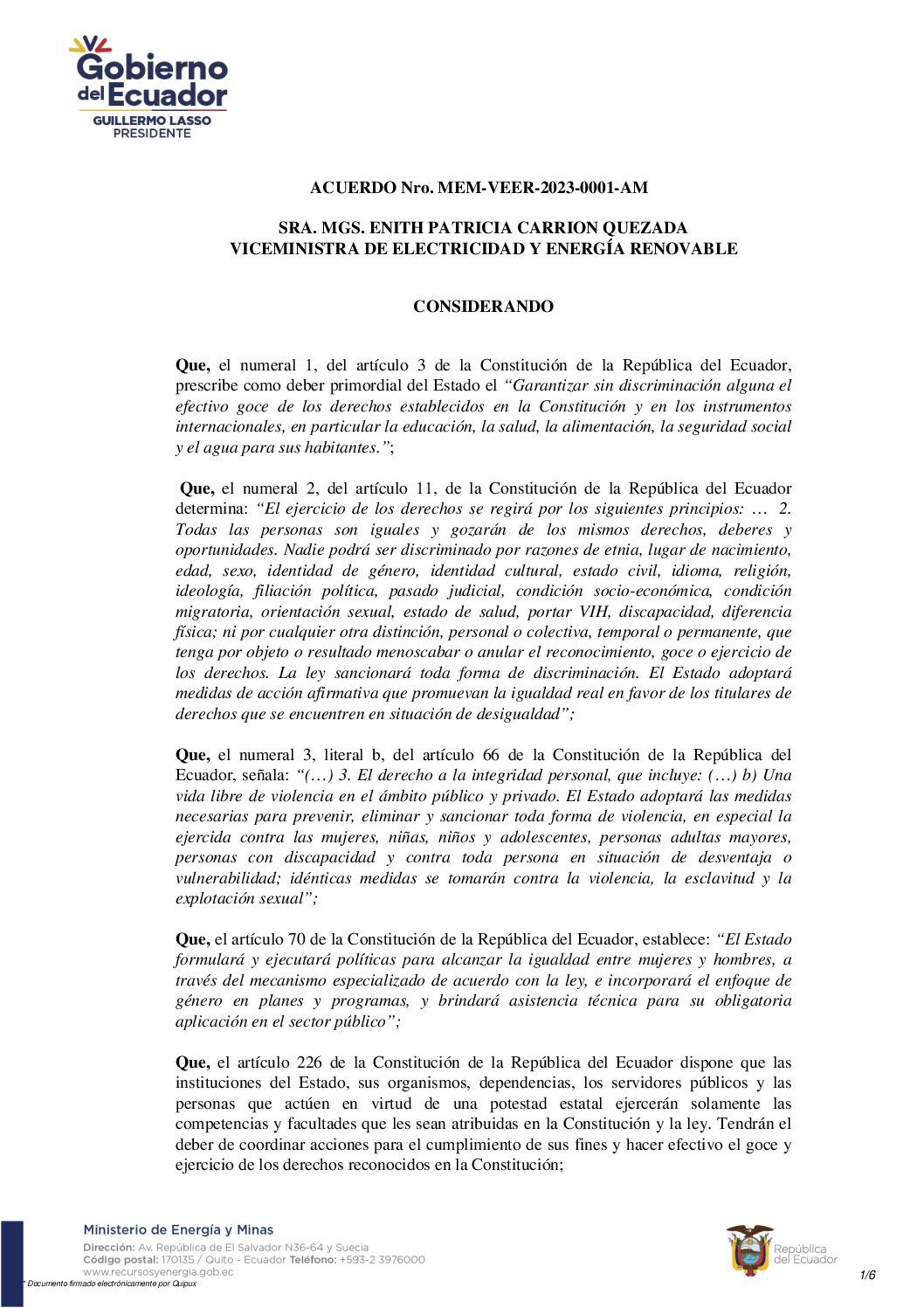
This is a good practice example of a ministerial agreement to promote the design and implementation of gender-inclusive strategies in the Ecuadorian energy sector.
This is a network of women in renewable energy in the Dominican Republic. It has published several reports and organises events on gender equality in the national energy sector.
This web page provides an overview of the energy sector of Madagascar, including data on the energy mix, energy use and emissions; and a policy overview.