
This resource guides trainers in conducting activities on greening TVET. It compiles content from various sources and offers practical strategies tailored for TVET leaders, managers, and instructors. The manual provides a step-by-step approach to help trainers, administrators, and academics lead TVET toward sustainability.
Desisining A CurriculUM or DACUM is a methodology used to analyse jobs and develop training programmes. This training-of-trainers resource guides trainers in planning, preparing, and implementing DACUM Facilitator Training sessions. It supports those involved in occupational analysis and curriculum development, aiming to standardize DACUM practices internationally and help participants become experts in the DACUM process.
This resource guides trainers in planning and delivering programmes on occupational analysis and curriculum development. It focuses on integrating green skills, greening TVET, entrepreneurship, IR 4.0, and 21st-century skills into TVET.
This resource offers a comparative analysis of existing green skills frameworks to support sustainable development through TVET. It includes two detailed matrices—one mapping green frameworks chronologically, and another summarizing empirical research on green skills relevant to green industries. The study highlights key concepts, models, and collaborations needed between TVET institutions and green sectors to develop […]
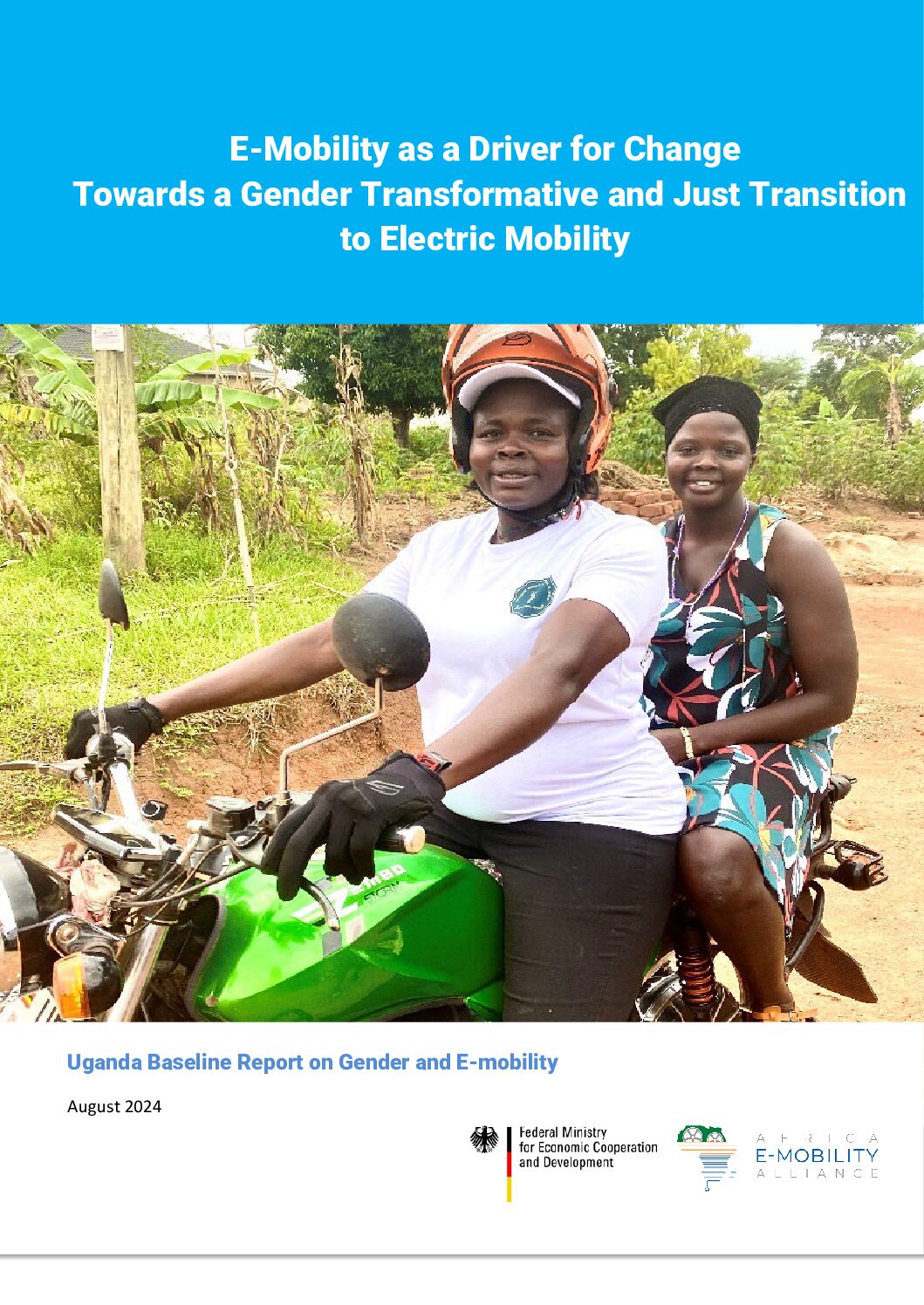
This baseline study outlines the current status of gender equality in the transport sector in Uganda, and identifies potential for the advancement of gender equality in transport while also advancing the e-mobility transition.
This report presents the Latinamerican Gender and Mobility Observatory and shares good practices in gender mainstreaming in transport from different Latin-American countries, including Bolivia and Guatemala.
This policy briefing aimsto improve understanding of the state of e-mobility in Uganda and how best to achieve the transition to low-pollution, low carbon and jobs-rich transportation.
This report analyses linkages in the water-energy-food-ecosystem nexus – essentially resource management trade-offs and synergies — in transboundary river basin settings. It draws on 36 nexus case studies from transboundary river basins in Europe, Asia, Africa and the Americas, providing lessons for transboundary management and cooperation.
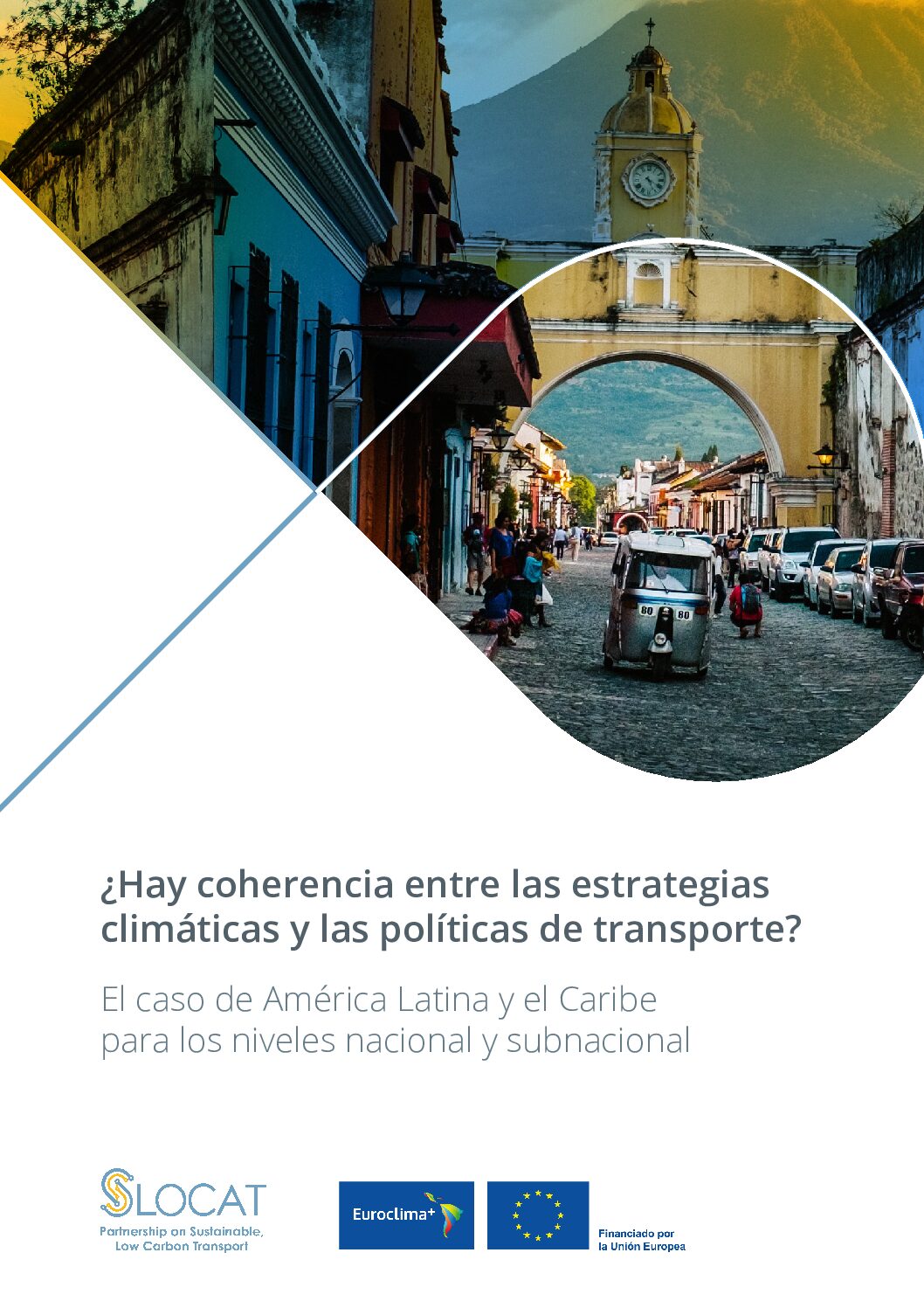
This report analyses the alignment between climate commitments made by countries in LAC and implementation through transport planning instruments at the national and subnational levels.
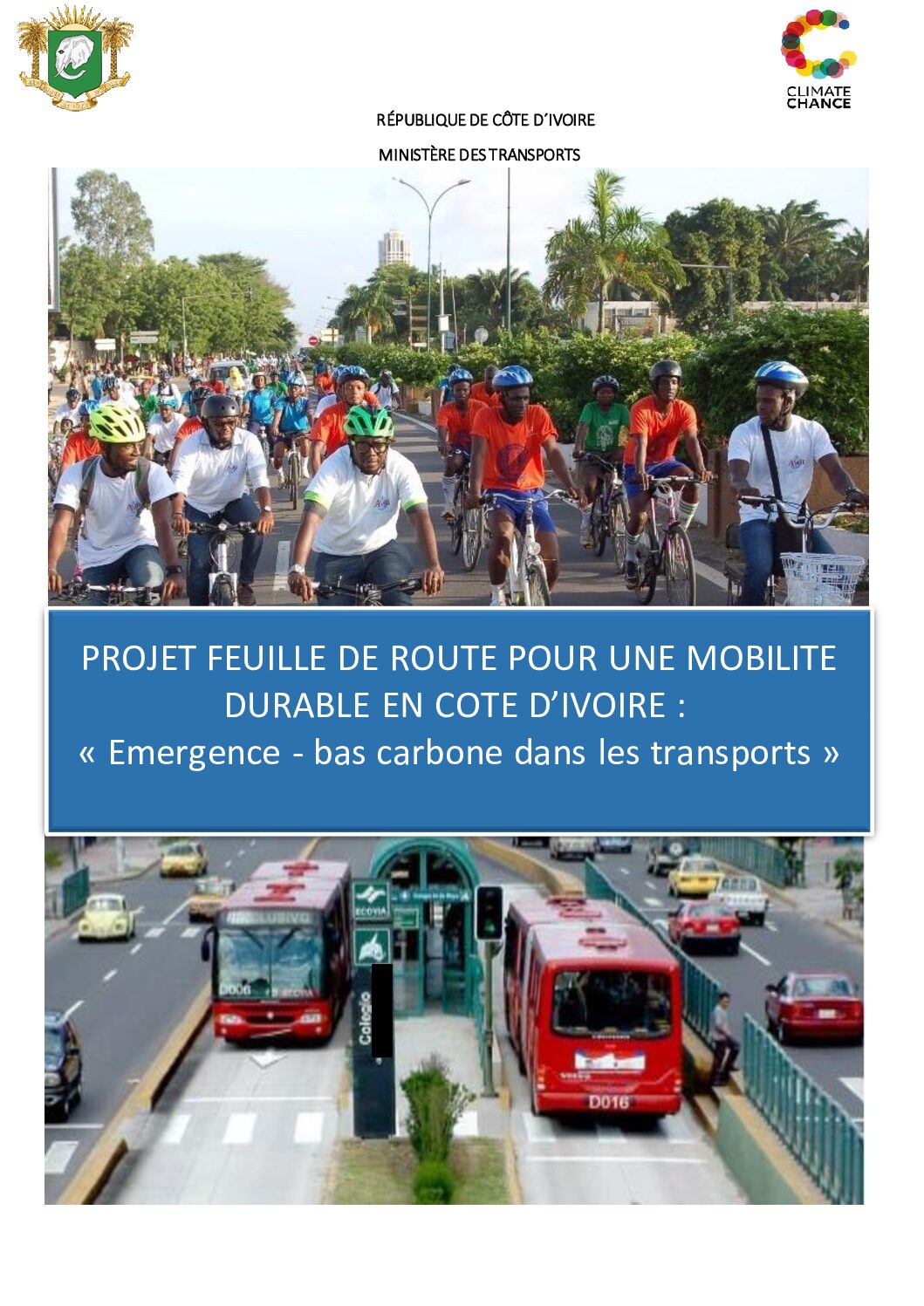
This roadmap provides a baseline overview of the Ivorian transport sector and presents opportunities and recommendatinos for the transition to sustainable transport.