
This webpage provides an introduction to smart grids, an overview of recent progress and recommendations for governments and utilities.
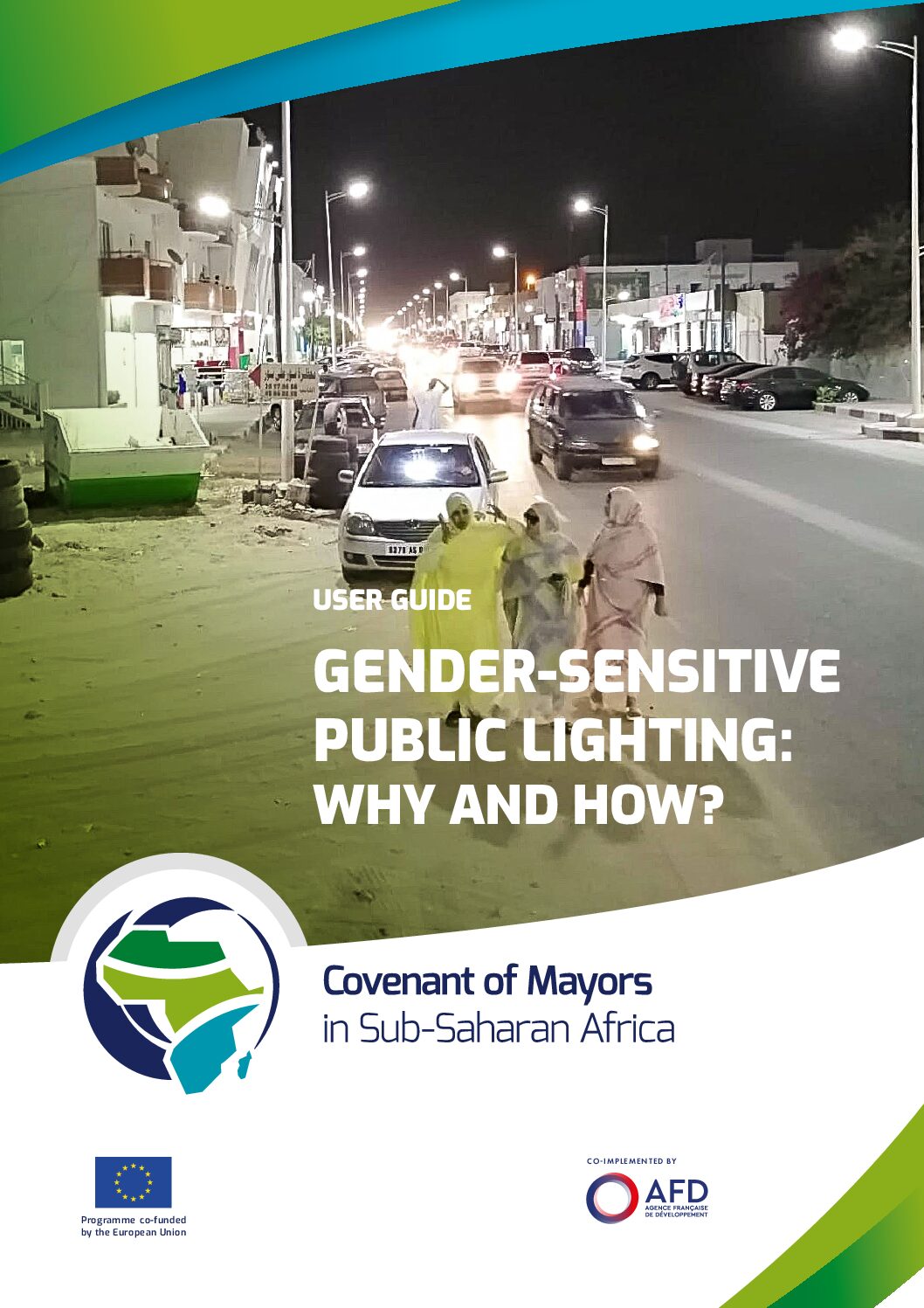
This guide by the Covenant of Mayors of Sub-Saharan Africa shows that urban planning tends to be gender blind, with the design of urban street lighting as a key example. It provides a manual, aimed at African cities, on how to develop gender-responsive public lighting projects. English: https://comssa.org/download/rxeWs6zcOXbTl8qRidGZ9nCB7EFAI4Pa/Gender-sensitive-public-lighting.pdf French: https://comssa.org/download/U3kjdTBHqV6FGKfoI71EgLY2wZrSvtz8/Eclairage-public-sensible-au-genre.pdf
These two blogs (available in English and Spanish) explain why you should undertake stakeholder mapping, how to go about it, and how to engage the stakeholders you have identified.
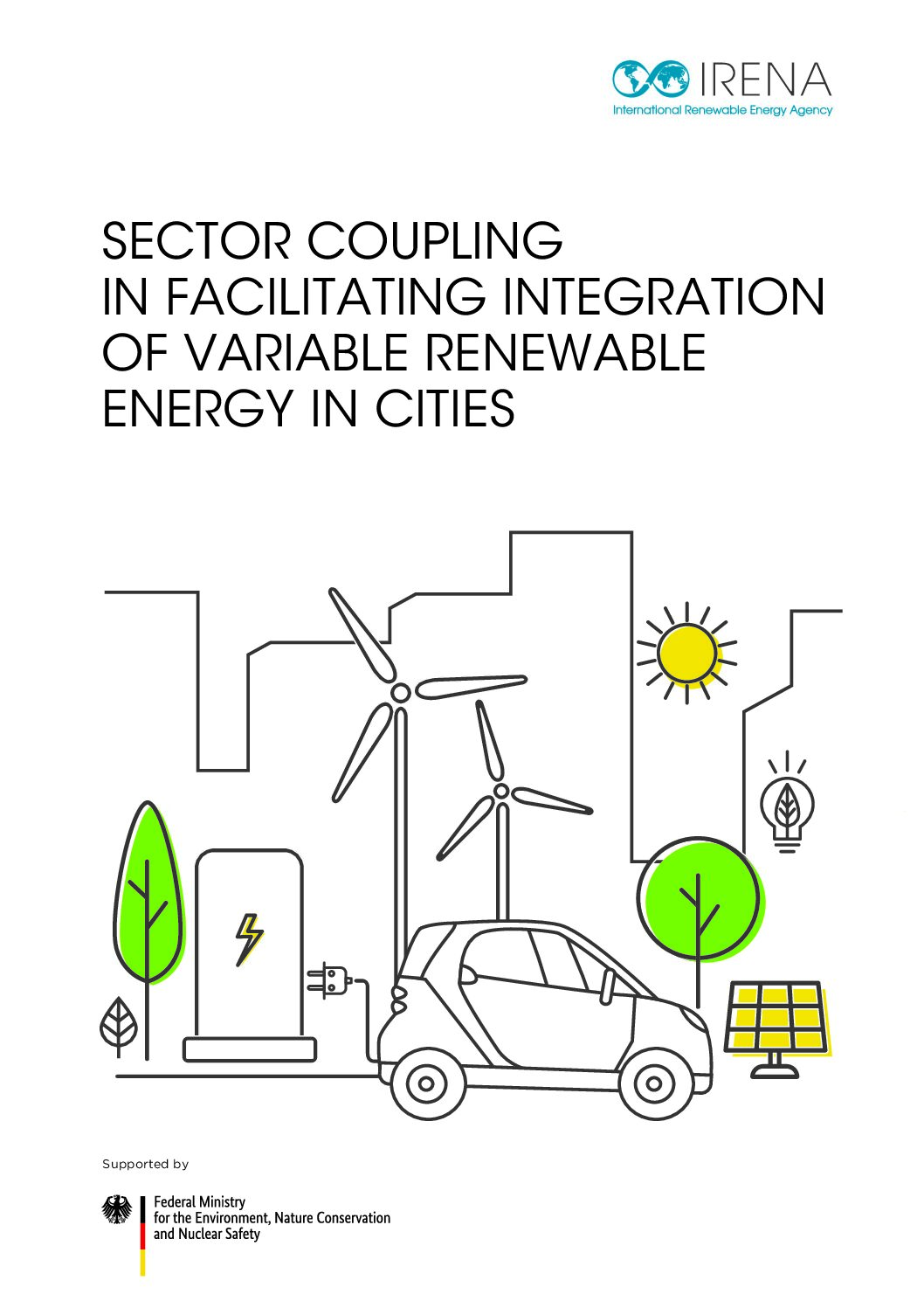
This report highlights the importance of sector coupling as a key source of flexibility that cities can explore to stabilise power grid operations when integrating high shares of variable renewable energy sources. It presents a range of sector coupling opportunities available for use in cities, including self-consumption of variable RE sources, the role of thermal … Continue reading “Sector Coupling in Facilitating Integration of Variable Renewable Energy in Cities”
This slide deck provides a quick overview of the required steps in developing a concept for a renewable energy project.

This slide deck provides a quick overview of tips to enhance the chance of success of grant proposals for renewable energy and energy efficiency projects.
This report highlights the economic, social and environmental benefits that energy and transport sector-coupling and a transition towards EV- and RE-based, efficient systems can create in small island settings, and provides tools for the planning of such a transition.
This roadmap analyses the drivers of the digital transformation of the energy sector in Latin America and the Caribbean, identifies lessons learned and provides recommendations.
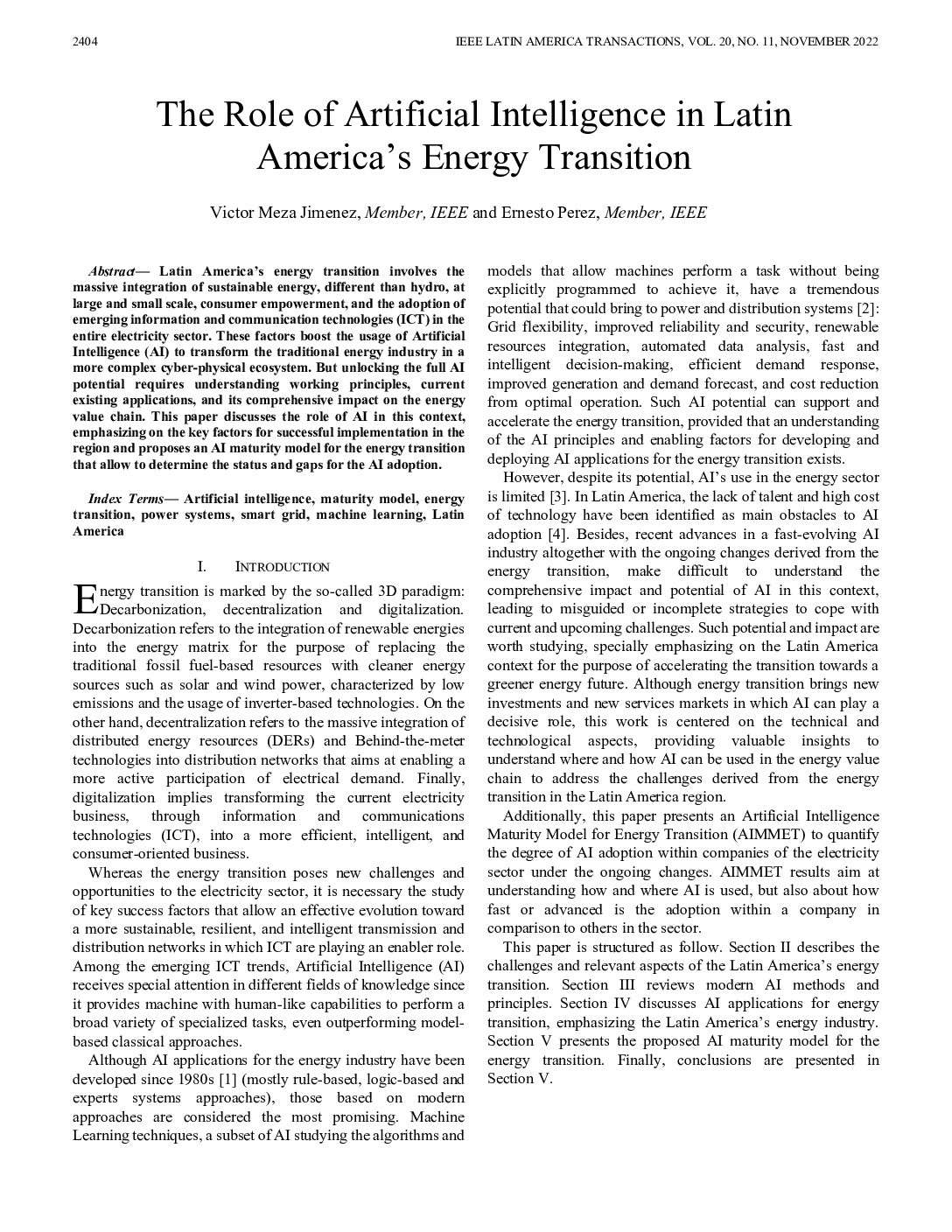
This paper discusses the role of AI in the energy transition in Latin America, identifies key factors for successful implementation in the region and proposes an AI maturity model for the energy transition that allows stakeholders to assess the status and gaps for the AI adoption.