
This webpage provides an introduction to smart grids, an overview of recent progress and recommendations for governments and utilities.
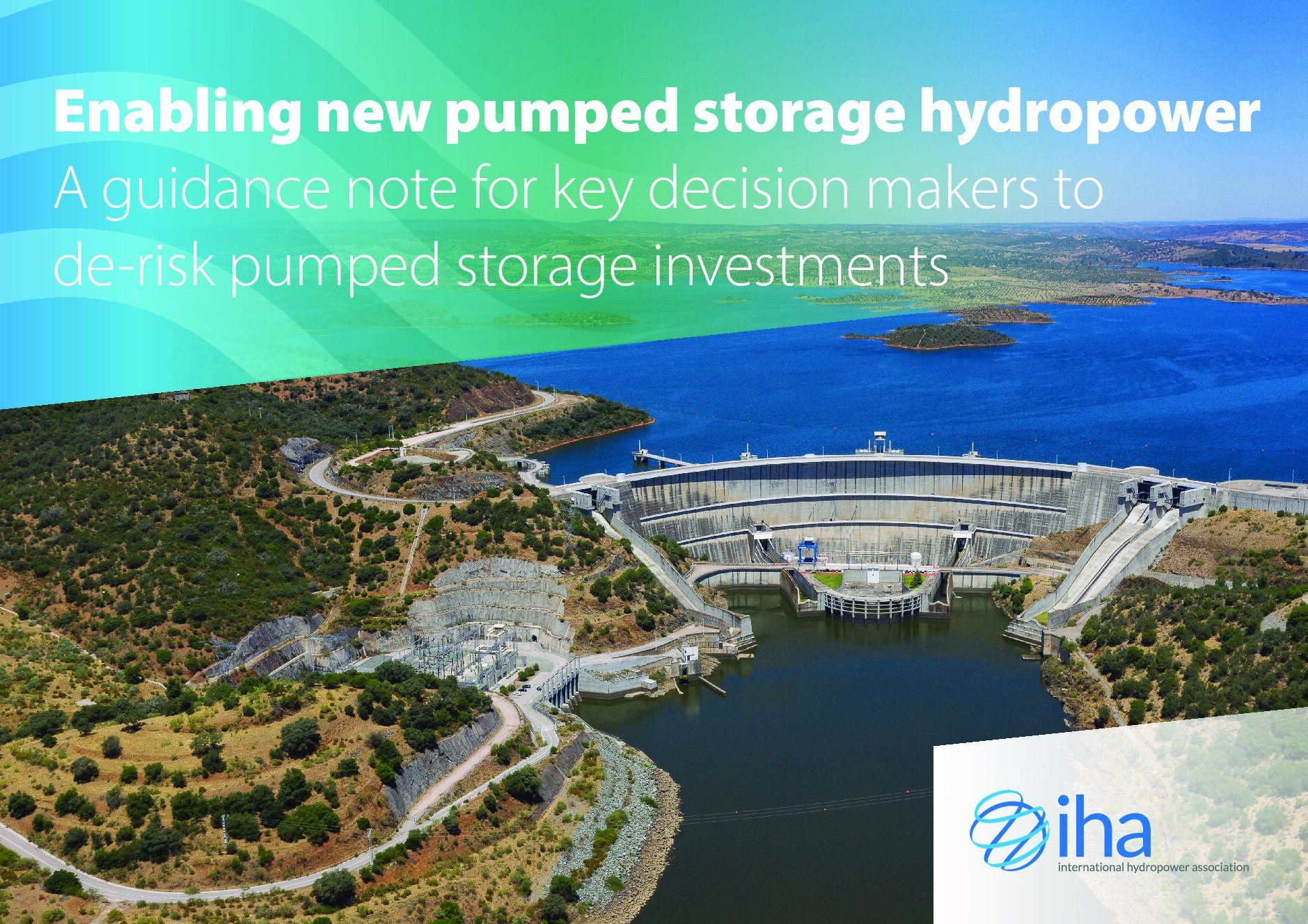
This guidance note outlines the advantages and risks of pumped storage hydropower projects, and provides advice for how projects can be structured and funded.
These two blogs (available in English and Spanish) explain why you should undertake stakeholder mapping, how to go about it, and how to engage the stakeholders you have identified.
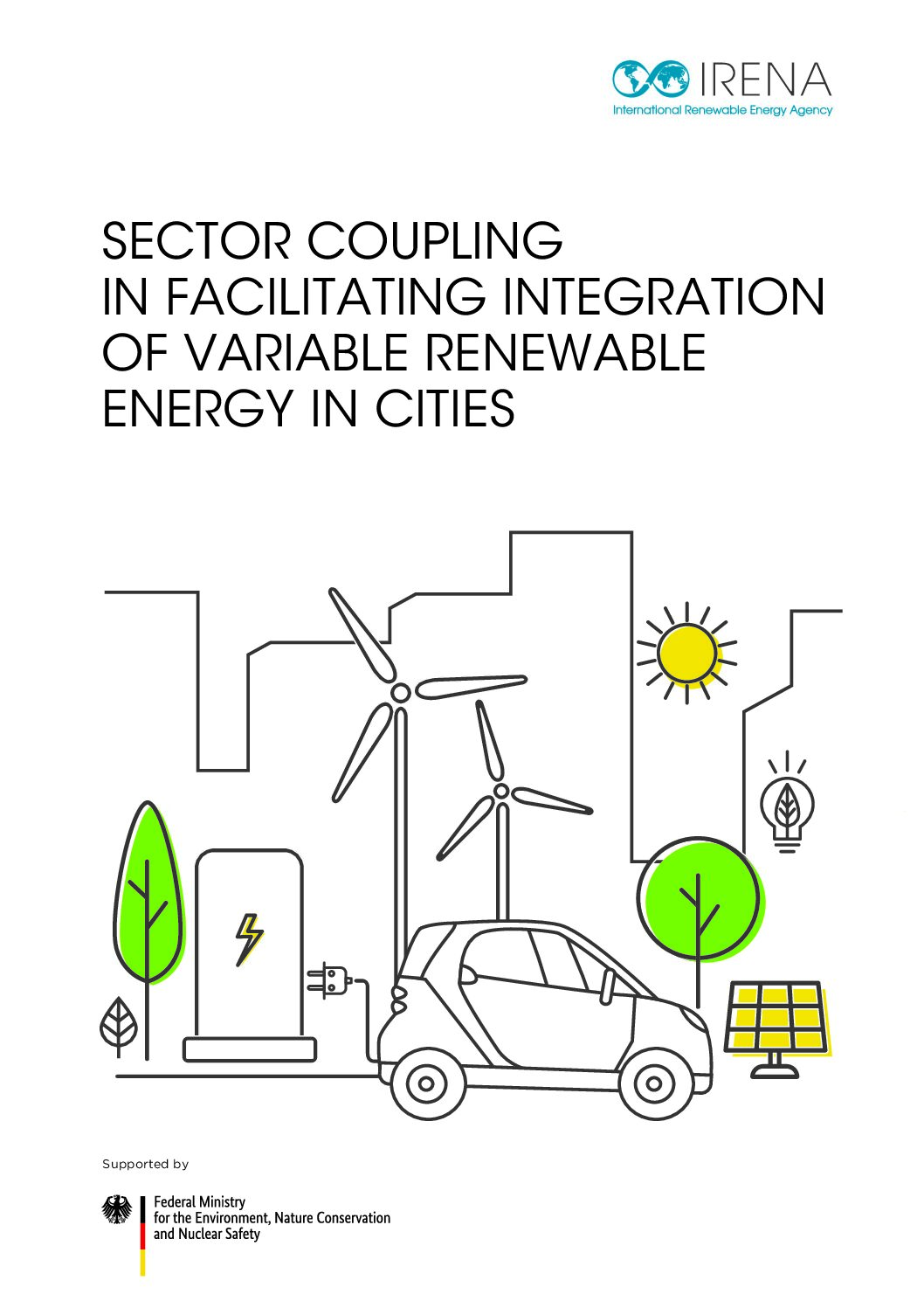
This report highlights the importance of sector coupling as a key source of flexibility that cities can explore to stabilise power grid operations when integrating high shares of variable renewable energy sources. It presents a range of sector coupling opportunities available for use in cities, including self-consumption of variable RE sources, the role of thermal … Continue reading “Sector Coupling in Facilitating Integration of Variable Renewable Energy in Cities”
This slide deck provides a quick overview of the required steps in developing a concept for a renewable energy project.
This slide deck provides a quick overview of tips to enhance the chance of success of grant proposals for renewable energy and energy efficiency projects.
This report highlights the economic, social and environmental benefits that energy and transport sector-coupling and a transition towards EV- and RE-based, efficient systems can create in small island settings, and provides tools for the planning of such a transition.
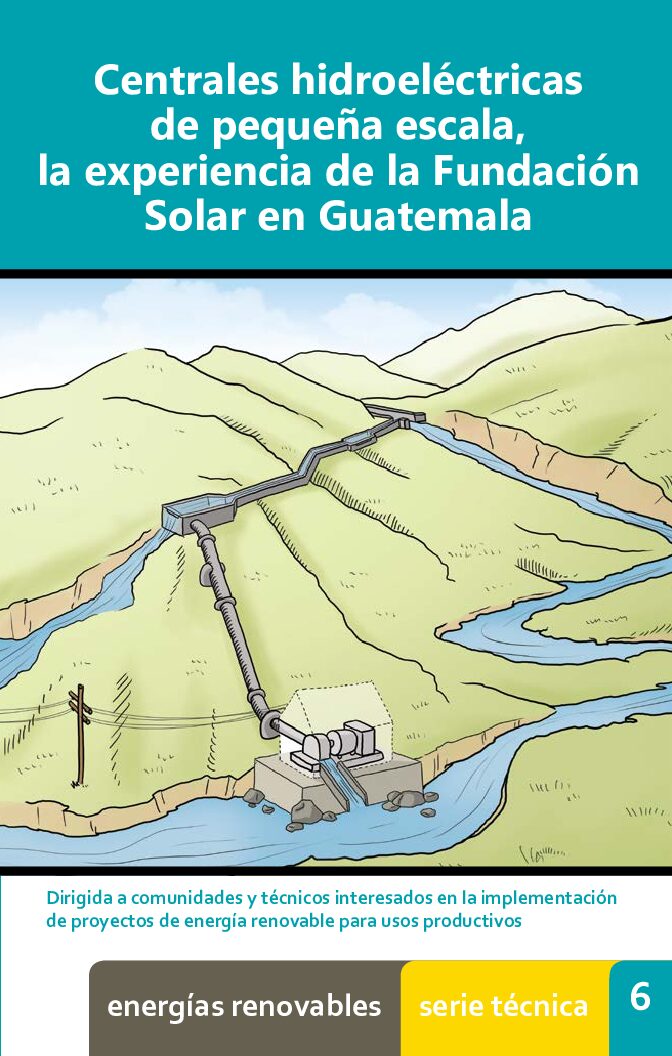
This report presents the lessons learned from a series of small hydropower projects in Guatemala, implemented by the Fundación Solar.
This article describes the origins and provides examples of community-owned small hydropower projects in Guatemala.
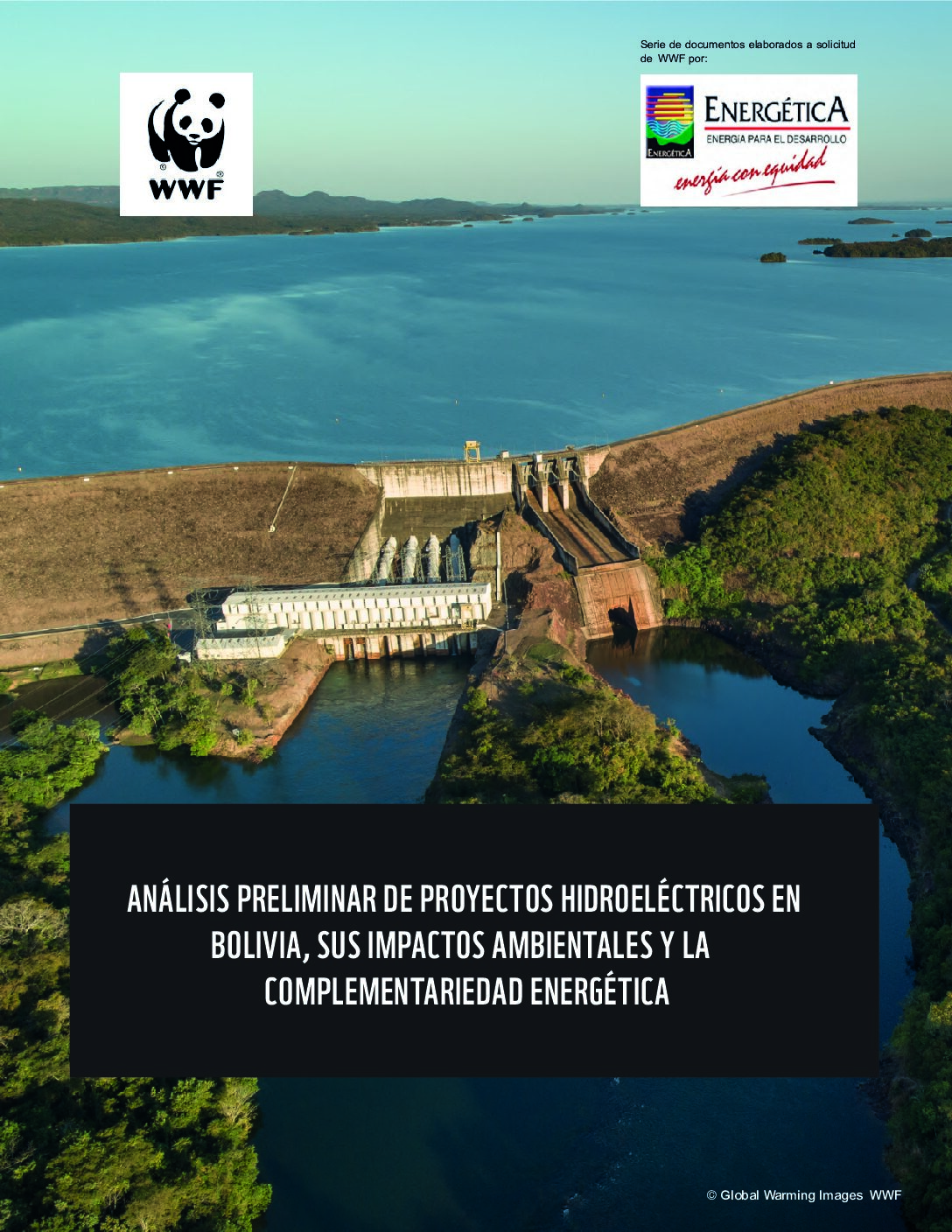
This document conducts an initial assessment of the environmental impacts of hydroelectric projects in ENDE’s portfolio and identifies the need for energy complementarity with other renewable sources.