
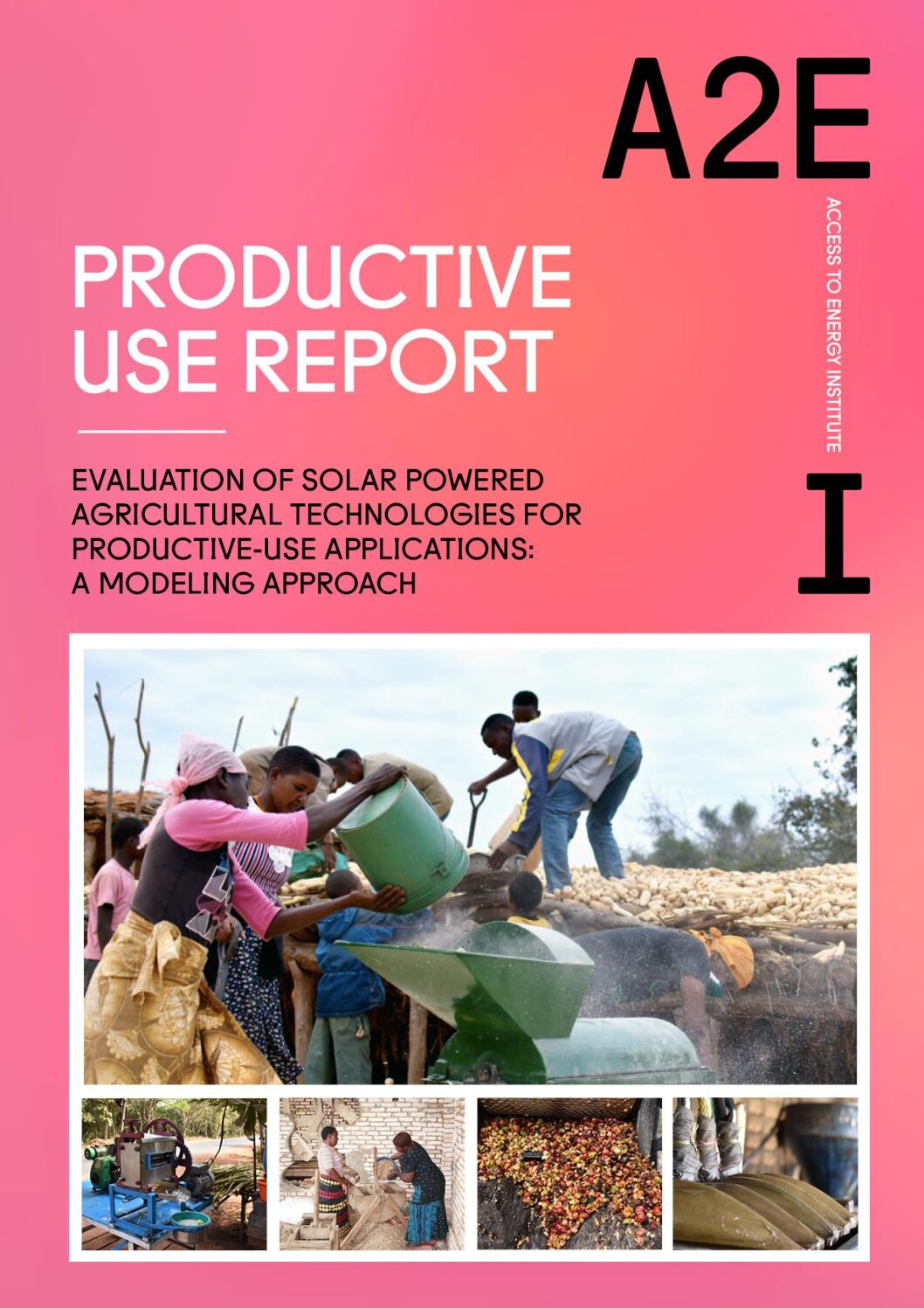
This report uses economic modelling to investigate the viability of ten different productive use applications of solar power in agriculture (oil extraction, maize shelling, rice hulling, fruit juice making, sugar cane juicing, fruit drying, flour milling, peanut shelling and coffee pulping). It investigates each technology in detail and then calculates the profits and other benefits … Continue reading “Productive Use Report – Evaluation of solar-powered agricultural technologies for productive-use applications: A modelling approach”
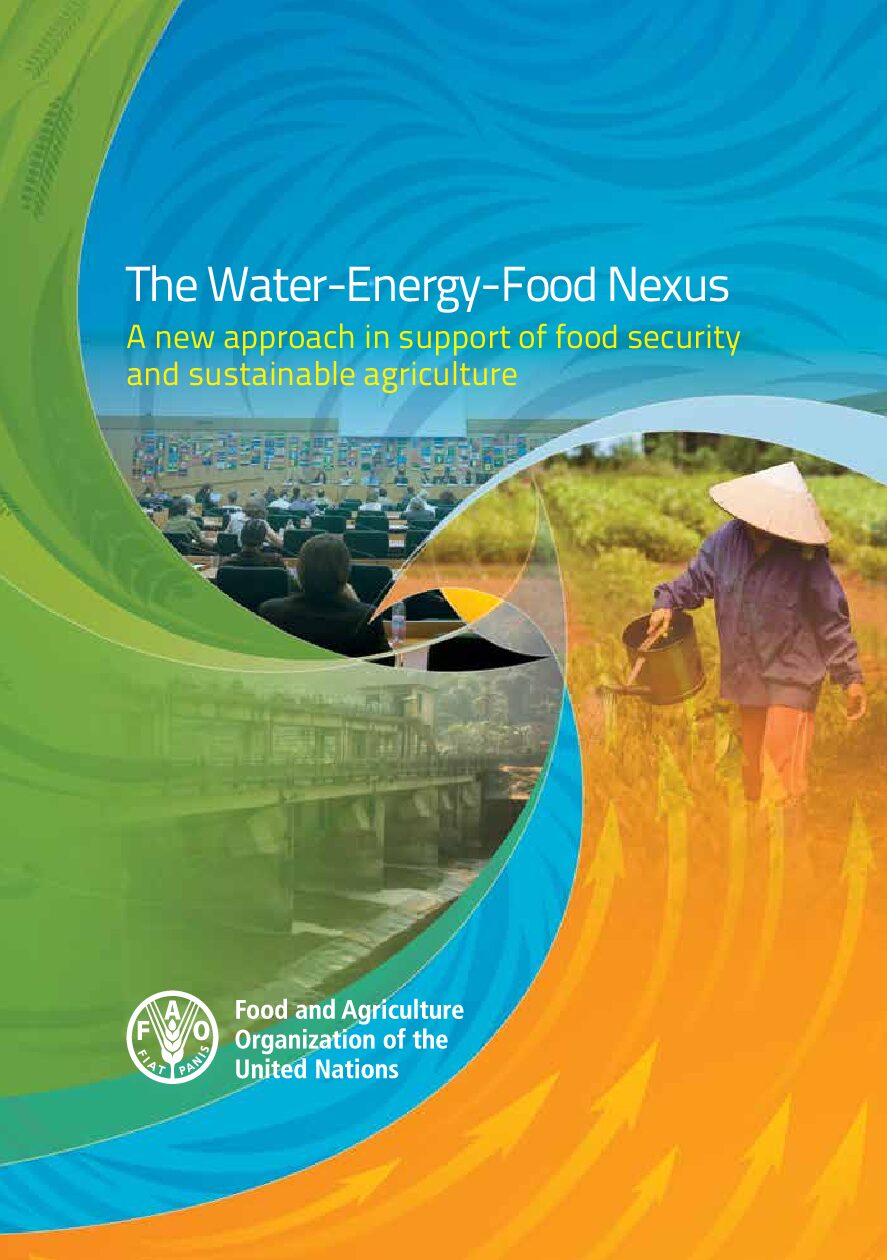
This brief report introduces the concept of the WEF nexus and explains how the FAO has applied the nexus approach in its work, with many case study examples.
This report assesses the effectiveness of women in energy networks worldwide and offers best practices and recommendations for networks under development or those aiming to enhance their impact.
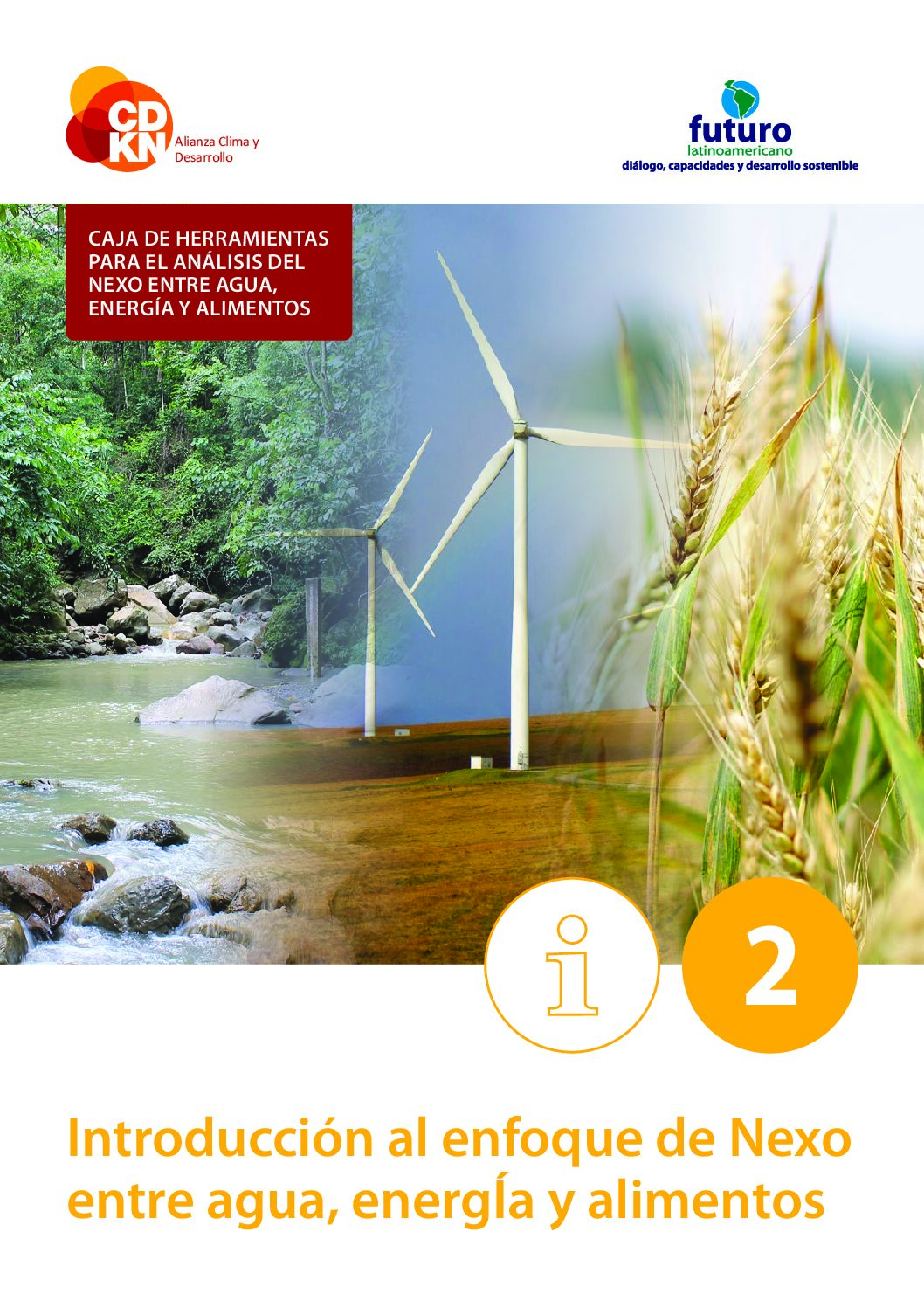
This toolkit presents a glossary and a list of useful resources on the water-energy-food nexus.
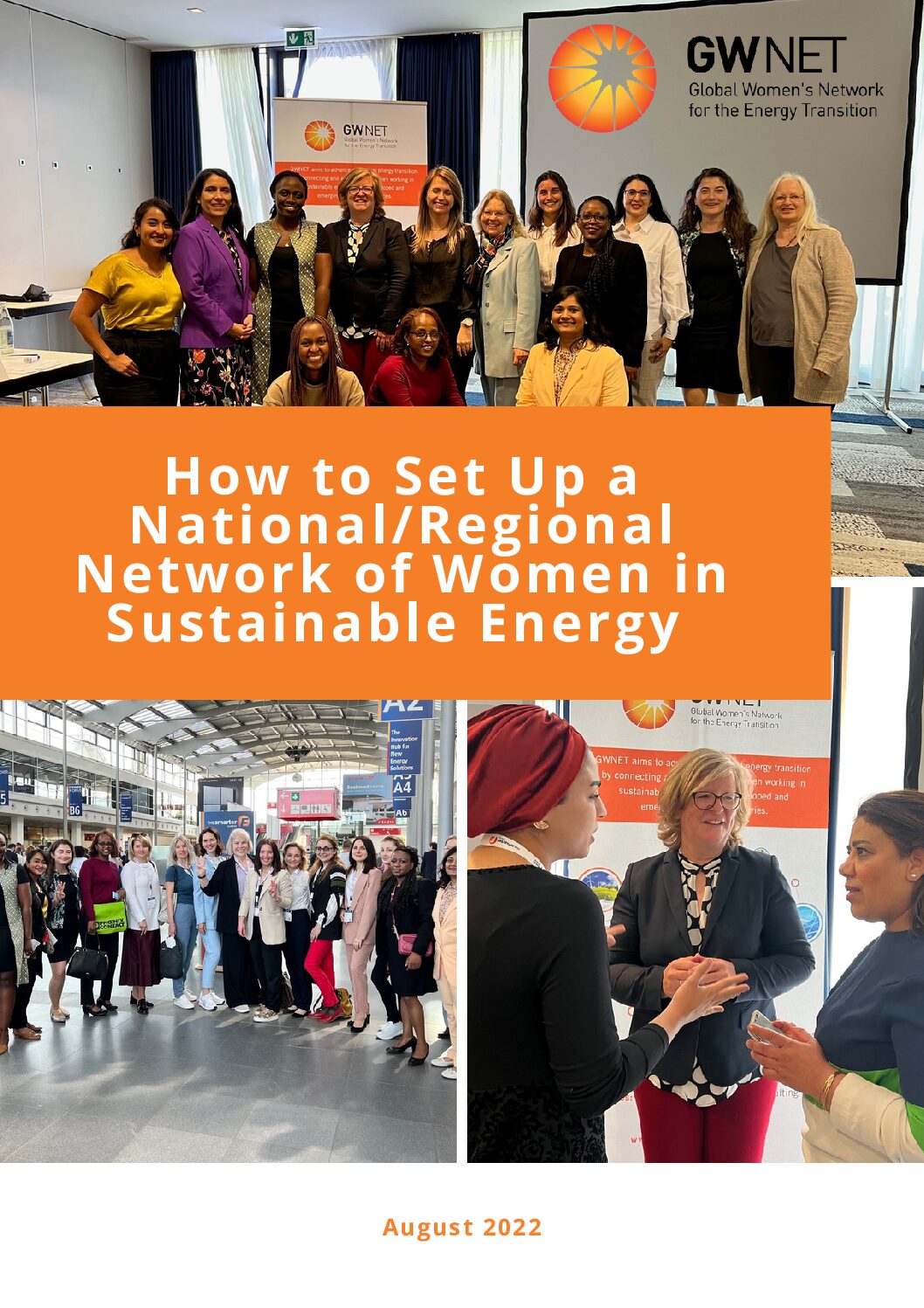
This guide provides principles and step-by-step instructions for the establishment of regional/national networks for women working in energy
Institutions all over the world are setting up microcredentials in responses to calls from governments and industry: short courses, usually offered online by accredited institutions, with an emphasis on the needs of the workplace. They are also often used for retraining and upskilling. This book explains how to start offering microcredentials as an academic institution.
This guide aims to accelerate the flexibility and responsiveness of learning systems by providing guidance on the design, issue and recognition of micro-credentials.
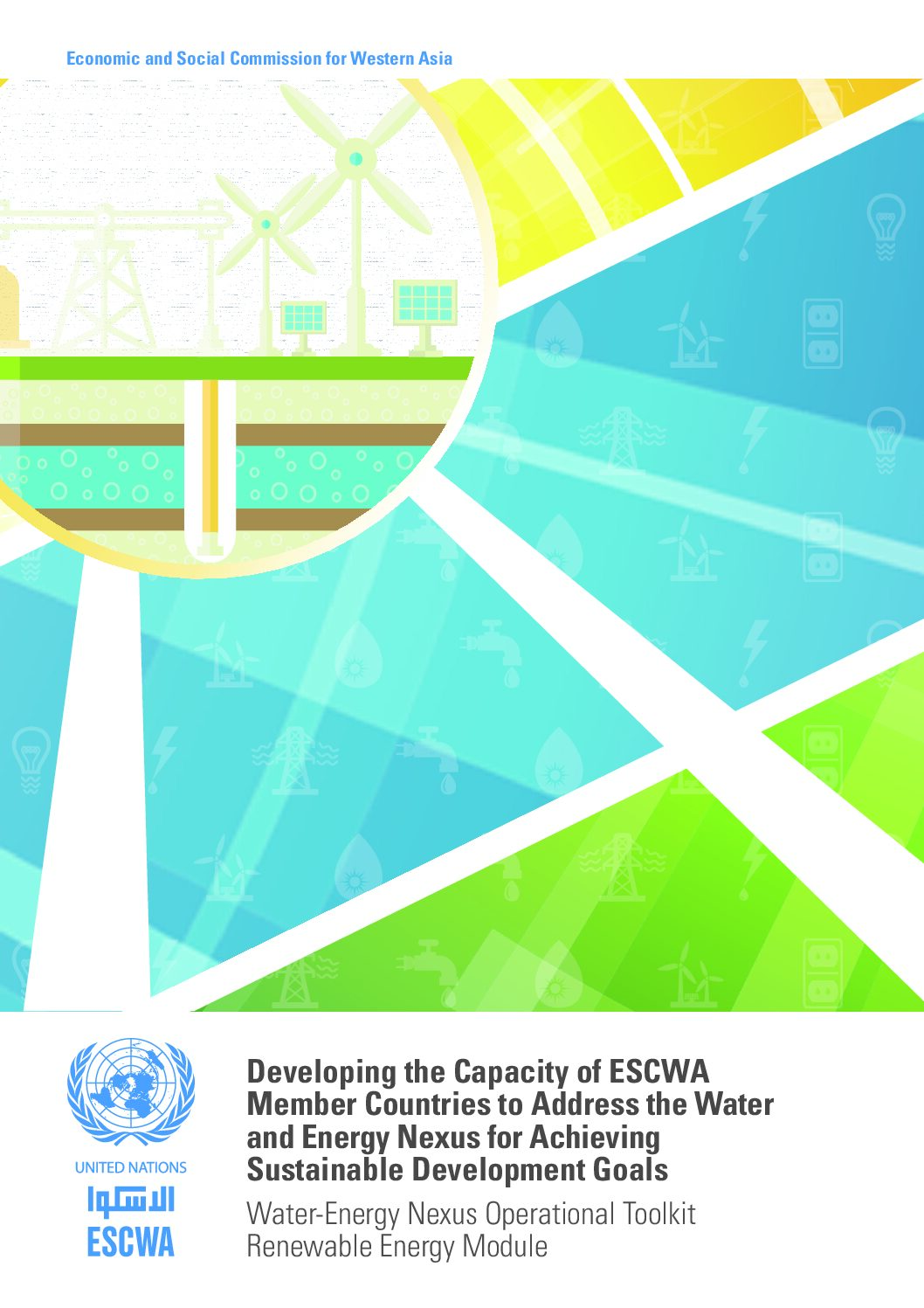
This is a training module on the nexus between renewable energy and water management.
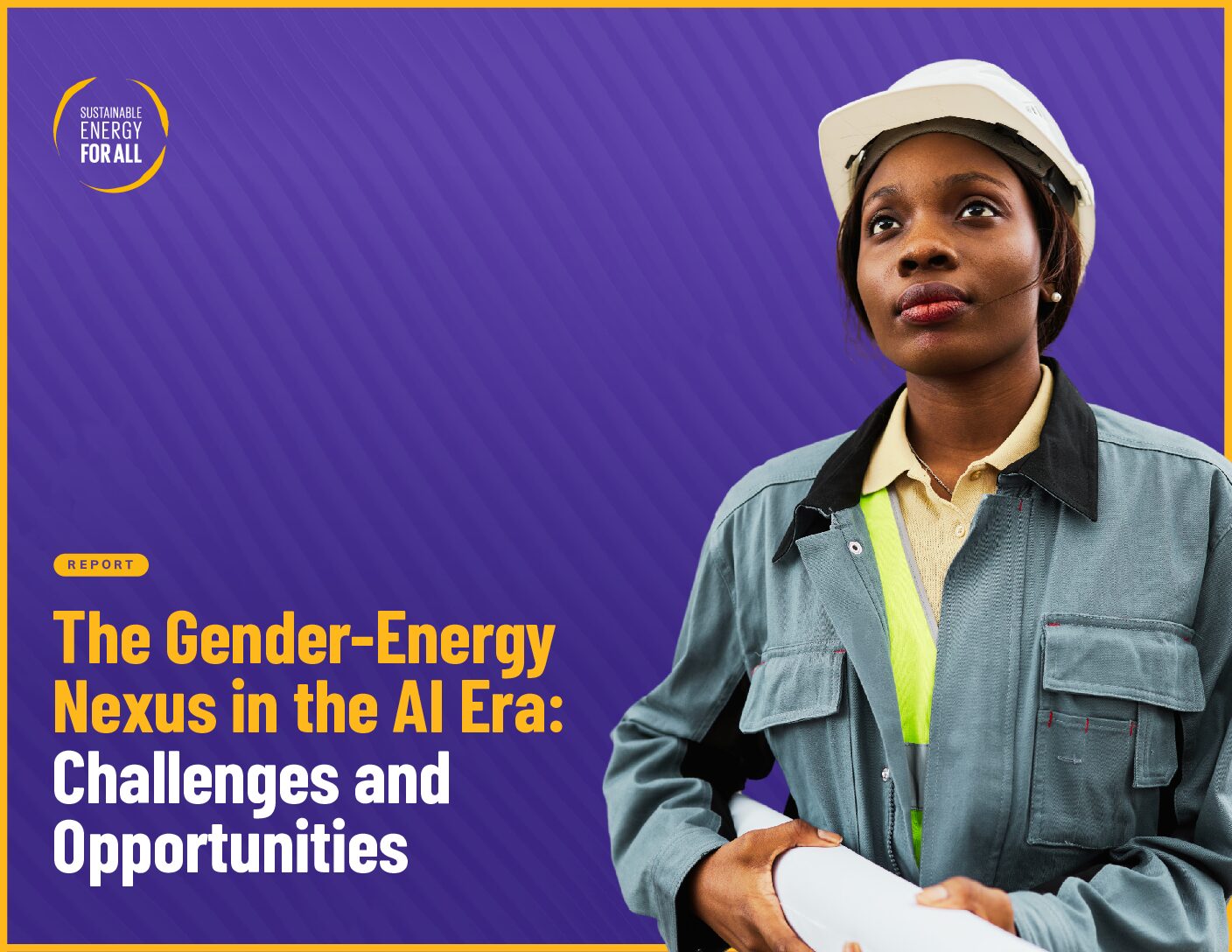
This report explores the critical intersections of AI development, gender equality and energy transitions, emphasizing how AI applications can advance a sustainable, equitable and just energy transition.
The Breakthrough Agenda Report 2023 is an annual collaboration between the International Energy Agency (IEA), the International Renewable Energy Agency (IRENA) and the United Nations Climate Change High-Level Champions. It takes stock of emissions reductions in key energy subsectors and focuses on supporting stronger international collaboration to drive faster reductions in global greenhouse gas emissions.