
The average lifespan of a building is 50 years, so the design of buildings that are constructed now will have an effect on energy consumption in our cities until well into the 2070s. This article presents the most effective options for cities to set mandatory minimum energy performance standards for buildings, to prevent locking in … Continue reading “How to set energy efficiency requirements for new buildings”
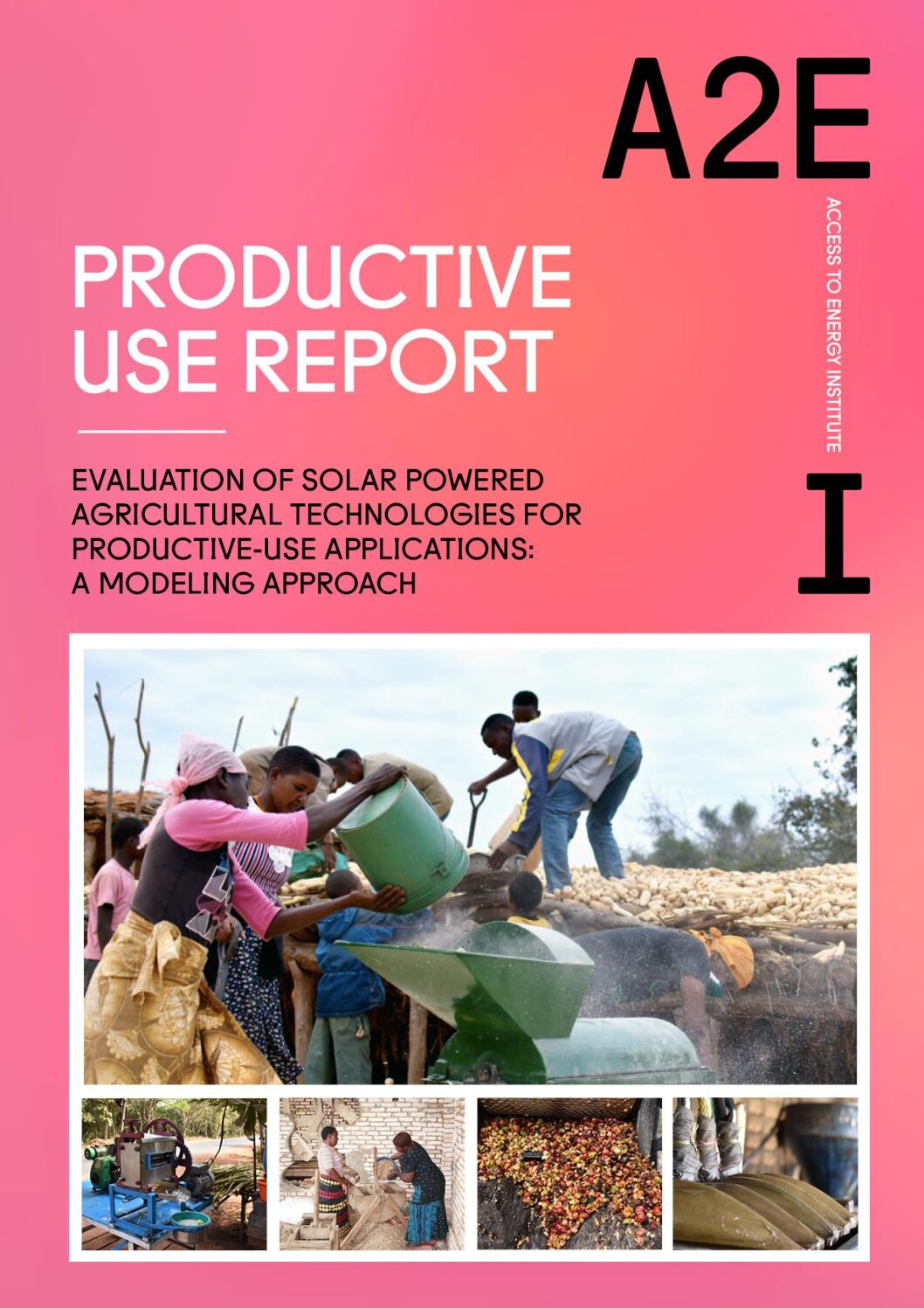
This report uses economic modelling to investigate the viability of ten different productive use applications of solar power in agriculture (oil extraction, maize shelling, rice hulling, fruit juice making, sugar cane juicing, fruit drying, flour milling, peanut shelling and coffee pulping). It investigates each technology in detail and then calculates the profits and other benefits … Continue reading “Productive Use Report – Evaluation of solar-powered agricultural technologies for productive-use applications: A modelling approach”
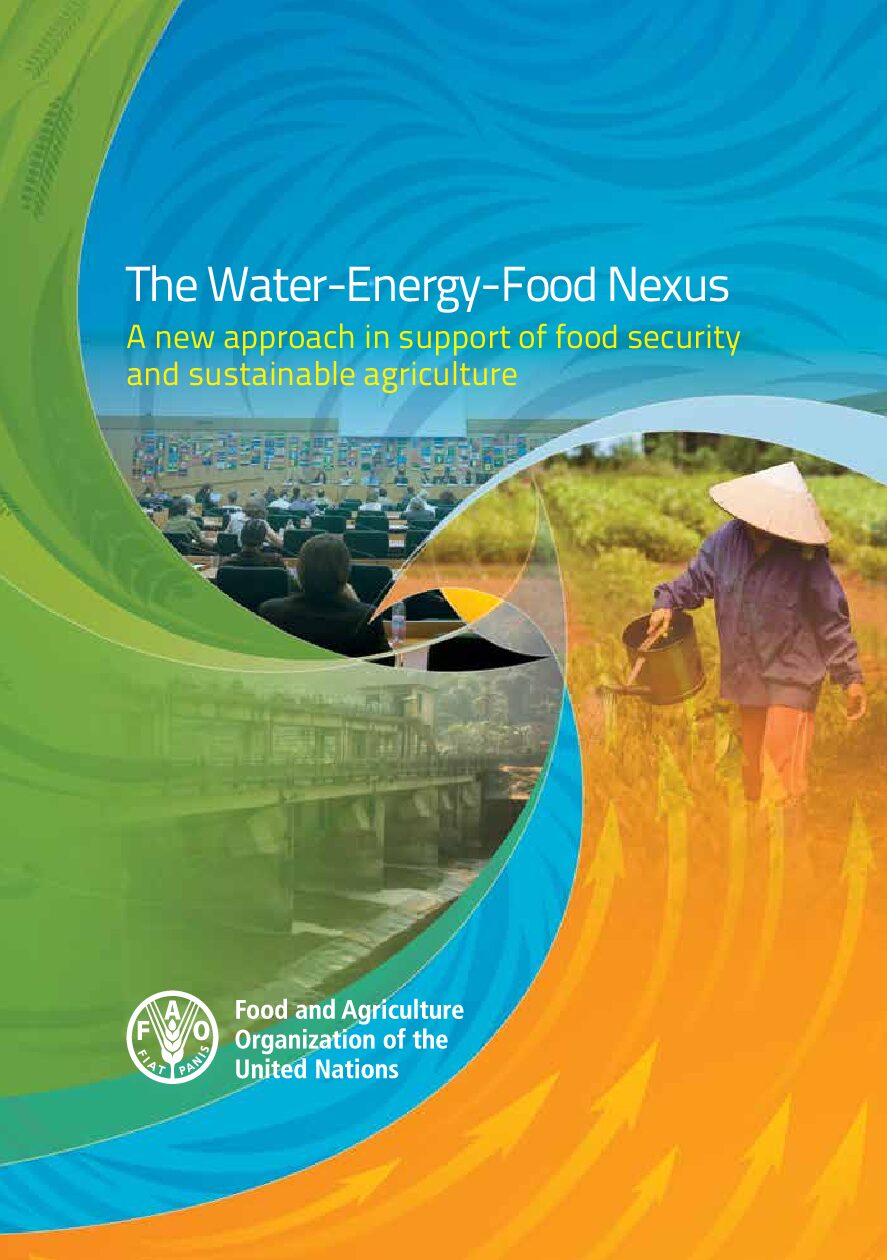
This brief report introduces the concept of the WEF nexus and explains how the FAO has applied the nexus approach in its work, with many case study examples.

This brochure provides step-by-step instructions for walk-through energy audits, focusing on heating, lighting, and bills and meter readings in offices and factories or warehouses.
This report by the Global Energy Transitions Commission presents a complete picture of global building sector emissions and describes pathways to decarbonisation for both existing buildings and new construction.
This webpage provides an introduction to smart grids, an overview of recent progress and recommendations for governments and utilities.
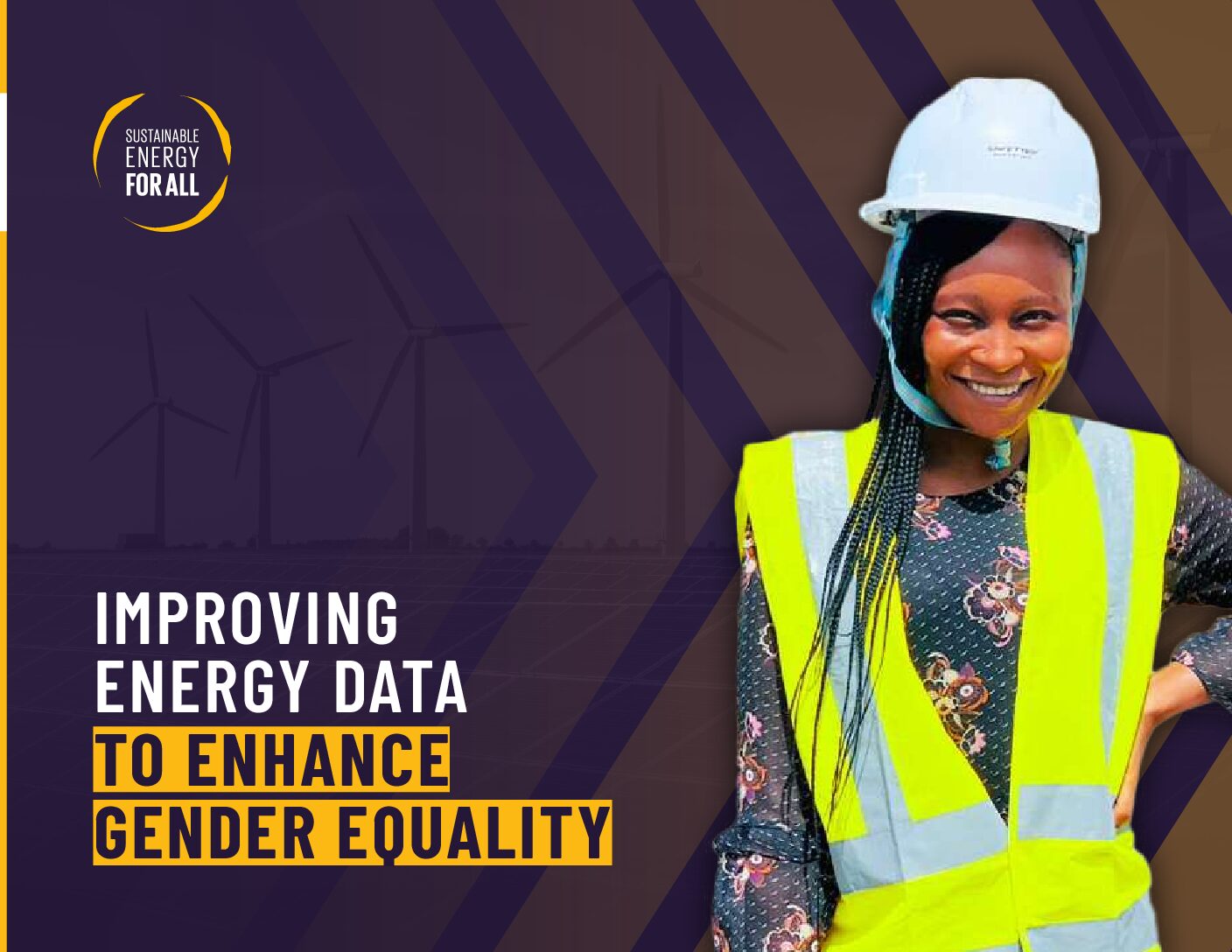
This report provides recommendations for improving the availability of sex-disaggregated and specific gender equality data in the energy sector, to improve decision making and programme design.
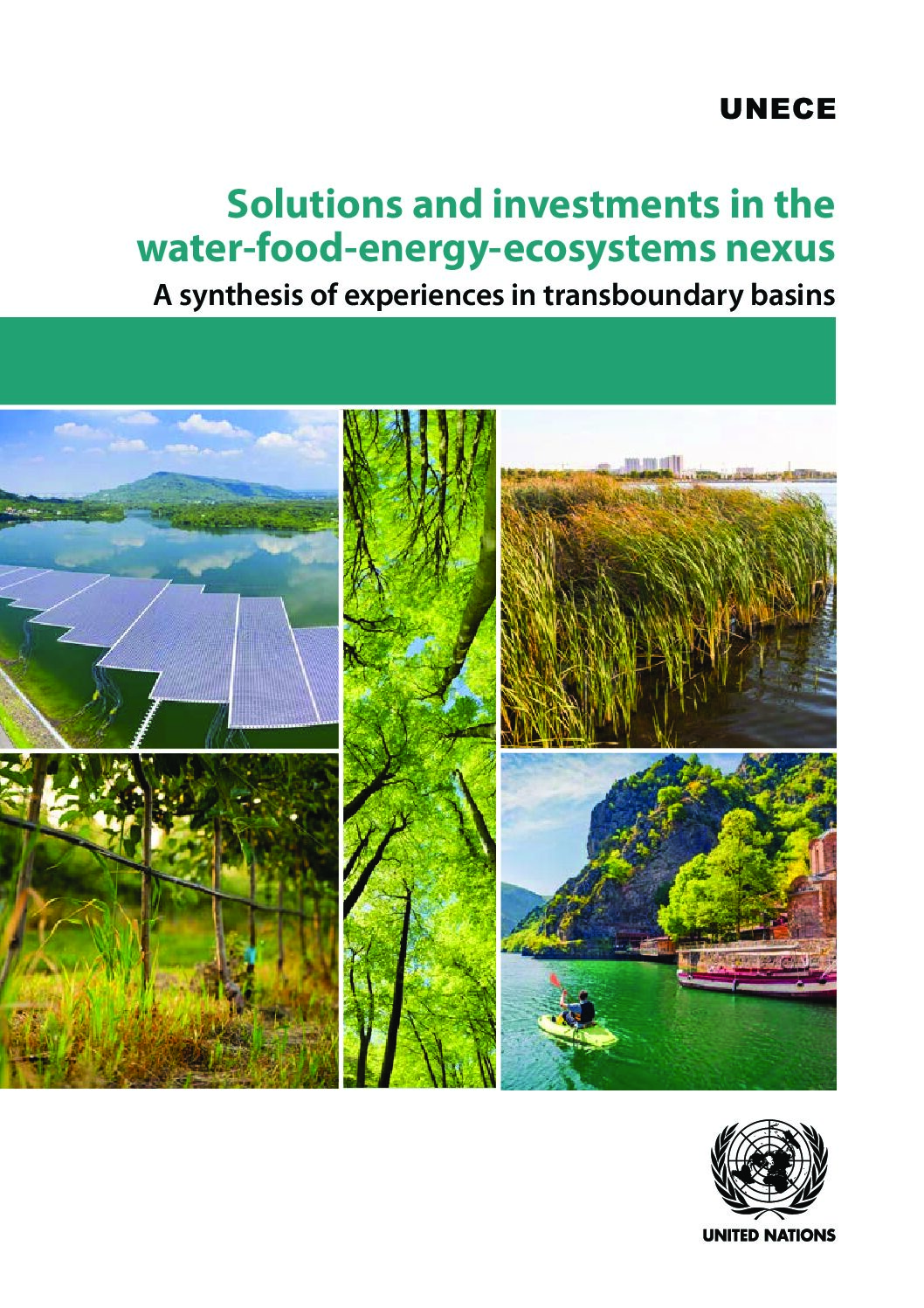
This report analyses linkages in the water-energy-food-ecosystem nexus – essentially resource management trade-offs and synergies — in transboundary river basin settings. It draws on 36 nexus case studies from transboundary river basins in Europe, Asia, Africa and the Americas, providing lessons for transboundary management and cooperation.
This toolkit presents a glossary and a list of useful resources on the water-energy-food nexus.
This report provides an overview of the water-energy-food nexus in Latin America and the Caribbean (LAC), identifying the main challenges and opportunities for achieving water, energy and food security in the region.