
This toolkit serves as a one-stop-shop to support local and regional governments to identify, design and implement renewable energy projects in public-private partnerships. It provides practical advice on: 1) the decision-making process that leads to establishment of a PPP 2) division of tasks, goals and risk management between the partners engaged in the PPP, as … Continue reading “Unlocking Public-Private Partnerships: A Toolkit for Local Governments”
This report by the C40 Cities Climate Leadership Group provides an overview of actions city governments can take to develop an enabling environment for the expansion of EV charging infrastructure, including by working with the private sector and attracting outside investment.
This webpage provides an introduction to smart grids, an overview of recent progress and recommendations for governments and utilities.
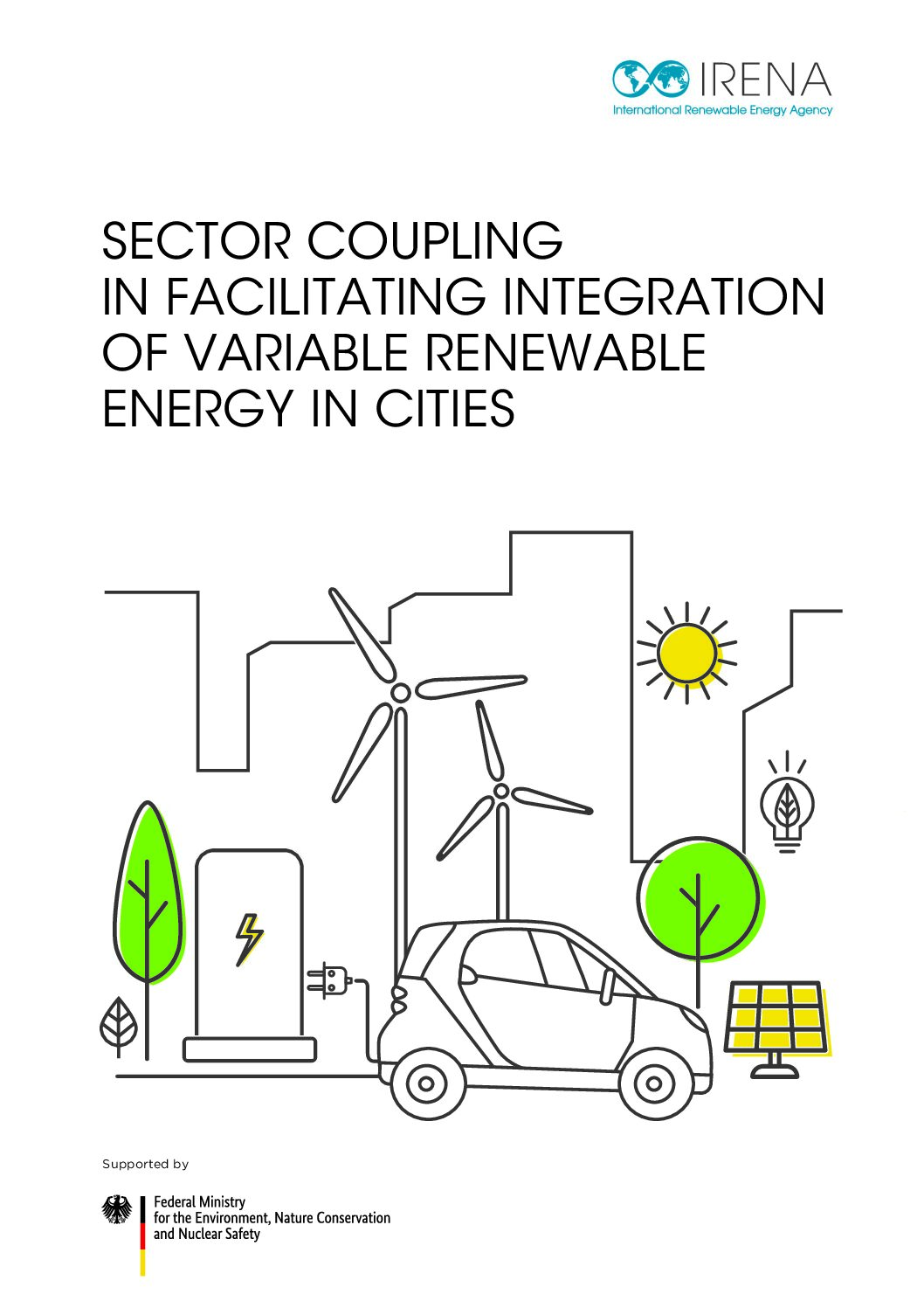
This report highlights the importance of sector coupling as a key source of flexibility that cities can explore to stabilise power grid operations when integrating high shares of variable renewable energy sources. It presents a range of sector coupling opportunities available for use in cities, including self-consumption of variable RE sources, the role of thermal … Continue reading “Sector Coupling in Facilitating Integration of Variable Renewable Energy in Cities”
This publication aims to provide city managers, urban planners and other stakeholders with an overview of key aspects of electric mobility and an outline of the core principles that can guide them in developing their strategies to increase its uptake.
This action plan, developed with support from ECREEE, lays out the bioenergy strategy of Côte d’Ivoire for 2021-2030. It includes an extensive background and context section, as well as strategic priorities and measures to promote these.
This brief presents the regulatory framework and country context for waste-to-energy projects in Côte d’Ivoire.
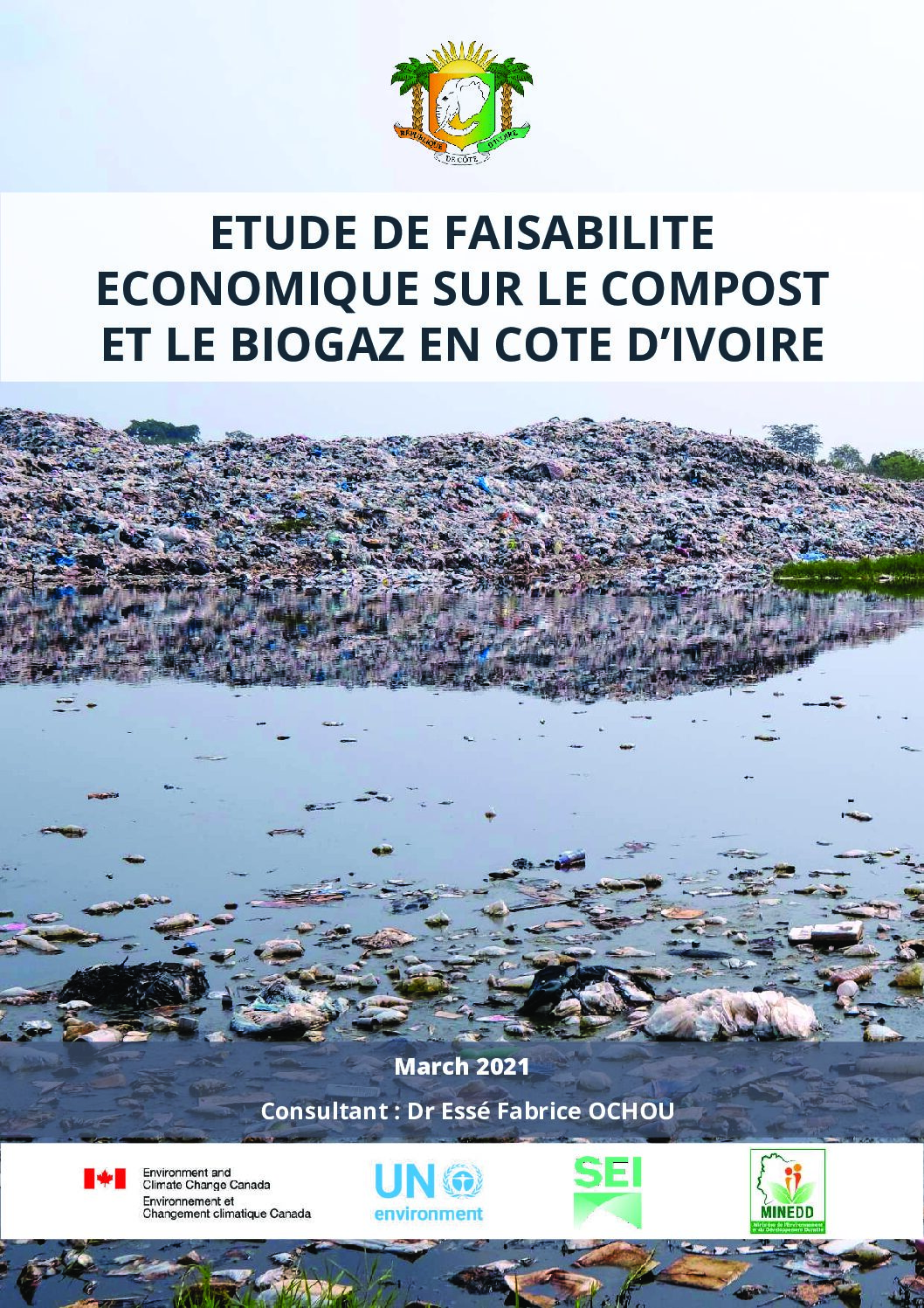
This feasibility study describes the institutional framework for waste management in Côte d’Ivoire, presents a baseline on compost and biogas value chains, and provides a feasibility assessment based on economic models.