
The average lifespan of a building is 50 years, so the design of buildings that are constructed now will have an effect on energy consumption in our cities until well into the 2070s. This article presents the most effective options for cities to set mandatory minimum energy performance standards for buildings, to prevent locking in … Continue reading “How to set energy efficiency requirements for new buildings”

This brochure provides step-by-step instructions for walk-through energy audits, focusing on heating, lighting, and bills and meter readings in offices and factories or warehouses.
This report by the Global Energy Transitions Commission presents a complete picture of global building sector emissions and describes pathways to decarbonisation for both existing buildings and new construction.
This webpage provides an introduction to smart grids, an overview of recent progress and recommendations for governments and utilities.

This report provides recommendations for improving the availability of sex-disaggregated and specific gender equality data in the energy sector, to improve decision making and programme design.
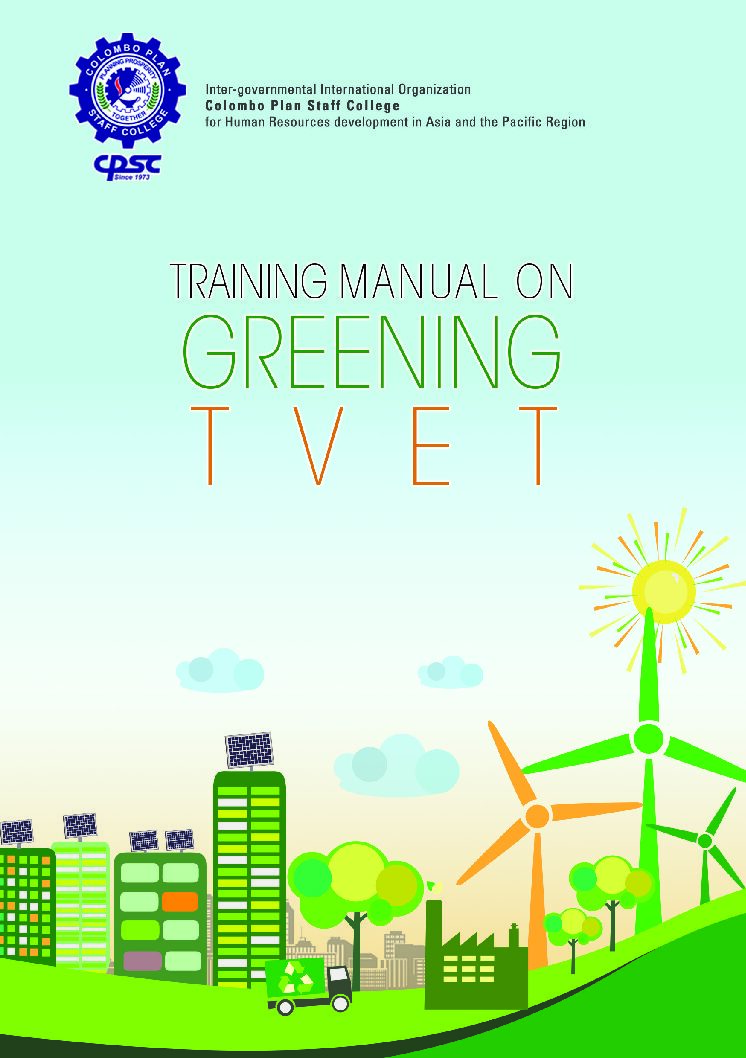
This resource guides trainers in conducting activities on greening TVET. It compiles content from various sources and offers practical strategies tailored for TVET leaders, managers, and instructors. The manual provides a step-by-step approach to help trainers, administrators, and academics lead TVET toward sustainability.
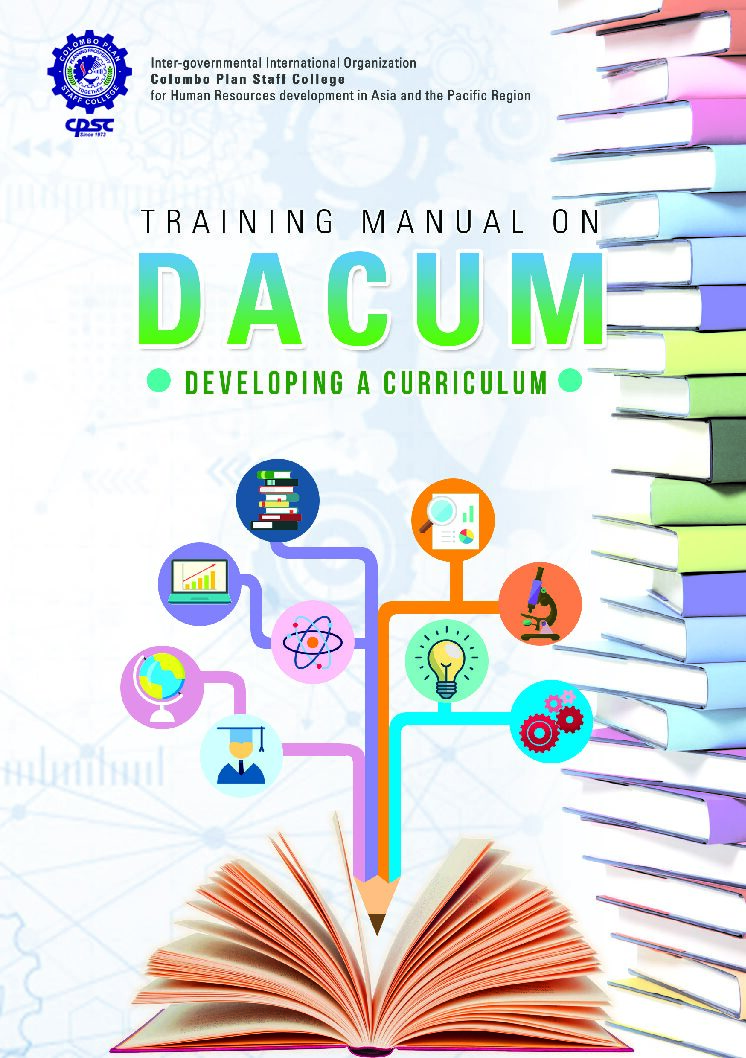
Desisining A CurriculUM or DACUM is a methodology used to analyse jobs and develop training programmes. This training-of-trainers resource guides trainers in planning, preparing, and implementing DACUM Facilitator Training sessions. It supports those involved in occupational analysis and curriculum development, aiming to standardize DACUM practices internationally and help participants become experts in the DACUM process.
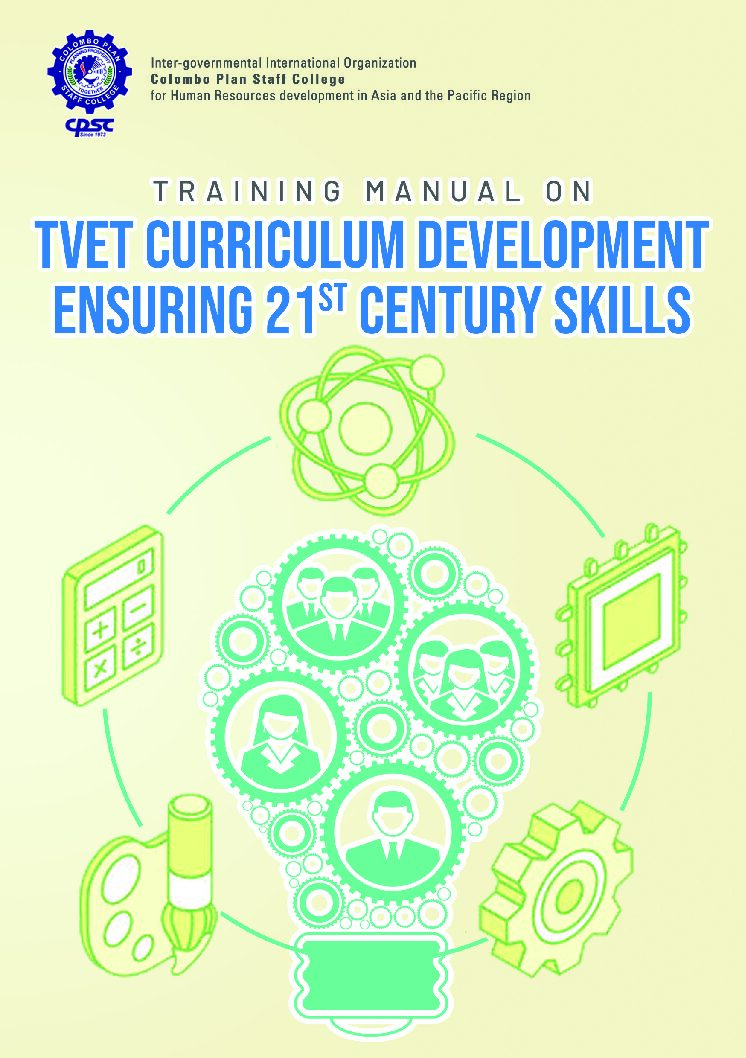
This resource guides trainers in planning and delivering programmes on occupational analysis and curriculum development. It focuses on integrating green skills, greening TVET, entrepreneurship, IR 4.0, and 21st-century skills into TVET.
This resource offers a comparative analysis of existing green skills frameworks to support sustainable development through TVET. It includes two detailed matrices—one mapping green frameworks chronologically, and another summarizing empirical research on green skills relevant to green industries. The study highlights key concepts, models, and collaborations needed between TVET institutions and green sectors to develop … Continue reading “Comparative analysis on Green Skills framework for sustainable development”