
This article announces the adoption of harmonised minimum energy performance standards for air conditioners and refrigerators in the 16 member countries of the Southern African Development Community (SADC). It also explains the process by which these harmonised standards were developed and adopted.
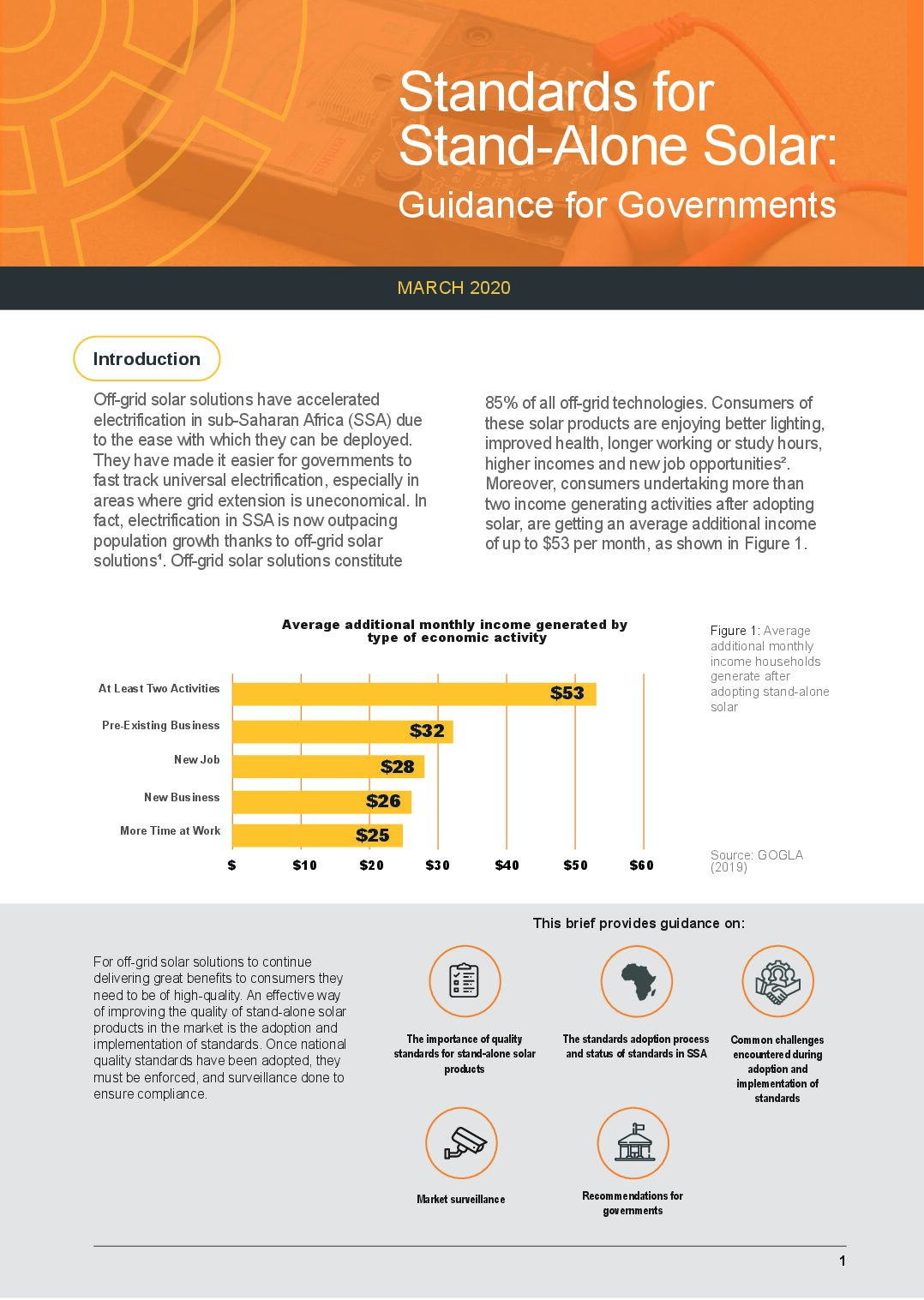
This policy brief provides guidance on the importance of quality standards for stand-alone solar products; how to develop and adopt standards, and the current status in Africa; common challenges encountered in this process; and market surveillance; as well as recommendations for governments.
This report identifies opportunities for and barriers to renewable energy component manufacturing in African countries, and proposes interventions to accelerate investment in the space.
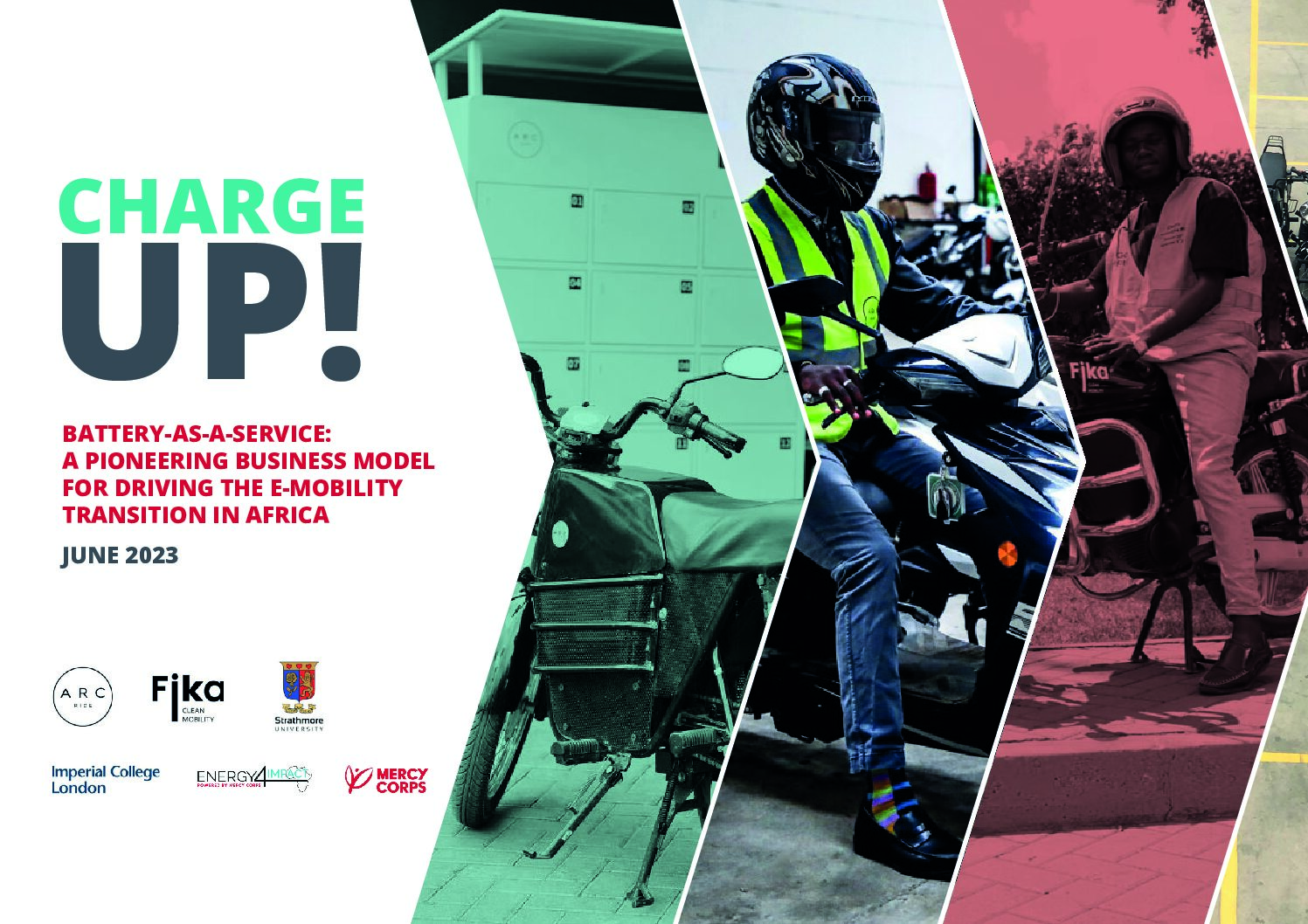
This report investigates different models for the deployment of e-bike fleets and charging/swapping infrastructures in sub-Saharan Africa. It highlights the potential advantages of battery swapping for riders, highlights emerging best practice for Batteries as a Service, and provides recommendations on policy, regulation and financing to support uptake of e-motorcycles and the growth of BaaS in … Continue reading “Charge Up! Battery-as-a-service: A pioneering business model for driving the e-mobility transition in Africa”
This guide addresses the challenges faced by rural energy enterprises in developing countries, and sets out solutions such as business models offering cooking energy as a service.
This action plan, developed with support from ECREEE, lays out the bioenergy strategy of Côte d’Ivoire for 2021-2030. It includes an extensive background and context section, as well as strategic priorities and measures to promote these.
This report considers the challenges faced by developers implementing renewable energy projects in the SADC region, analyzes existing prefeasibility or early-stage project preparation funds in the region and globally to assess if they effectively support project developers, and provides recommendations on how to improve and scale up these facilities.
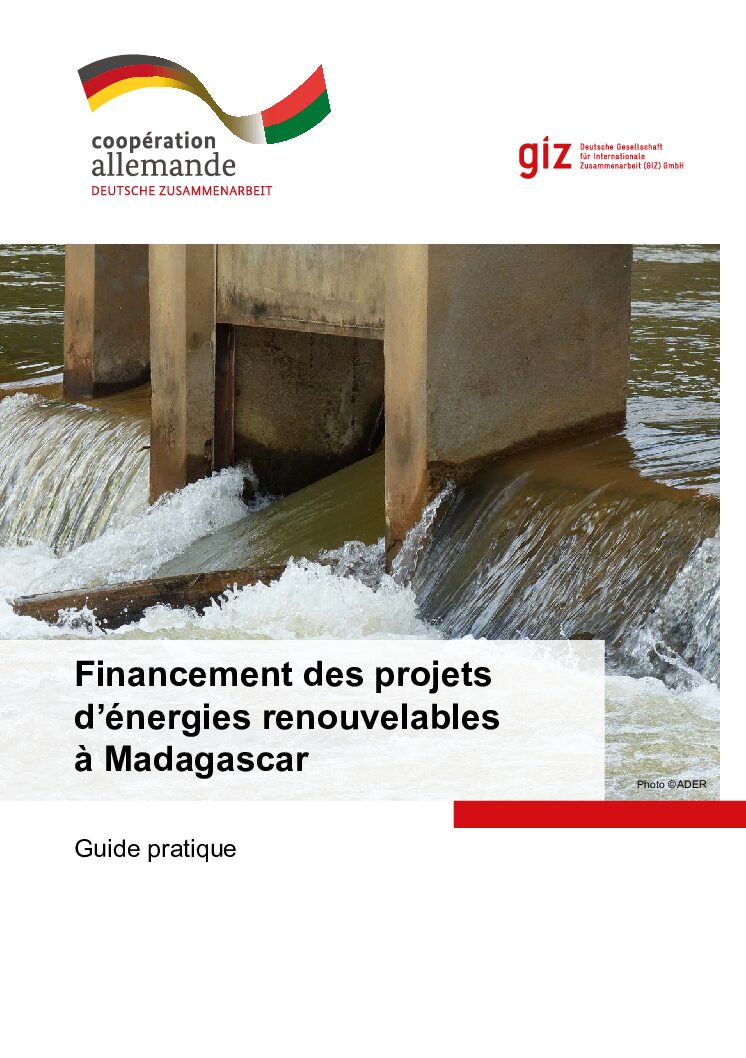
This handbook examines financing mechanisms suitable for the renewable energy access sector in Madagascar, and provides advice on preparing financing applications.
This brief presents the regulatory framework and country context for waste-to-energy projects in Côte d’Ivoire.
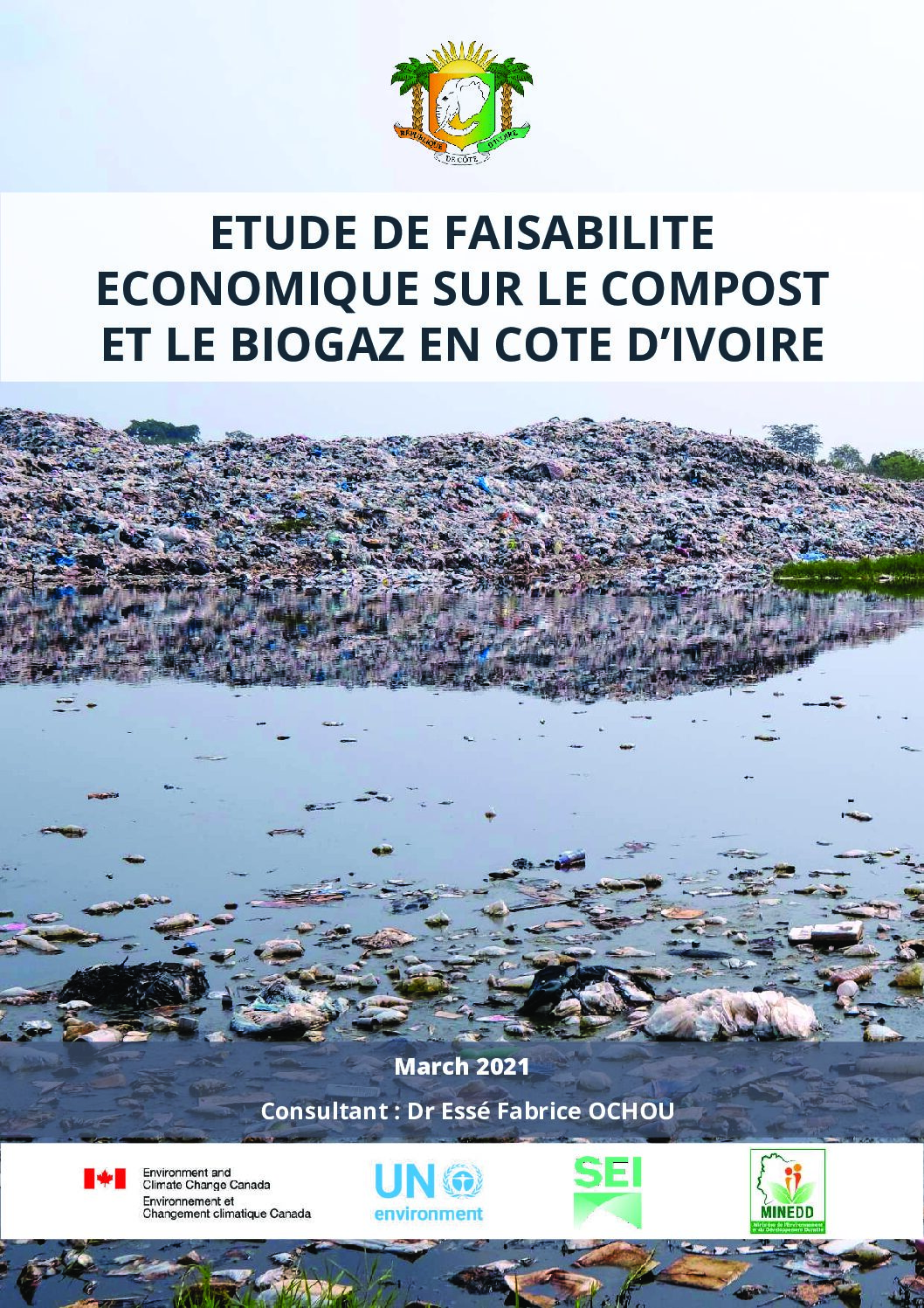
This feasibility study describes the institutional framework for waste management in Côte d’Ivoire, presents a baseline on compost and biogas value chains, and provides a feasibility assessment based on economic models.