
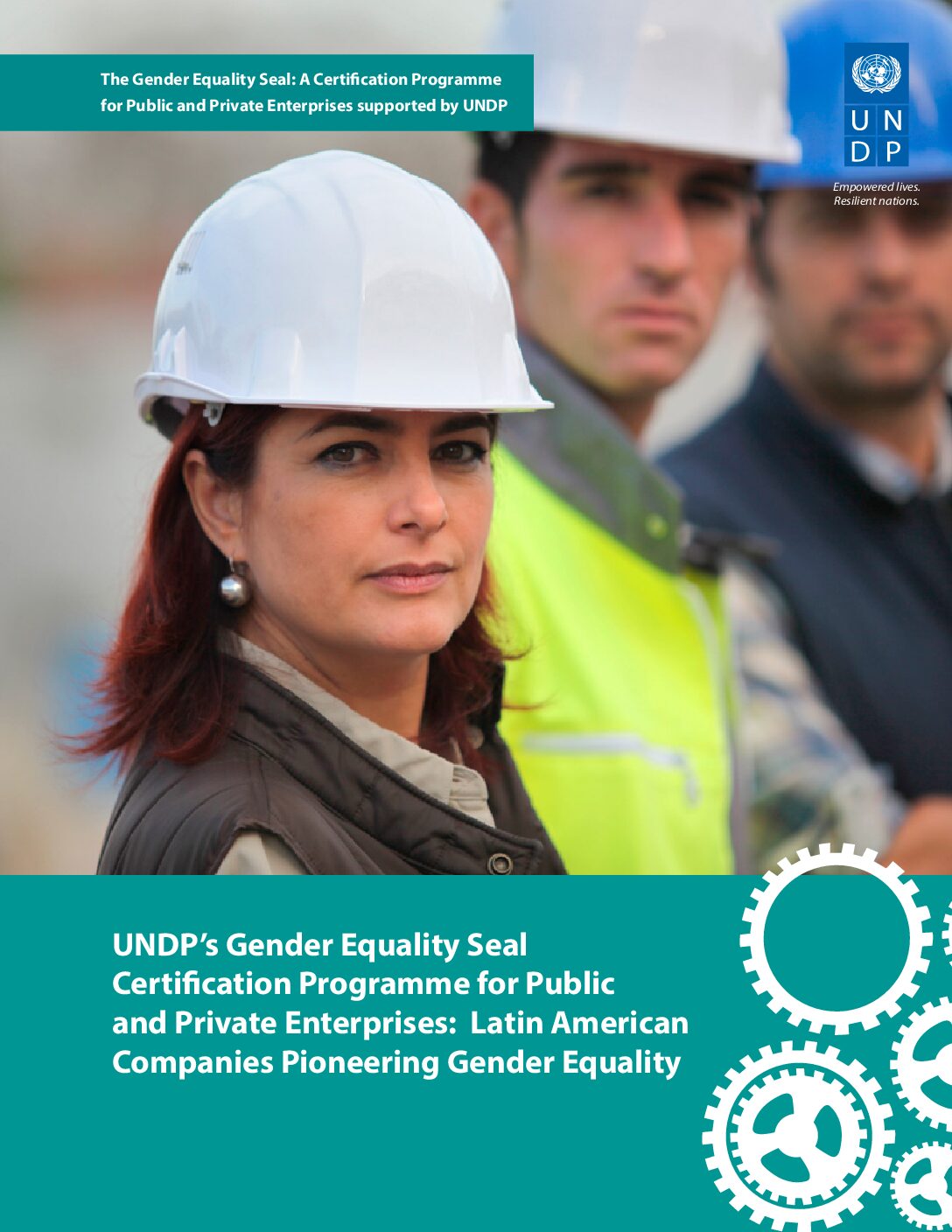
UNDP’s Gender Equality Seal has been implemented under different names in 11 countries and has engaged over 1400 companies. Companies, including many in male-dominated sectors such as the energy sector, can qualify for the seal by following a ten-step plan.
This Chilean government programme, launched in 2019, is a public-private plan that supports energy companies to advance gender equality. It consists of 10 different axes, 14 measures and 40 concrete actions.
This study explores the impact of energy poverty on the health gap between men and women in Ghana, showing that, especially in households suffering from energy poverty, women report significantly worse health than men.
These two blogs (available in English and Spanish) explain why you should undertake stakeholder mapping, how to go about it, and how to engage the stakeholders you have identified.
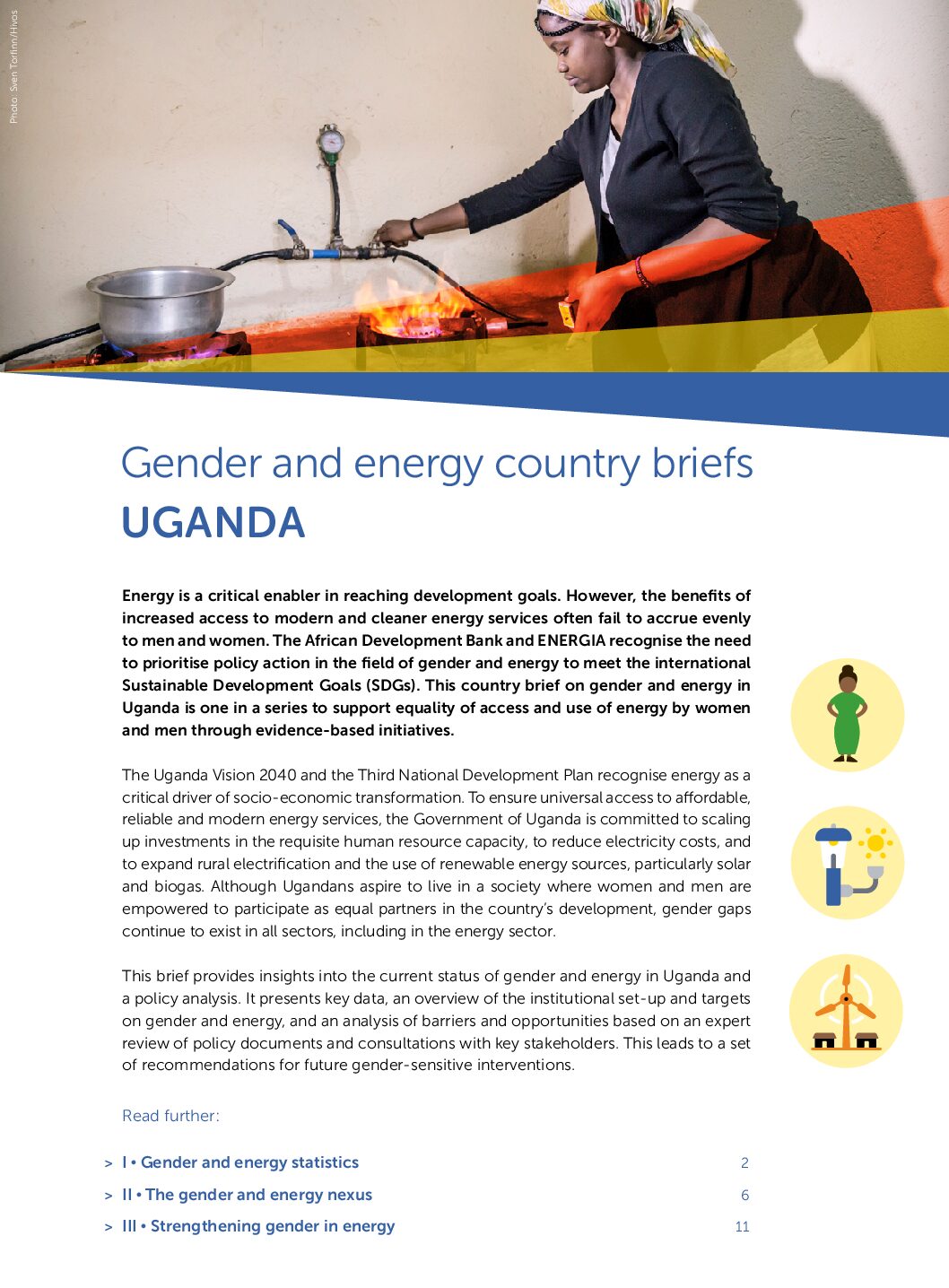
This brief provides statistics about gender and energy in Uganda, as well as an analysis of relevant policies and recommendations to further close gender gaps.
This article investigates the benefits to women of electricity access, beyond just economic benefits.
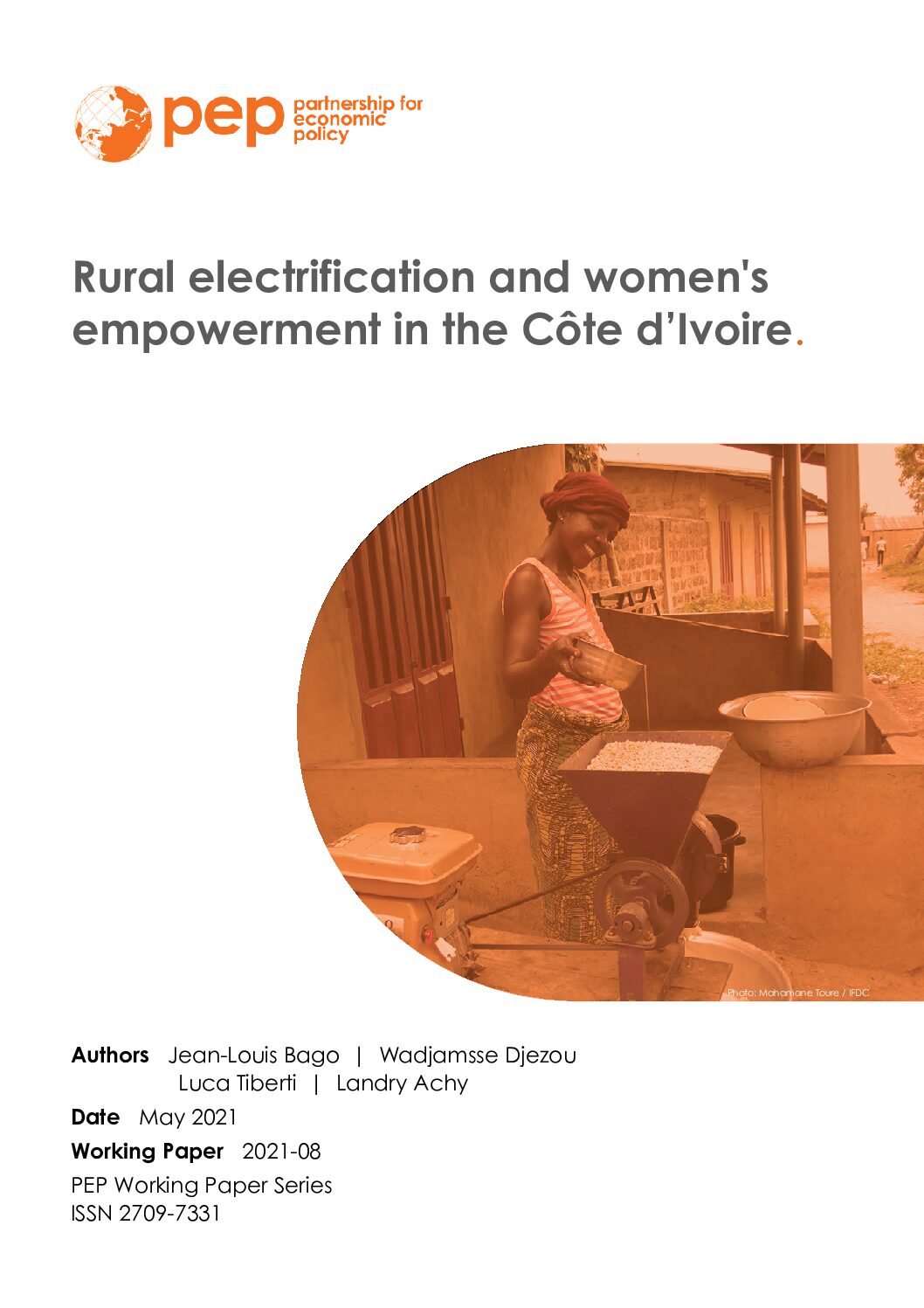
This report assesses the impact of the Ivorian National Rural Electrification Programme on the lives and empowerment of rural women.
This report provides an extensive analysis of the Ivorian energy sector and the links with gender equality.
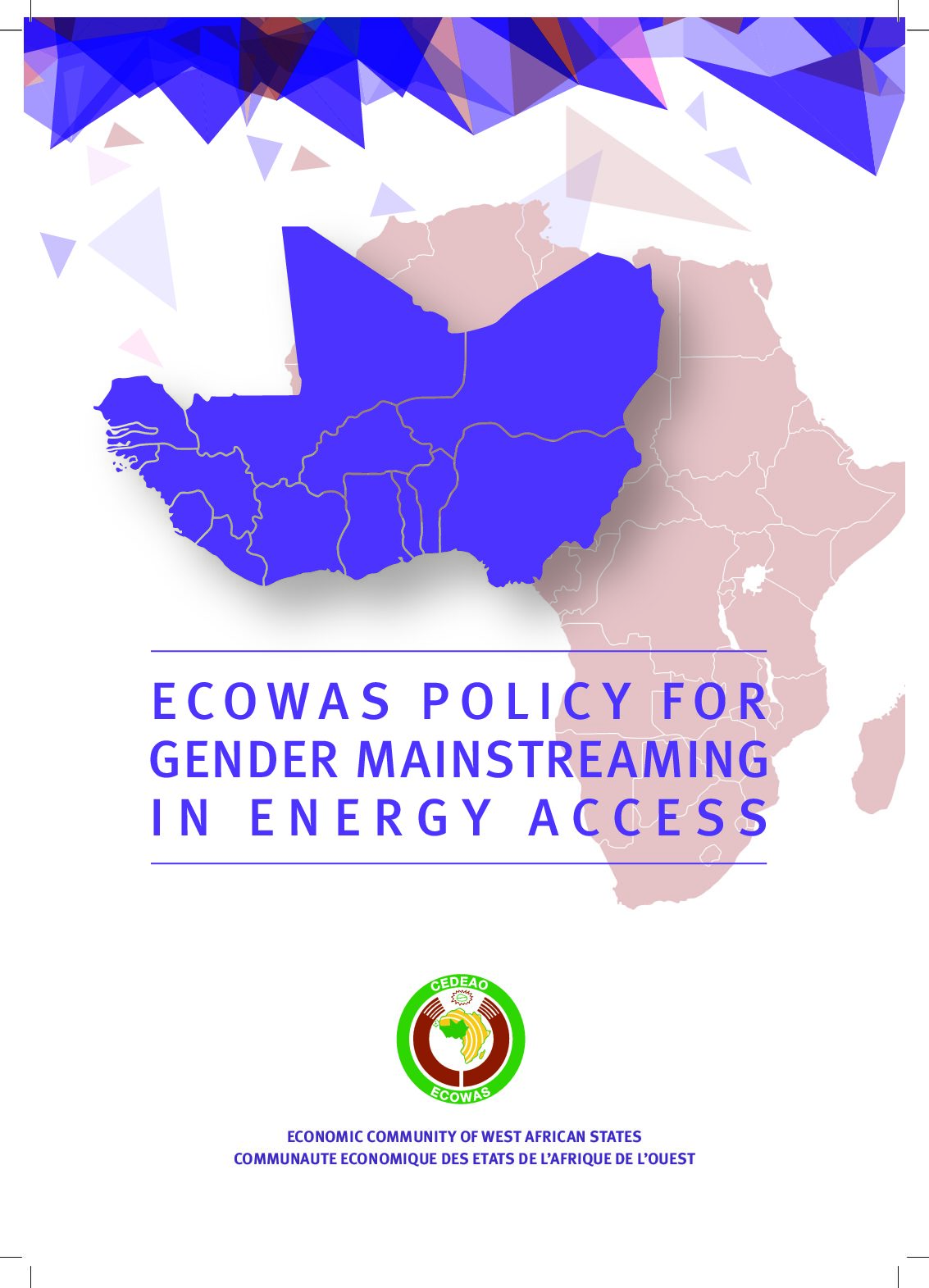
This is a good practice example of a regional policy that mainstreams gender equality concerns in energy access policies and programmes.
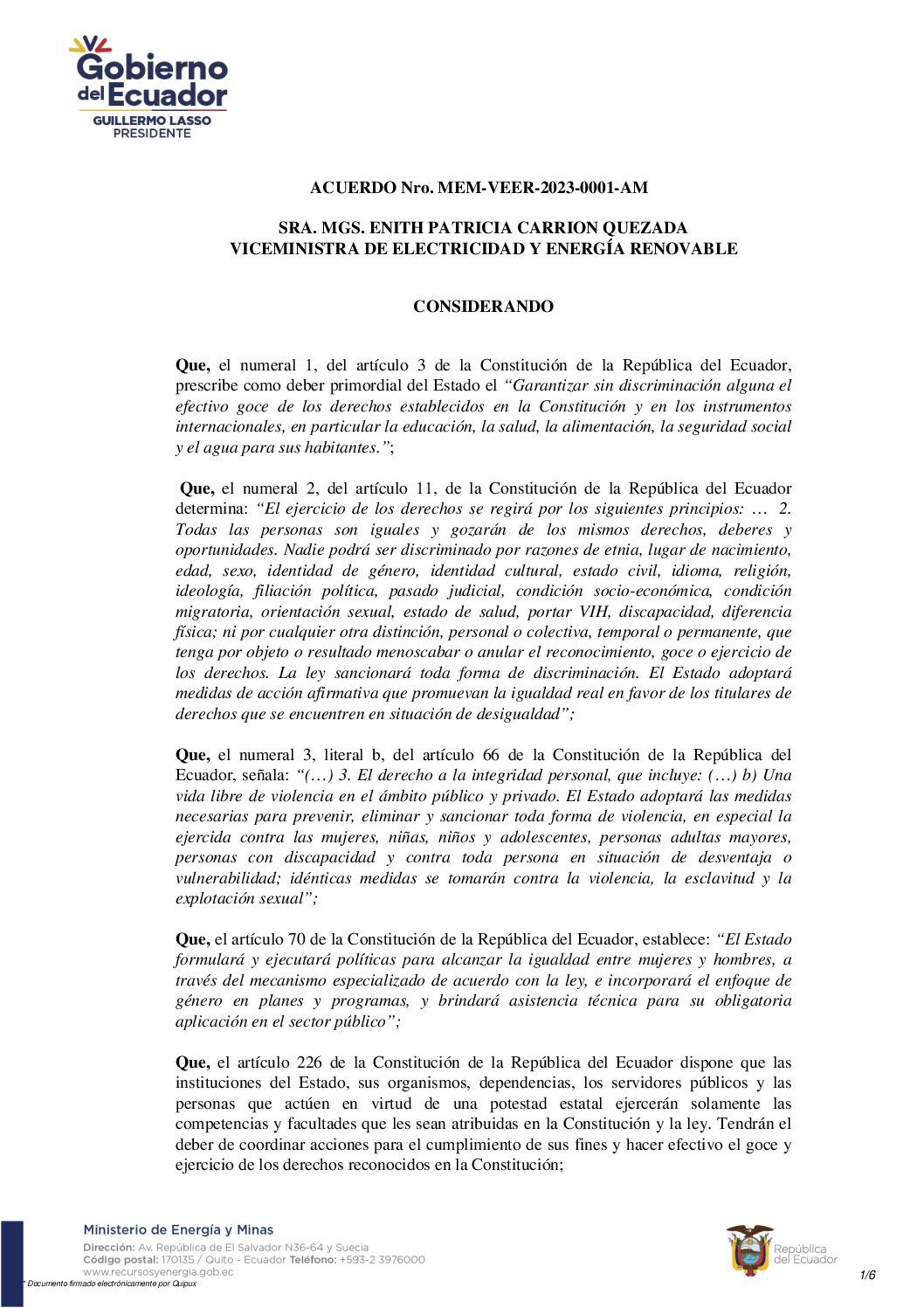
This is a good practice example of a ministerial agreement to promote the design and implementation of gender-inclusive strategies in the Ecuadorian energy sector.