
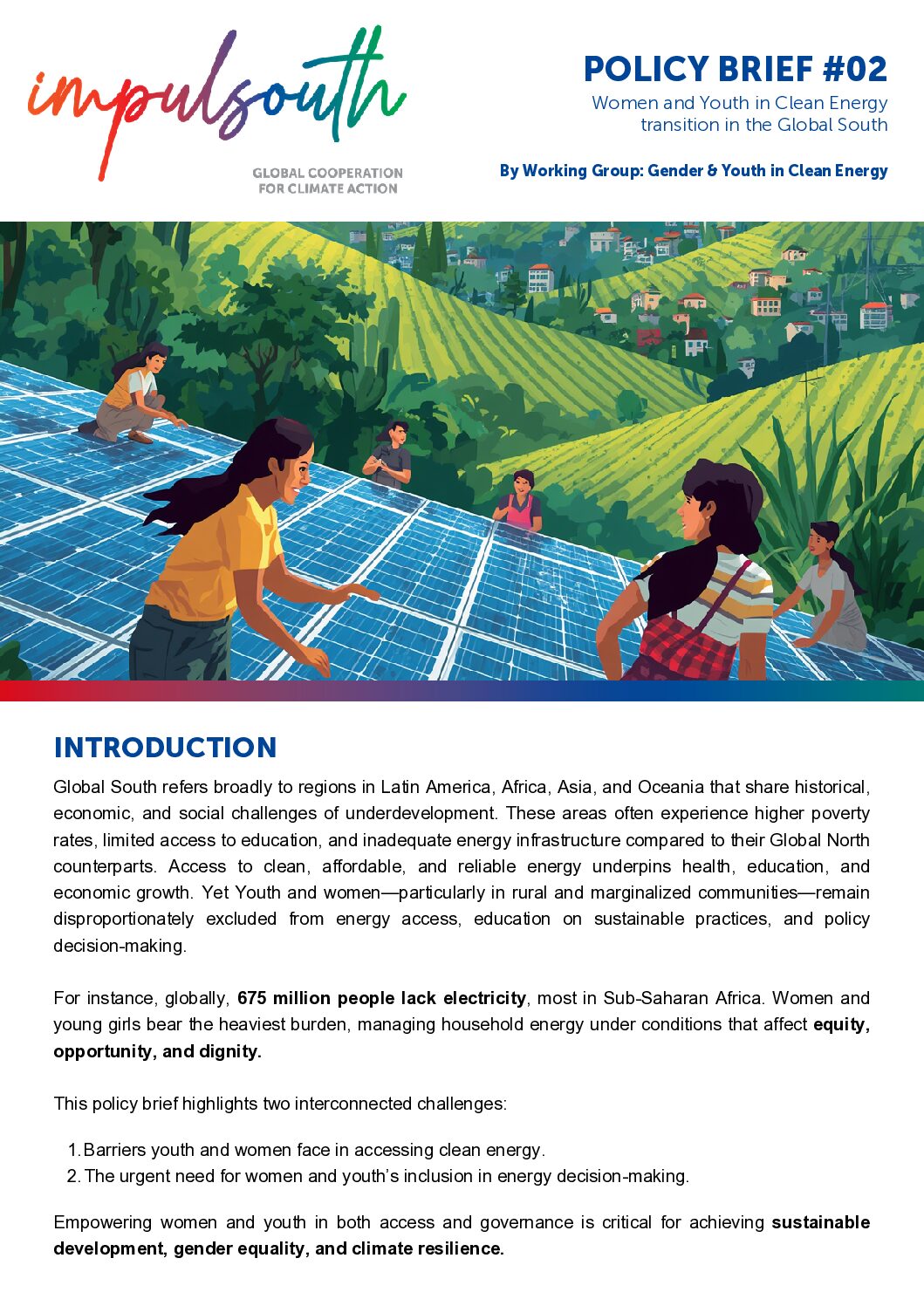
This resource was developed by members of the Working Group on Gender & Youth in Clean Energy, within Impulsouth’s Community of Practice.
This article provides an overview of different ways adaptive pathways planning has been used across the world, and the lessons learned from a decade’s worth of different applications.
This journal article explains dynamic adaptive pathways planning and provides an example of its application to resilient development planning in an Irish city.
This is a very interesting report that recommends radical ways to change governance for sustainable development, in response to the chaos caused by the (then ongoing) COVID-19 pandemic. It is a great example of the types of completely new ideas that futures approaches can generate.
This is a step-by-step guide for energy planners, providing advice on which stakeholders to engage in energy planning, how to engage them, when in the planning process to engage them, and how to ensure that participatory processes create ownership and generate useful results.
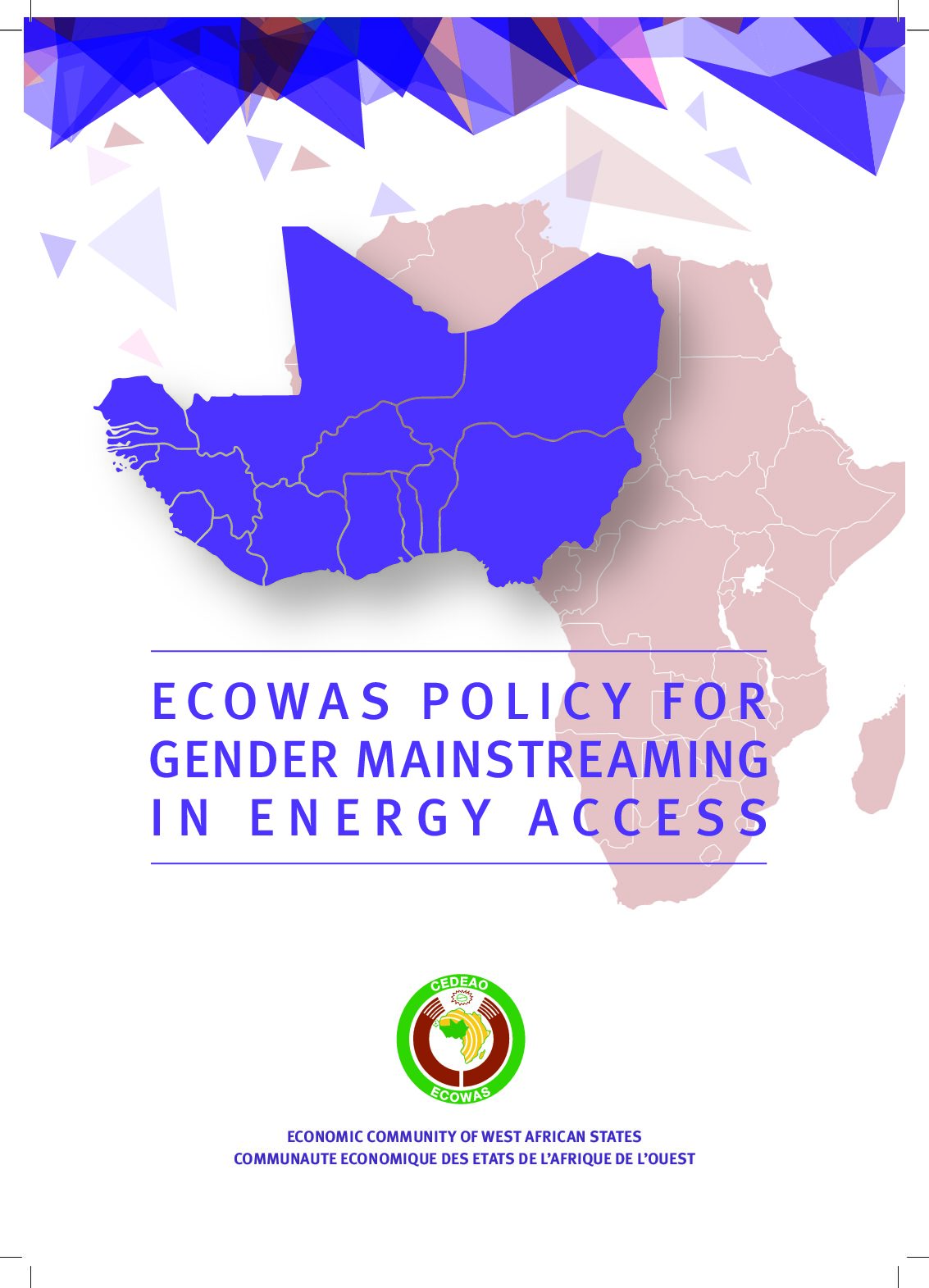
This is a good practice example of a regional policy that mainstreams gender equality concerns in energy access policies and programmes.
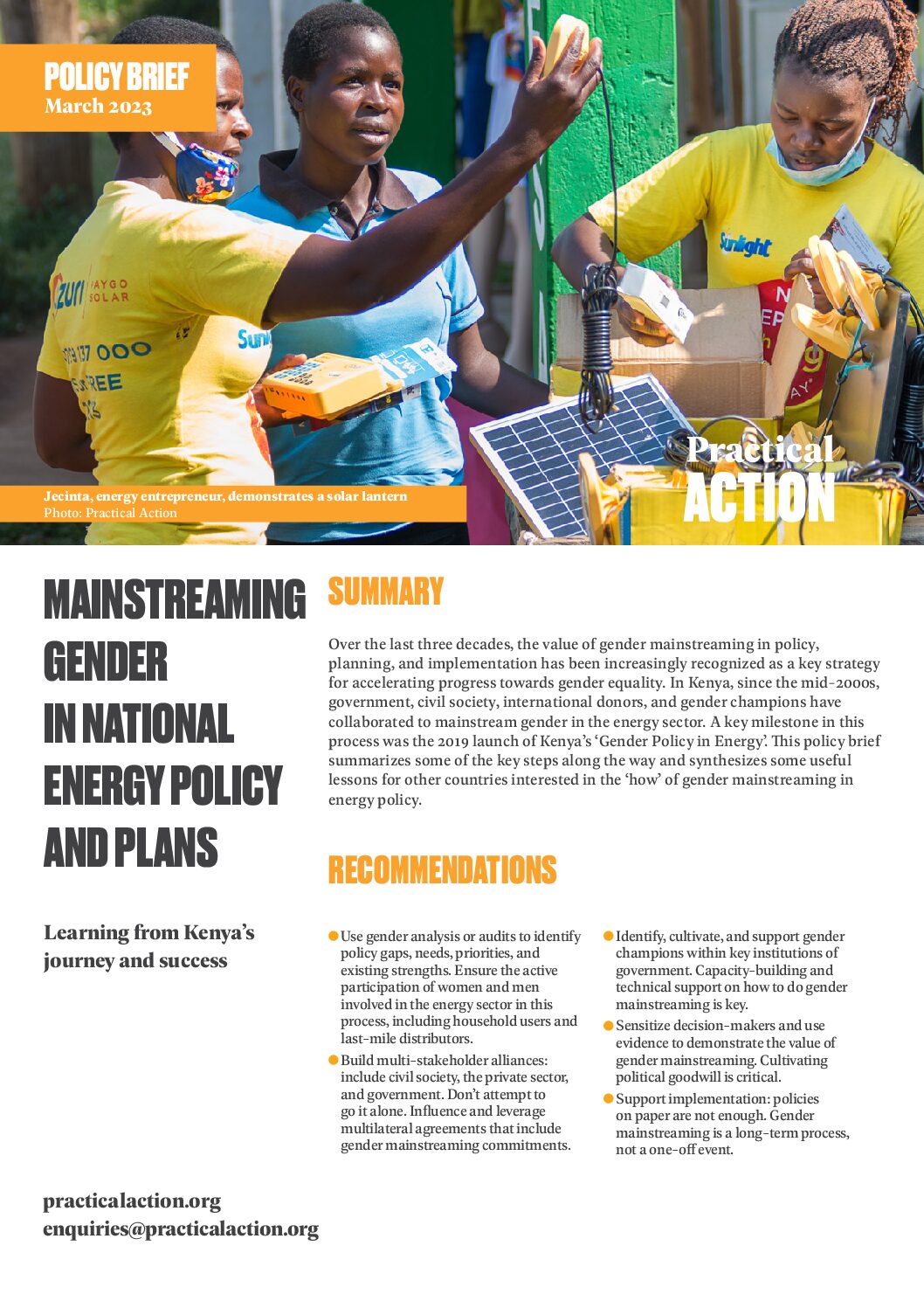
This brief shares learnings about mainstreaming gender in energy policies, based on the process through which the Government of Kenya developed its Gender Policy in Energy.
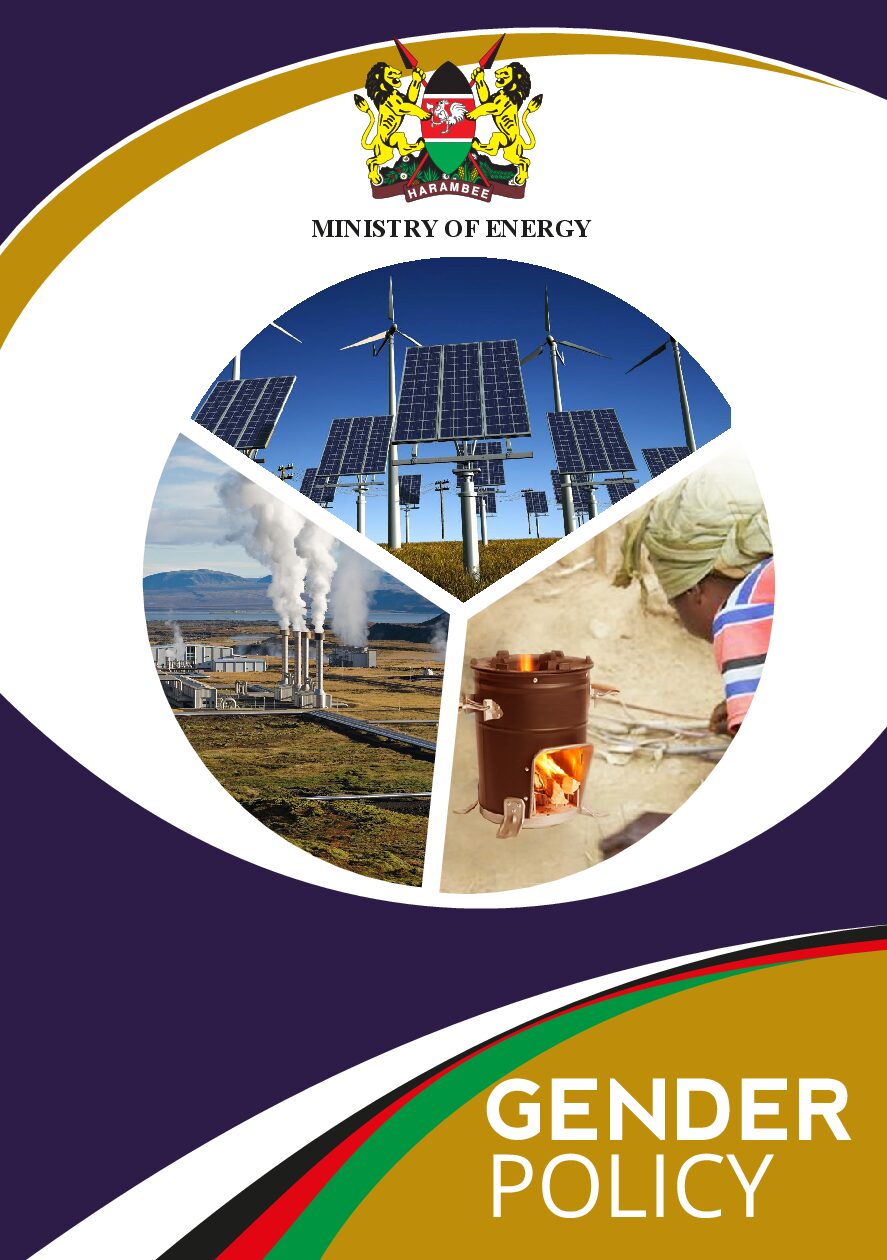
This is a good practice example of a gender policy for a national energy ministry.
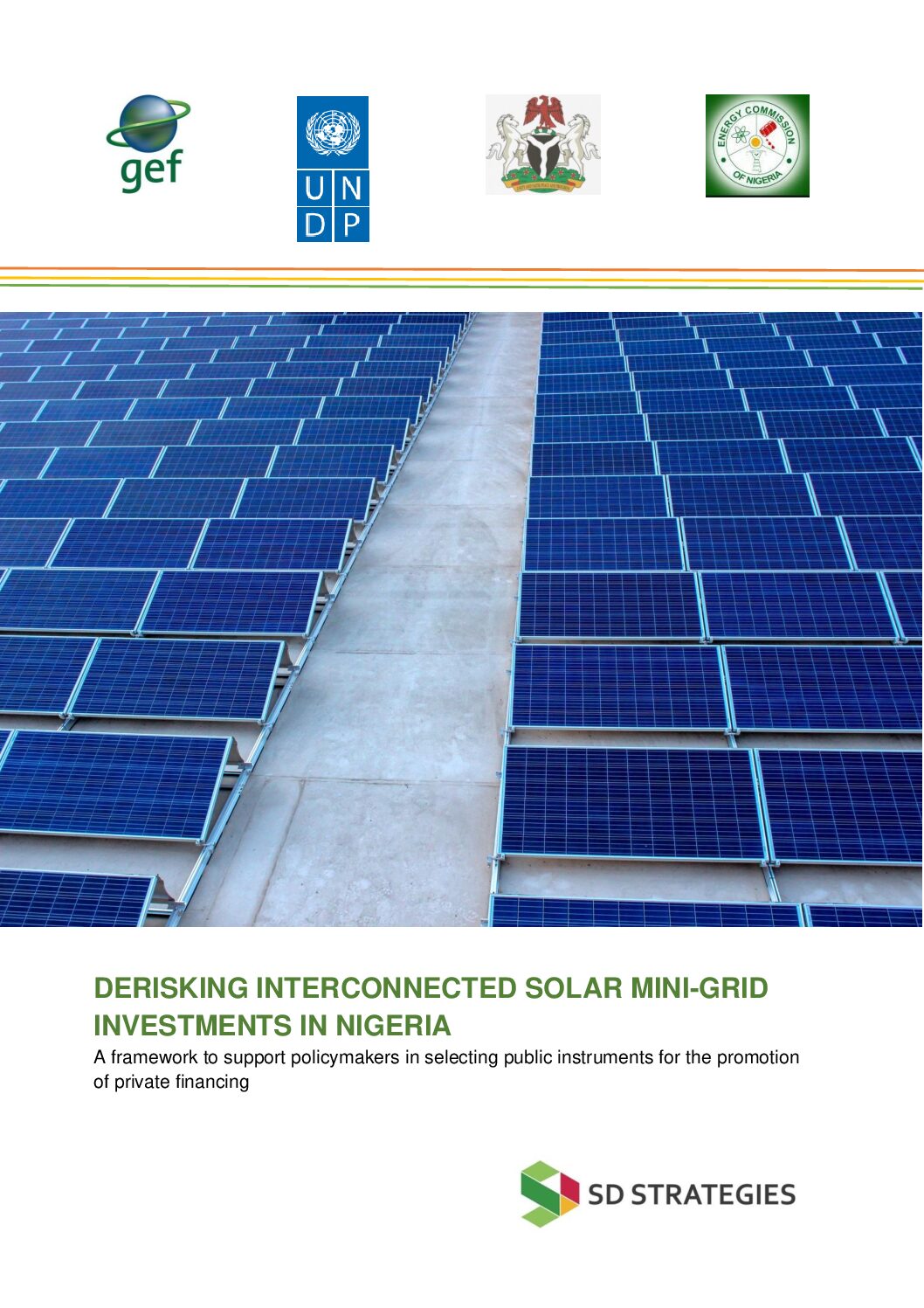
This report identifies and analyses key risks and barriers to private-sector investment in interconnected mini-grids in Nigeria, and evaluates policy and financial instruments designed to address them.
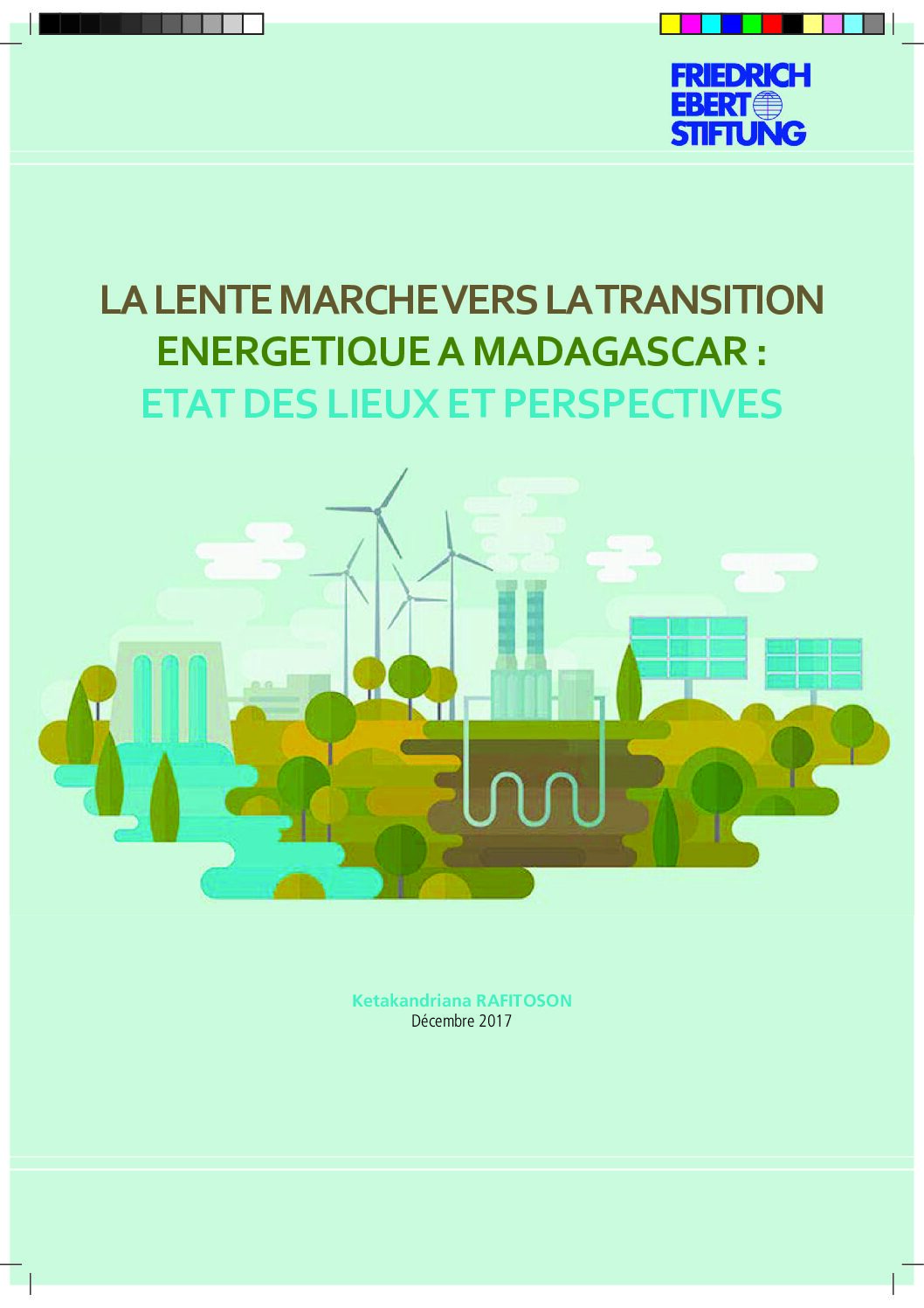
The study takes stock of the implementation of the energy transition initiated by the New Energy Policy adopted in Madagascar in 2015 and identifies specific policy recommendations aimed at its realization.