
This webpage provides an introduction to smart grids, an overview of recent progress and recommendations for governments and utilities.
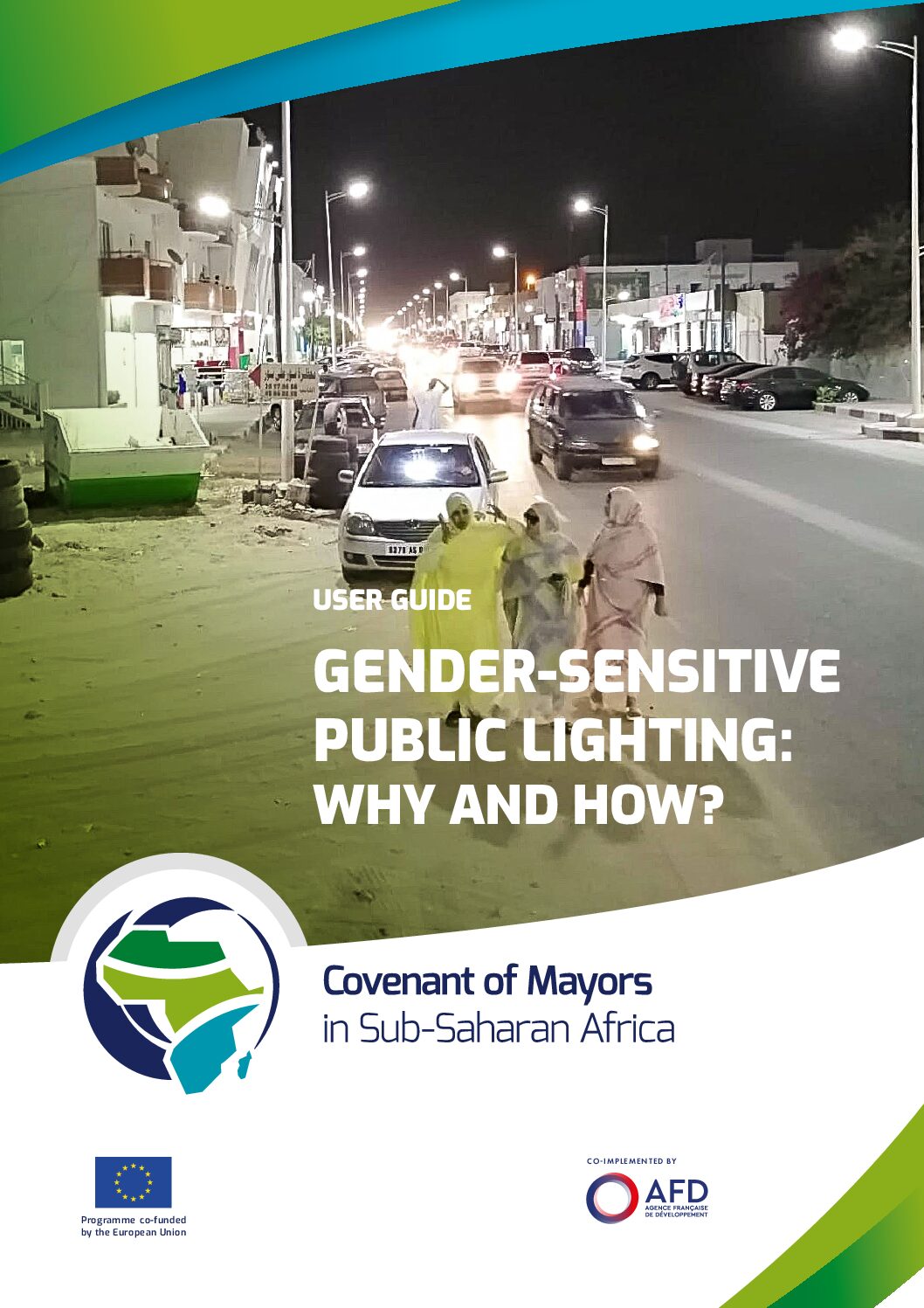
This guide by the Covenant of Mayors of Sub-Saharan Africa shows that urban planning tends to be gender blind, with the design of urban street lighting as a key example. It provides a manual, aimed at African cities, on how to develop gender-responsive public lighting projects. English: https://comssa.org/download/rxeWs6zcOXbTl8qRidGZ9nCB7EFAI4Pa/Gender-sensitive-public-lighting.pdf French: https://comssa.org/download/U3kjdTBHqV6FGKfoI71EgLY2wZrSvtz8/Eclairage-public-sensible-au-genre.pdf
This website contains a range of learning resources on Integrated Resource Planning (a methodology for least-cost planning by public utilities), including load forecasting, tariff policies, amd demand side management. It also includes exercises and case studies.
This report investigates efforts to enhance investment in energy efficienct appliances in Zambia, and provides recommendations to enhance the effectiveness of these efforts
This plan provides a comprehensive, forward-looking least-cost plan for the development of the country’s power sector, including both on-grid and off-grid.
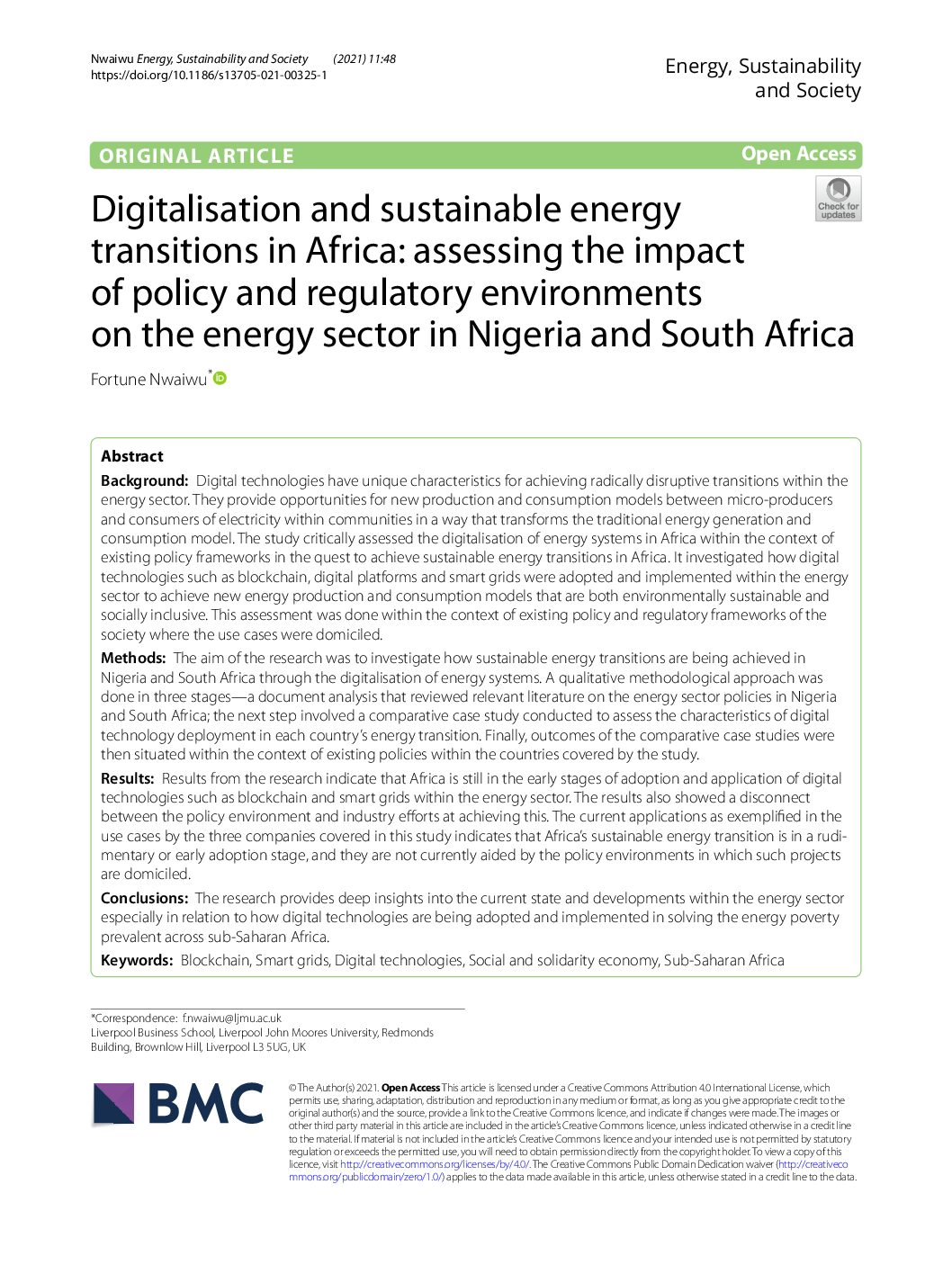
This study critically assesses the policy and regulatory frameworks for the digitalisation of energy systems in support of energy transitions in Nigeria and South Africa.
This roadmap analyses the drivers of the digital transformation of the energy sector in Latin America and the Caribbean, identifies lessons learned and provides recommendations.
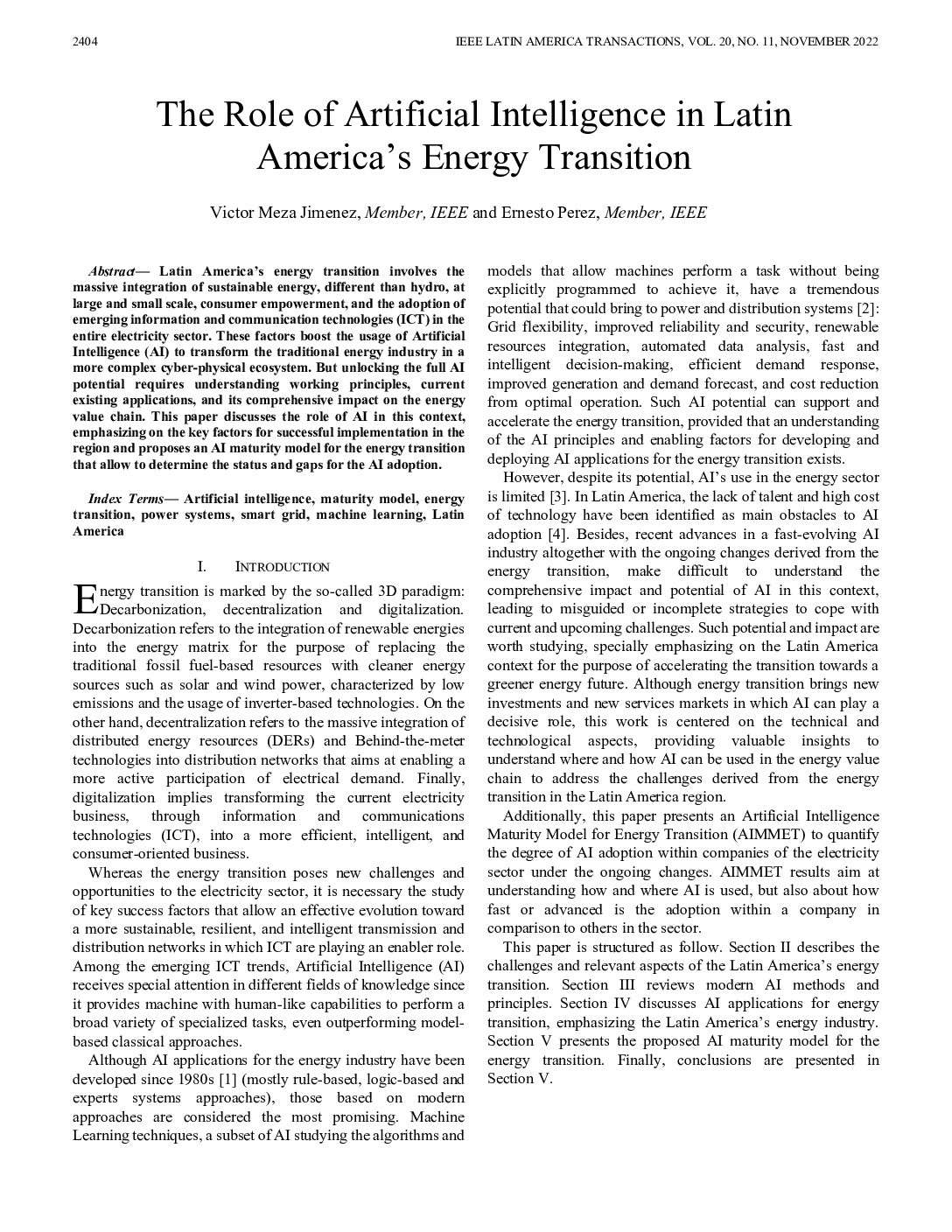
This paper discusses the role of AI in the energy transition in Latin America, identifies key factors for successful implementation in the region and proposes an AI maturity model for the energy transition that allows stakeholders to assess the status and gaps for the AI adoption.