
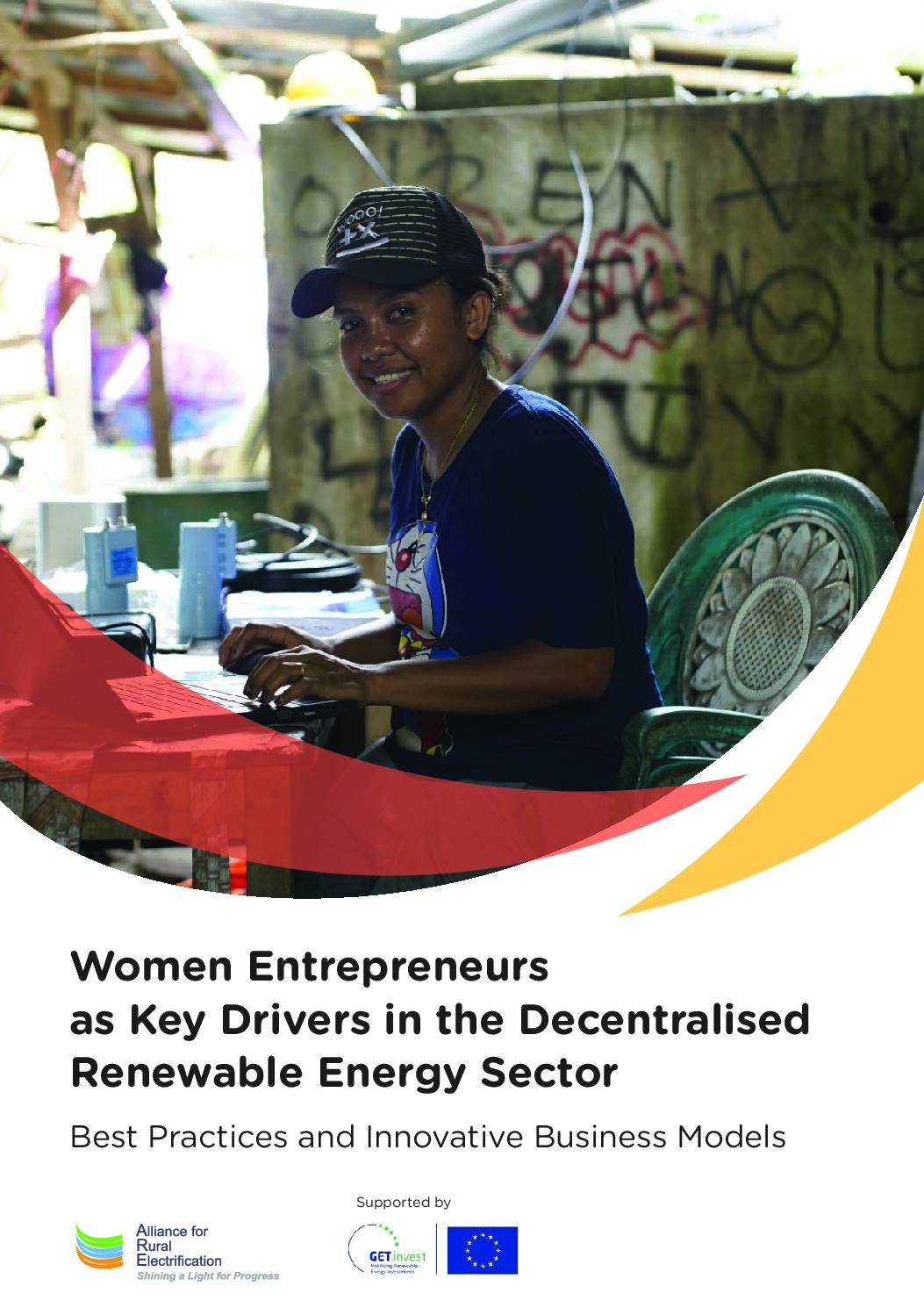
This report by the Alliance for Rural Electrification explores the role of women in advancing electrification and socio-economic development in rural communities and gives examples of ways to integrate gender equality throughout the off-grid energy supply chain.
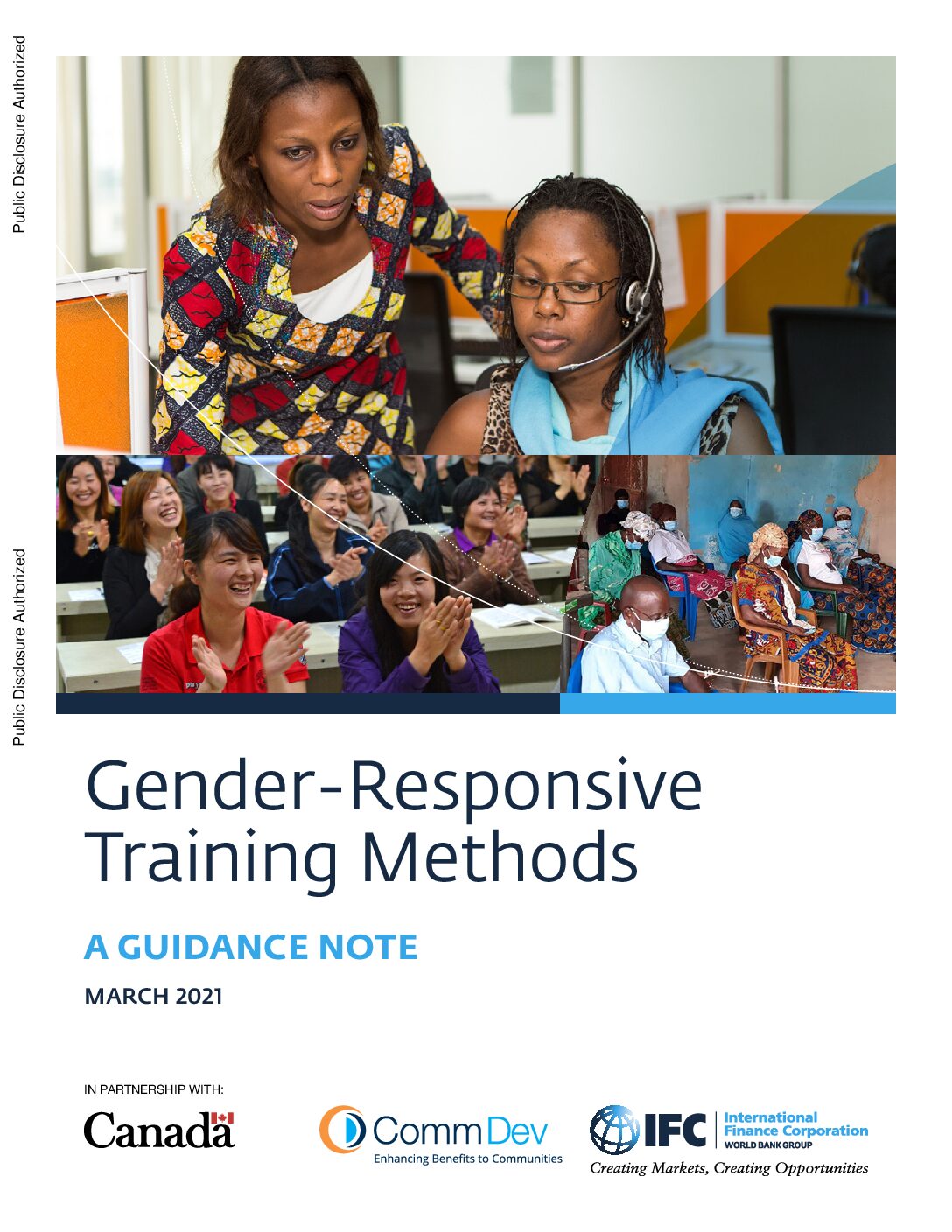
This guidance note provides practical tools and strategies for training providers to design and deliver gender-responsive learning programs, especially within technical and business education contexts. It highlights how gender dynamics, norms, and barriers influence learning outcomes and participation—especially for women and marginalized groups.
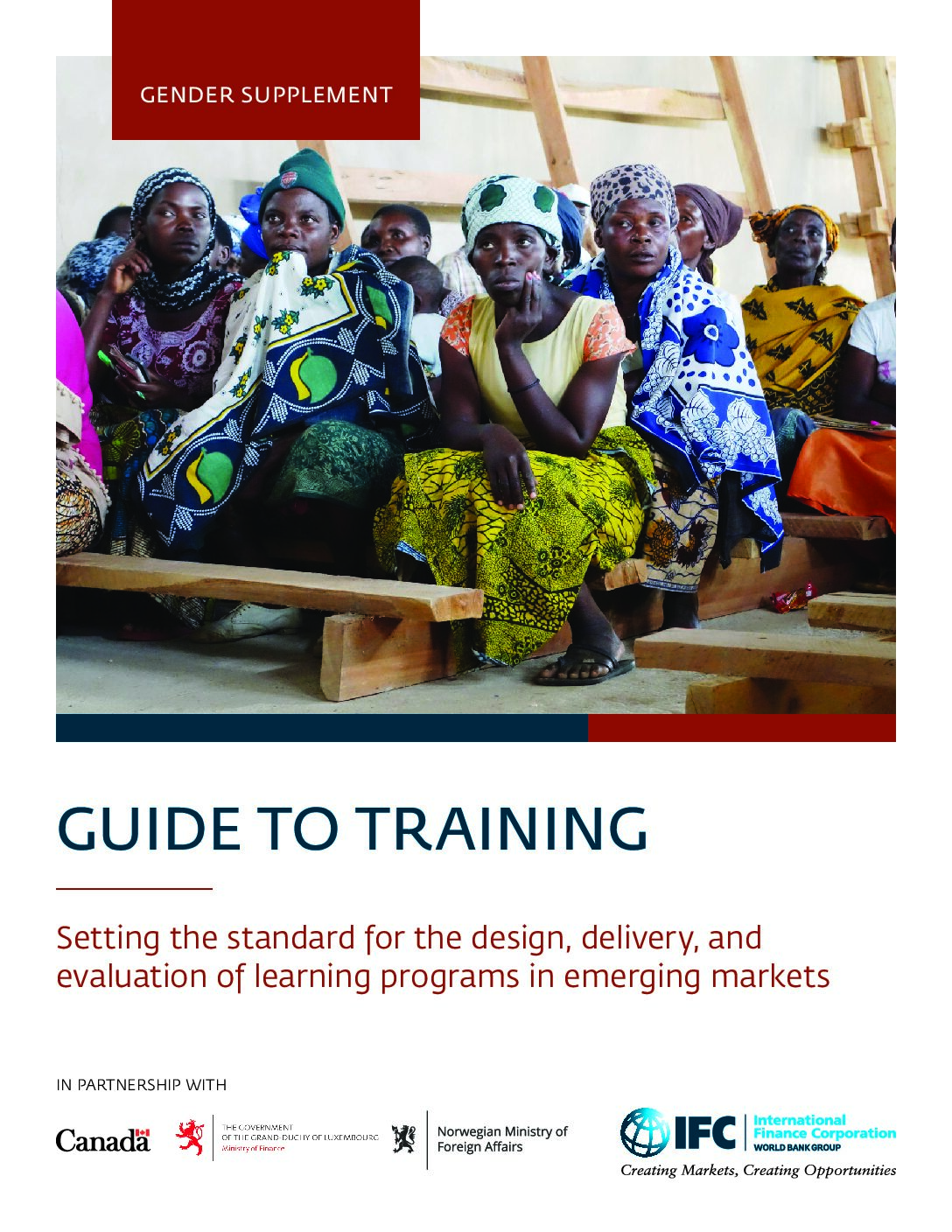
This guide helps practitioners design, implement and evaluate training programmes in a way that enables equal access and provides equal benefits to women and men. It provides tips and approaches based on international good practice and lessons learned from programmes implemented by IFC, the World Bank and other organisations.
This report shares insights and tools to support more inclusive and effective entrepreneurship education and training, especially for people from underrepresented and marginalized groups. It includes a list of assessment criteria to evaluate whether a programme is gender-smart.
This article investigates the benefits to women of electricity access, beyond just economic benefits.
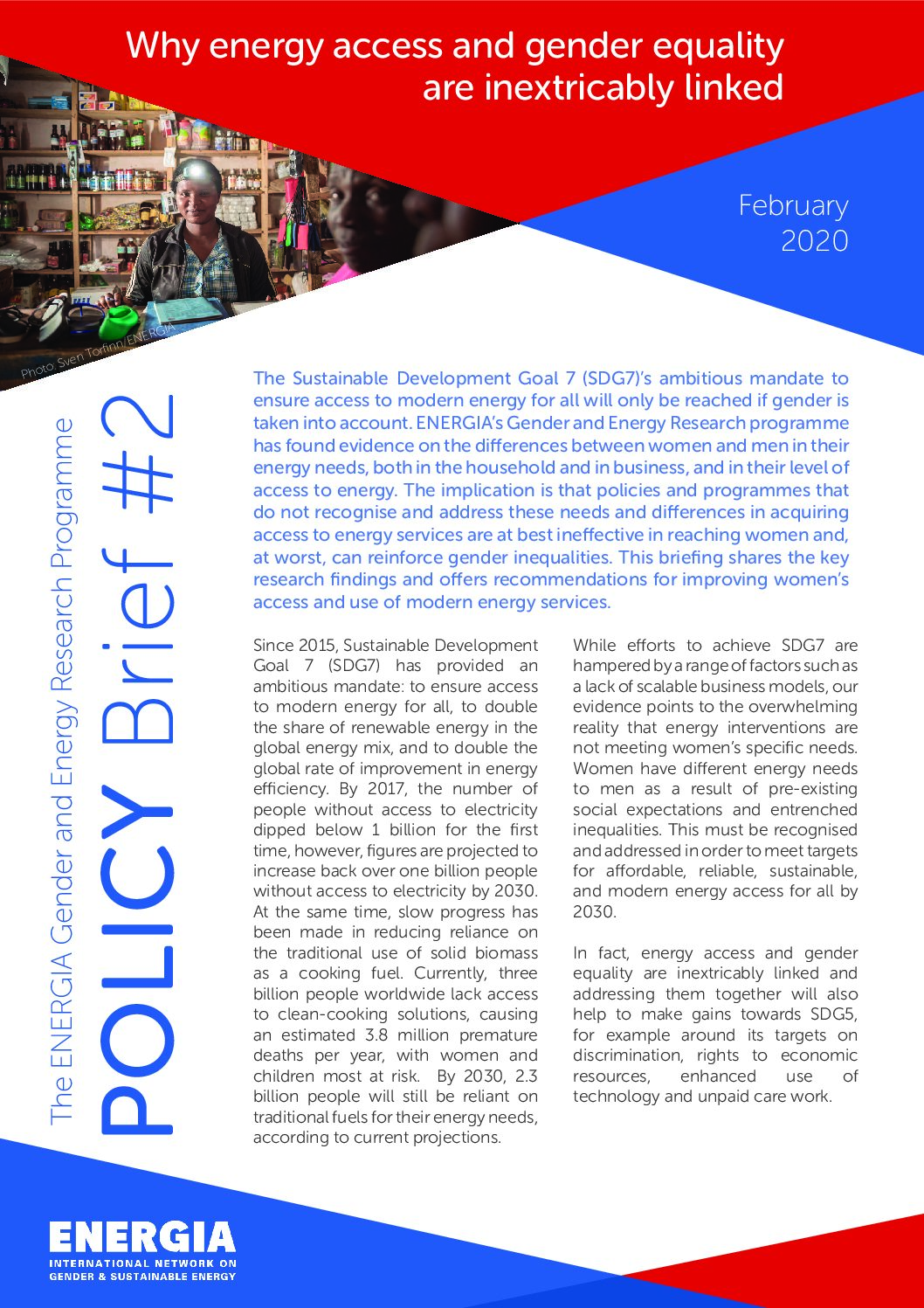
This policy brief explains the links between energy access and gender equality, and provides policy considerations.
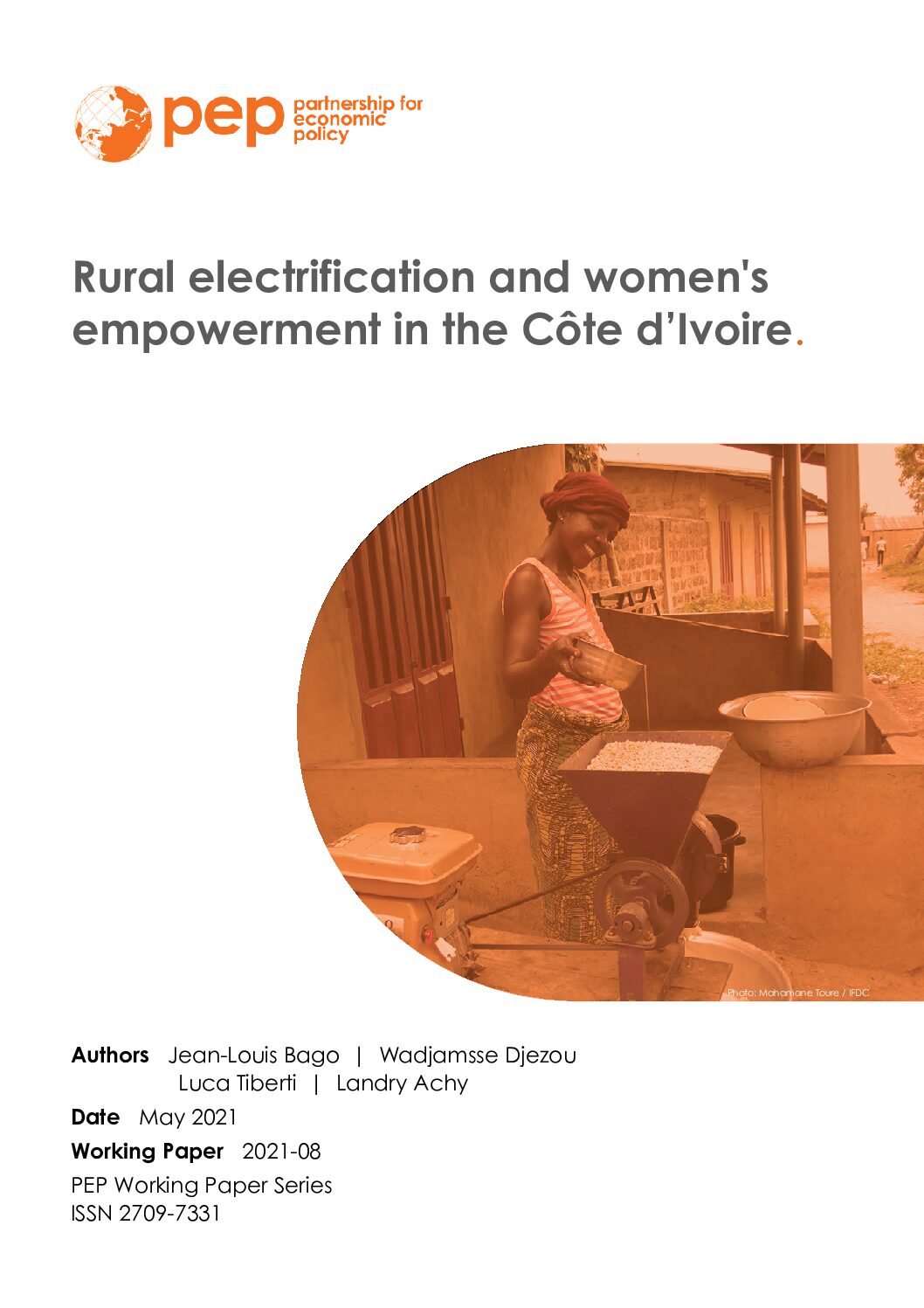
This report assesses the impact of the Ivorian National Rural Electrification Programme on the lives and empowerment of rural women.