
This webpage provides an introduction to smart grids, an overview of recent progress and recommendations for governments and utilities.
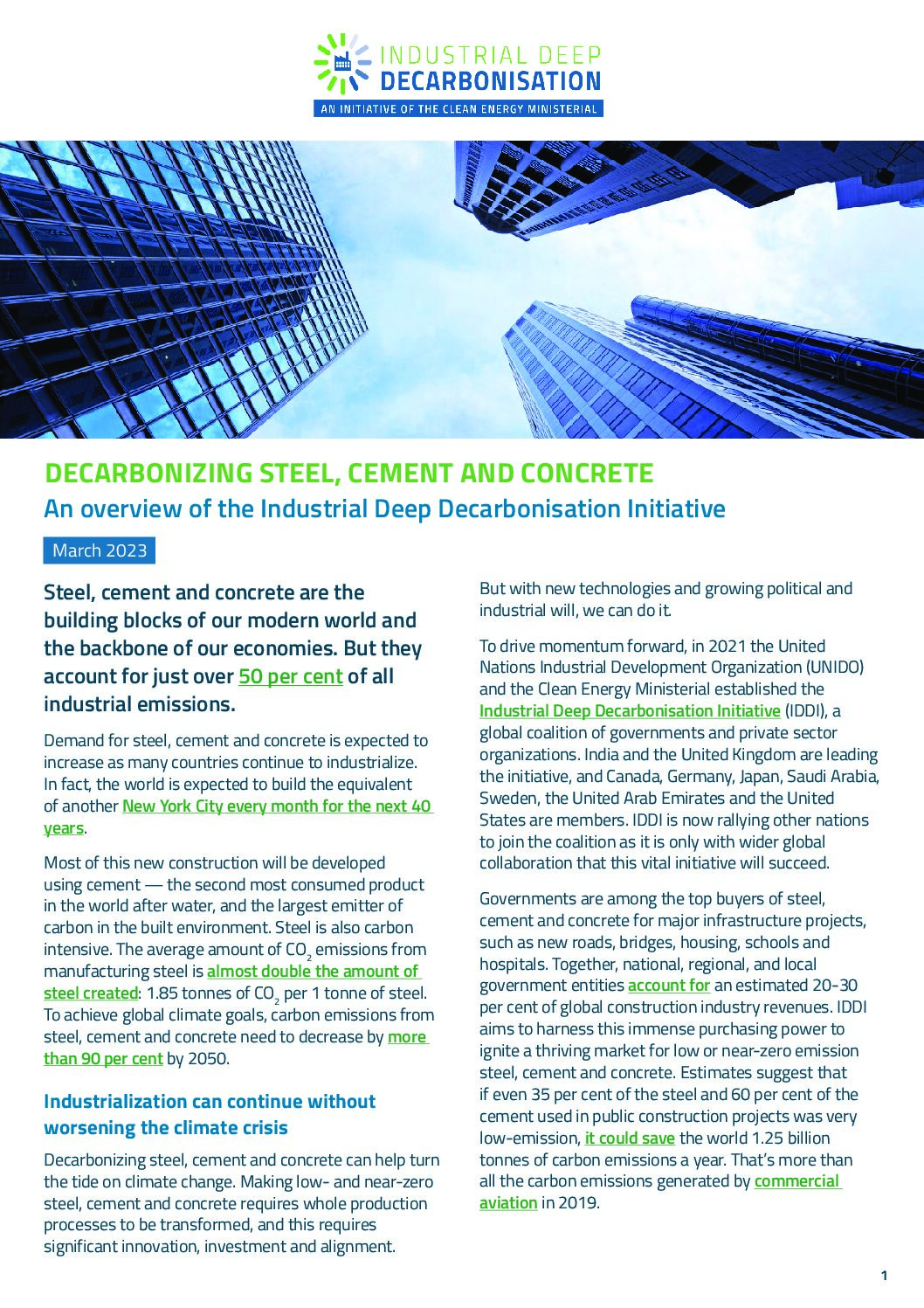
The Industrial Deep Decarbonisation Initiative, established by the UN Industrial Development Organization (UNIDO) and the Clean Energy Ministerial, is a coalition of governments and companies. Among its goals, it seeks to motivate governments, which are major buyers of steel, cement and concrete for infrastructure projects, to apply sustainable procurement principles and prioritise the buying of … Continue reading “Decarbonizing steel, cement and concrete: An overview of the Industrial Deep Decarbonisation Initiative”
The CaDRE methodology helps policy makers, organisations and capacity development/renewable energy practitioners shape an environment conducive to the development of renewable energy.
The CaDRE methodology helps policy makers, organisations and capacity development/renewable energy practitioners shape an environment conducive to the development of renewable energy.
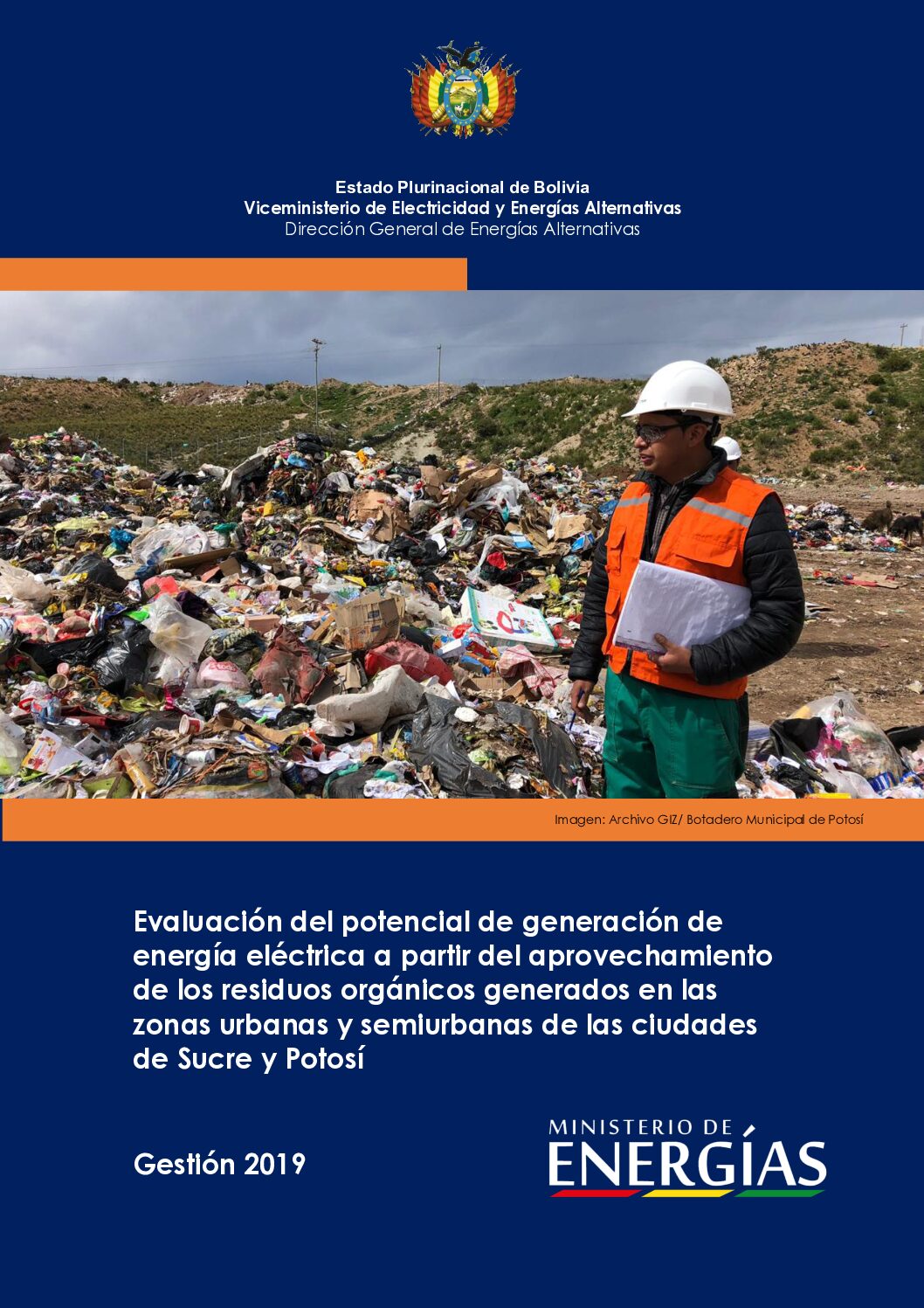
This study quantifies the potential of producing biogas based on organic waste in two municipalities in Bolivia.
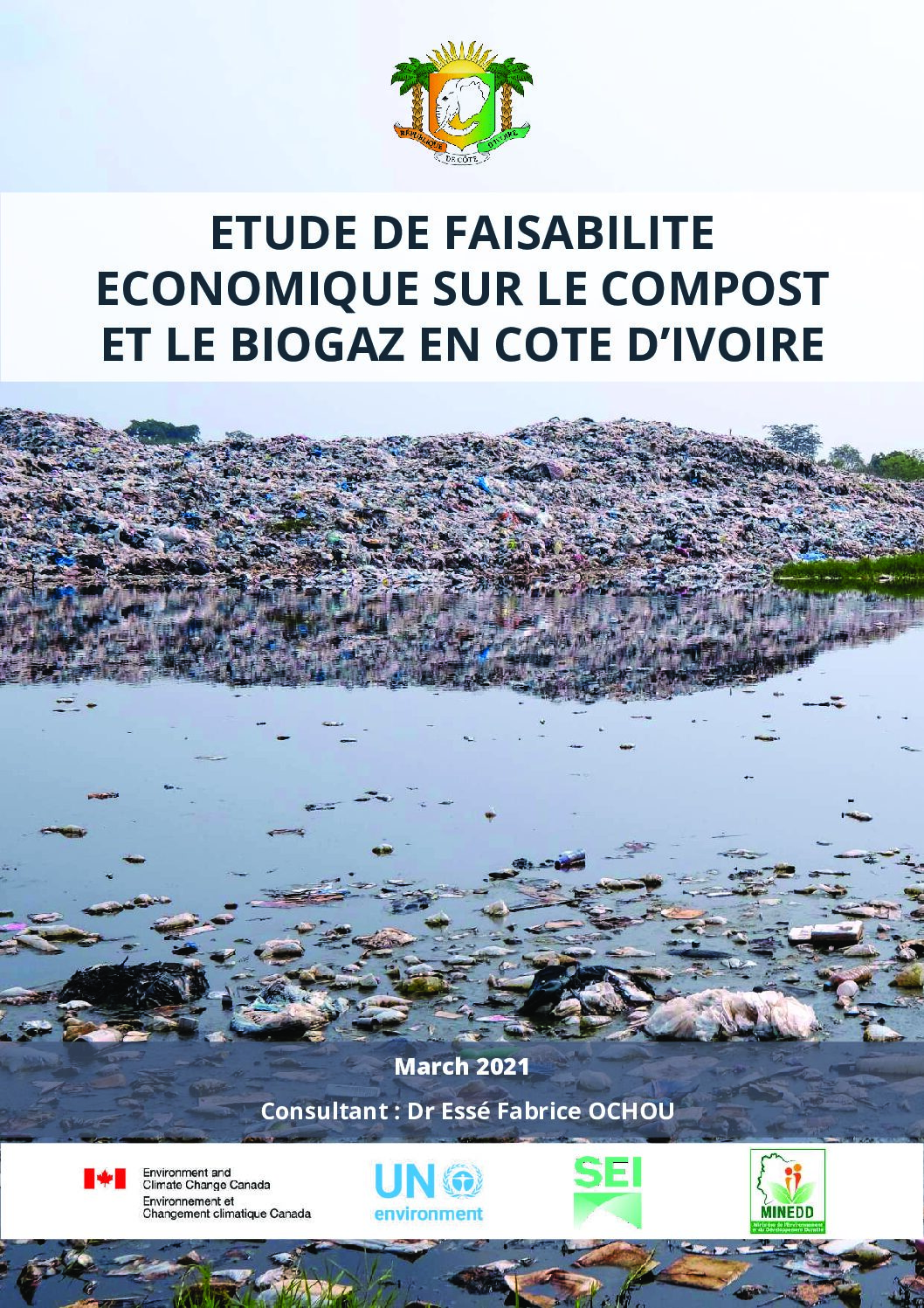
This feasibility study describes the institutional framework for waste management in Côte d’Ivoire, presents a baseline on compost and biogas value chains, and provides a feasibility assessment based on economic models.
This report presents the results of a survey undertaken to investigate the current status of gender equality in the biogas sector, and compares these with a baseline survey conducted in 2012.
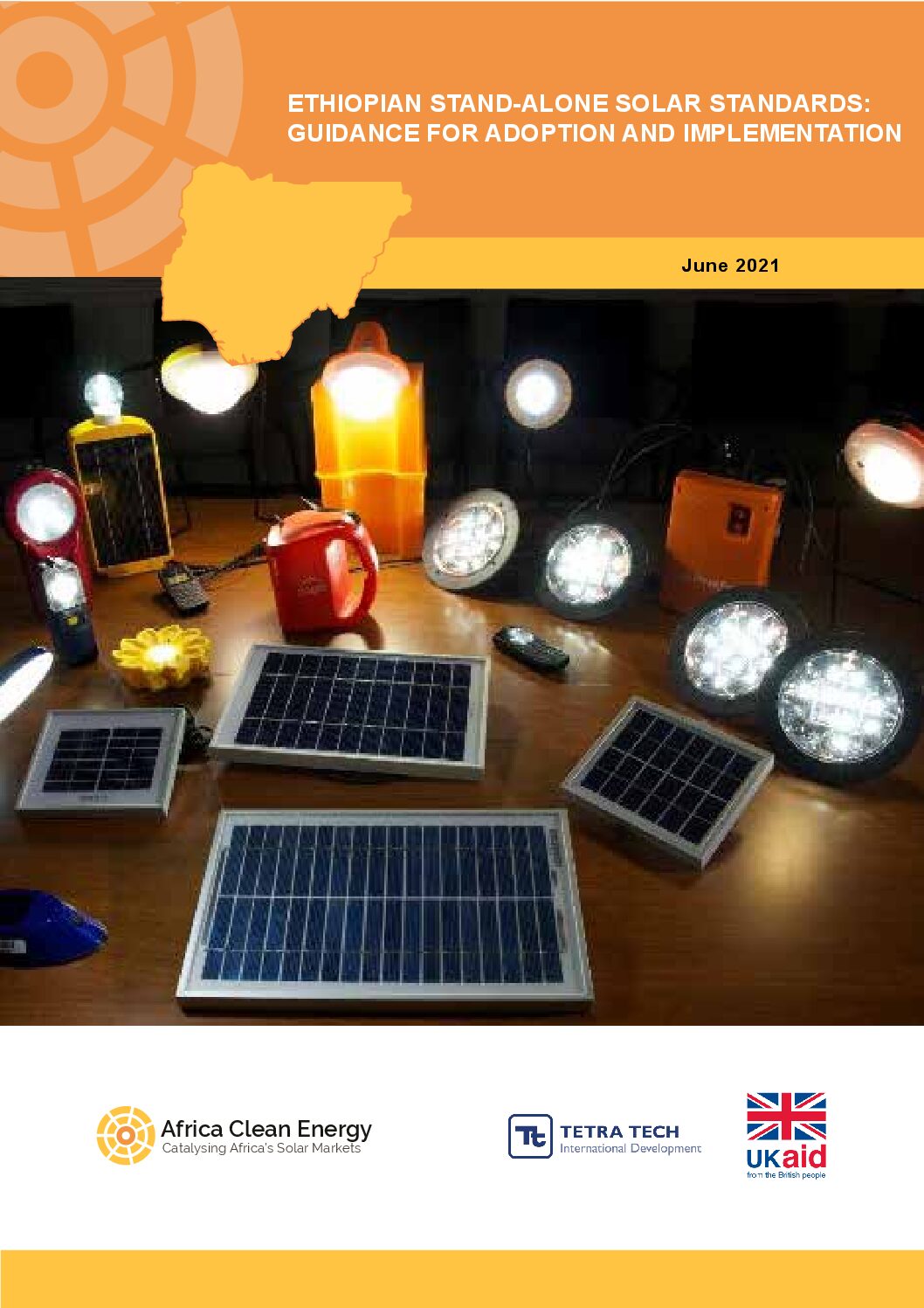
This document provides recommendations to guide relevant stakeholders in the development and implementation of a quality assurance (QA) framework for stand-alone solar (SAS) products in Ethiopia.
This page presents quality standards for solar home system kits in various versions and languages.
This page presents quality standards for pico-PV solar kits in various versions and languages.