
This second edition from 2025 provides an update to the landmark report from 2019, based on a new survey of 1192 individuals working in the sector, and 233 companies and organizations. The headline finding was that despite widespread efforts, the share of women in renewable energy has not grown over the past six years: it … Continue reading “Renewable energy: A gender perspective (Second edition)”
This report provides baseline data on women’s employment in renewable energy, as well as information on barriers to gender equality and recommendations to close gender gaps.
This report provides baseline data on women’s employment in wind energy, as well as information on barriers to gender equality and recommendations to close gender gaps.
This report provides baseline data on women’s employment in solar energy, as well as information on barriers to gender equality and recommendations to close gender gaps.
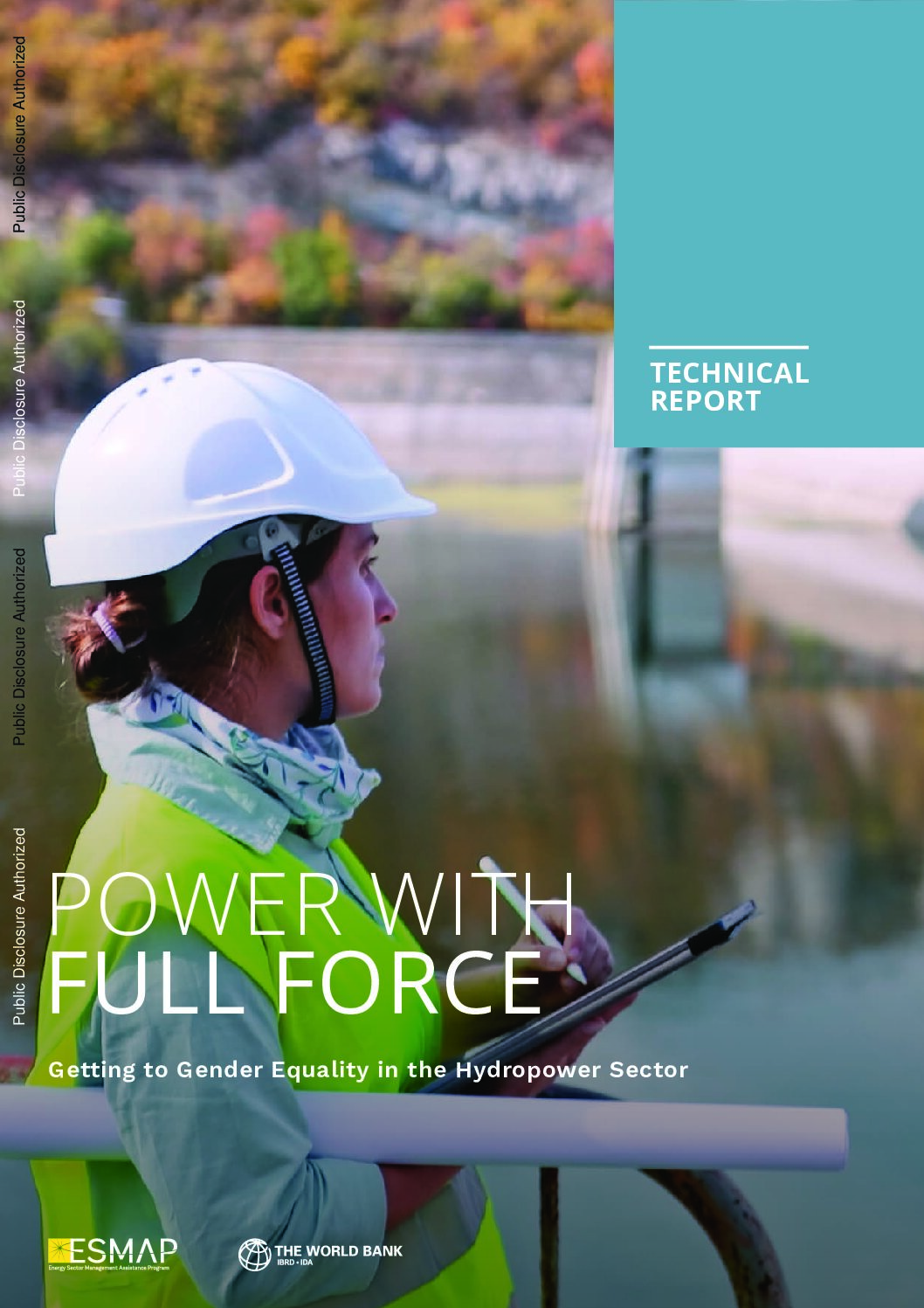
This report provides baseline data on women’s employment in hydropower, as well as information on barriers to gender equality and recommendations to close gender gaps.
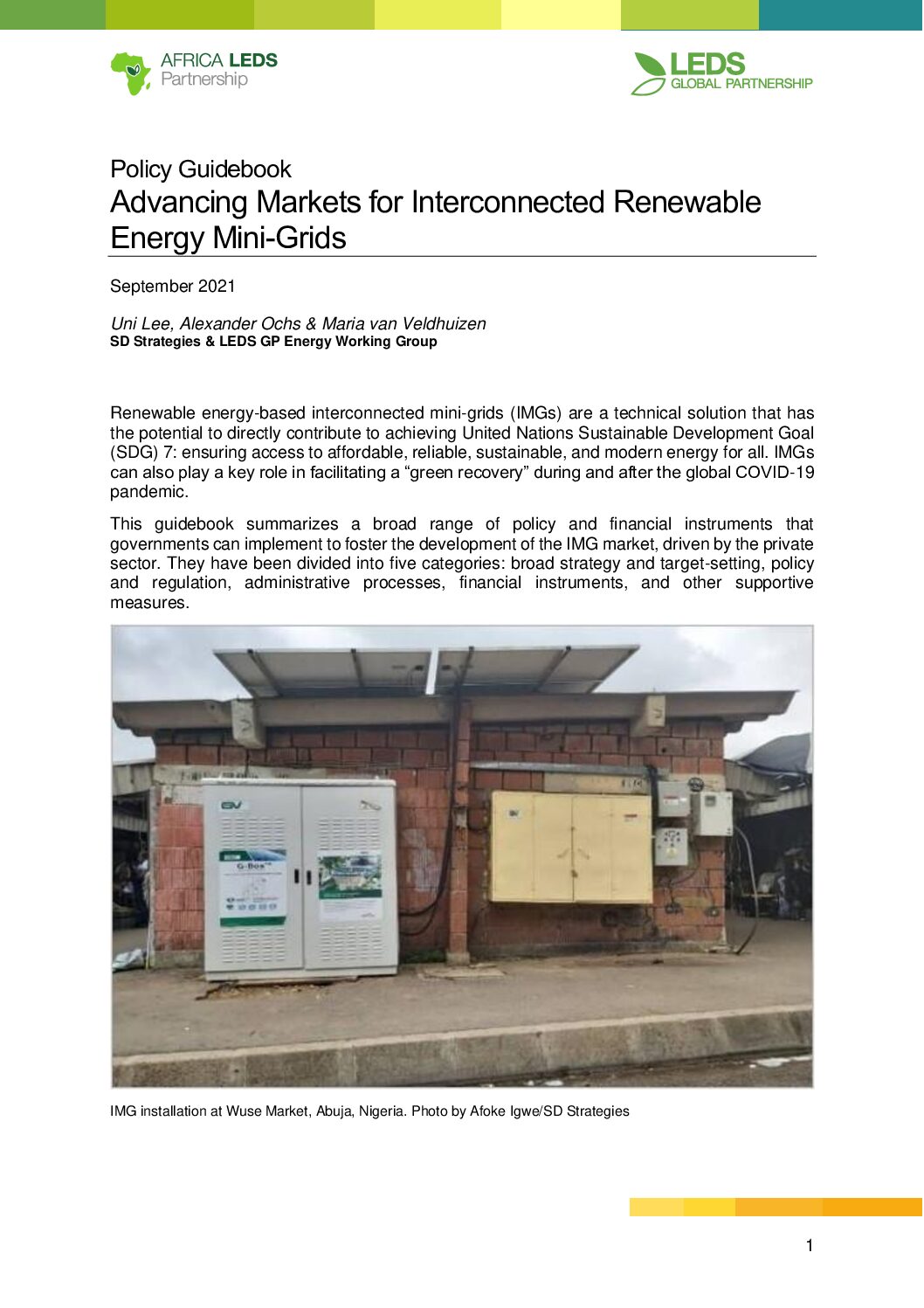
This guidebook summarizes a broad range of policy and financial instruments that governments can implement to foster the development of the interconnected mini-grid market, driven by the private sector.
This article explores how system planning, and in particular assessments of system adequacy, will need to innovate and evolve to allow power systems to keep delivering secure and affordable electricity supply during energy transitions.
This report investigates opportunities to reduce consumption of scarce raw materials by recycling metals and other resources from energy technologies such as wind turbines, solar PV panels and batteries.
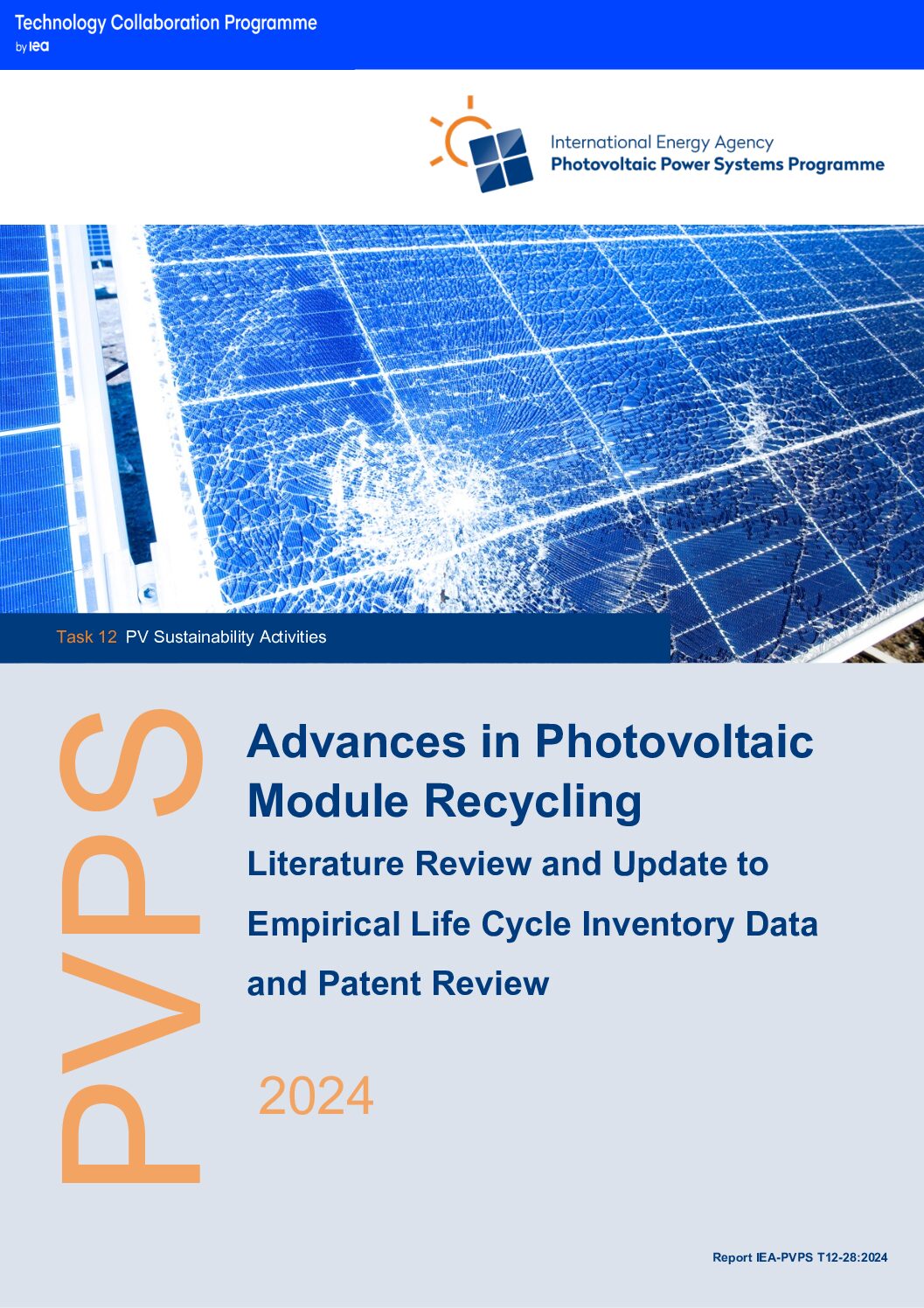
This study identifies advances in PV recycling technology that have the potential to be affordable, technically feasible, and environmentally responsible.
This paper presents a value chain approach to identify priority areas for developing national hydrogen strategies, focussing on emerging and developing economies.