
The Industrial Deep Decarbonisation Initiative, established by the UN Industrial Development Organization (UNIDO) and the Clean Energy Ministerial, is a coalition of governments and companies. Among its goals, it seeks to motivate governments, which are major buyers of steel, cement and concrete for infrastructure projects, to apply sustainable procurement principles and prioritise the buying of … Continue reading “Decarbonizing steel, cement and concrete: An overview of the Industrial Deep Decarbonisation Initiative”
This guidance note outlines the advantages and risks of pumped storage hydropower projects, and provides advice for how projects can be structured and funded.
This report provides baseline data on women’s employment in hydropower, as well as information on barriers to gender equality and recommendations to close gender gaps.
This web portal provides an extensive introduction into hydropower technology, policy, financing and more.
These guidelines aim to support countries to improve their policies, technologies and environmental conditions for the deployment of small hydropower.
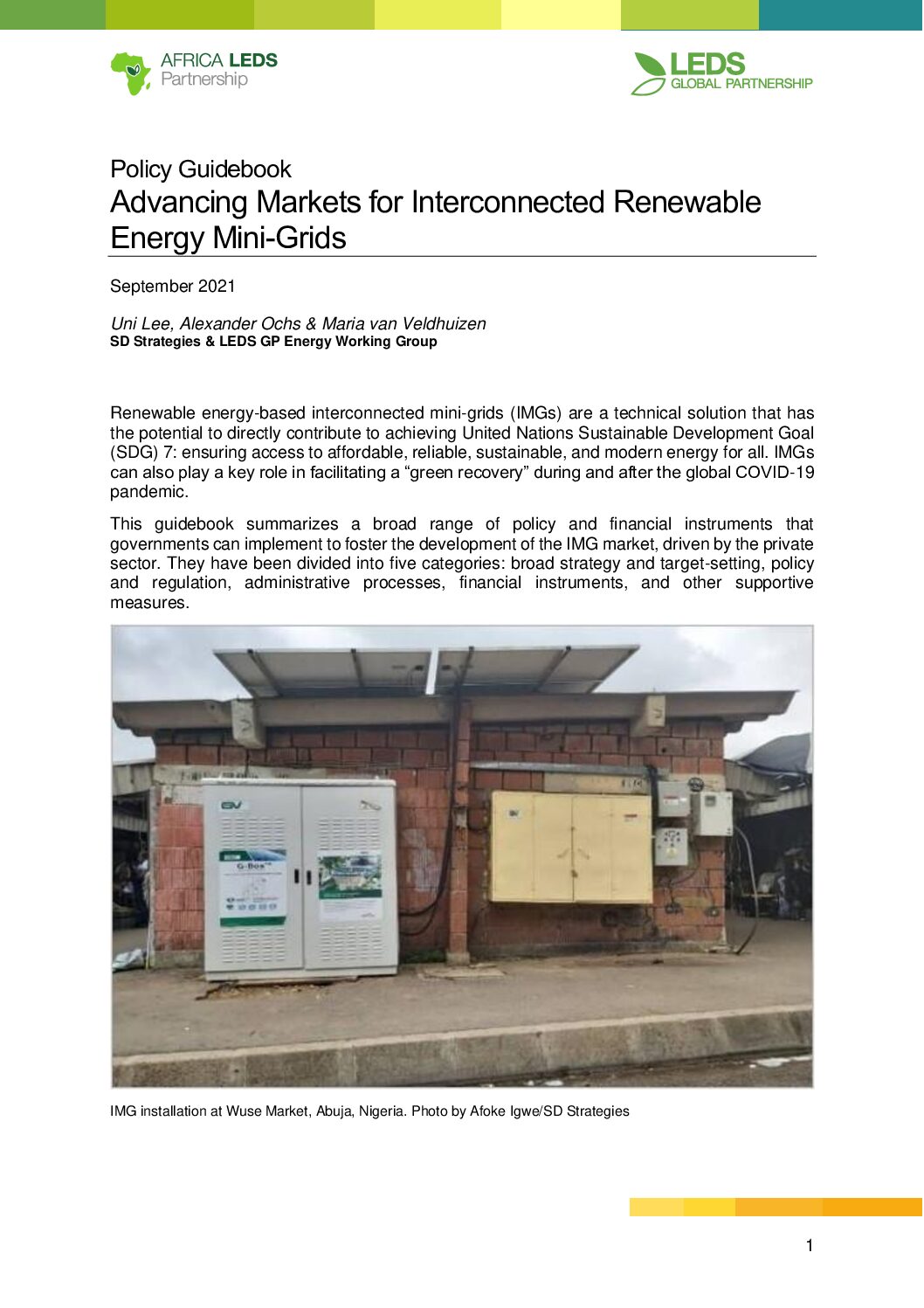
This guidebook summarizes a broad range of policy and financial instruments that governments can implement to foster the development of the interconnected mini-grid market, driven by the private sector.
This report provides an extensive overview of the hydropower sector in Cameroon, including technologies, project management, and socio-economic and environmental context, and offers an assessment of the feasibility of a specific micro-hydro project in Yaoundé.
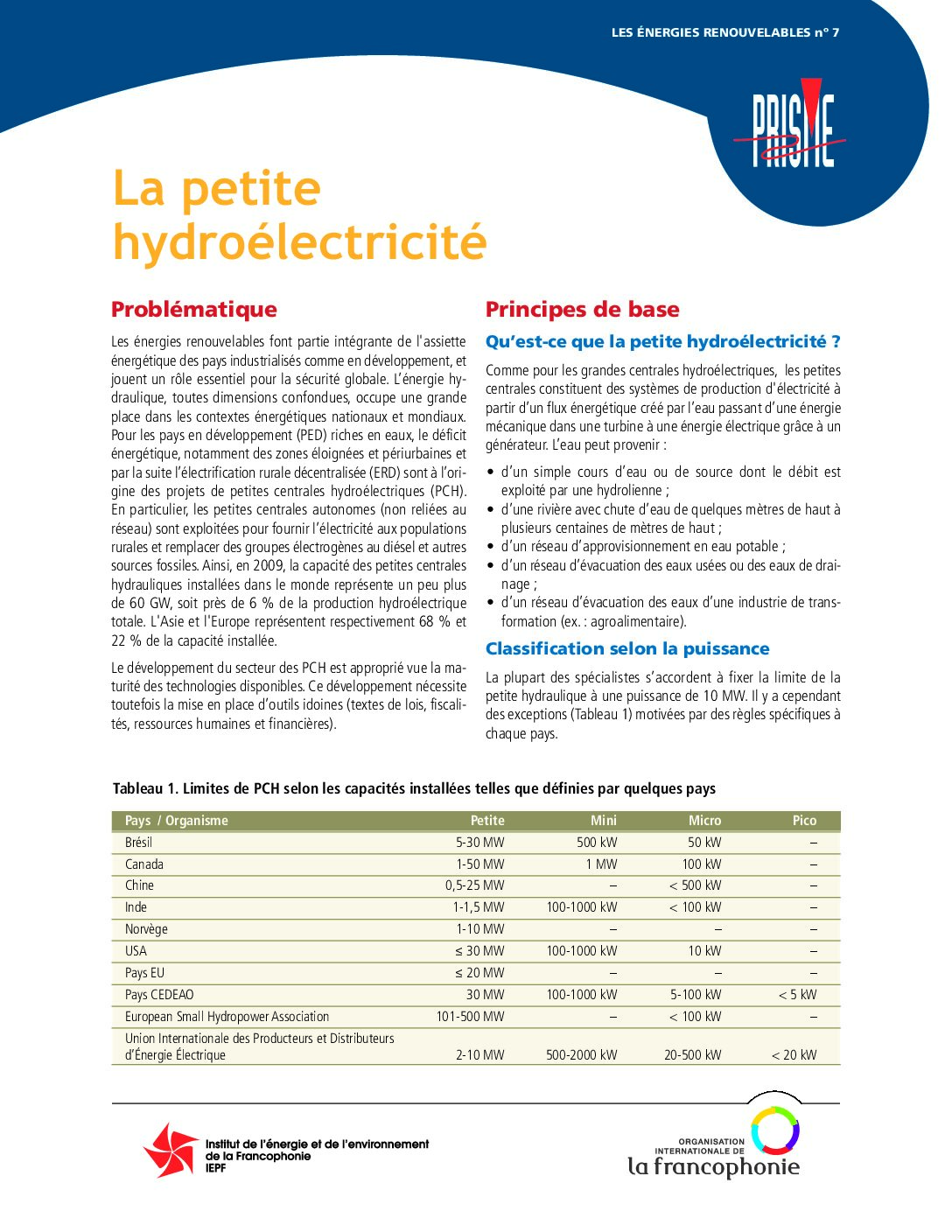
This brief provides an introduction to small hydropower generation, with information on potentials, technologies, system sizing and project design, project steps and investment needs.
These guidelines provide advice on the development of green hydrogen clusters, which are industrial clusters that share green hydrogen and renewable energy for various purposes and can significantly contribute to industrial decarbonisation.