

The Industrial Deep Decarbonisation Initiative, established by the UN Industrial Development Organization (UNIDO) and the Clean Energy Ministerial, is a coalition of governments and companies. Among its goals, it seeks to motivate governments, which are major buyers of steel, cement and concrete for infrastructure projects, to apply sustainable procurement principles and prioritise the buying of … Continue reading “Decarbonizing steel, cement and concrete: An overview of the Industrial Deep Decarbonisation Initiative”
This report identifies opportunities for Latin American and Caribbean countries in global renewable energy value chains. It focuses particularly on countries with significant mineral reserves, including Bolivia and Ecuador.
This executive summary gives a brief overview of global solar PV supply chains, with a lot of data and interesting visuals.
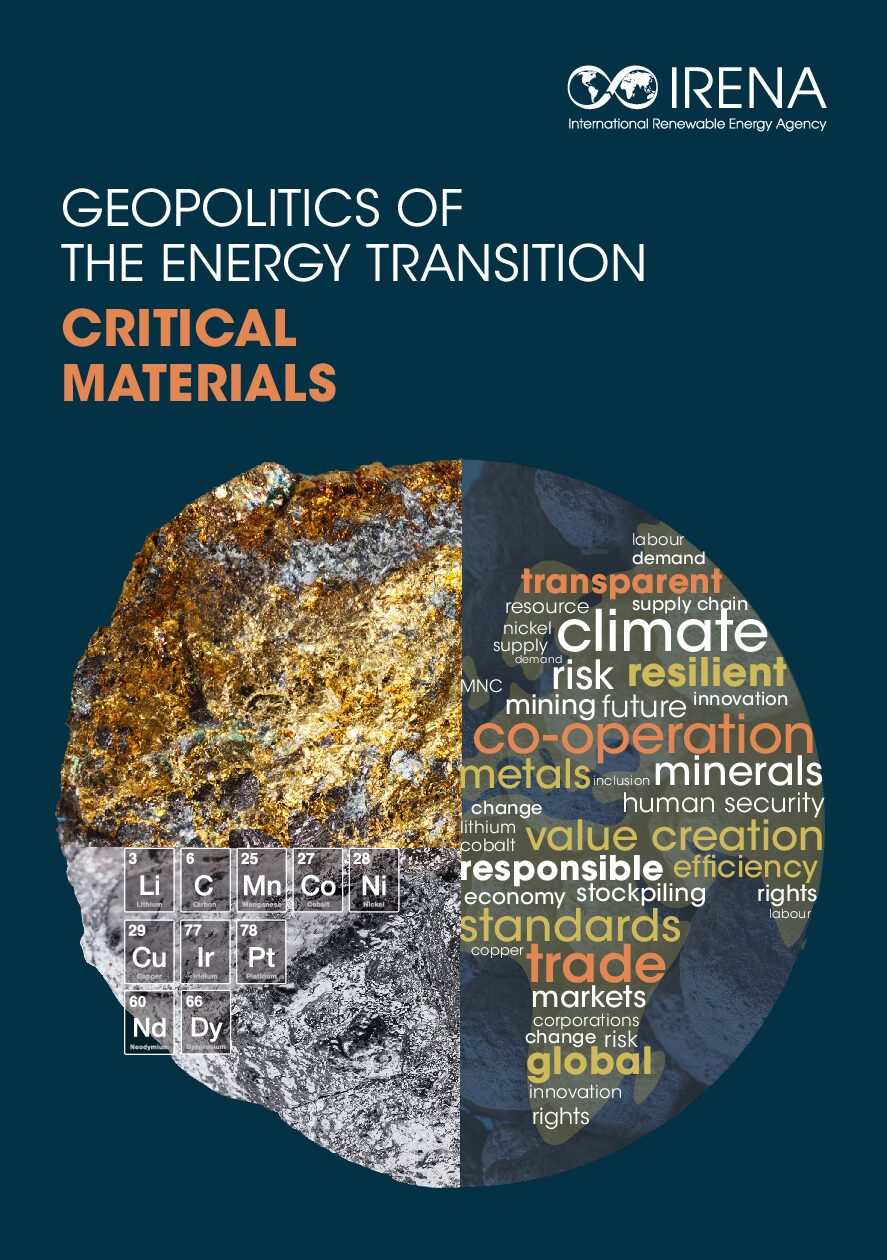
This report dispels myths about geopolitical issues around the need for critical materials for the energy transition, and concerns about dependency.
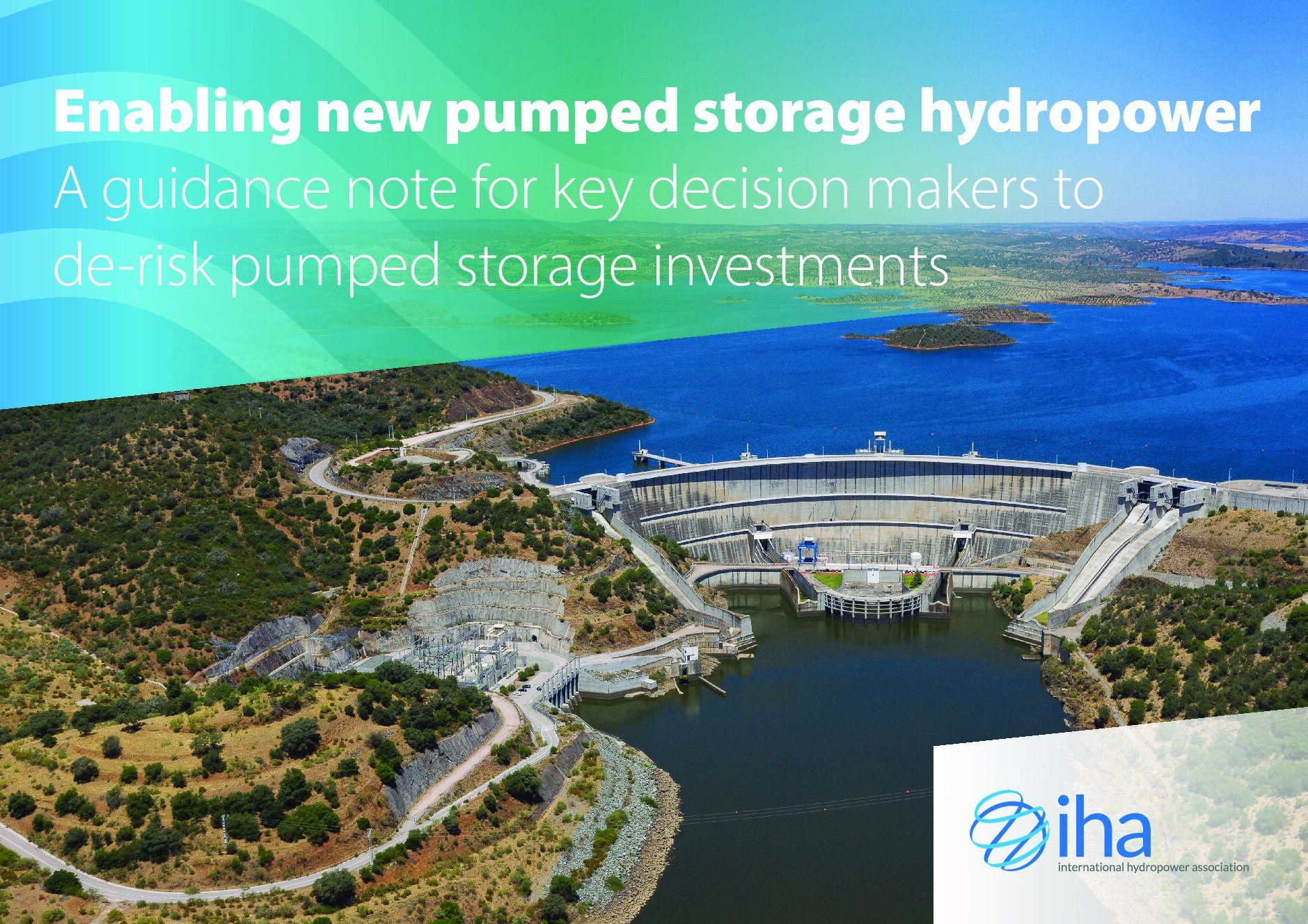
This guidance note outlines the advantages and risks of pumped storage hydropower projects, and provides advice for how projects can be structured and funded.
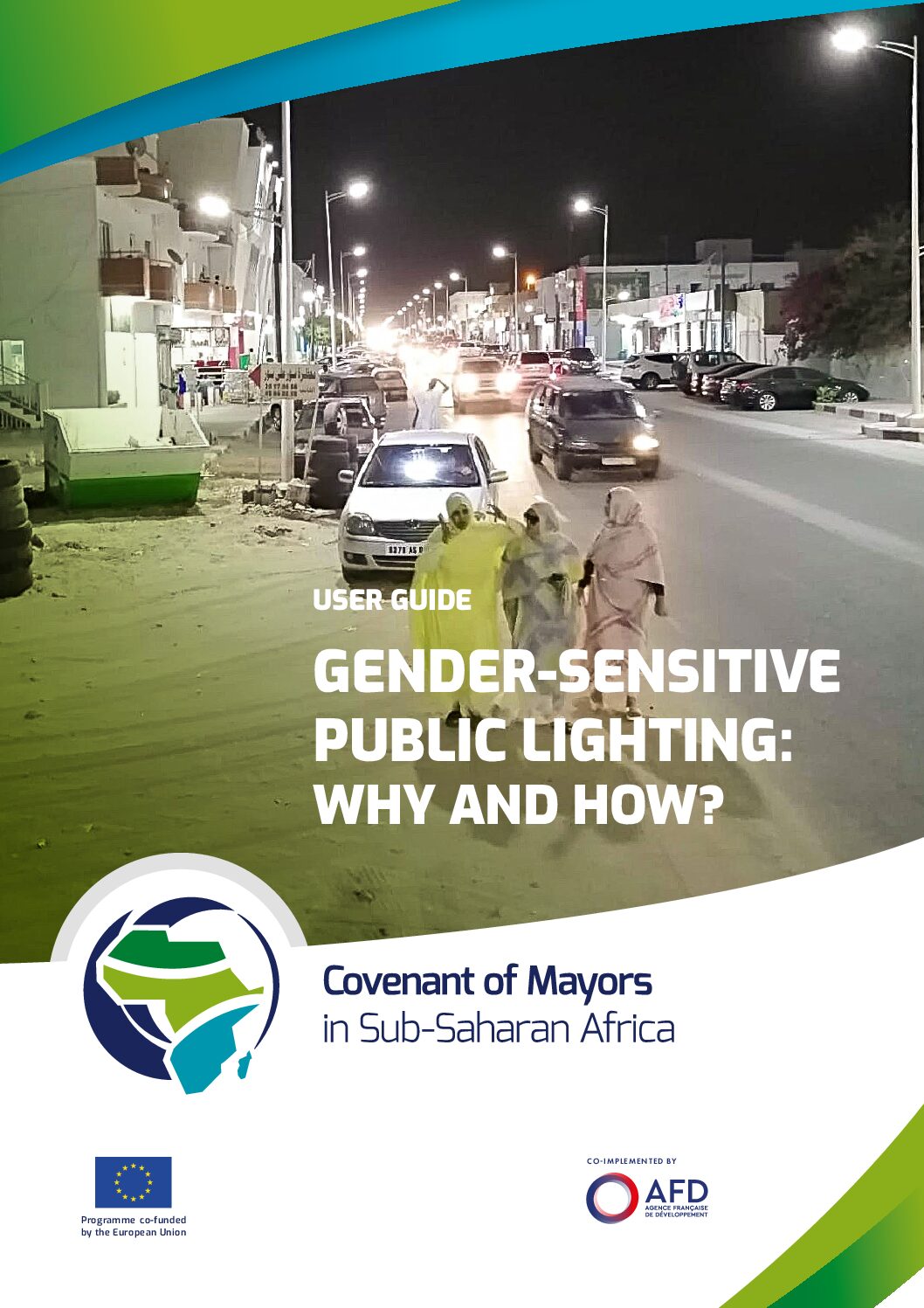
This guide by the Covenant of Mayors of Sub-Saharan Africa shows that urban planning tends to be gender blind, with the design of urban street lighting as a key example. It provides a manual, aimed at African cities, on how to develop gender-responsive public lighting projects. English: https://comssa.org/download/rxeWs6zcOXbTl8qRidGZ9nCB7EFAI4Pa/Gender-sensitive-public-lighting.pdf French: https://comssa.org/download/U3kjdTBHqV6FGKfoI71EgLY2wZrSvtz8/Eclairage-public-sensible-au-genre.pdf
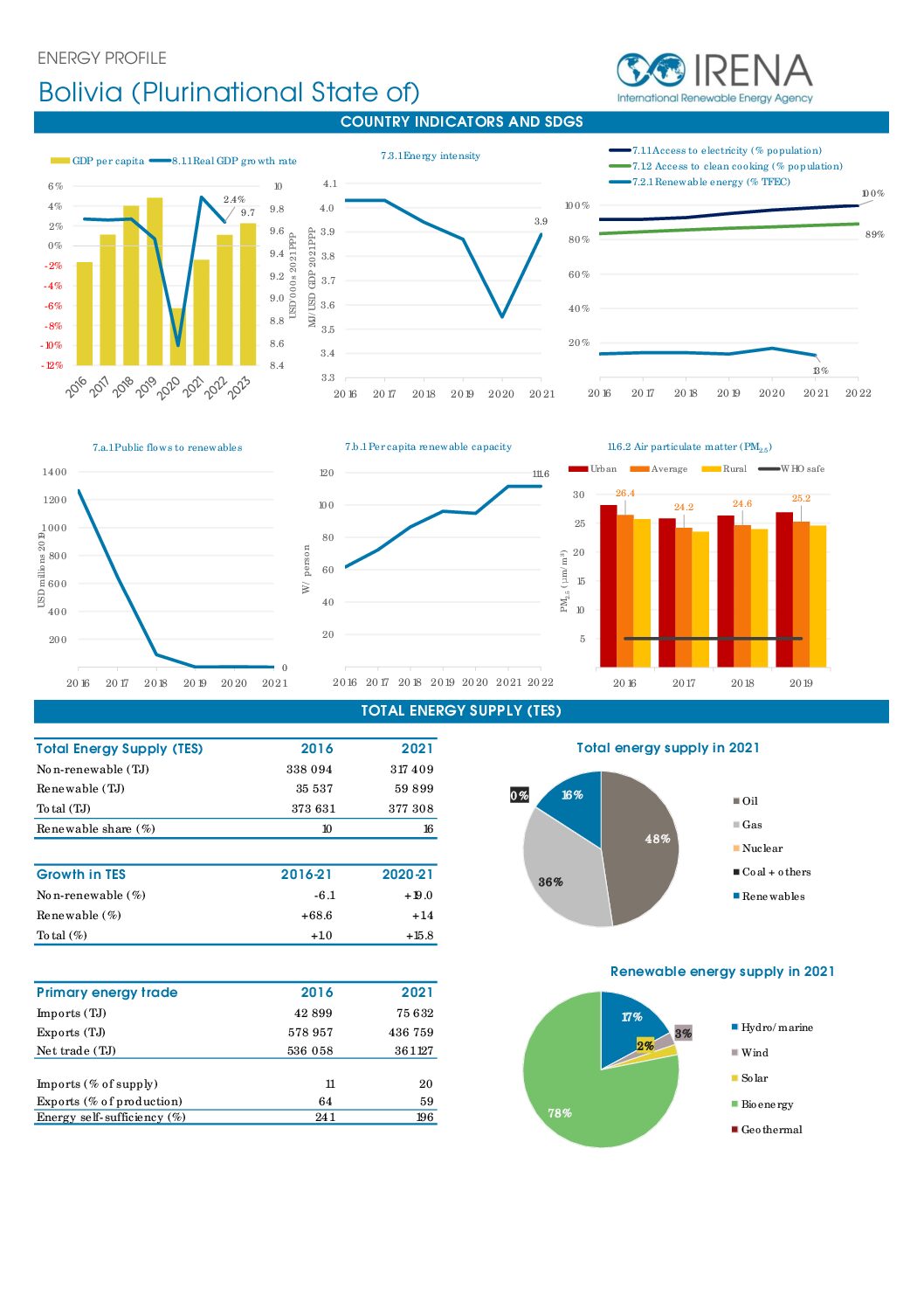
This energy profile provides recent data on the energy sector of Bolivia, including generation mix,total generation, renewable energy potential and more.
This web page provides an overview of the energy sector of Bolivia, including data on the energy mix, energy use and emissions; and a policy overview.
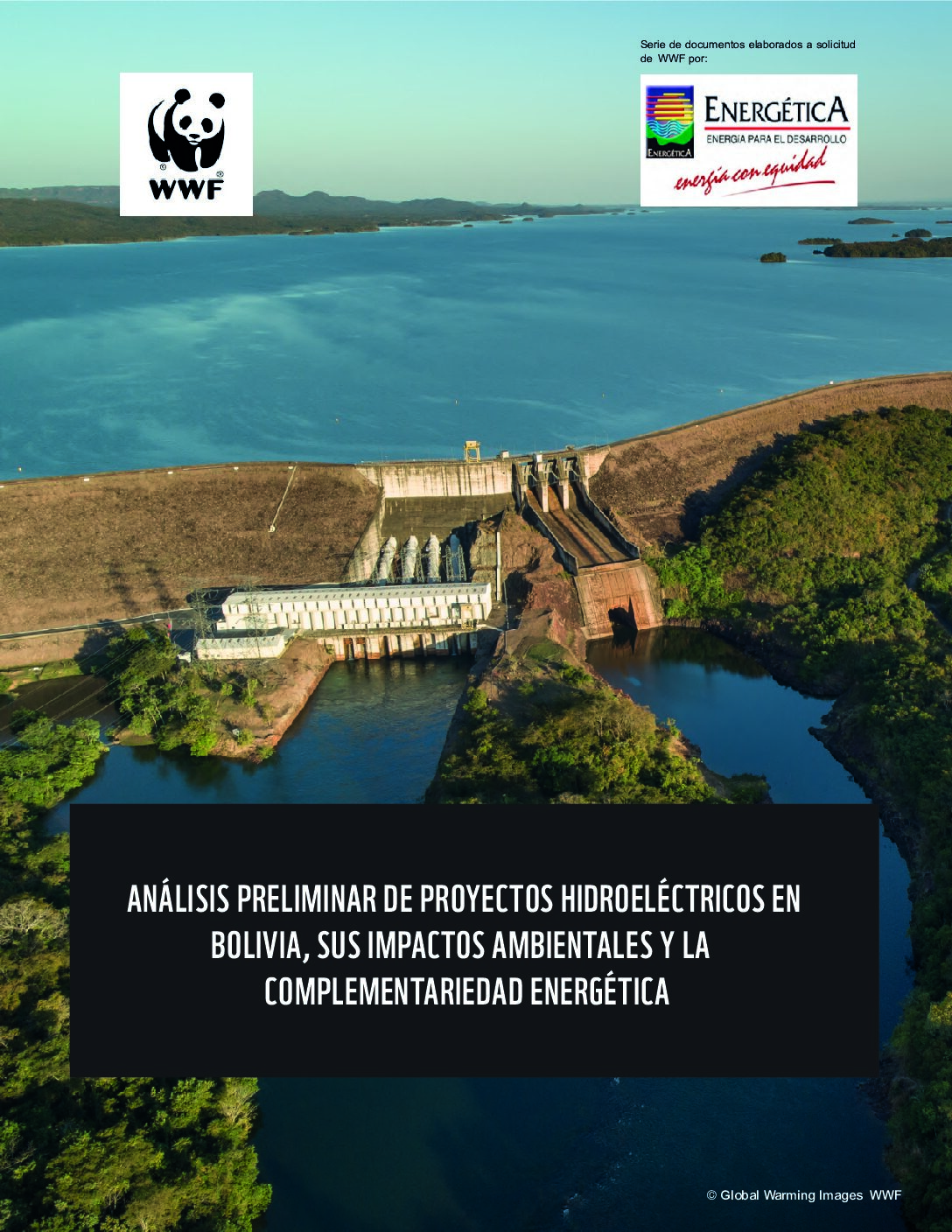
This document conducts an initial assessment of the environmental impacts of hydroelectric projects in ENDE’s portfolio and identifies the need for energy complementarity with other renewable sources.
This article presents the results of a hydrological study to inform the design of small hydropower plants in three municipalities in the La Paz department.