
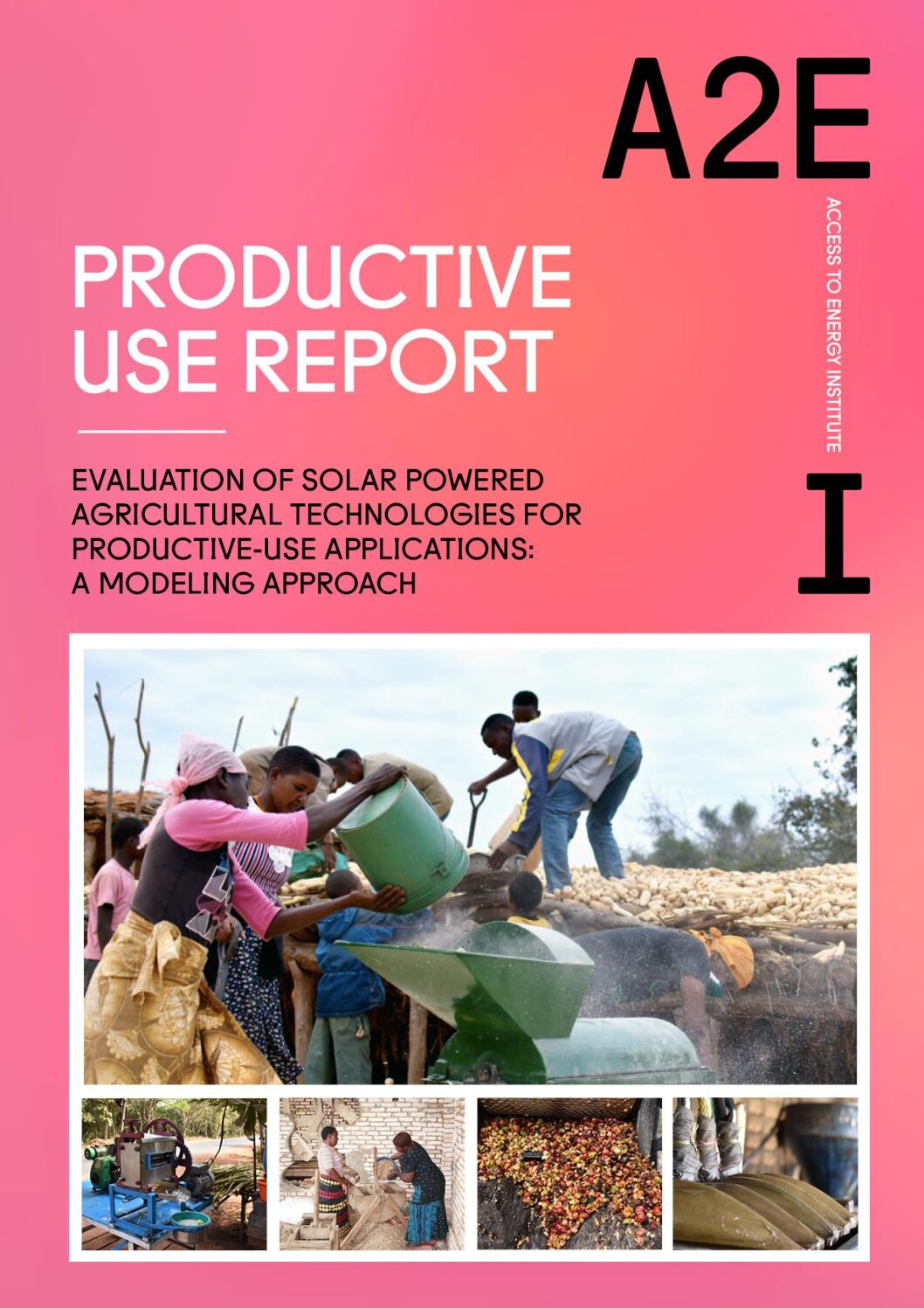
This report uses economic modelling to investigate the viability of ten different productive use applications of solar power in agriculture (oil extraction, maize shelling, rice hulling, fruit juice making, sugar cane juicing, fruit drying, flour milling, peanut shelling and coffee pulping). It investigates each technology in detail and then calculates the profits and other benefits … Continue reading “Productive Use Report – Evaluation of solar-powered agricultural technologies for productive-use applications: A modelling approach”
This policy brief discusses why PUE projects should adopt a gender-responsive approach to enhance their effectiveness, as gender blind PUE initiatives are more likely to benefit men than women. It explains how gender-responsive approaches benefit both men and women, and provides policy recommendations for maximizing those benefits.
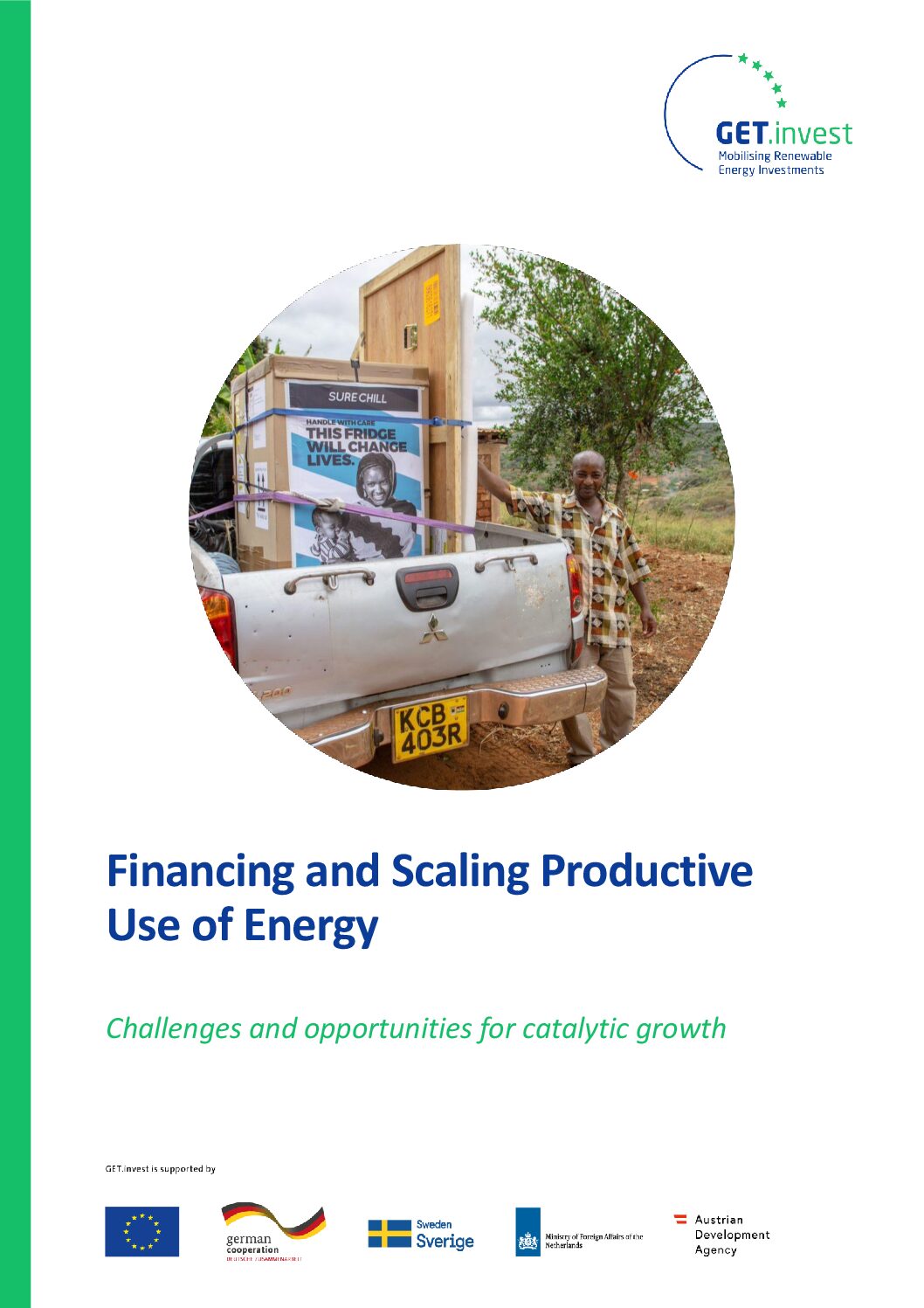
GET.invest is a programme funded by the EU and several of its member states, that mobilises investment in renewable energy in low- and middle-income countries, including by providing coaching to renewable energy companies and linking them with investors. This report assesses the current state of PUE finance, highlights challenges to scaling up investment in PUE, … Continue reading “Financing and Scaling Productive Use of Energy: Challenges and opportunities for catalytic growth”
This Energypedia article explains how to undertake a PUE assessment as part of a mini-grid development project, to evaluate the potential and feasibility of different types of PUE to support community income generation and mini-grid viability.
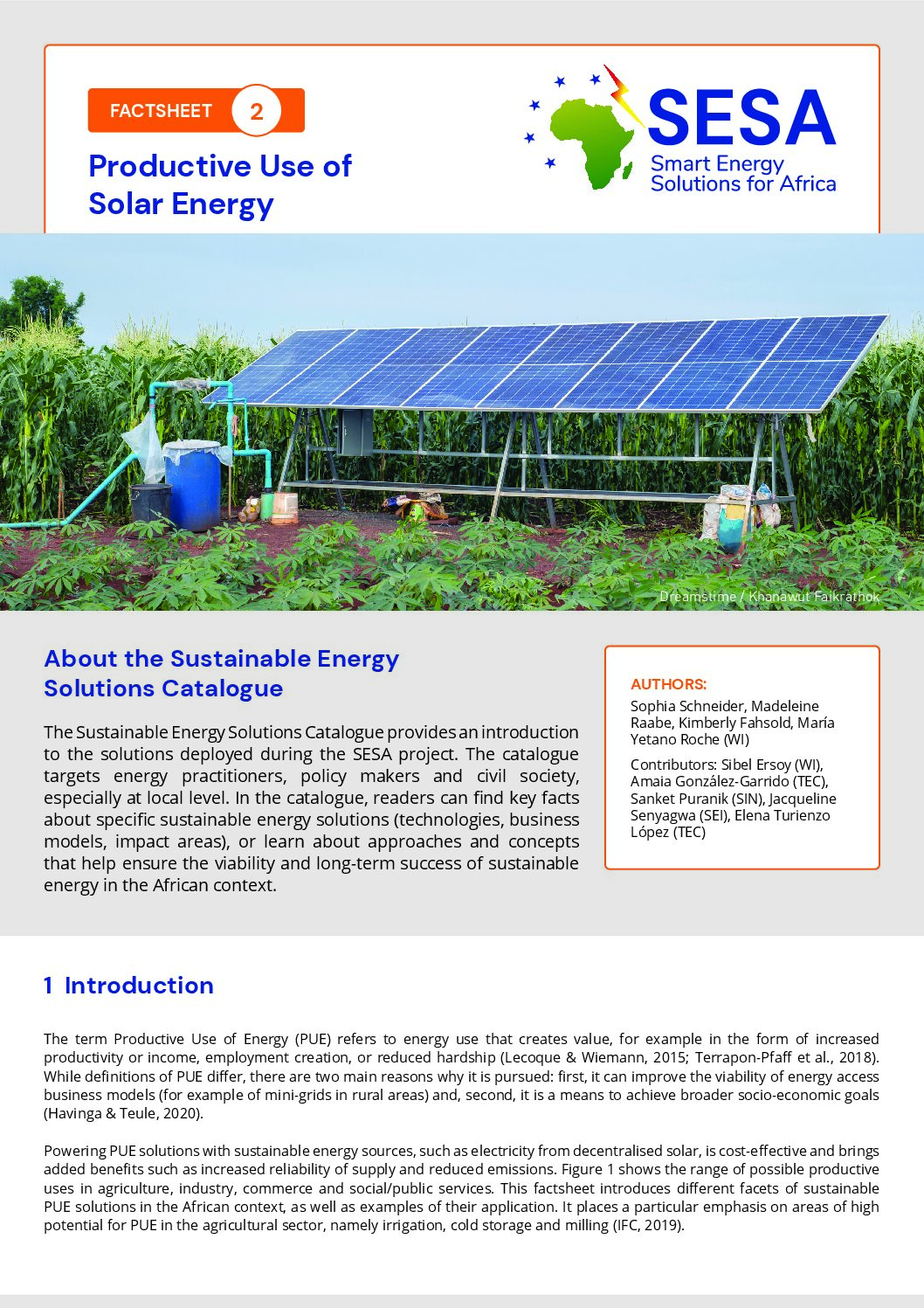
This fact sheet provides a quick overview of different PUE technologies and business and financing models, as well as their socio-economic and sustainability impacts, and their upscaling potential.
People need water, energy, and food to sustain their livelihoods, grow economies, and achieve sustainable development. The interactions between these resource sectors form the crux of water-energy-food (WEF) nexus assessments. This study analyses the WEF nexus of 54 African nations and identifies bottlenecks resulting from water, energy, or food insecurity.
This report calls for greater cross-sectoral collaboration to advance energy, water and food security in Africa, highlighting how synergies between the sectors of water, energy and food create a multiplier effect, ensuring a greater return of investment.
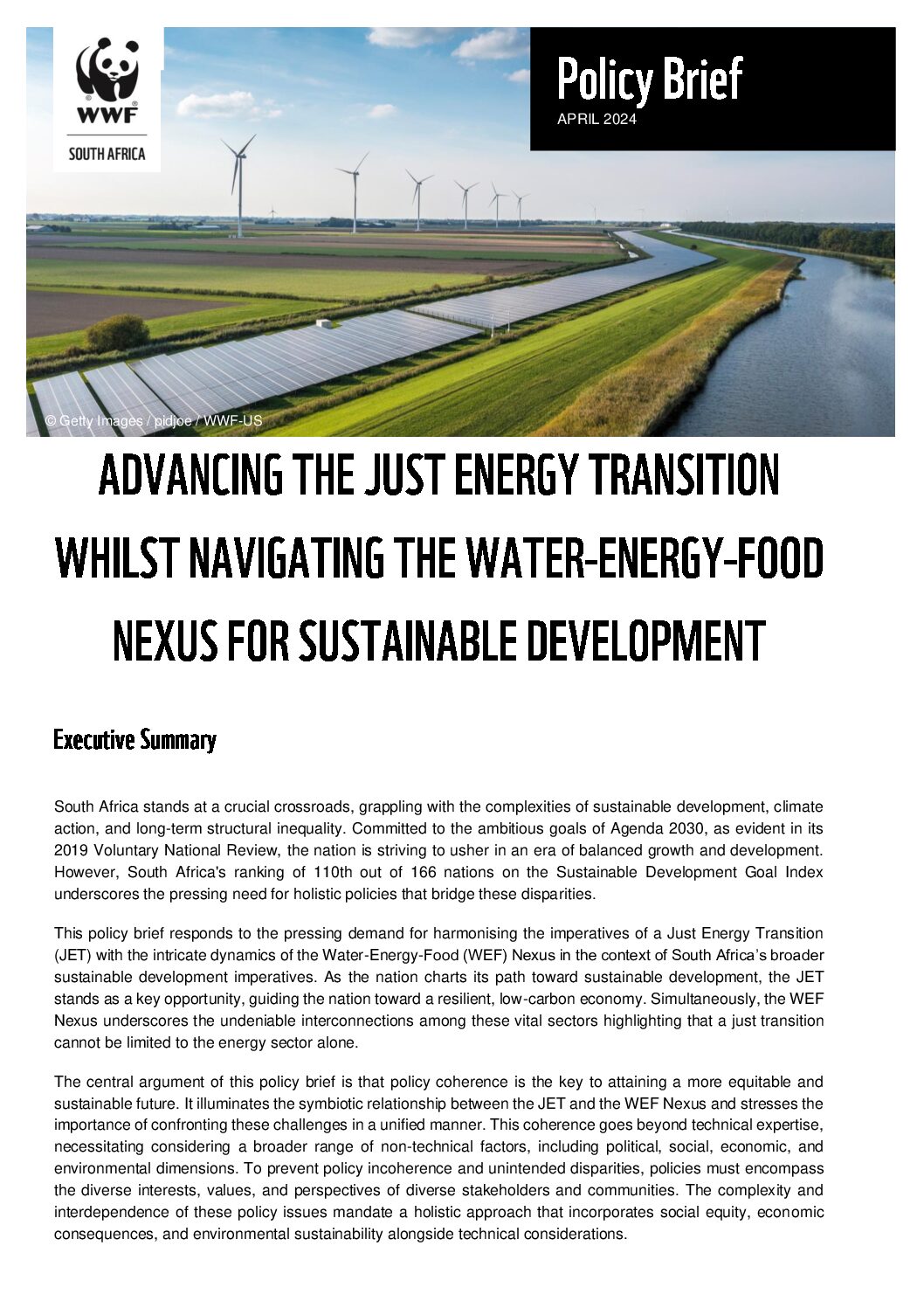
This policy brief responds to the pressing demand for harmonising the imperatives of a Just Energy Transition (JET) with the intricate dynamics of the Water-Energy-Food (WEF) Nexus in the context of South Africa’s broader sustainable development imperatives.
This report analyses linkages in the water-energy-food-ecosystem nexus – essentially resource management trade-offs and synergies — in transboundary river basin settings. It draws on 36 nexus case studies from transboundary river basins in Europe, Asia, Africa and the Americas, providing lessons for transboundary management and cooperation.
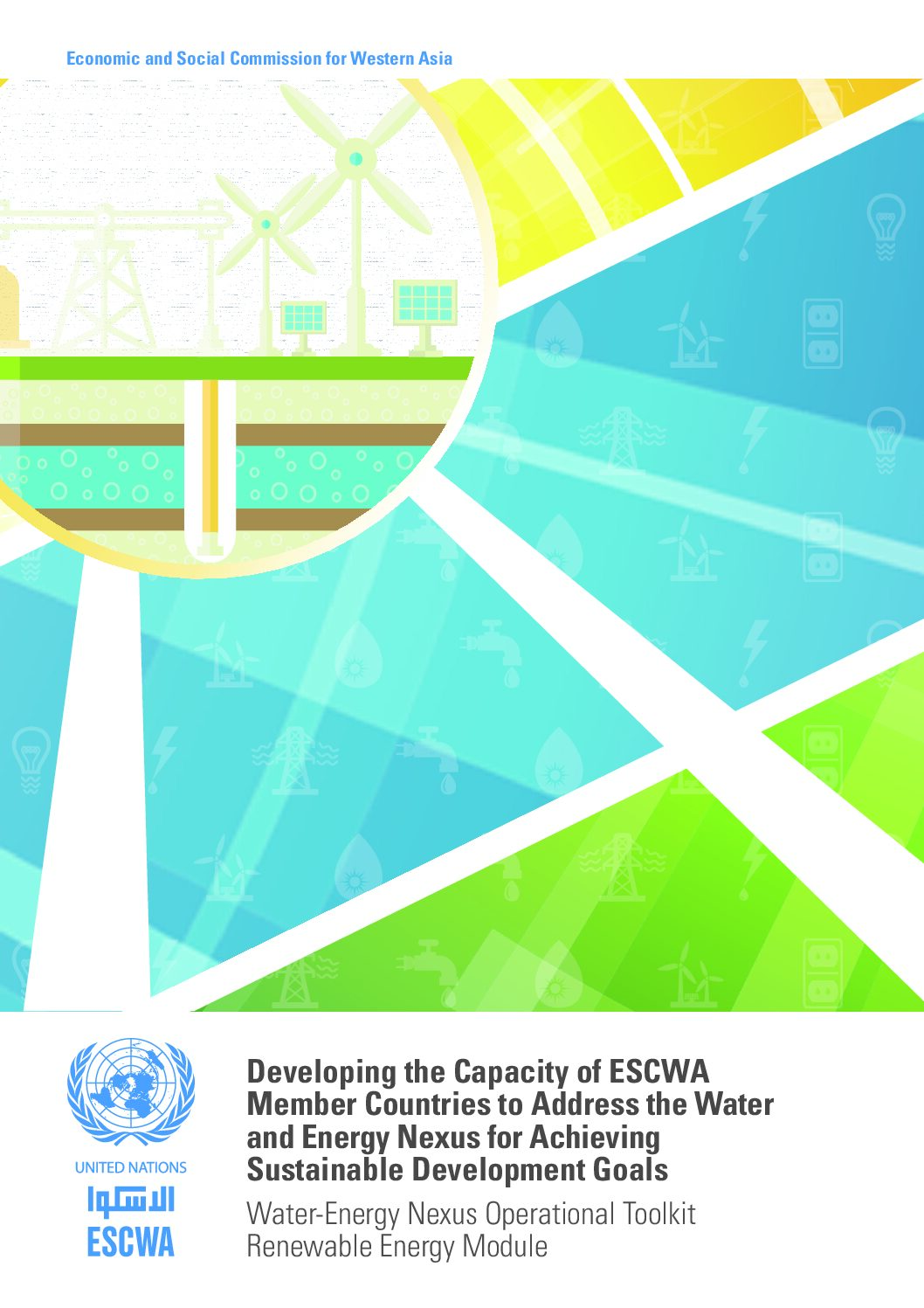
This is a training module on the nexus between renewable energy and water management.