
This publication aims to provide city managers, urban planners and other stakeholders with an overview of key aspects of electric mobility and an outline of the core principles that can guide them in developing their strategies to increase its uptake.
This publication provides templates to support any city authority, business, institution or charity that wishes to effect a positive change in mobility behaviour.
This report analyses linkages in the water-energy-food-ecosystem nexus – essentially resource management trade-offs and synergies — in transboundary river basin settings. It draws on 36 nexus case studies from transboundary river basins in Europe, Asia, Africa and the Americas, providing lessons for transboundary management and cooperation.
This toolkit presents a glossary and a list of useful resources on the water-energy-food nexus.
RENAC offers a range of affordable online courses on most technical aspects of energy transitions, from systems design to carbon pricing.
This is a training module on the nexus between renewable energy and water management.
This report highlights the economic, social and environmental benefits that energy and transport sector-coupling and a transition towards EV- and RE-based, efficient systems can create in small island settings, and provides tools for the planning of such a transition.
This paper focuses on strategies, policies, and programs that industry and government can develop to ensure that supply chains for EVs and their batteries are secure, circular, and reduce the need for mining virgin minerals, thus reducing adverse impacts on the planet and its people.
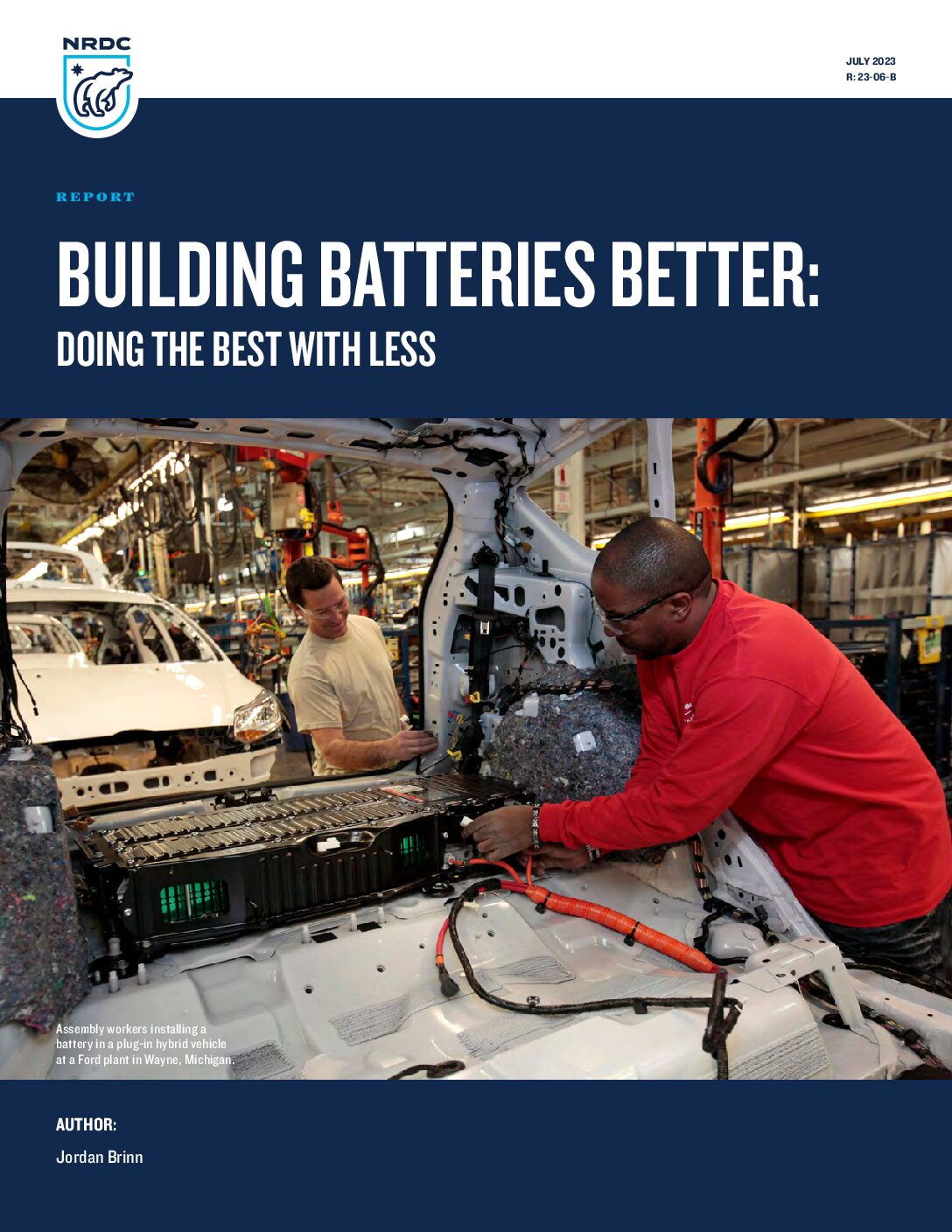
This report investigates the potential to develop circular supply chains for EV batteries.
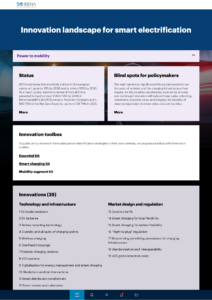
This database presents the current status, policy barriers, and key innovations for electrification of mobility, heating and cooling, and hydrogen production.