
This resource was developed by members of the Working Group on Gender & Youth in Clean Energy, within Impulsouth’s Community of Practice.
This resource was developed by members of the Working Group on Gender & Youth in Clean Energy, within Impulsouth’s Community of Practice.
This policy brief discusses why PUE projects should adopt a gender-responsive approach to enhance their effectiveness, as gender blind PUE initiatives are more likely to benefit men than women. It explains how gender-responsive approaches benefit both men and women, and provides policy recommendations for maximizing those benefits.
This study explores the impact of energy poverty on the health gap between men and women in Ghana, showing that, especially in households suffering from energy poverty, women report significantly worse health than men.
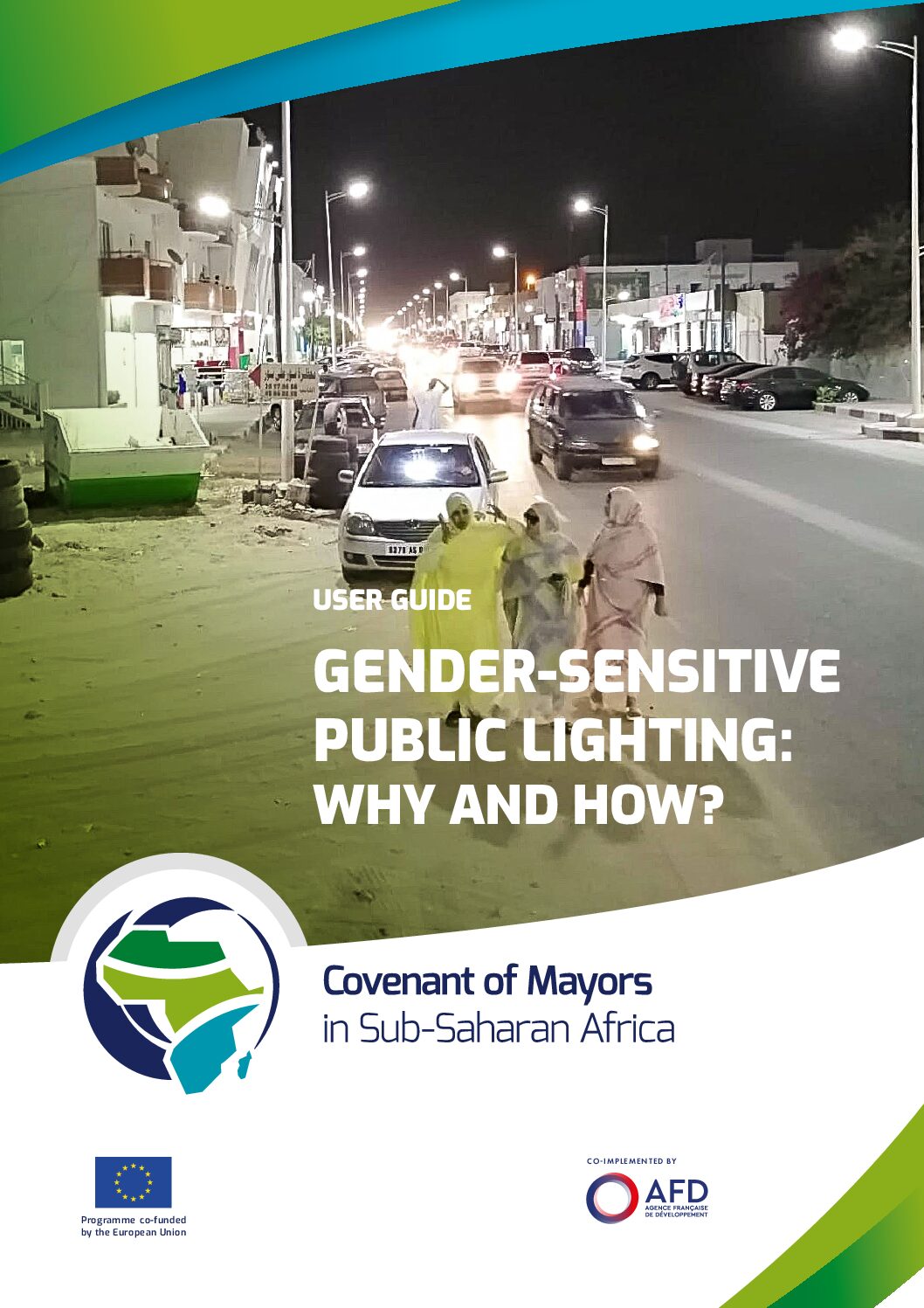
This guide by the Covenant of Mayors of Sub-Saharan Africa shows that urban planning tends to be gender blind, with the design of urban street lighting as a key example. It provides a manual, aimed at African cities, on how to develop gender-responsive public lighting projects. English: https://comssa.org/download/rxeWs6zcOXbTl8qRidGZ9nCB7EFAI4Pa/Gender-sensitive-public-lighting.pdf French: https://comssa.org/download/U3kjdTBHqV6FGKfoI71EgLY2wZrSvtz8/Eclairage-public-sensible-au-genre.pdf
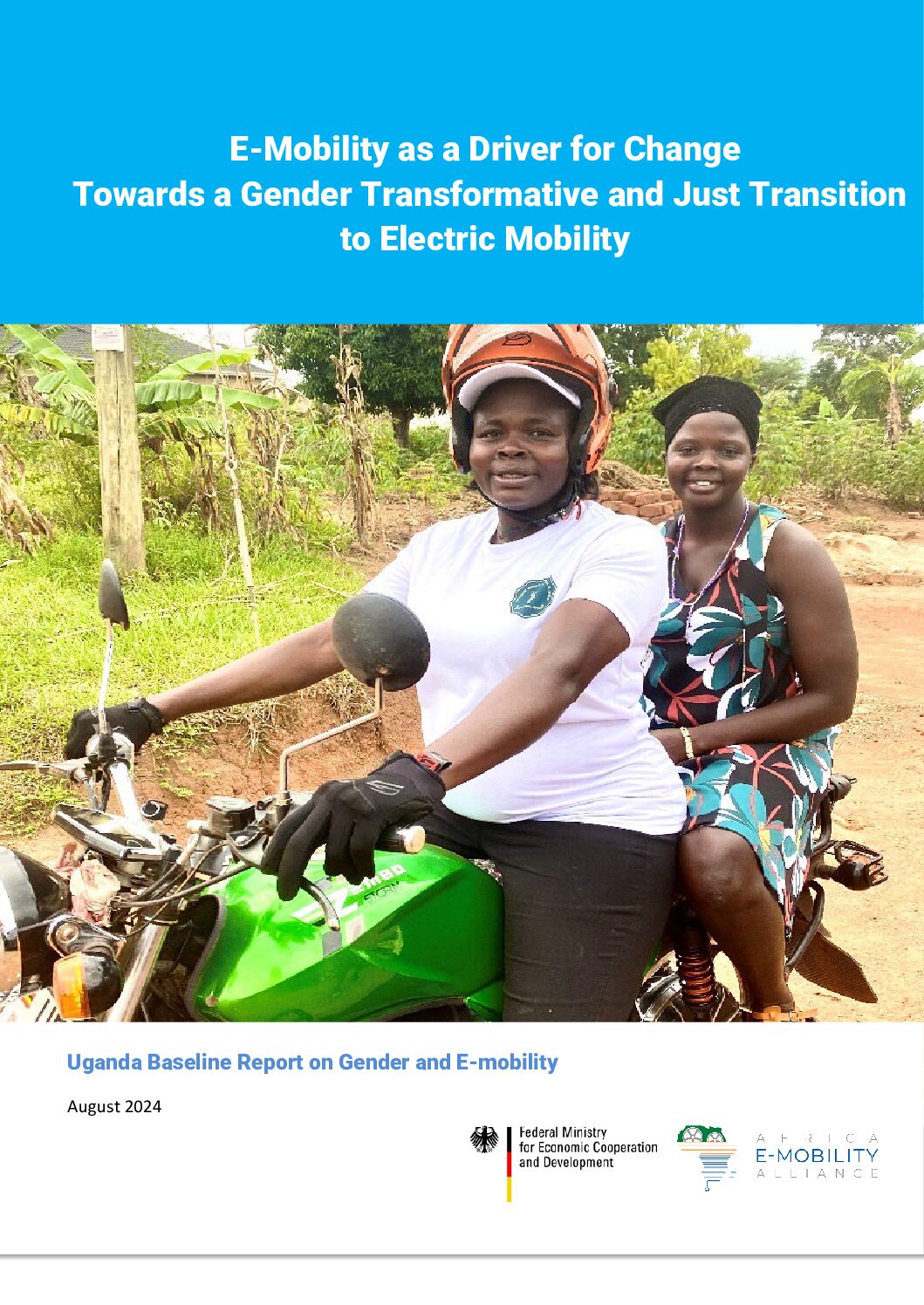
This baseline study outlines the current status of gender equality in the transport sector in Uganda, and identifies potential for the advancement of gender equality in transport while also advancing the e-mobility transition.
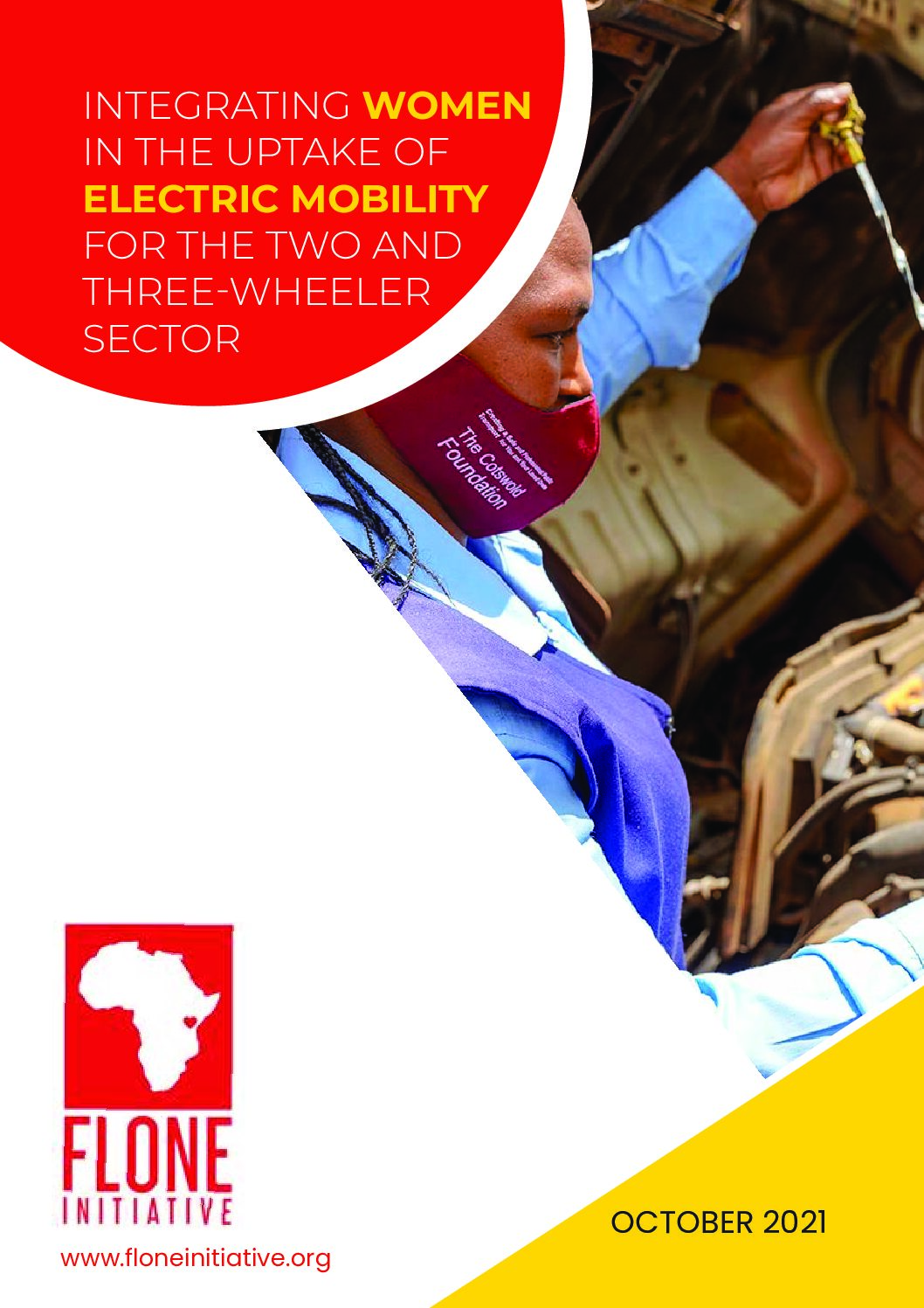
The study examines gender dimensions in the uptake of electric 2/3 wheelers in Kenya, and identifies policy gaps and available opportunities for advancing gender mainstreaming in electric mobility.
This report provides evidence to inform policy advocacy and reform at the regional and national level to ensure women benefit equally from the jobs created through the transition to a green economy in Africa.
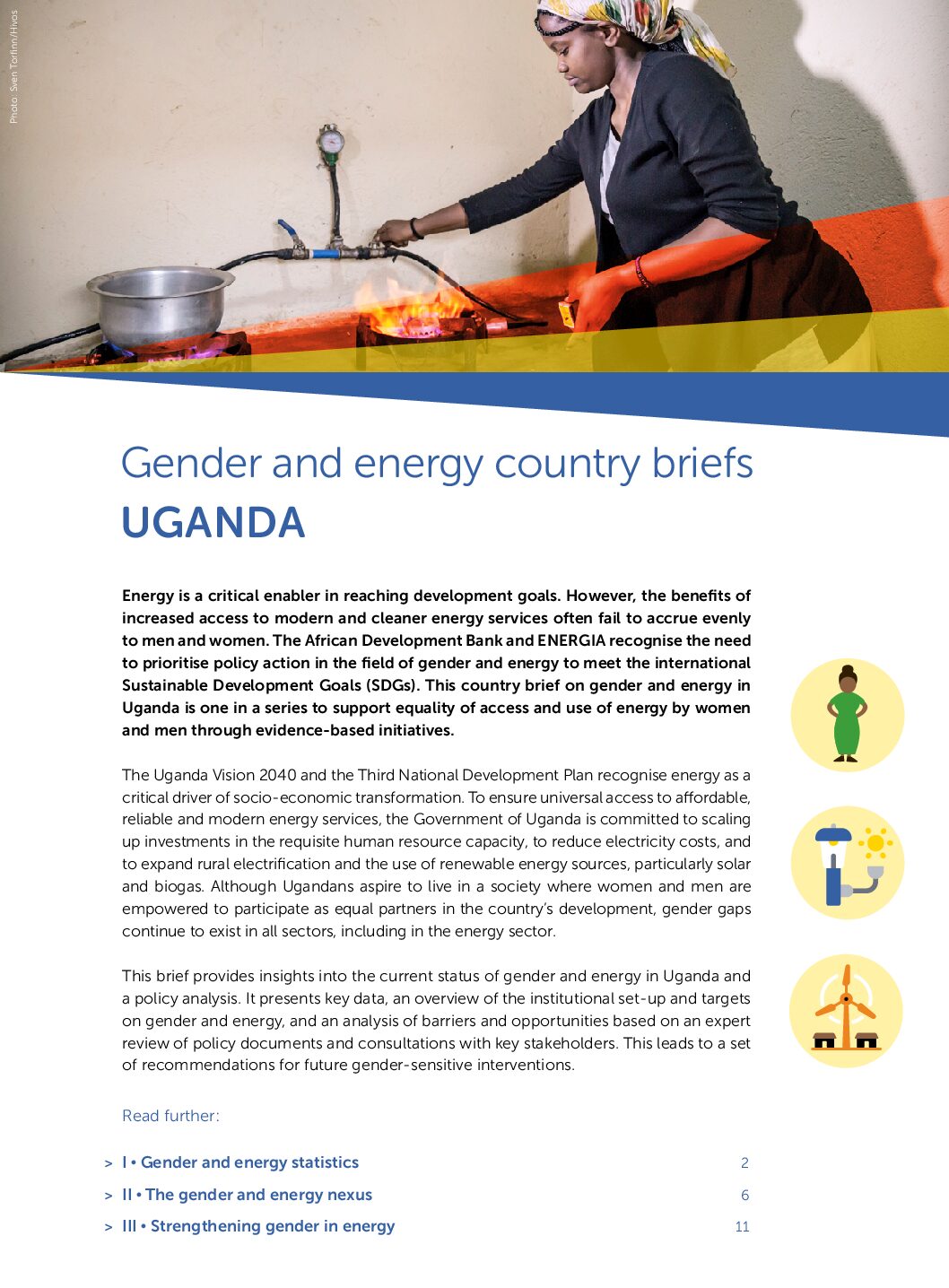
This brief provides statistics about gender and energy in Uganda, as well as an analysis of relevant policies and recommendations to further close gender gaps.
This article investigates the benefits to women of electricity access, beyond just economic benefits.