
This report explores how governments can catalyze the private sector’s role in ensuring a sustainable and just energy transition.
This report draws on the experience of members of the OECD Development Assistance Committee to identify emerging trends, good practice and lessons learned in their work with the private sector to leverage private capital, expertise, core business and market-based solutions to meeting the challenge of making development sustainable.
This report aims to quantify the investments required to build modern, clean energy systems and identify the policy actions and financial instruments that can deliver a major acceleration in private capital flows for the energy transition.
This brief discusses the fundamentals of private sector engagement in development cooperation and provides good practice case studies.
This report examines the trends of renewable energy investment and finance in Sub-Saharan Africa (Chapter 2), driven by regional and national plans, targets and strategies for the sector (Chapter 3), and the policy environment for renewables in the region (Chapter 4).
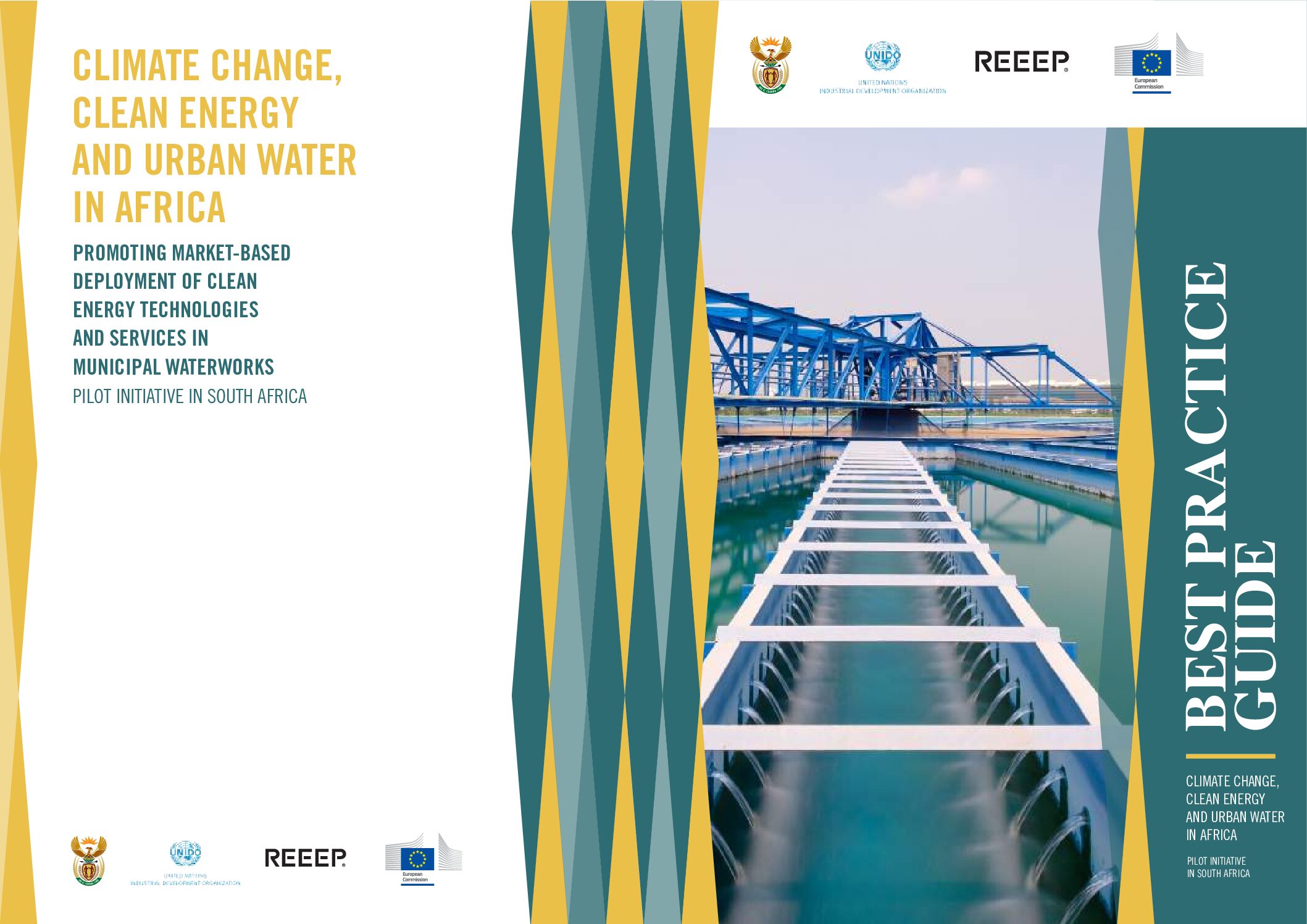
This step-by-step guide suggests the key elements that municipal officials need to consider to implement clean energy/energy efficiency projects in waterworks or other municipal operations. It provides information on developing strategies, formulating plans, providing adequate capacity and mobilising resources for successful origination and implementation of a project.
This database provides different dashboards presenting data on the latest investment and operational trends in clean cooking, including carbon market data and customer perceptions of clean cooking companies’ products and services.
This page presents the Principles for Responsible Carbon Finance in Clean Cooking, developed by the CCA.
This blog assesses the opportunities of carbon finance to fill financing gaps for clean cooking, and highlights the integrity, reputational and regulatory risks associated with the sale of carbon credits.
This study identifies gaps in clean cooking financing and recommends reforms to public funding for clean cooking enterprises, especially for research, development and demonstration (RD&D) and innovation, to mitigate risk for later-stage investors, as well as more effective data sharing.