
This report by the Global Energy Transitions Commission presents a complete picture of global building sector emissions and describes pathways to decarbonisation for both existing buildings and new construction.
This is the IEA’s annual report on global energy efficiency developments, including trends in energy intensity, prices and policies, and sectoral analyses on buildings, appliances, industry and transport.
This page provides an overview of energy intensity statistics for 2024. By clicking on the map, you can see per country how the energy intensity of its economy has developed since 1990.
The Industrial Deep Decarbonisation Initiative, established by the UN Industrial Development Organization (UNIDO) and the Clean Energy Ministerial, is a coalition of governments and companies. Among its goals, it seeks to motivate governments, which are major buyers of steel, cement and concrete for infrastructure projects, to apply sustainable procurement principles and prioritise the buying of … Continue reading “Decarbonizing steel, cement and concrete: An overview of the Industrial Deep Decarbonisation Initiative”
RENAC offers a range of affordable online courses on most technical aspects of energy transitions, from systems design to carbon pricing.
This brief online course offers a quick introduction to energy transitions.
This guidebook helps project developers and investors to prepare bankable business plans for RE projects, particularly for power generation.
This web page provides an introduction to energy efficiency, as well as key data and recommendations.
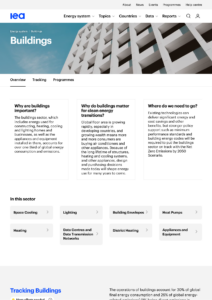
This web page highlights the role of buildings in the energy transition (heating, cooling, lighting, etc), and presents data and recommendations.
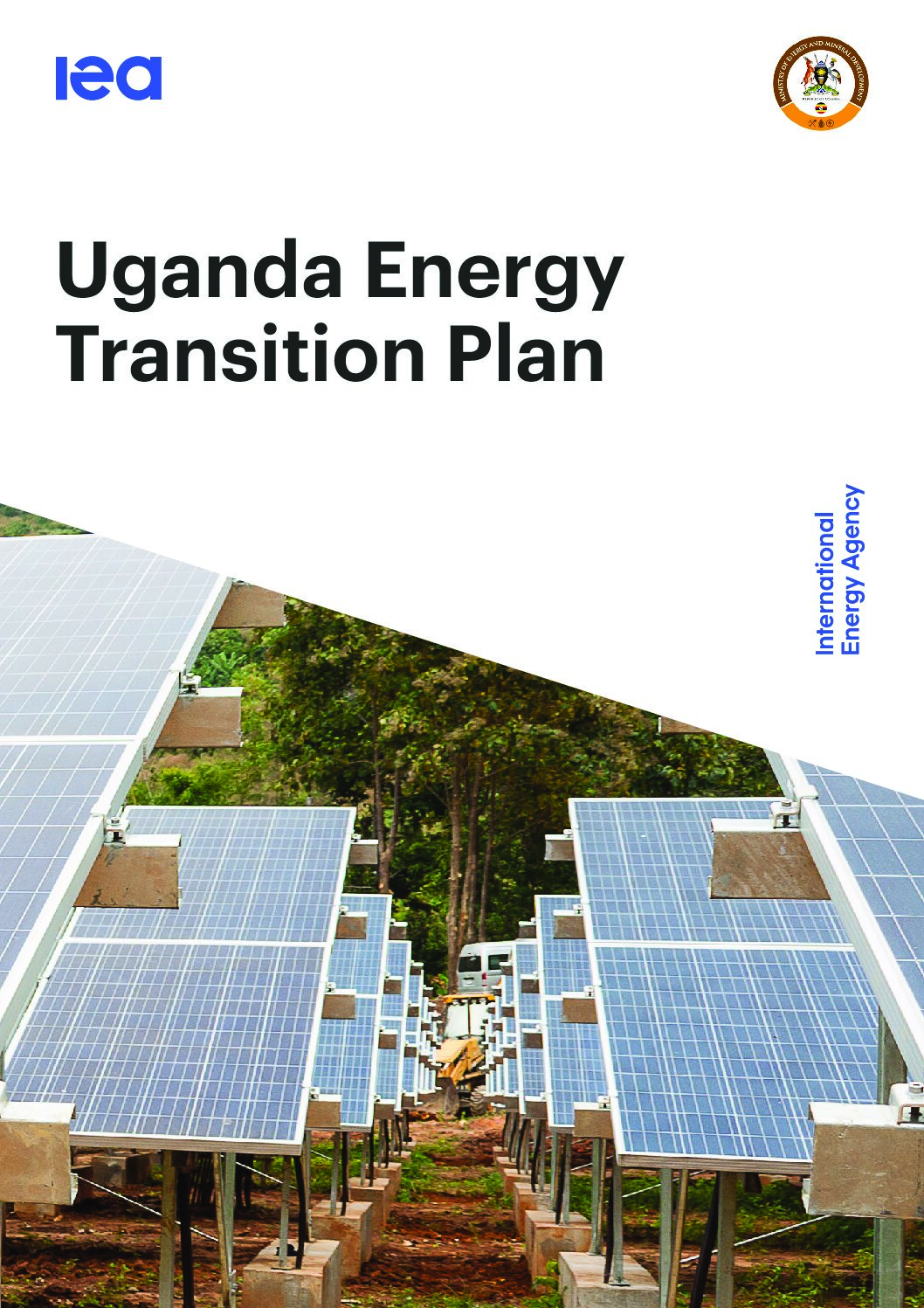
Uganda’s Energy Transition Plan sets goals for different sectors and discusses enablers for implementation, including financing.