
This is a UN roadmap presenting different scenarios and pathways towards clean and net-zero cooking by 2050.
This World Energy Outlook Special Report sheds light on the current state of clean cooking, the costs of inaction, and the benefits of boosting access in line with SDG 7.
This article assesses the opportunities provided by digital monitoring, reporting and verification (dMRV), which can facilitate real-time tracking of the use and fuel sales from clean cooking products, thereby increasing the integrity of emissions reduction claims.
This slide deck provides step-by-step instructions for energy audits of buildings.
This blog assesses the opportunities of carbon finance to fill financing gaps for clean cooking, and highlights the integrity, reputational and regulatory risks associated with the sale of carbon credits.
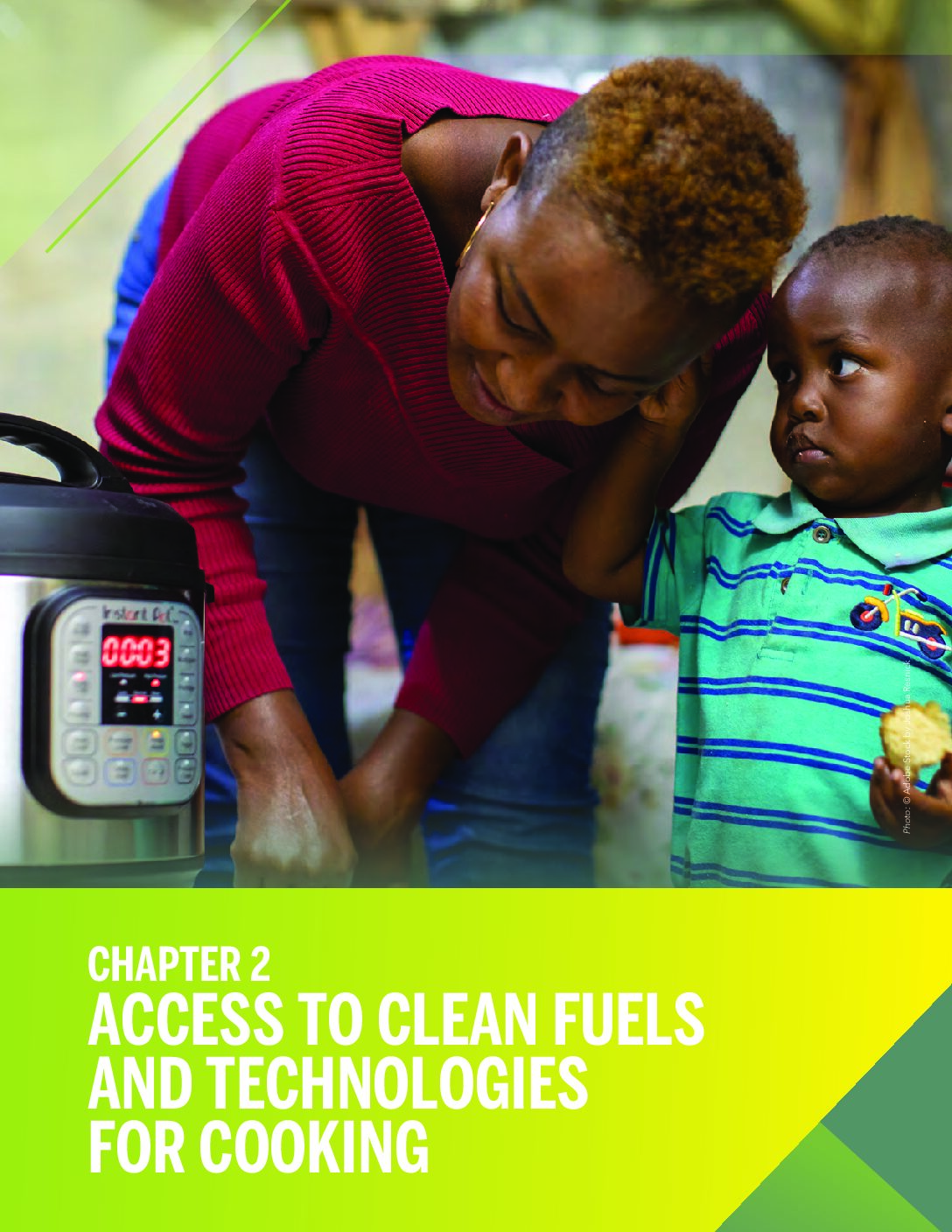
This chapter of the 2024 Tracking SDG 7 report provides an update on progress towards univeral access to clean cooking worldwide.
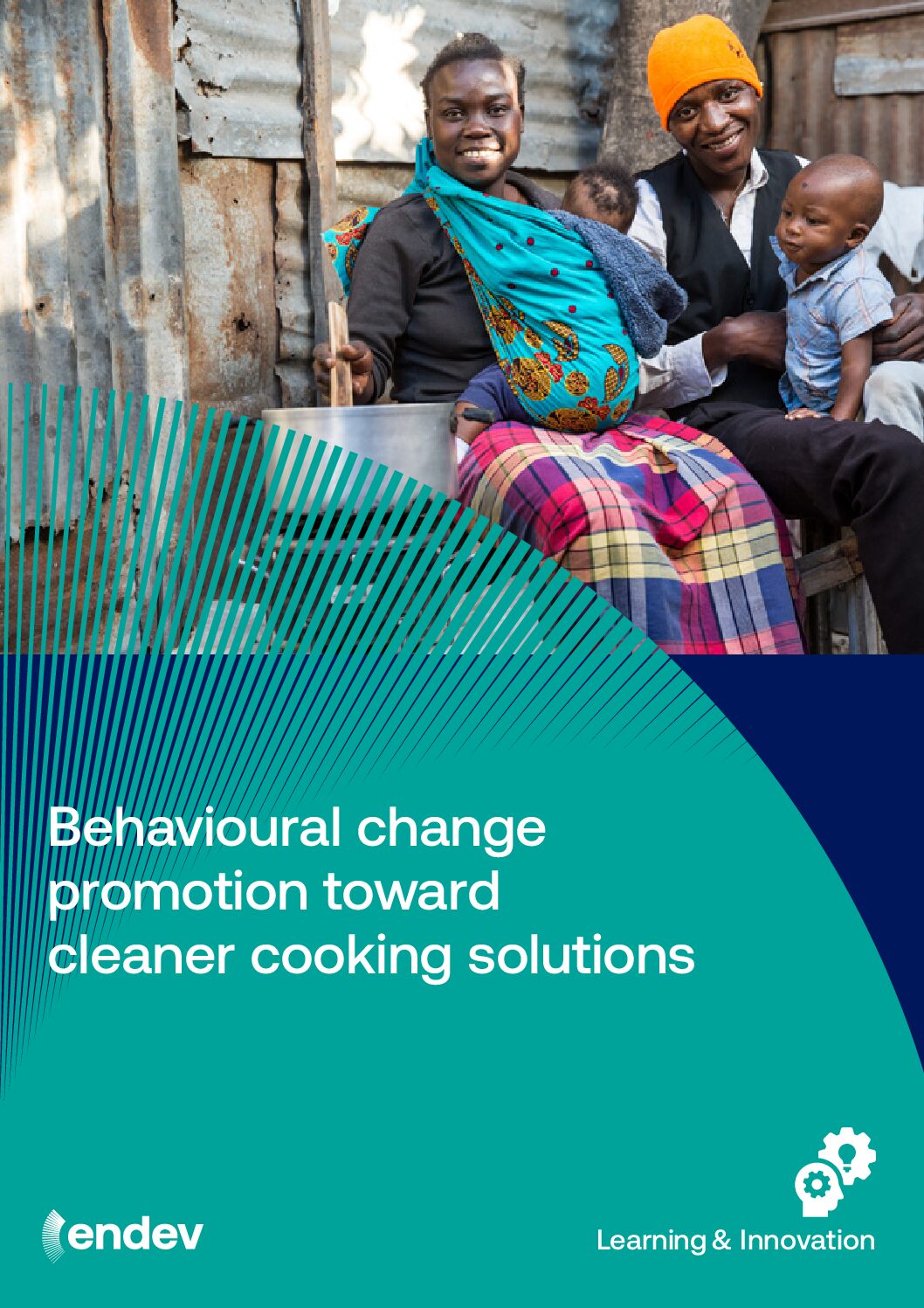
This report provides background information and guidance on the types of behavioural changes needed to advance access to clean cooking, and ways to promote these changes.
This blog and inforgraphic present the results of a World Bank study on the decision-making journey towards adopting and using clean cooking solutions in Rwanda, Madagascar and Ghana.
This handbook focuses on the following supply chain challenges in clean cooking: reorienting business model priorities, modeling available supply, prioritizing new markets, and assessing value chain sustainability.
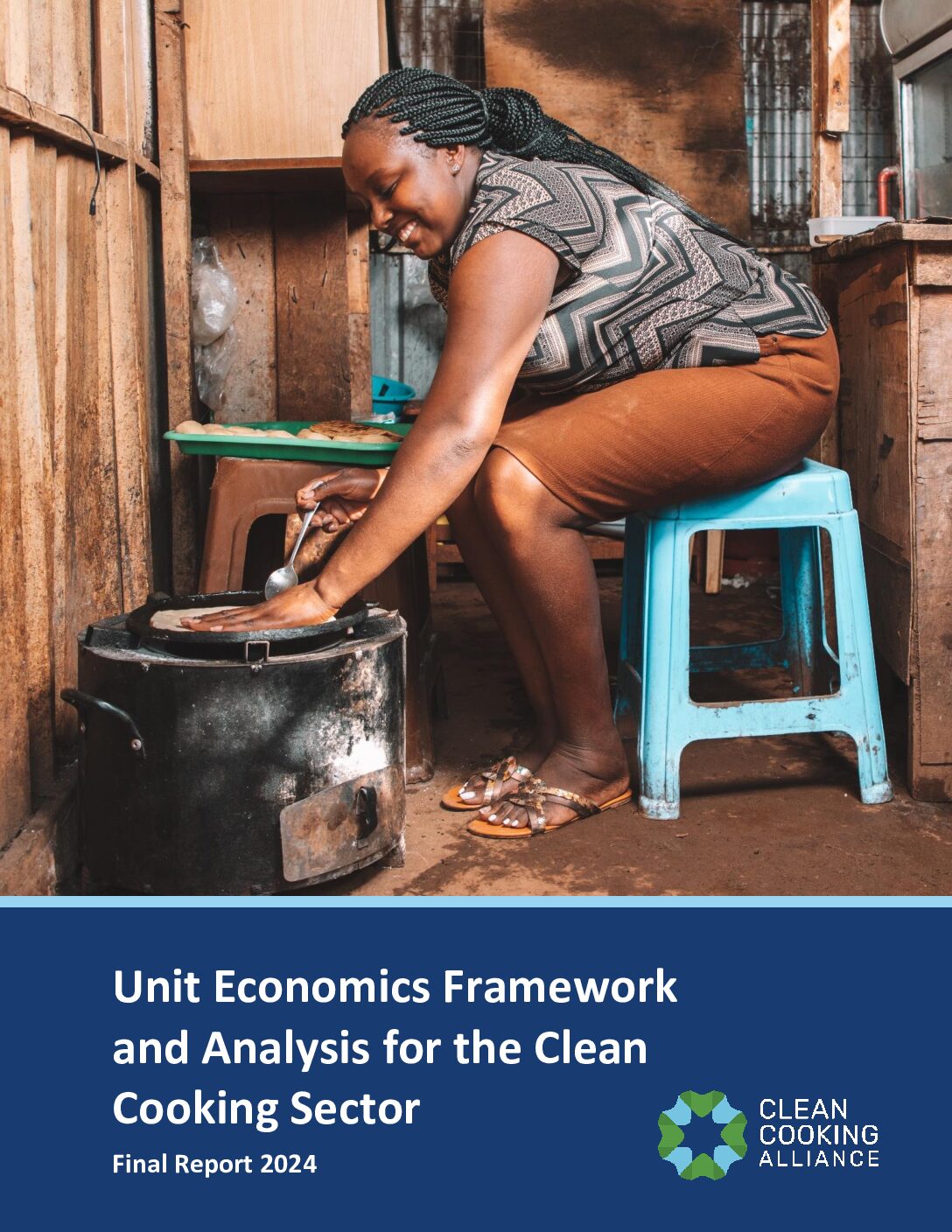
This report highlights evdience on key unit economics drivers for clean cooking, with the aim to better articulate the value of clean cooking, reduce transaction costs, support actors across the ecosystem to capitalize on commercial and impact opportunities, and ultimately unlock more investment capital for the sector.