
This article by ILO’s International Training Centre explains the importance of learning objectives, introduces the competencies framework, and provides a practical guide for writing effective learning objectives.
This factsheet provides some general information about needs analyses and guides learning and development specialists through the process of analysing learning needs in their organisation.
This report presents insights into processes, practices and policies that vocational education and training institutions can adopt to ensure they equip learners with the knowledge, skills and mindsets they need to contribute to just transitions. It is based on experiences collected in the European Training Foundation’s Network of Excellence – a global network of centres … Continue reading “Greening of Vocational Education and Training: Processes, Practices and Policies”
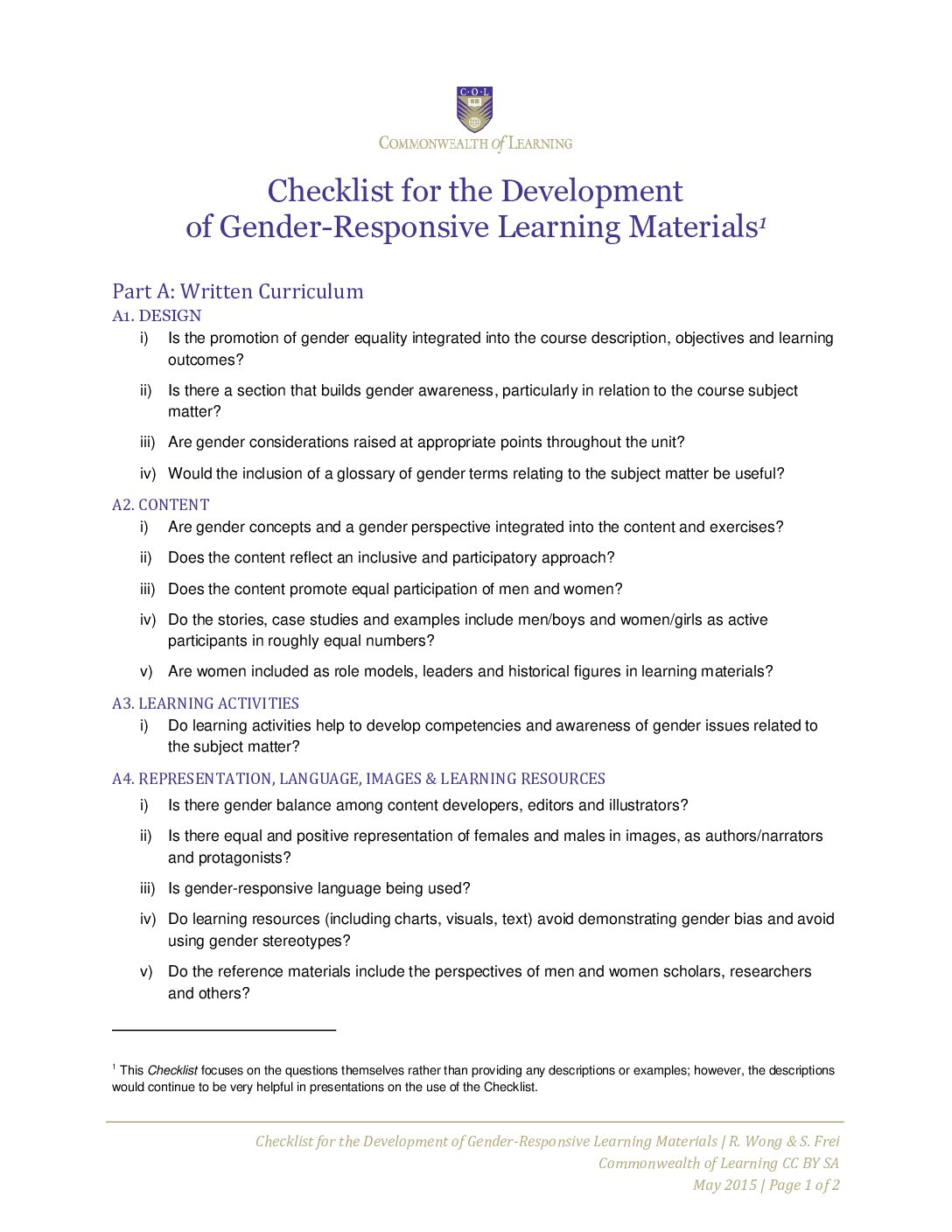
This checklist helps organisations assess whether their written curriculums, delivery of learning, assessments, support services and evaluation frameworks are gender-responsive.
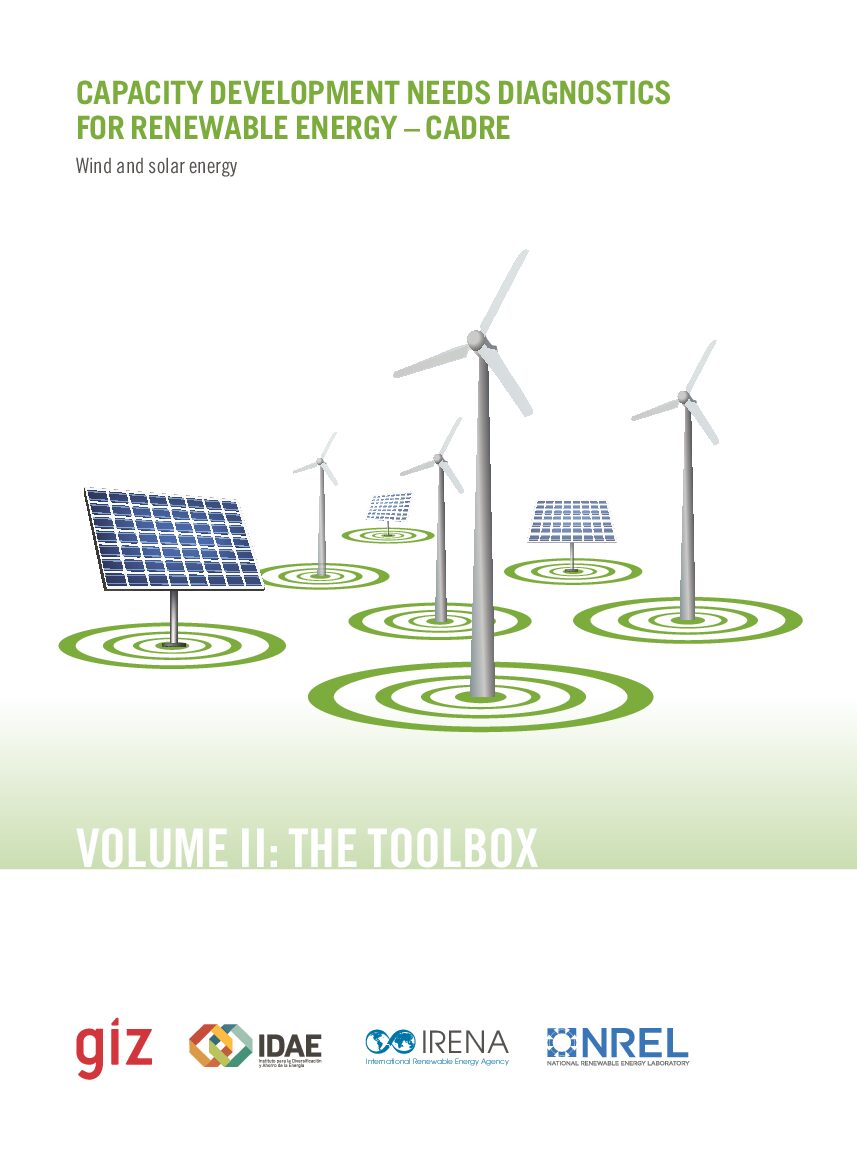
The CaDRE methodology helps policy makers, organisations and capacity development/renewable energy practitioners shape an environment conducive to the development of renewable energy.
This is a methodology for a quick learning needs assessment in the form of a list of questions.
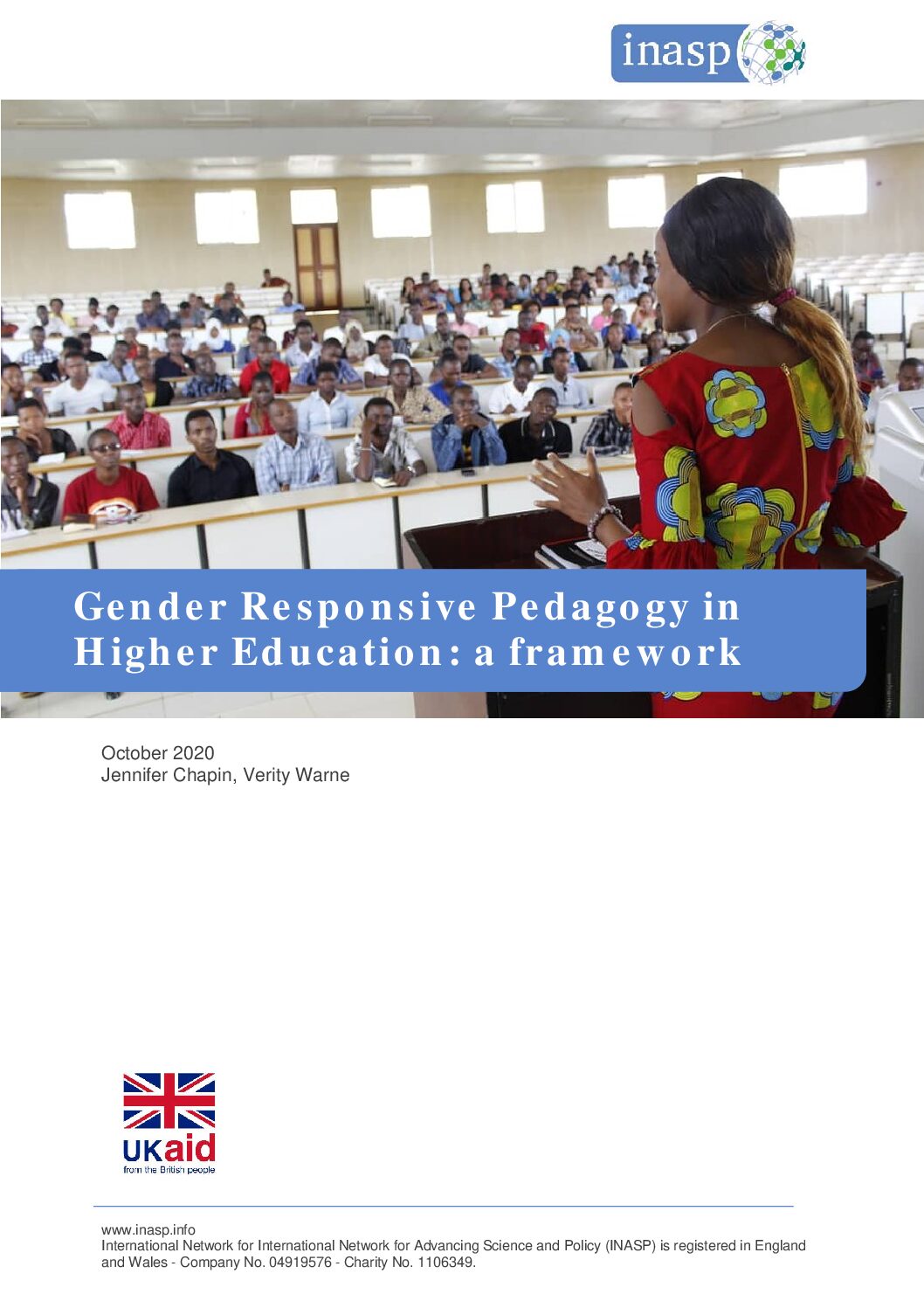
This report describes an approach to gender-responsive pedagogy by working with faculty in higher education to build an awareness of gendered stereotypes and biases in their teaching and learning, and, from there, explore new practices.
This guide aims to help energy statisticians understand the various elements and processes involved in renewable energy data collection and management, and identify capacity gaps. It covers seven requirements for effective data management: 1. Legal and institutional frameworks; 2. Well-defined data requirements; 3. Sufficient skilled personnel; 4. Clear methodologies and processes; 5. Appropriate data collection … Continue reading “Capacity needs assessment for renewable energy statistics”
Institutions all over the world are setting up microcredentials in responses to calls from governments and industry: short courses, usually offered online by accredited institutions, with an emphasis on the needs of the workplace. They are also often used for retraining and upskilling. This book explains how to start offering microcredentials as an academic institution.
This guide aims to accelerate the flexibility and responsiveness of learning systems by providing guidance on the design, issue and recognition of micro-credentials.