
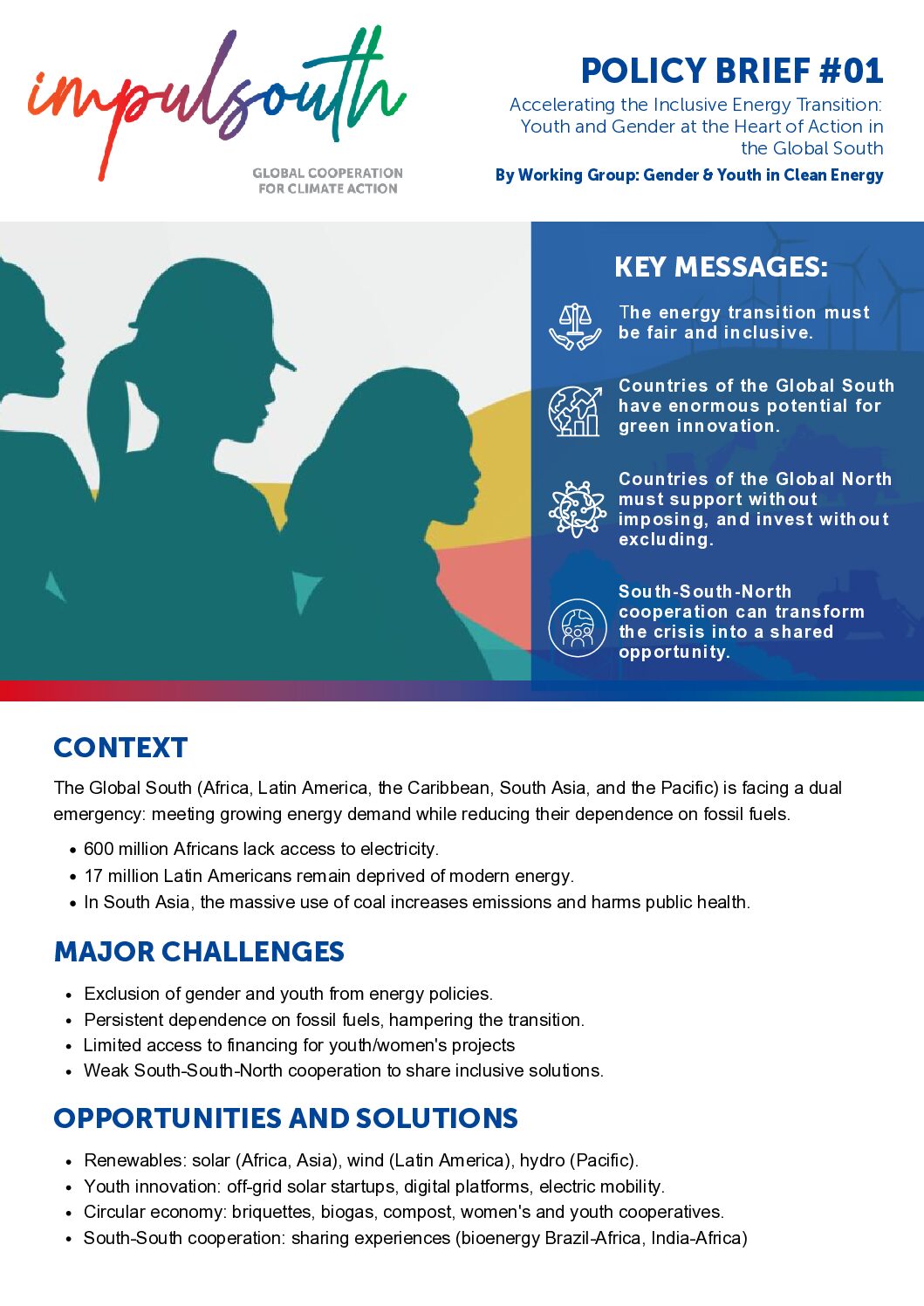
This resource was developed by members of the Working Group on Gender & Youth in Clean Energy, within Impulsouth’s Community of Practice.
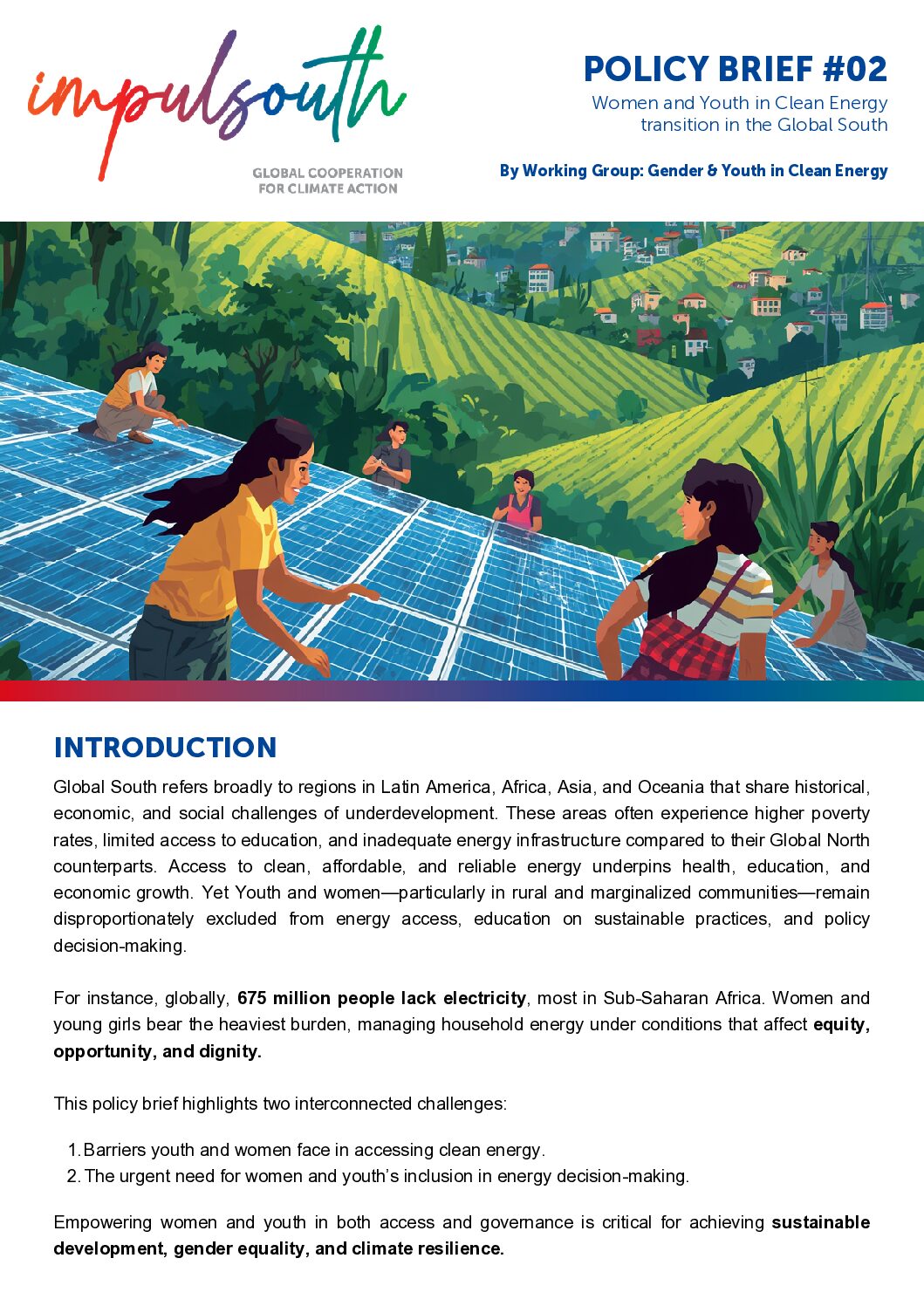
This resource was developed by members of the Working Group on Gender & Youth in Clean Energy, within Impulsouth’s Community of Practice.
This article tells a story of trial and error in the development of a clean cookstove business model in Zambia, highlighting the many factors that come into play and the occasional unpredictability of the market.
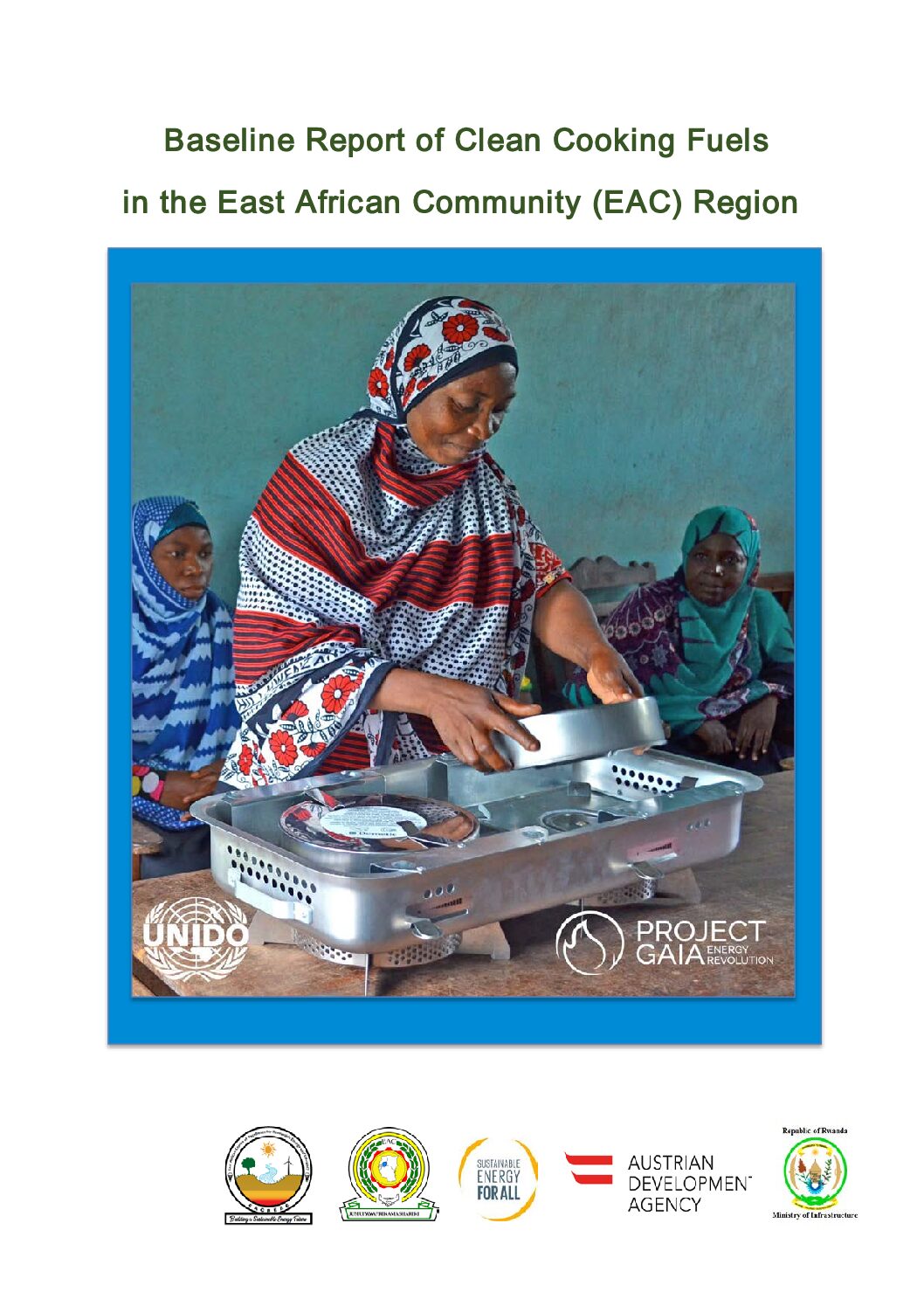
This report provides advice for the production of clean cooking fuels in East Africa
The Sustainable Energy Solutions Catalogue contains a series of briefs to help stakeholders plan, fund and implement projects related to: sustainable e-mobility, productive use of solar energy, second-life lithium-ion batteries, climate proofing sustainable energy solutions, solar mini-grids, the water-energy-food nexus, circularity and sustainable energy, clean cooking, energy efficiency, and e-waste from off-grid solar solutions.
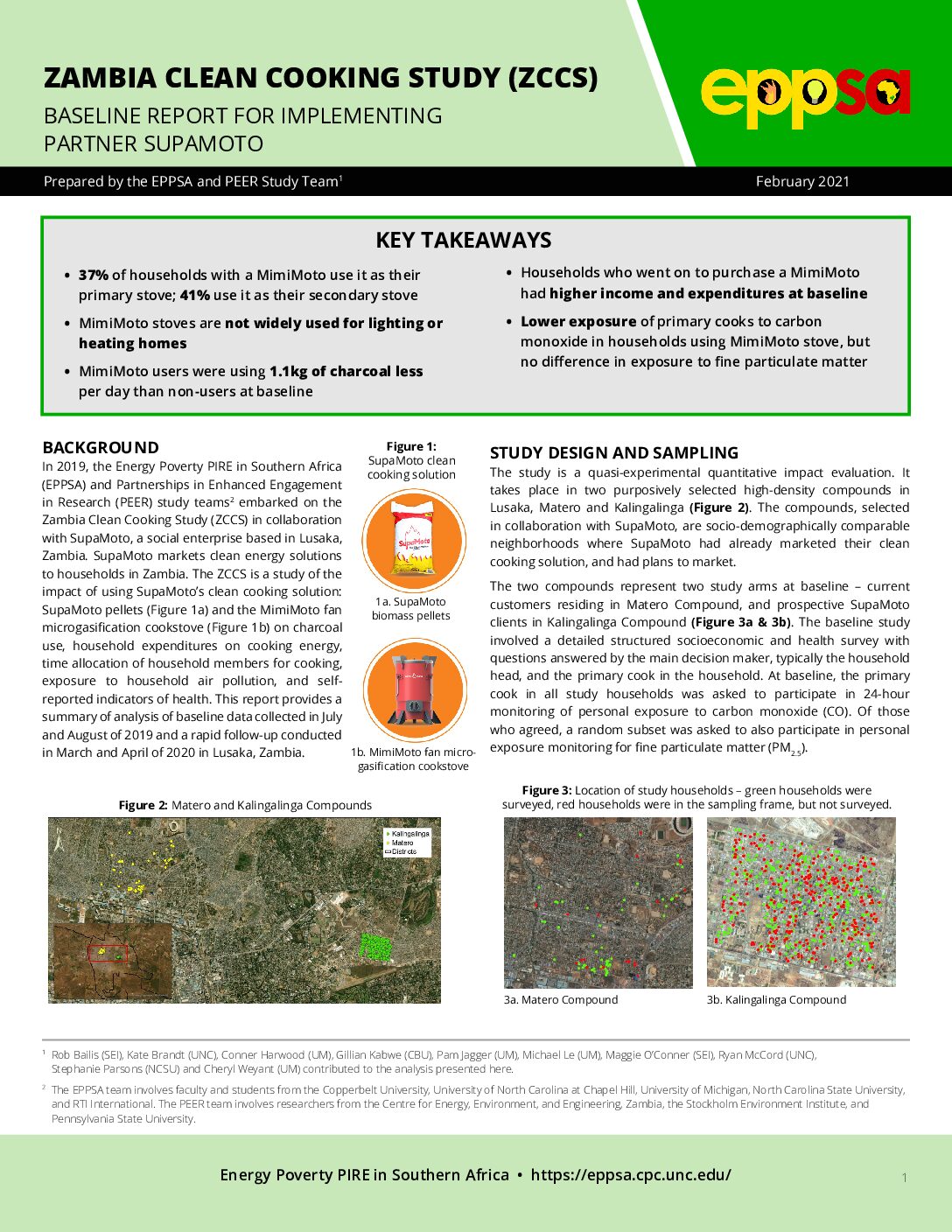
This study presents baseline data on the clean cooking situation in Zambia and describes the achievements thus far of clean cookstoves provider Supamoto.
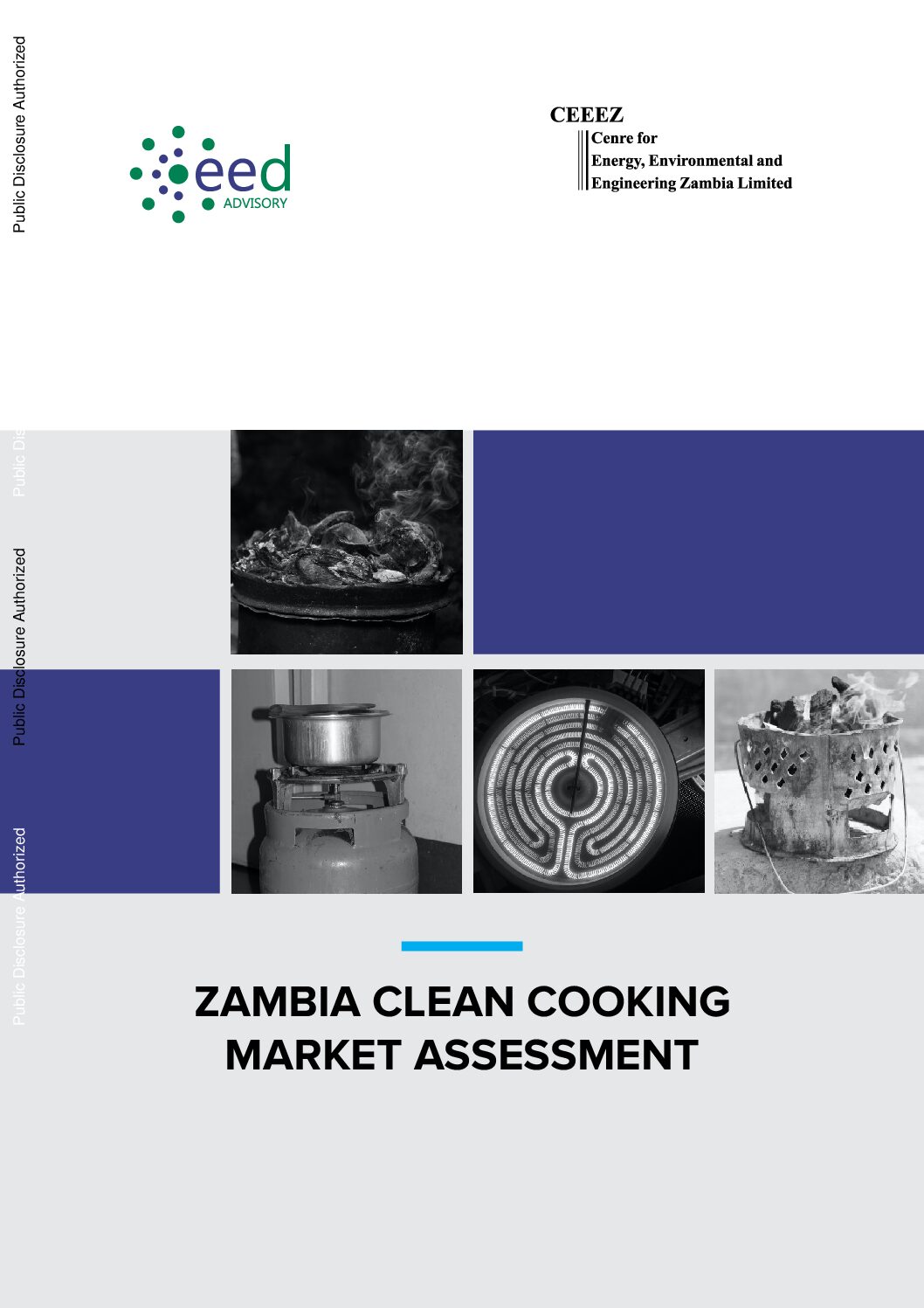
This assessment provides a detailed overview of the Zambian market for clean cooking solutions.
This paper models the impact on climate and emissions of Tanzania’s clean cooking targets.
This blog and inforgraphic present the results of a World Bank study on the decision-making journey towards adopting and using clean cooking solutions in Rwanda, Madagascar and Ghana.
This study investigated (1) What marketing messages are effective at increasing willingness to pay for a more efficient stove in rural Uganda; (2) What sales offers (e.g., free trial and time payments) increases willingness to pay and uptake; (3) What effects does ownership of an efficient stove have on the use of old and new … Continue reading “Uptake and Usage of Fuel-efficient Improved Cookstoves in Rural Uganda”