
This report explores the opportunities and challenges that lie ahead in Latin America’s energy transition. It provides insights on the ways in which the outlook for the region and the biggest global energy trends are deeply intertwined – as well as recommendations on policies that could allow Latin America and the Caribbean to take full … Continue reading “Latin American Energy Outlook”
This report highlights opportunities to advance gender equality through the creation of green jobs in Latin America.
This report investigates how green job markets have developed in Latin America since 2022, and assesses the impacts of government policies and strategies.
This blog investigates the employment effects of the green transition, and the different actions actors can take to prevent skills gaps and ensure no one is left behind.
This report provides an overview of the water-energy-food nexus in Latin America and the Caribbean (LAC), identifying the main challenges and opportunities for achieving water, energy and food security in the region.
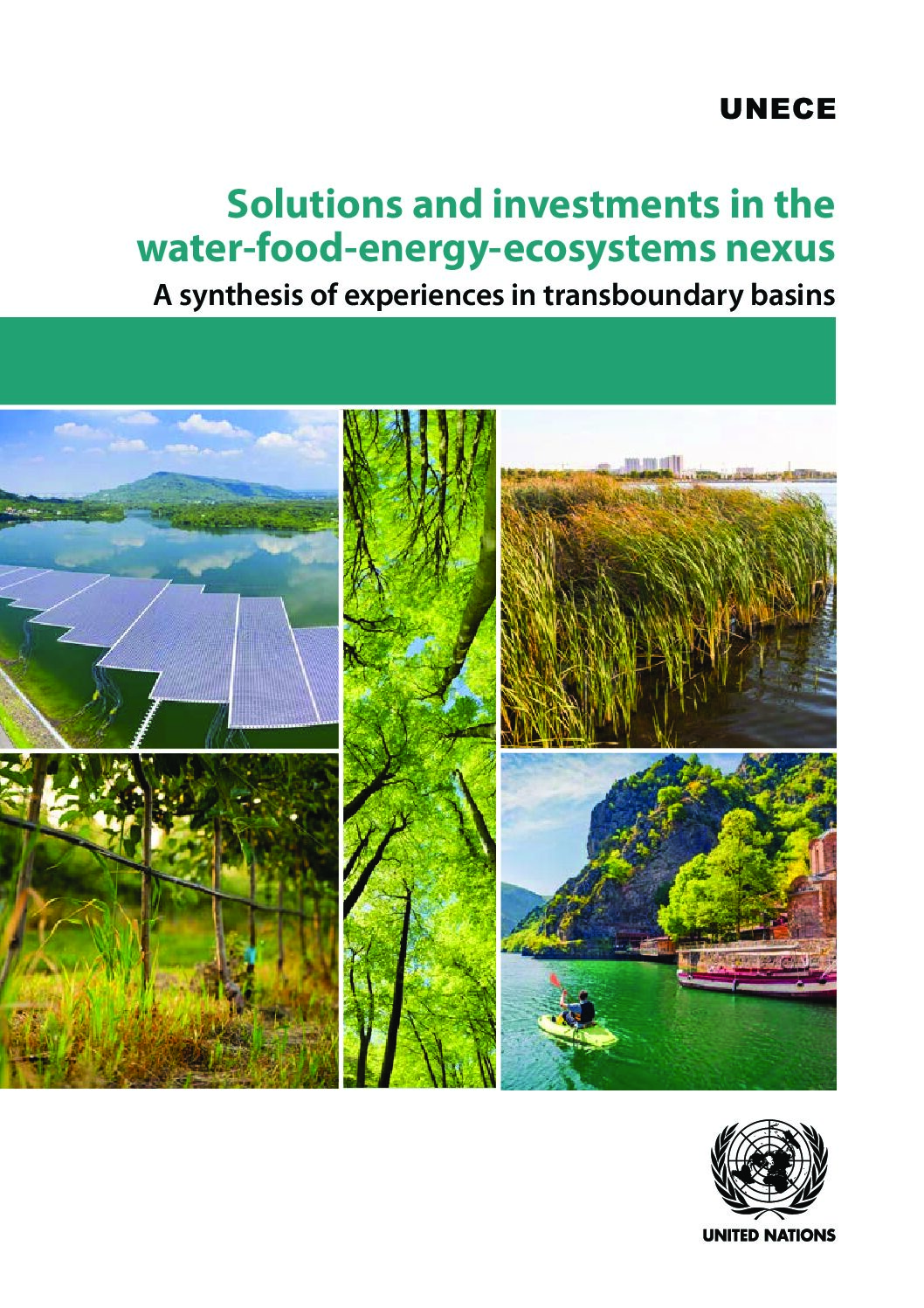
This report analyses linkages in the water-energy-food-ecosystem nexus – essentially resource management trade-offs and synergies — in transboundary river basin settings. It draws on 36 nexus case studies from transboundary river basins in Europe, Asia, Africa and the Americas, providing lessons for transboundary management and cooperation.
This report analyses the alignment between climate commitments made by countries in LAC and implementation through transport planning instruments at the national and subnational levels.
This report first offers an overview of urban mobility challenges in LAC and Asia, then presents the Big Push for Sustainability Framework directed towards achieving sustainable urban mobility and its economic, social and environmental benefits. The third section identifies important concepts in urban mobility that van support the three selected transit solutions.
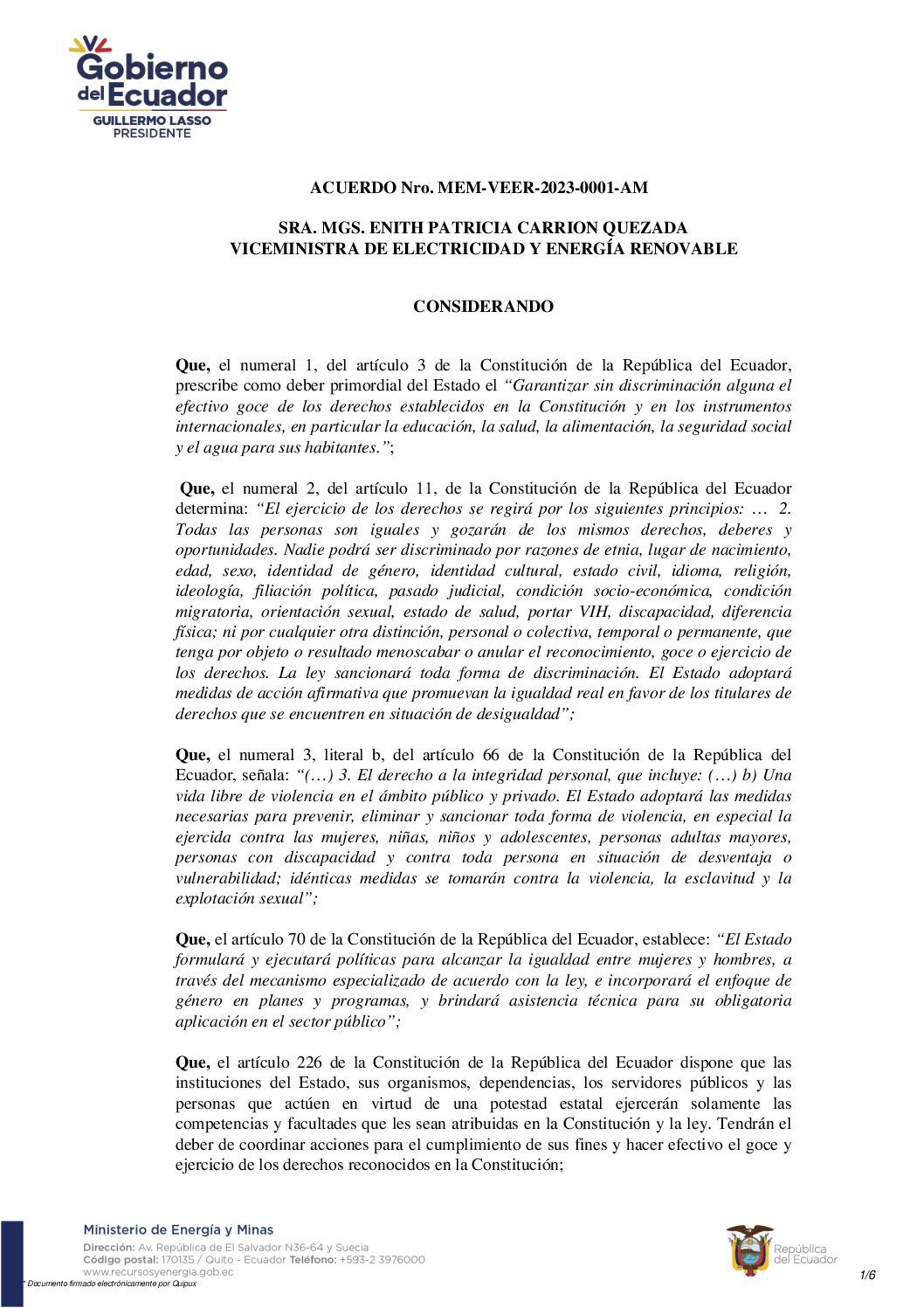
This is a good practice example of a ministerial agreement to promote the design and implementation of gender-inclusive strategies in the Ecuadorian energy sector.
This report analyses gender biases in renewable energy companies in Latin America.