
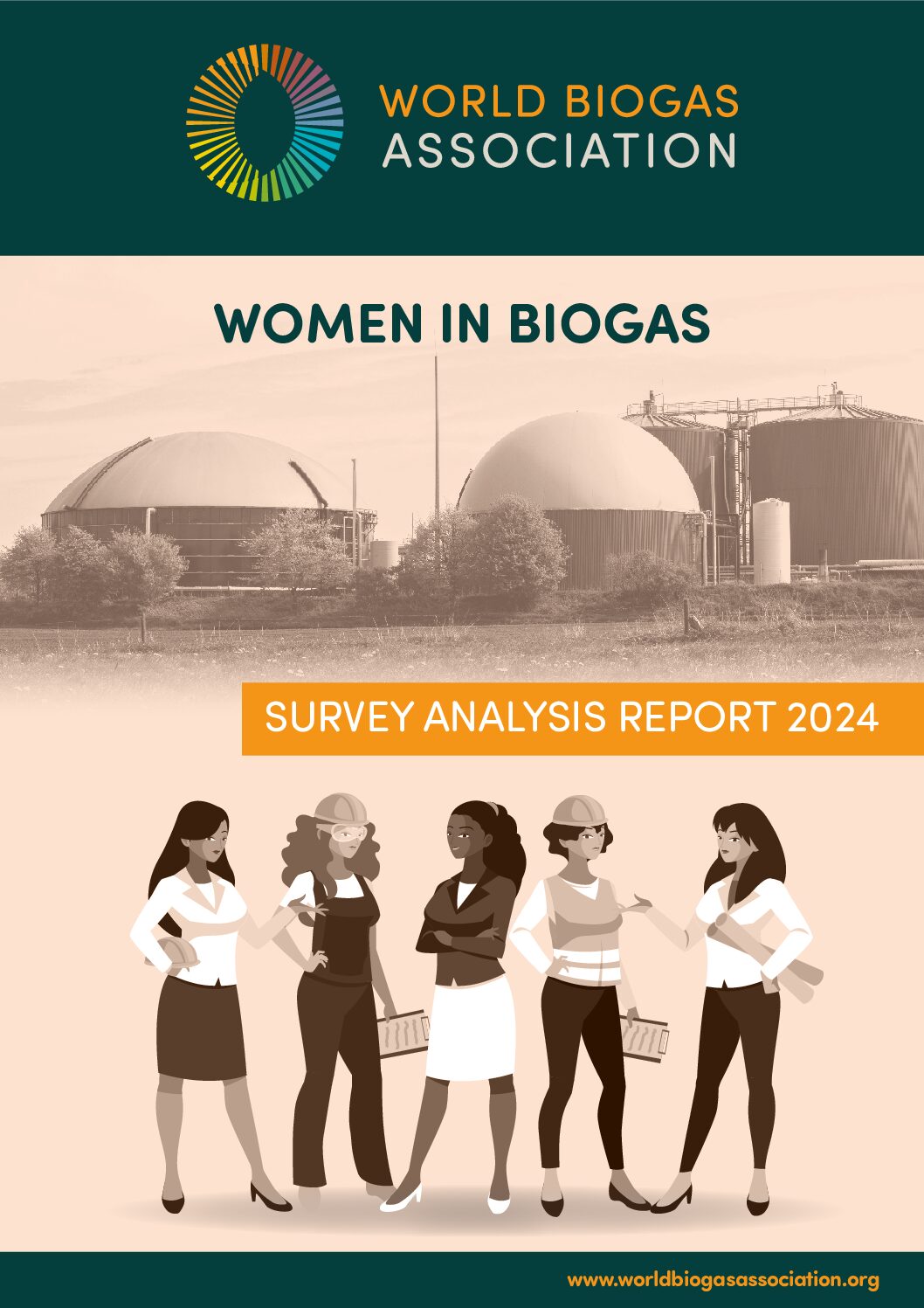
This report presents the results of a survey undertaken to investigate the current status of gender equality in the biogas sector, and compares these with a baseline survey conducted in 2012.
This guide explains how cities can develop energy transition roadmaps that can create platforms for collaboration with other stakeholders and attract investment.
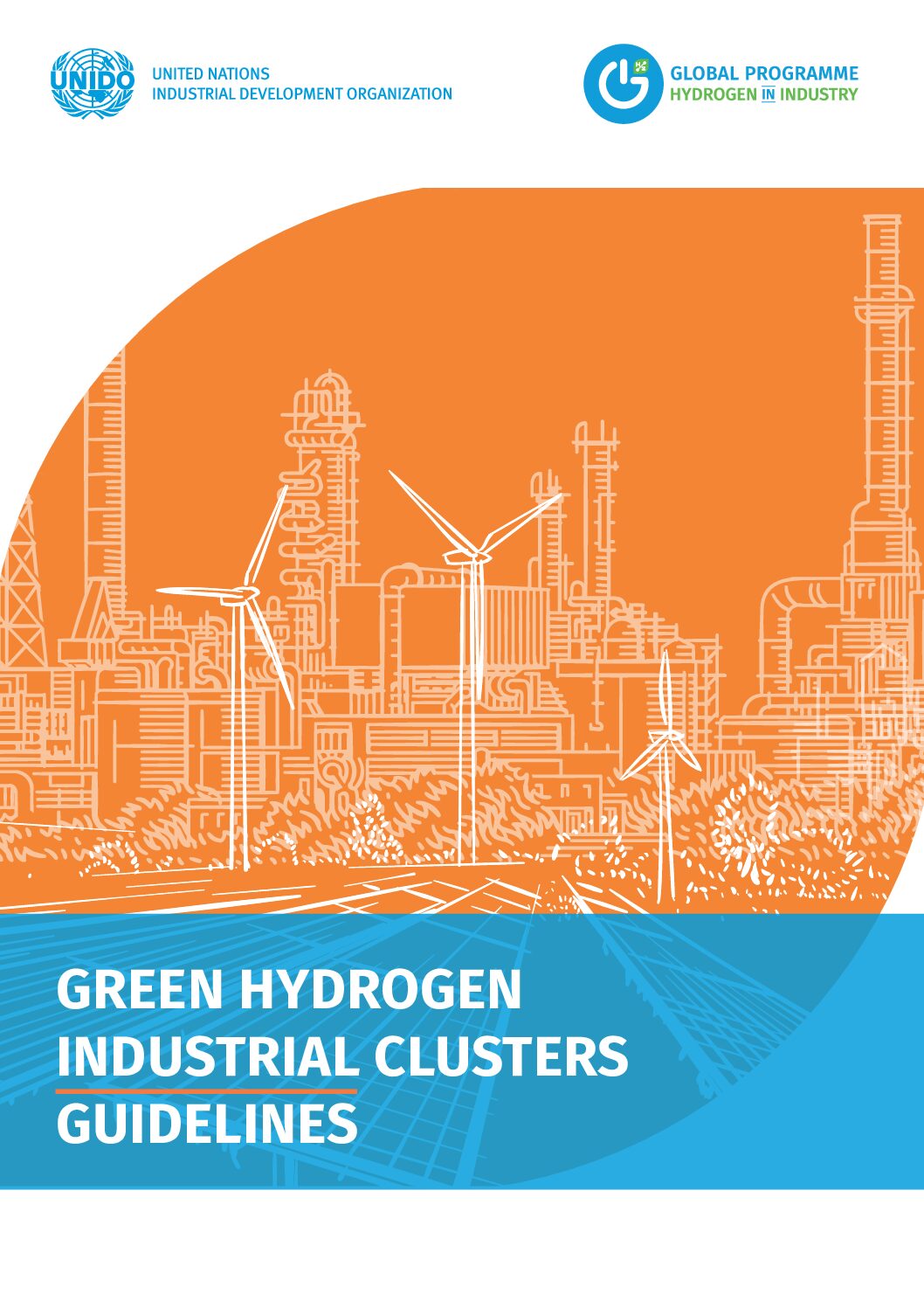
These guidelines provide advice on the development of green hydrogen clusters, which are industrial clusters that share green hydrogen and renewable energy for various purposes and can significantly contribute to industrial decarbonisation.
This paper explains how minimum energy performance standards for buildings can be implemented effectively while remaining socially just, using a differentiated approach that carefully follows a series of design principles.
This paper projects the future demand for green hydrogen-based steel, and finds that though short-term demand is expected to be limited, in the long term, significant growth can be expected.

Water infrastructure is among the biggest users of electricity in many municipalities. This policy brief makes recommendations to government (national, provincial and local) for cleaner energy (renewable energy and energy efficiency) policies related to municipal waterworks and their operations.
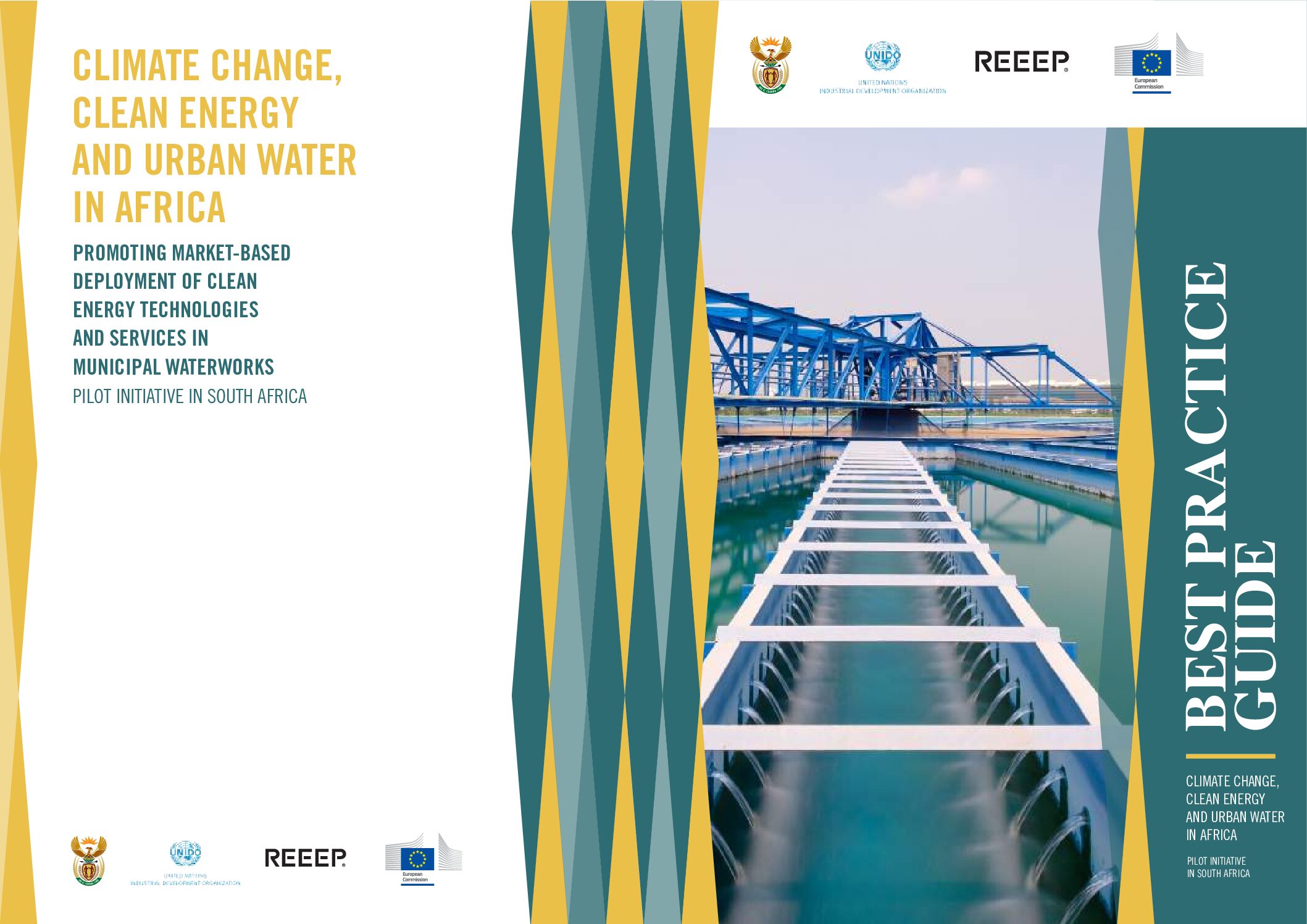
This step-by-step guide suggests the key elements that municipal officials need to consider to implement clean energy/energy efficiency projects in waterworks or other municipal operations. It provides information on developing strategies, formulating plans, providing adequate capacity and mobilising resources for successful origination and implementation of a project.
This guidance note outlines how cities can tap into a wide array of proven technologies, policies, and financing mechanisms to improve energy efficiency and capture cost-effective energy savings in buildings.
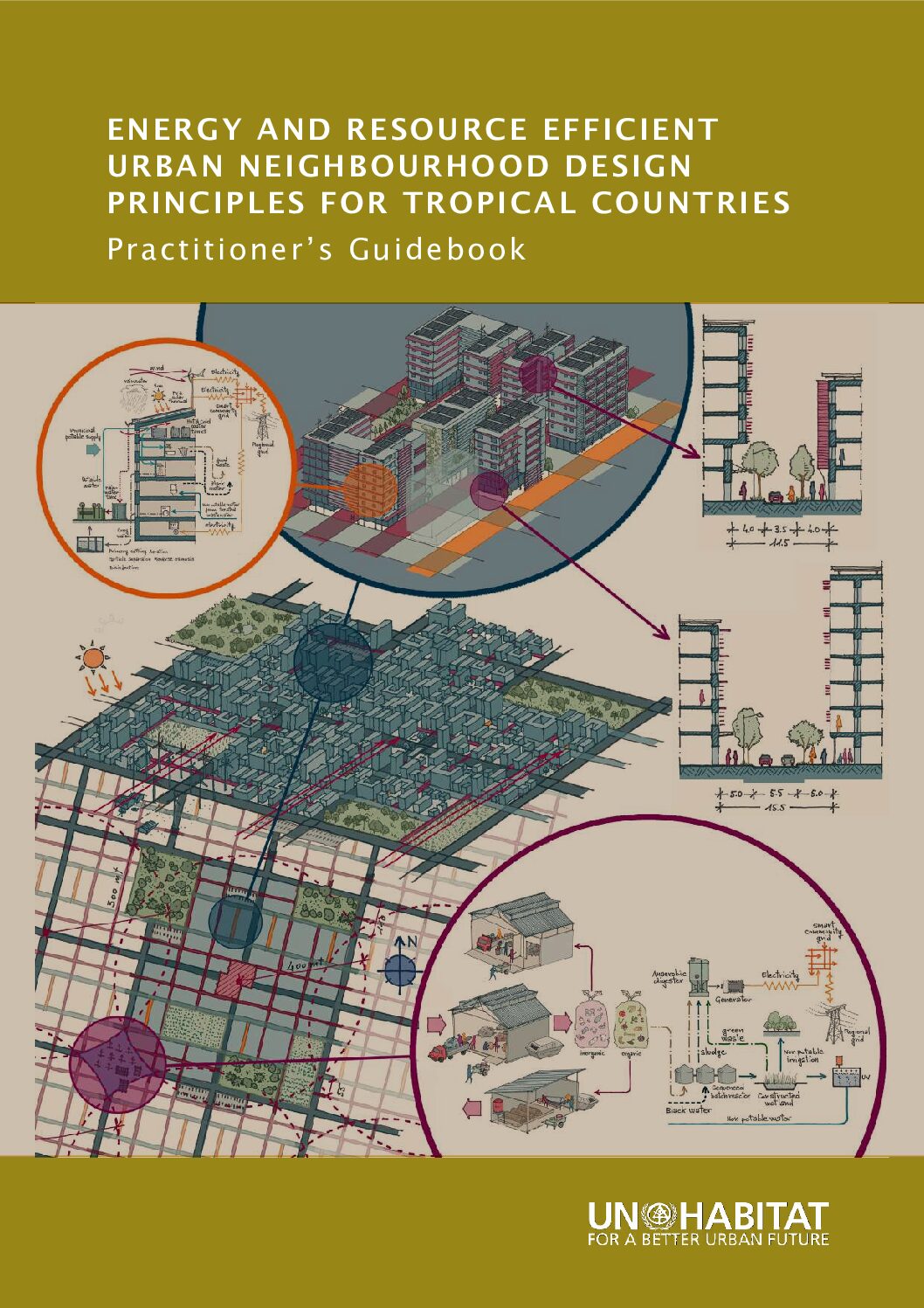
This guidebook helps practitioners adopt a holistic approach to sustainable neighbourhood design, integrating the design of efficient energy, water, wastewater and solid waste systems, and low energy mobility.
Designing for energy efficiency reduces the overall demand for resources to generate energy. This checklist will help to identify key design issues that will demonstrate whether the proposed design will be energy efficient.