
This document introduces measurement, reporting, and verification (MRV) approaches and recommendations as they apply to cooking energy interventions. It is intended for any professional involved in the planning, execution, or funding of clean cooking energy programs and projects that aim to reduce climate-harming emissions.
This report takes stock of the status of the voluntary carbon market for clean cooking, and identifies current trends influencing its likely direction in the next five years.
This page presents all relevant materials for the adoption of a multi-dimensional framework to assess and monitor gender equality, equity and women’s empowerment in modern energy cooking services (MECS).
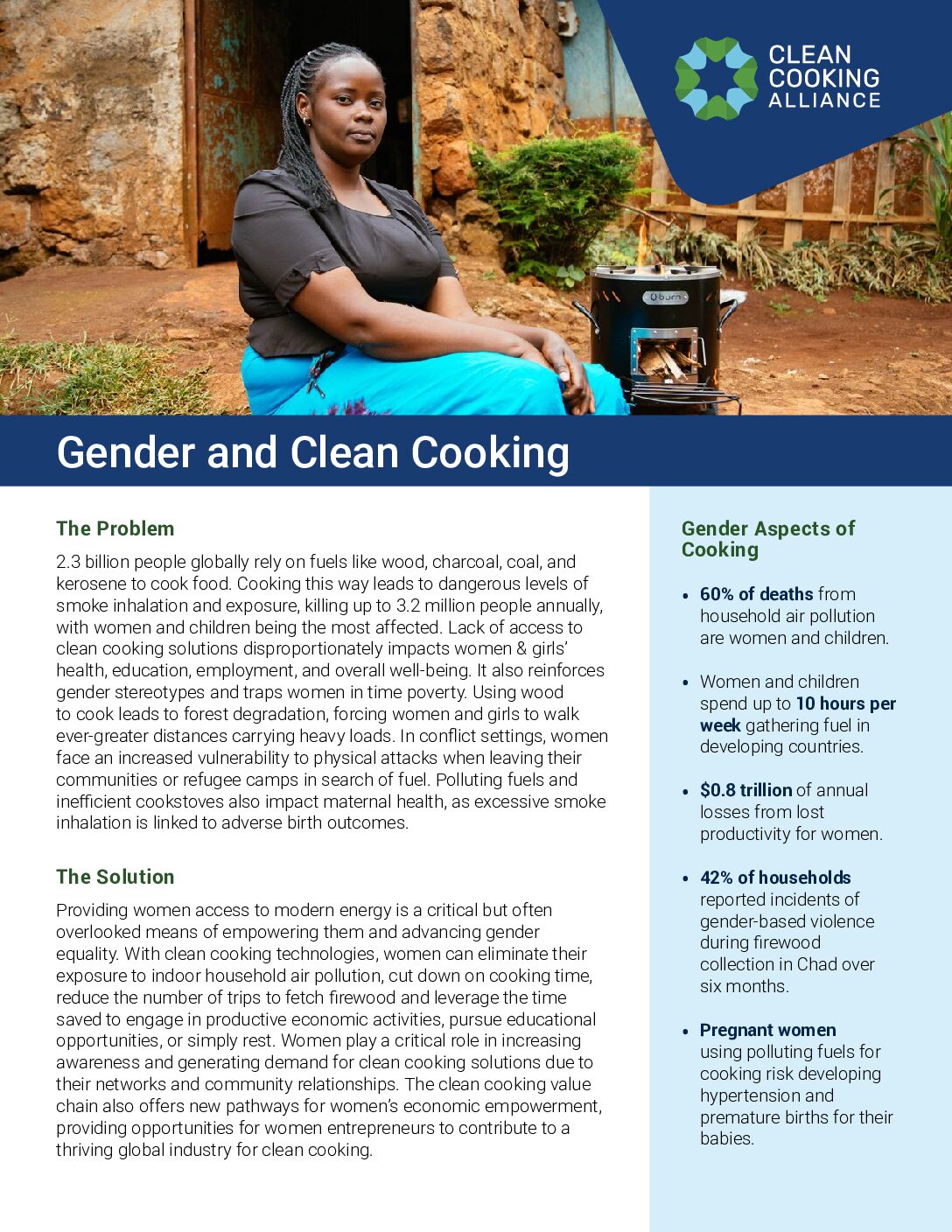
This two-pager introduces the nexus between clean cooking and gender equality.

The United Nations University Vice-Rectorate in Europe (UNU-VIE), established in 2007 in Bonn, Germany, is one of two UNU Vice-Rectorates and the only one located in Europe, where six out of UNU’s 13 institutes are based. It supports the institutional development of UNU, facilitates collaboration across UNU and the UN, as well as fostering strategic … Continue reading “UNU-VIE”