
This resource guides trainers in planning and delivering programmes on occupational analysis and curriculum development. It focuses on integrating green skills, greening TVET, entrepreneurship, IR 4.0, and 21st-century skills into TVET.
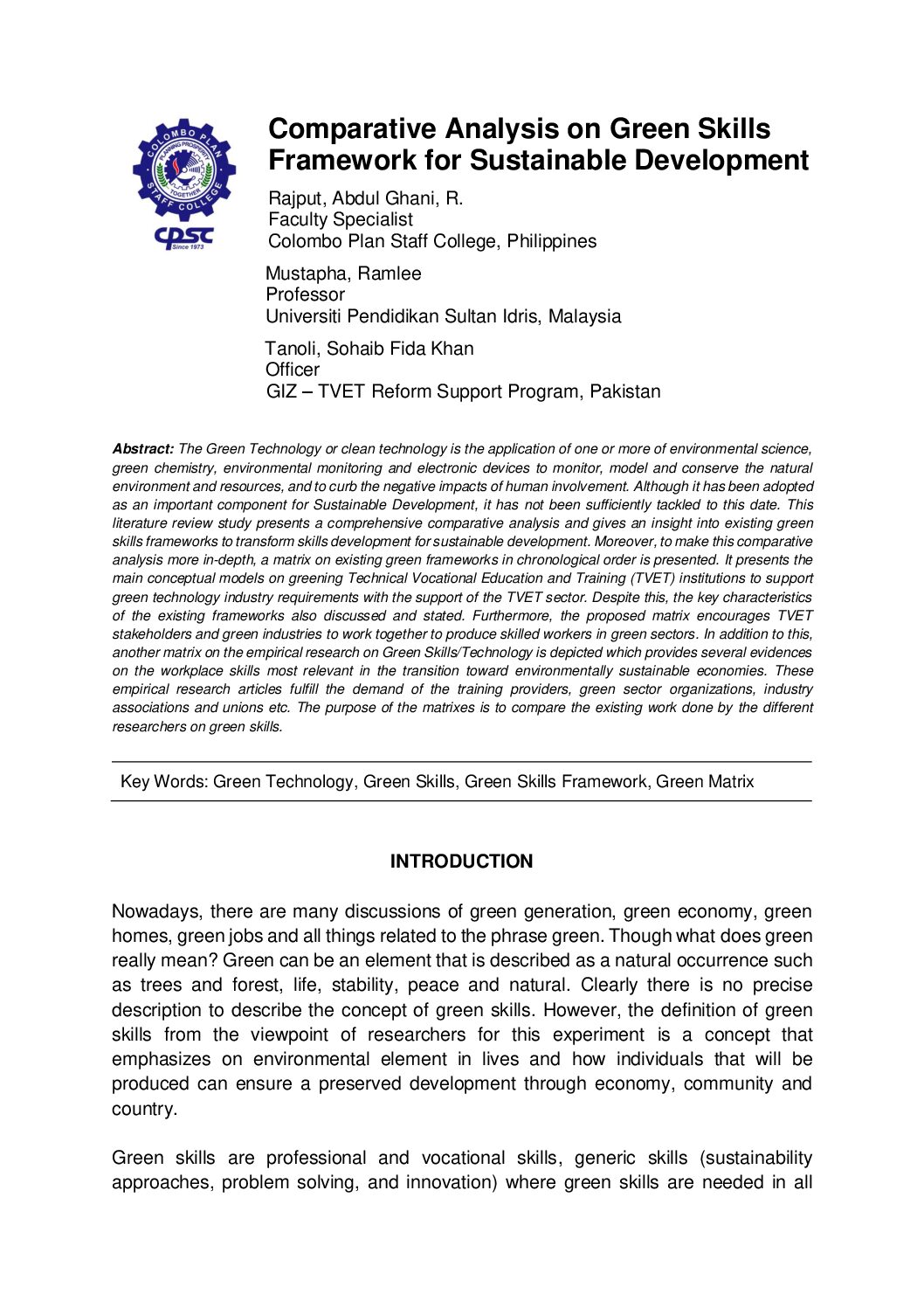
This resource offers a comparative analysis of existing green skills frameworks to support sustainable development through TVET. It includes two detailed matrices—one mapping green frameworks chronologically, and another summarizing empirical research on green skills relevant to green industries. The study highlights key concepts, models, and collaborations needed between TVET institutions and green sectors to develop … Continue reading “Comparative analysis on Green Skills framework for sustainable development”
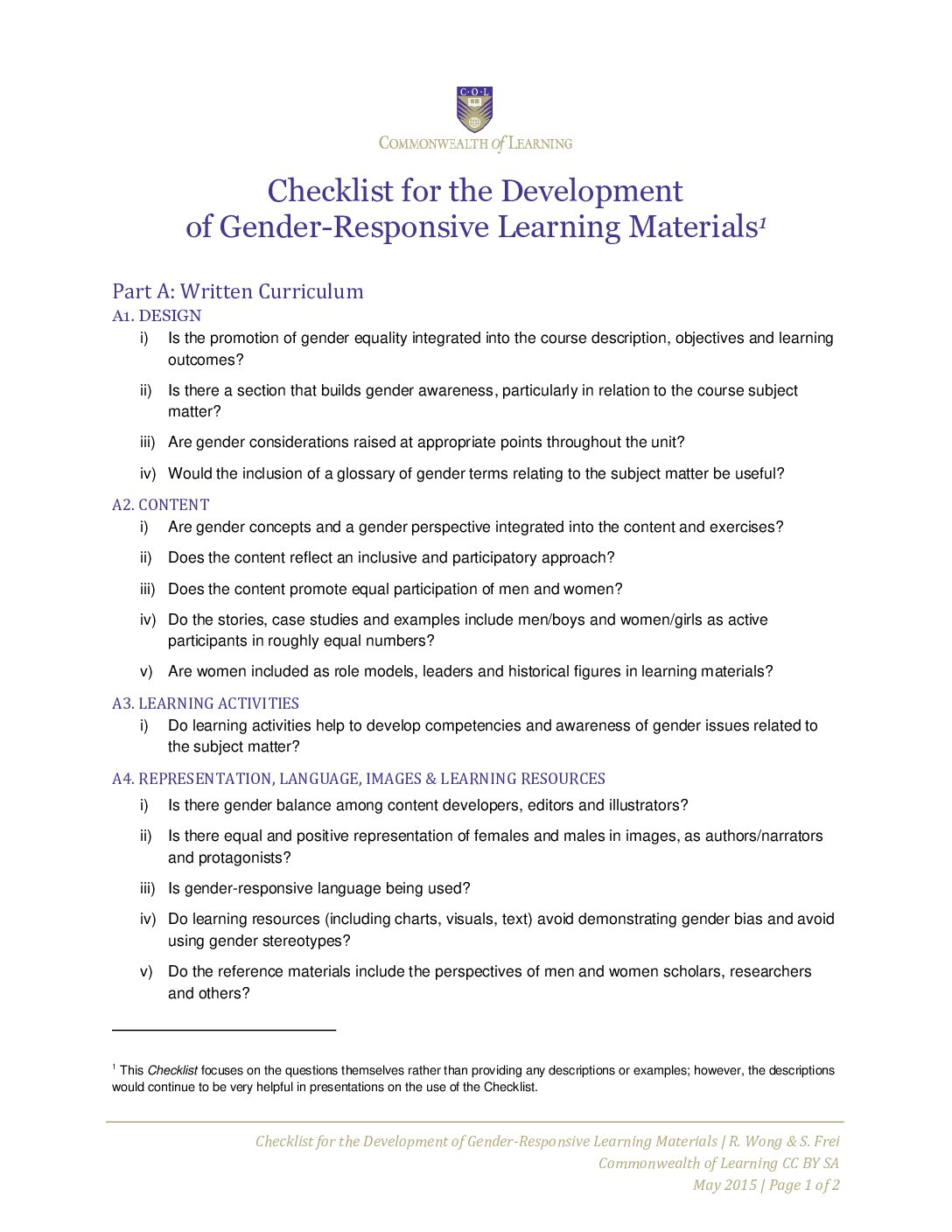
This checklist helps organisations assess whether their written curriculums, delivery of learning, assessments, support services and evaluation frameworks are gender-responsive.

This web page highlights the role of buildings in the energy transition (heating, cooling, lighting, etc), and presents data and recommendations.
This study offers insights on how well-designed carbon pricing instruments can play a role in accelerating efforts toward energy transition and decarbonization.
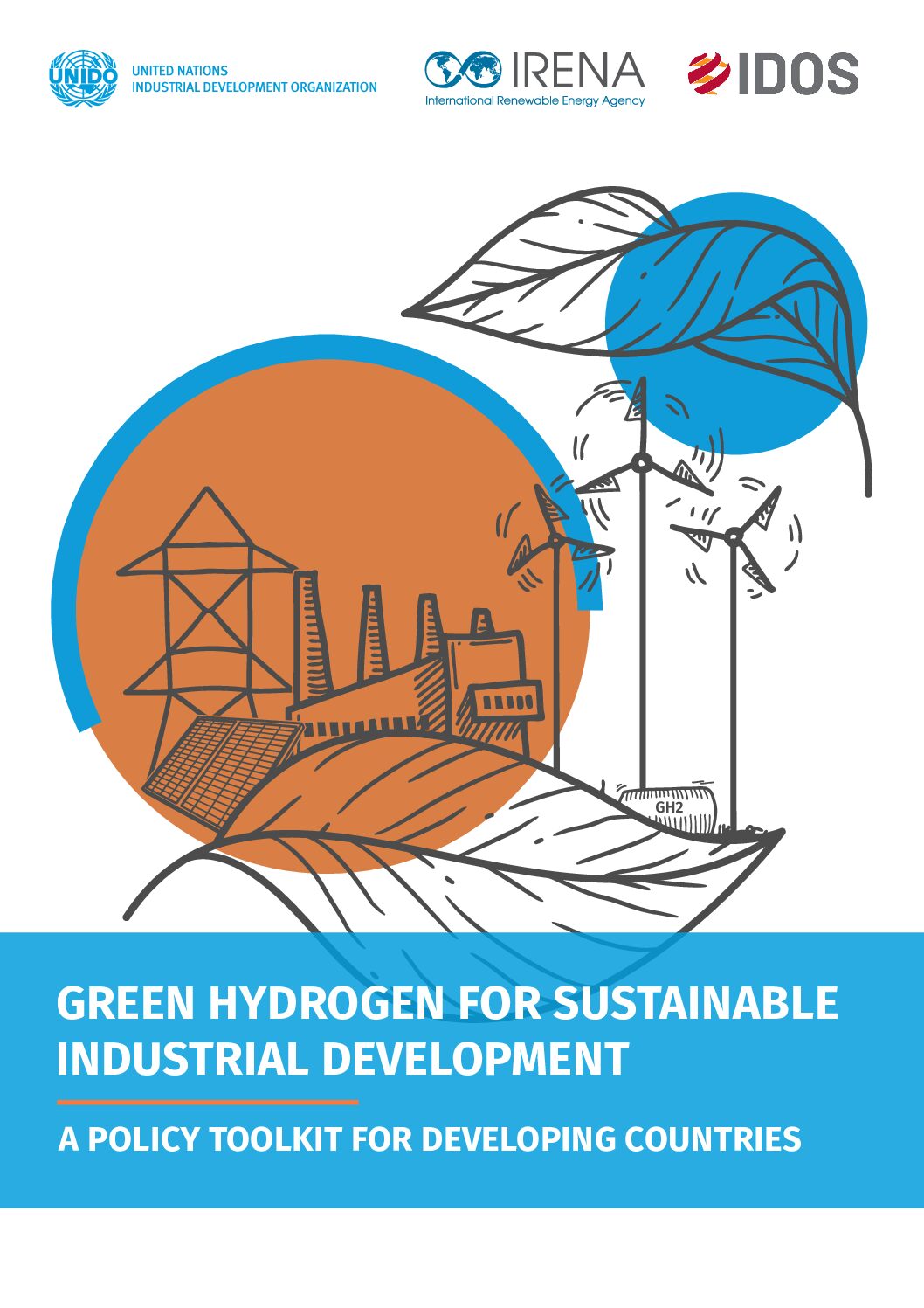
This report challenges the prevailing narrative that green hydrogen is primarily a product for export from renewable-rich and industry-poor countries; rather, it underscores green hydrogen’s potential as a catalyst for sustainable development within developing countries that can contribute to economic growth, environmental sustainability and social progress.
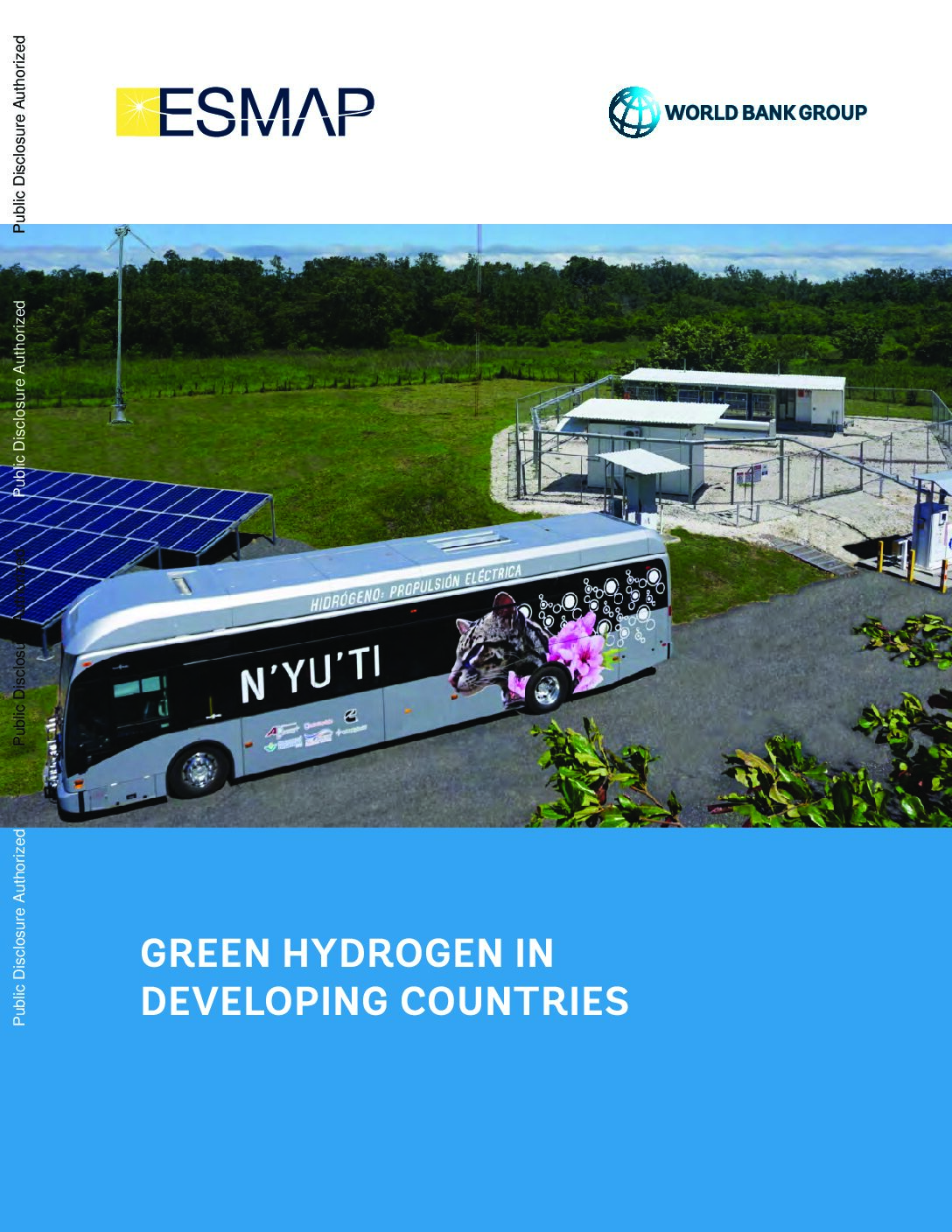
This report focuses on how green hydrogen and fuel cell technologies could be initially rolled out in developing countries by presenting a series of applications that could be initially deployed in some locations and later scaled up.
This paper presents a value chain approach to identify priority areas for developing national hydrogen strategies, focussing on emerging and developing economies.
This database presents the current status, policy barriers, and key innovations for electrification of mobility, heating and cooling, and hydrogen production.
This paper focuses on strategies, policies, and programs that industry and government can develop to ensure that supply chains for EVs and their batteries are secure, circular, and reduce the need for mining virgin minerals, thus reducing adverse impacts on the planet and its people.