
This guide aims to help energy statisticians understand the various elements and processes involved in renewable energy data collection and management, and identify capacity gaps. It covers seven requirements for effective data management: 1. Legal and institutional frameworks; 2. Well-defined data requirements; 3. Sufficient skilled personnel; 4. Clear methodologies and processes; 5. Appropriate data collection … Continue reading “Capacity needs assessment for renewable energy statistics”
This guide addresses the challenges faced by rural energy enterprises in developing countries, and sets out solutions such as business models offering cooking energy as a service.
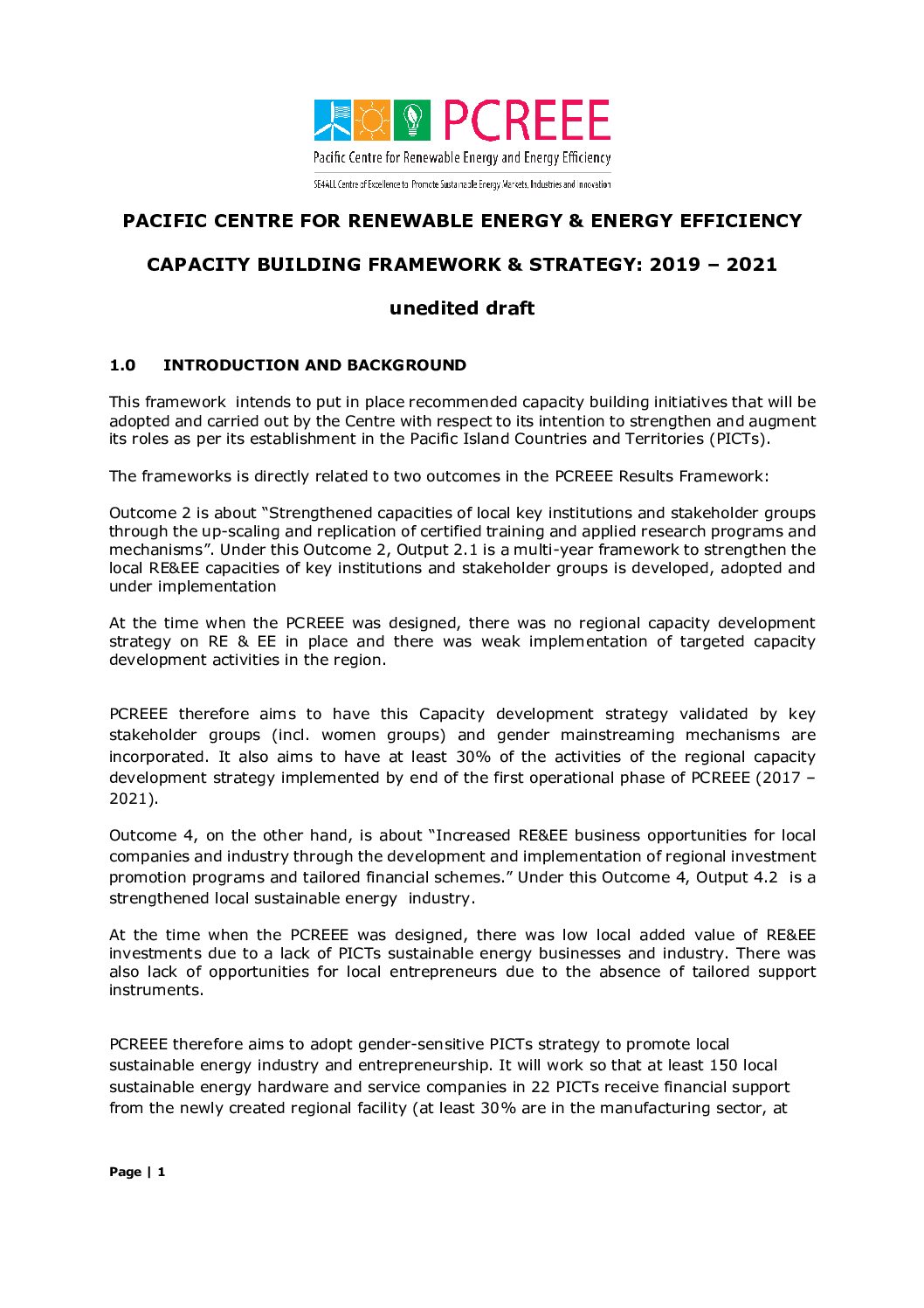
This is an example of a regional capacity building strategy based on a comprehensive needs assessment.
This web portal provides an extensive introduction into bioenergy technology, policy, financing and more.
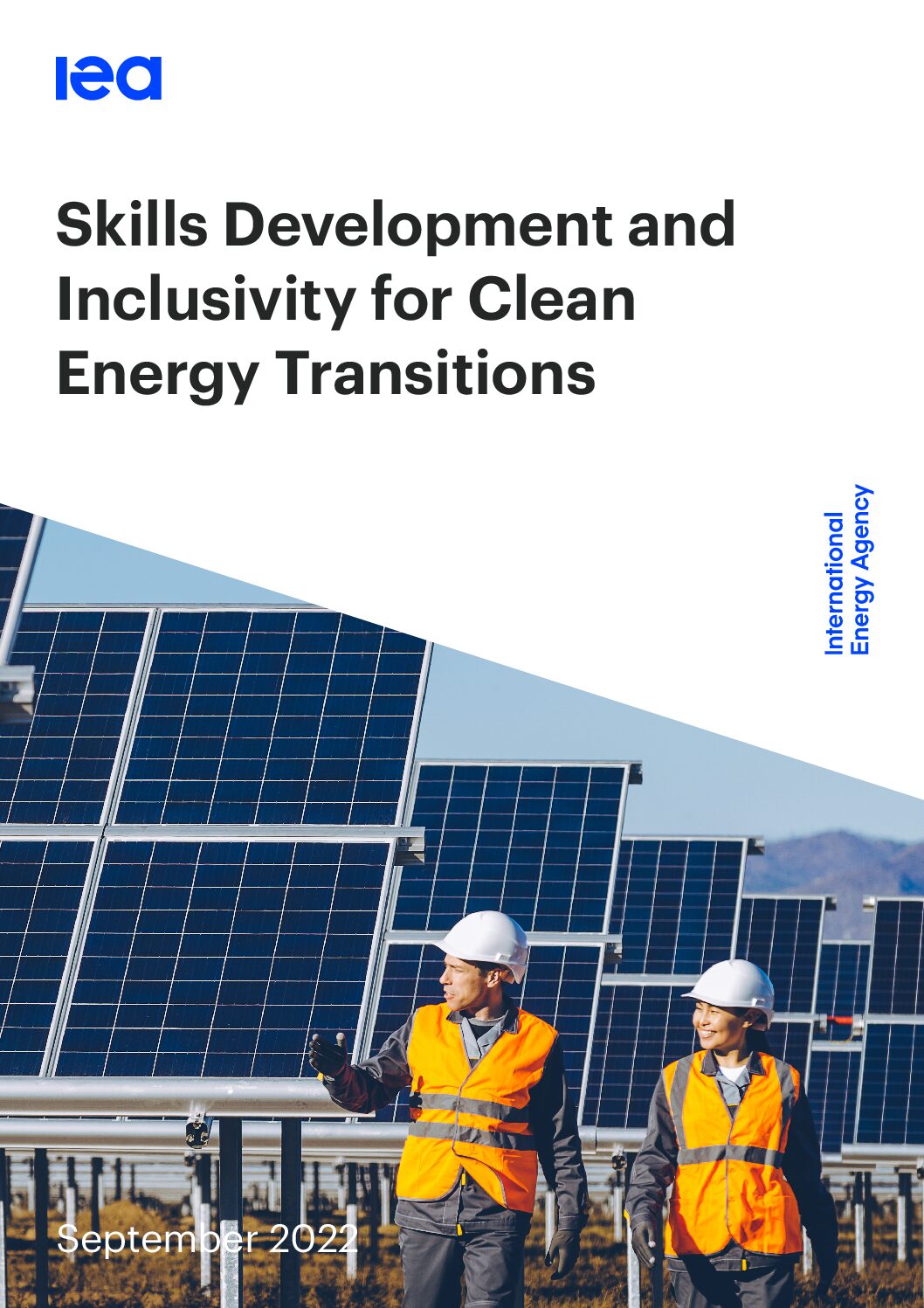
This report compiles a collection of case studies from around that world that showcase programmes designed to address skills development of workforces for energy transitions.
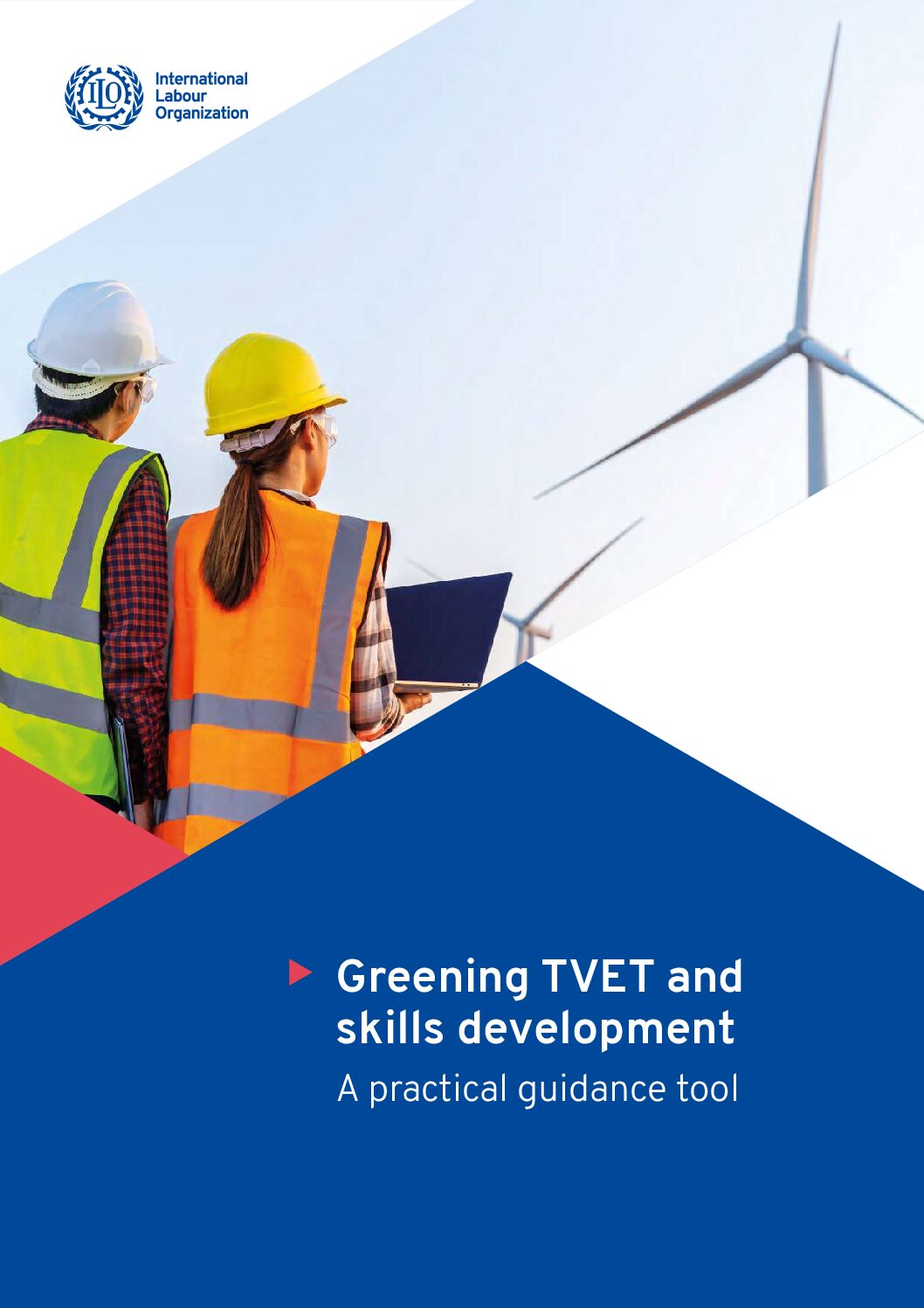
The tool provides “how-to” guidance on designing competency standards and curricula for greener jobs, adapting training delivery and assessments to support greener learning, adapting practices to maintain a greener campus, greening the professional development of teachers and in-company trainers, and sensitizing enterprises.
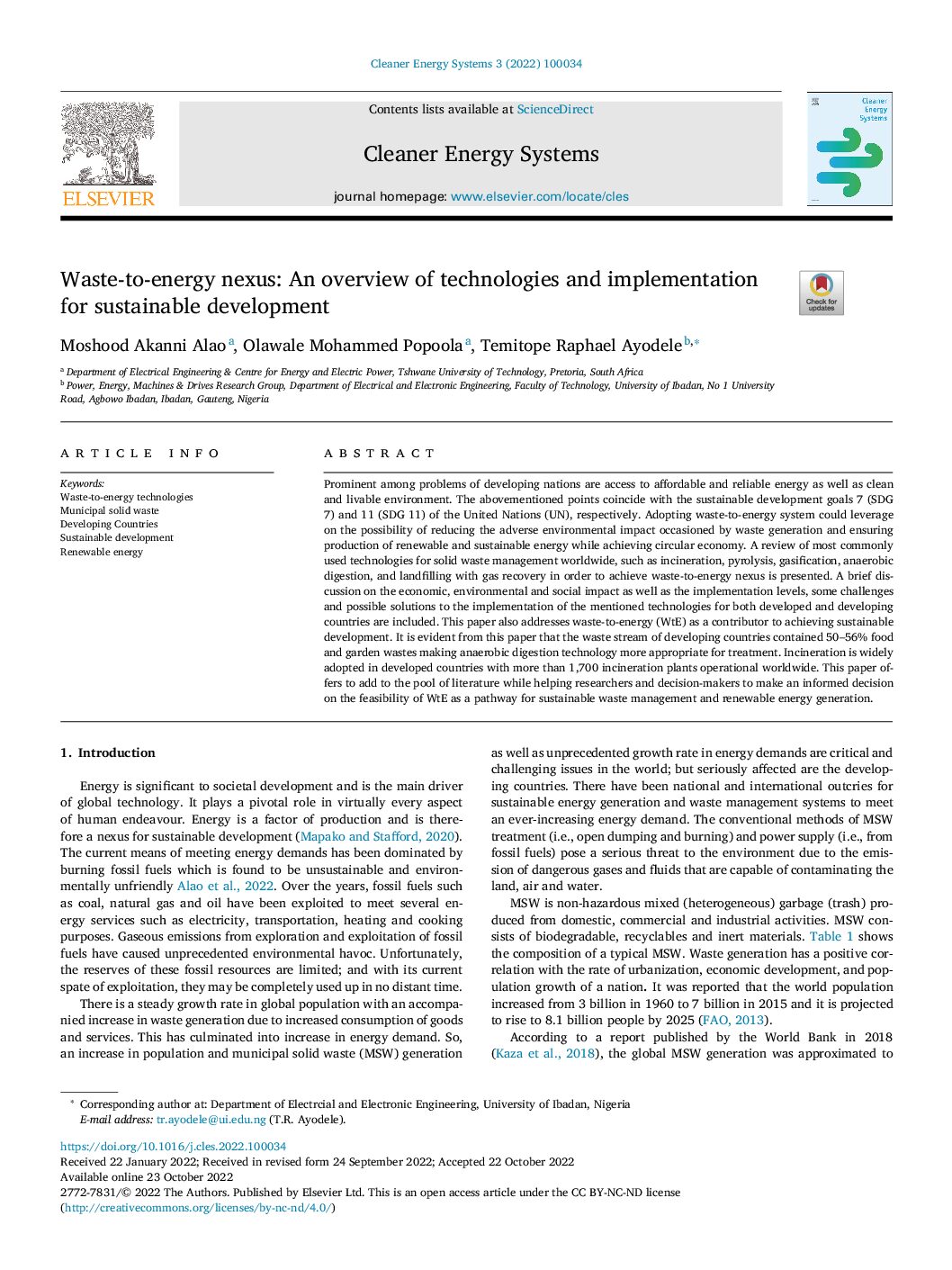
This paper gives an overview of waste to energy technologies, discusses barriers to its wider adoption in developing countries, and helps researchers and decision-makers to make informed decisions on the feasibility of WtE as a pathway for sustainable waste management and renewable energy generation.
This paper provides general guidelines for conducting Environmental Impact Assessments for waste-to-energy projects.
This article discusses the potential of heat and electricity co-generation from biomass waste to both expand energy access and improve waste management in rural areas.
This report challenges the prevailing narrative that green hydrogen is primarily a product for export from renewable-rich and industry-poor countries; rather, it underscores green hydrogen’s potential as a catalyst for sustainable development within developing countries that can contribute to economic growth, environmental sustainability and social progress.