
This report shares good practices in advancing women’s economic empowerment in the workplace, the marketplace and the community.
This web page highlights the role of buildings in the energy transition (heating, cooling, lighting, etc), and presents data and recommendations.
This report compiles a collection of case studies from around that world that showcase programmes designed to address skills development of workforces for energy transitions.
The tool provides “how-to” guidance on designing competency standards and curricula for greener jobs, adapting training delivery and assessments to support greener learning, adapting practices to maintain a greener campus, greening the professional development of teachers and in-company trainers, and sensitizing enterprises.
This database contains information on solar home systems, pico-PV products and efficient appliances that have been tested and certified by Lighting Global’s Verasol.
This paper explains how minimum energy performance standards for buildings can be implemented effectively while remaining socially just, using a differentiated approach that carefully follows a series of design principles.
This guidance note outlines how cities can tap into a wide array of proven technologies, policies, and financing mechanisms to improve energy efficiency and capture cost-effective energy savings in buildings.
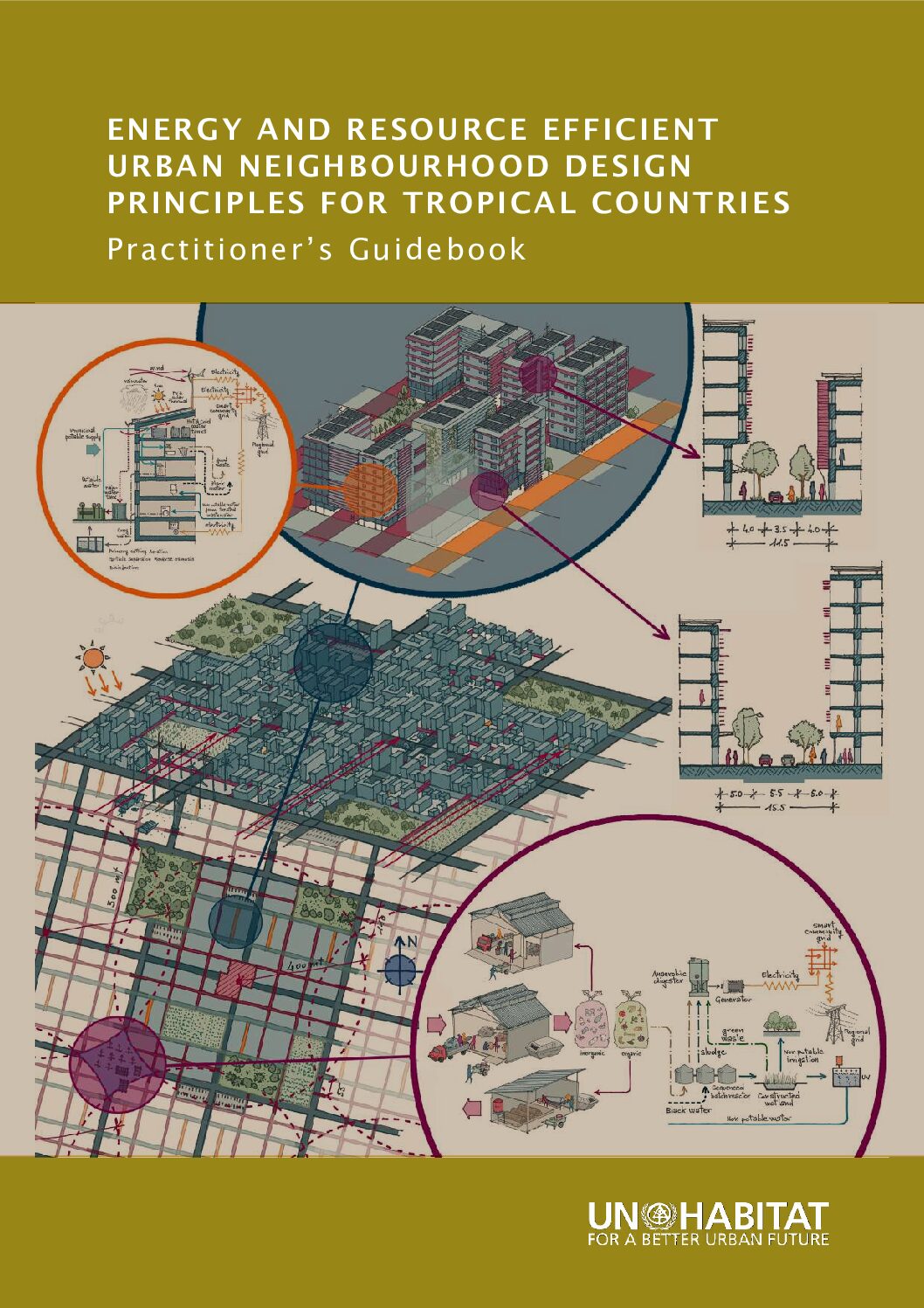
This guidebook helps practitioners adopt a holistic approach to sustainable neighbourhood design, integrating the design of efficient energy, water, wastewater and solid waste systems, and low energy mobility.
Designing for energy efficiency reduces the overall demand for resources to generate energy. This checklist will help to identify key design issues that will demonstrate whether the proposed design will be energy efficient.
This report helps policymakers develop building codes and regulations that promote the construction of green buildings.