
The Global Innovation Hub aims to promote transformative innovations for a low-emission and climate-resilient future.
A course on energy subsidies, their costs, and the design of a successful reform based on country case studies.
This handbook is provides an overview of the mechanisms and strategy behind successful Power Project Procurements, and provides advice for both governments and the private sector on ways to cooperate succesfully.
This chapter provides an overview of energy tax and subsidy patterns in the 71 countries covered in the report and estimates the net effect of energy taxes and subsidies on public finances.
This edition of the Investment Policy Monitor assesses the global landscape of fossil fuel subsidies and promotion of investment in the energy transition.
This paper investigates the role of carbon taxes in the energy transition, with case studies from Chile, Ghana, Indonesia and Jamaica.
Derisking Renewable Energy Investment (DREI) introduces an innovative, quantitative framework to assist policymakers in developing countries to cost-effectively promote and scale-up private sector investment in renewable energy.
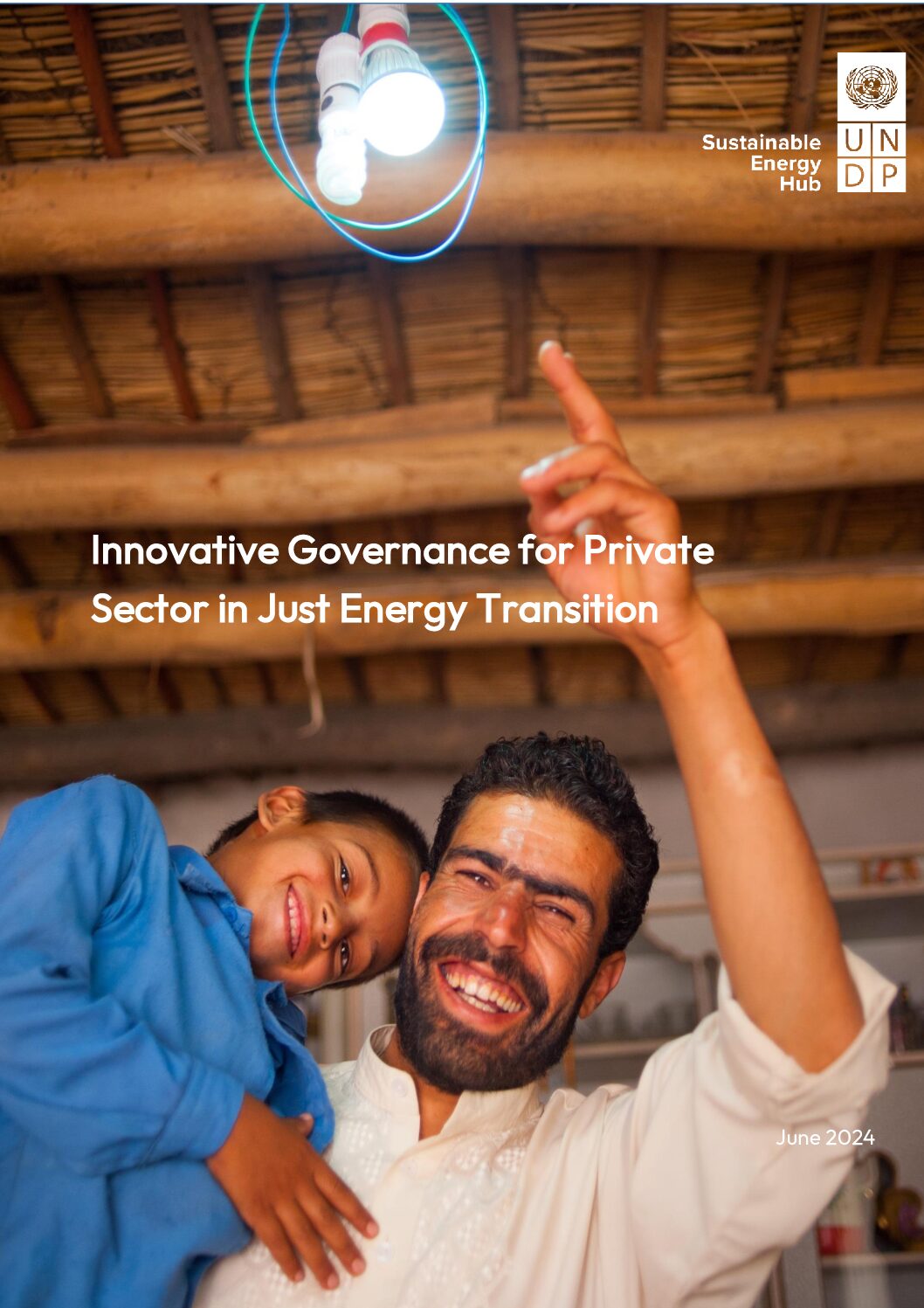
This report explores how governments can catalyze the private sector’s role in ensuring a sustainable and just energy transition.
This report draws on the experience of members of the OECD Development Assistance Committee to identify emerging trends, good practice and lessons learned in their work with the private sector to leverage private capital, expertise, core business and market-based solutions to meeting the challenge of making development sustainable.
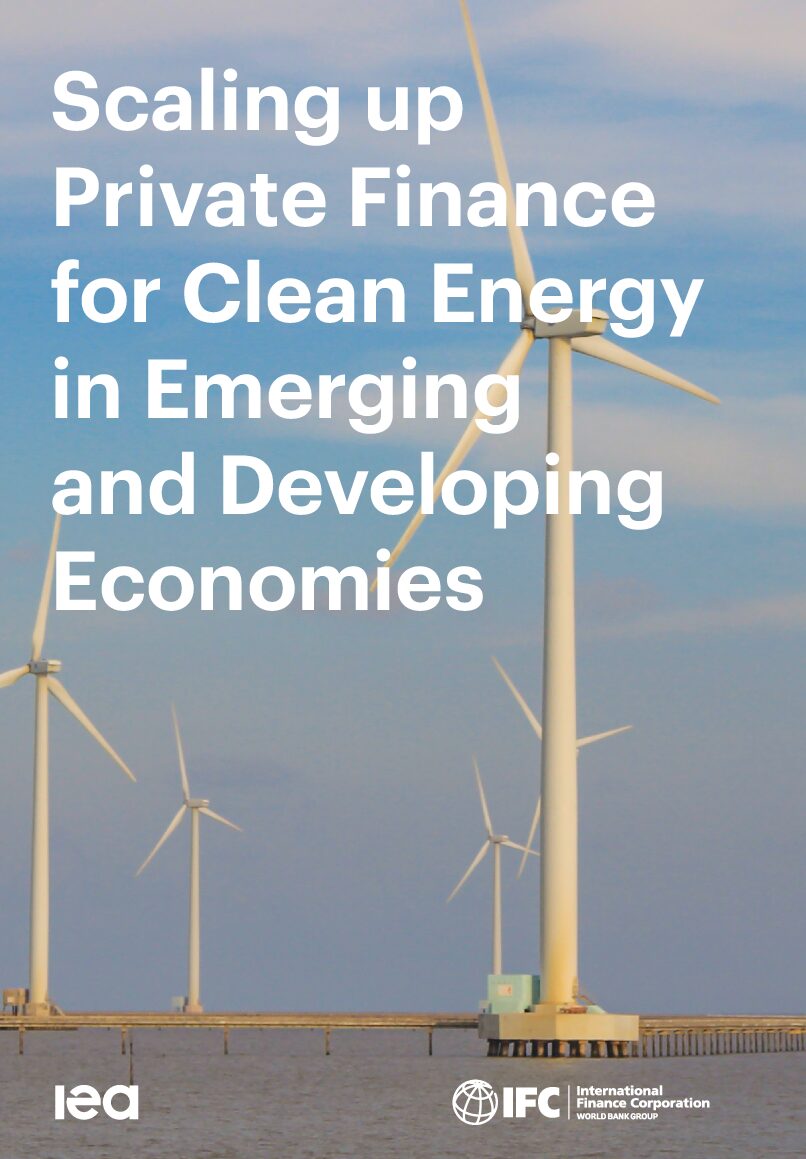
This report aims to quantify the investments required to build modern, clean energy systems and identify the policy actions and financial instruments that can deliver a major acceleration in private capital flows for the energy transition.