
Institutions all over the world are setting up microcredentials in responses to calls from governments and industry: short courses, usually offered online by accredited institutions, with an emphasis on the needs of the workplace. They are also often used for retraining and upskilling. This book explains how to start offering microcredentials as an academic institution.
This guide aims to accelerate the flexibility and responsiveness of learning systems by providing guidance on the design, issue and recognition of micro-credentials.
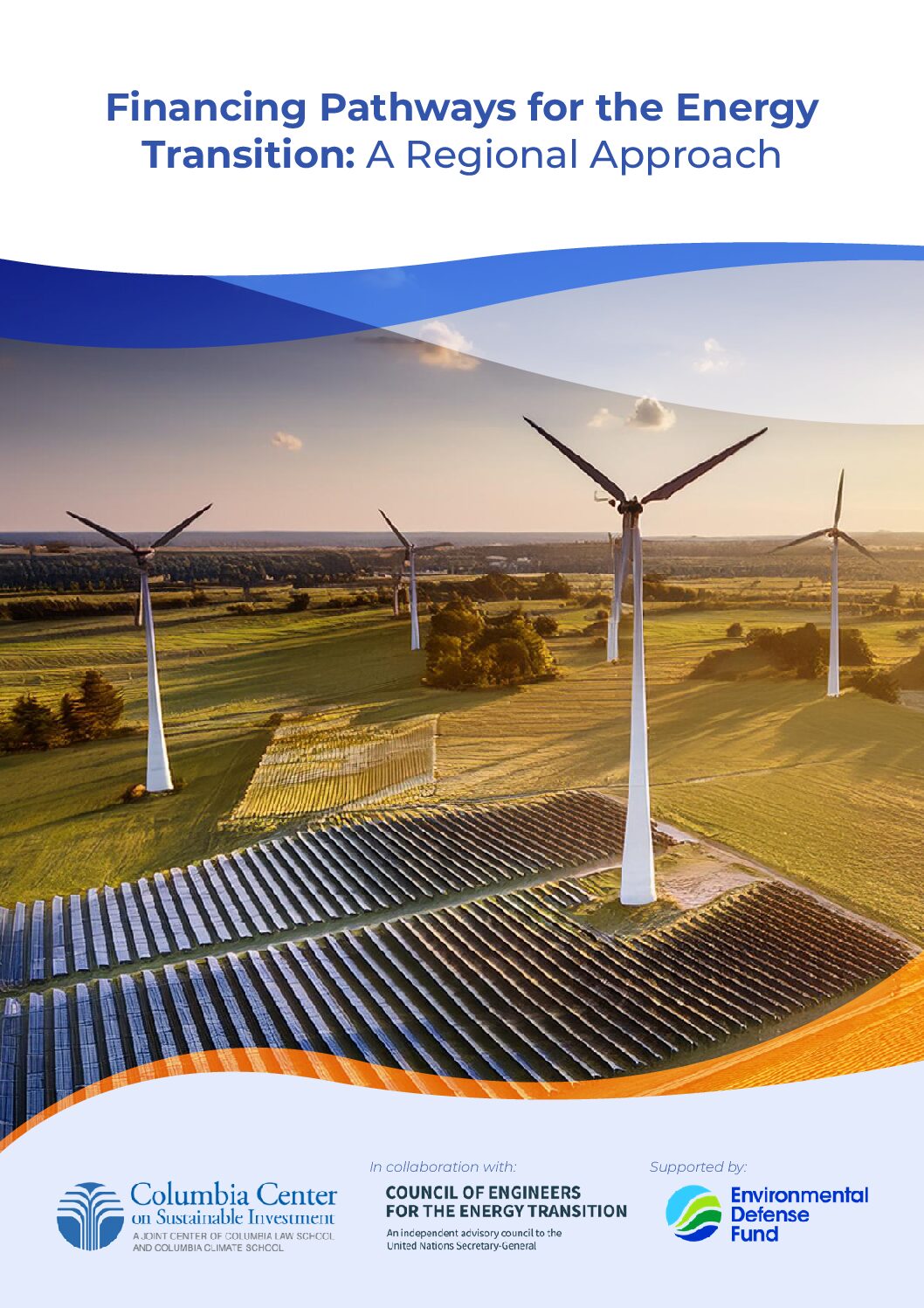
This report highlights the main challenges and opportunities in energy transition financing from a regional perspective, highlighting commonalities and differences across Africa, Asia and the Pacific (APAC), Europe, and Latin America and the Caribbean (LAC).
This article provides an introduction to ESG and its relevance to the energy transition.
This report explores ways to identify and mitigate energy transition investment risks in the low- and middle-income countries, pointing out 1) that better energy planning can attract greater investment in renewable energy, 2) that sustainable fuels will play an important role in delivering the energy transition, and 3) that the social dimensions of the transition … Continue reading “A Just and Inclusive Energy Transition in Emerging Markets and Developing Economies: Energy Planning, Financing, Sustainable Fuels and Social Dimensions”
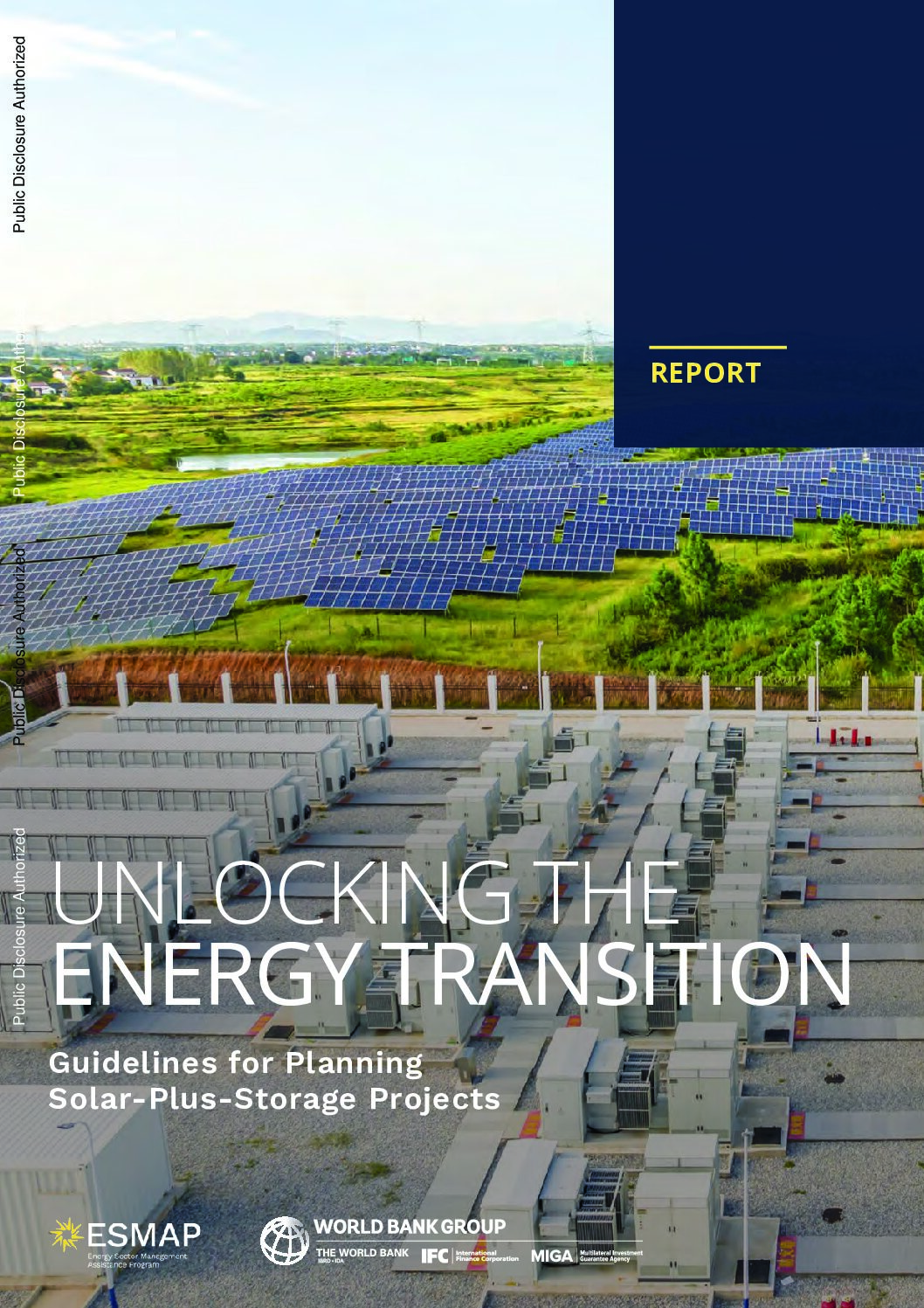
This report outlines how modern battery energy storage systems can be effectively deployed and alleviate the variability of renewables. It also includes a Power Purchase Agreement template that can serve as a practical tool to bring private sector investments in the power sector.

This report aims to support state-level leadership and action in pursuit of the just energy transition in Mexico, by providing a rationale for state-level action, an overview of international good practices, an analysis of challenges and opportunities, and a toolkit of energy transition measures that states can consider adopting.
This article explores how system planning, and in particular assessments of system adequacy, will need to innovate and evolve to allow power systems to keep delivering secure and affordable electricity supply during energy transitions.
This report examines the critical role of modeling for transmission planning for energy transitions.
This report challenges the prevailing narrative that green hydrogen is primarily a product for export from renewable-rich and industry-poor countries; rather, it underscores green hydrogen’s potential as a catalyst for sustainable development within developing countries that can contribute to economic growth, environmental sustainability and social progress.