
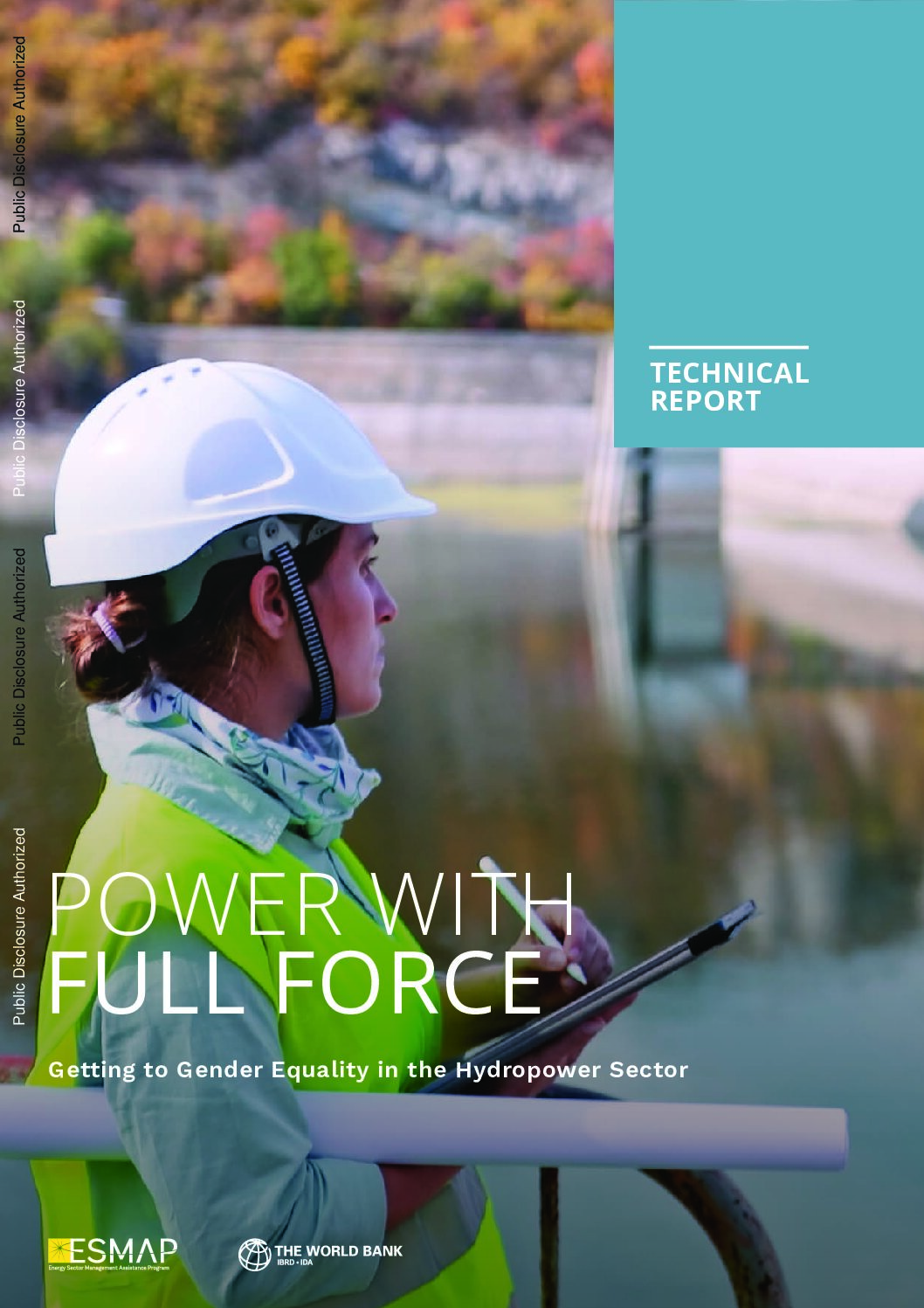
This report provides baseline data on women’s employment in hydropower, as well as information on barriers to gender equality and recommendations to close gender gaps.
This guidebook helps project developers and investors to prepare bankable business plans for RE projects, particularly for power generation.
This guide addresses the challenges faced by rural energy enterprises in developing countries, and sets out solutions such as business models offering cooking energy as a service.
A course on energy subsidies, their costs, and the design of a successful reform based on country case studies.
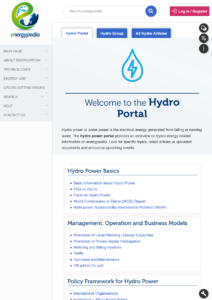
This web portal provides an extensive introduction into hydropower technology, policy, financing and more.
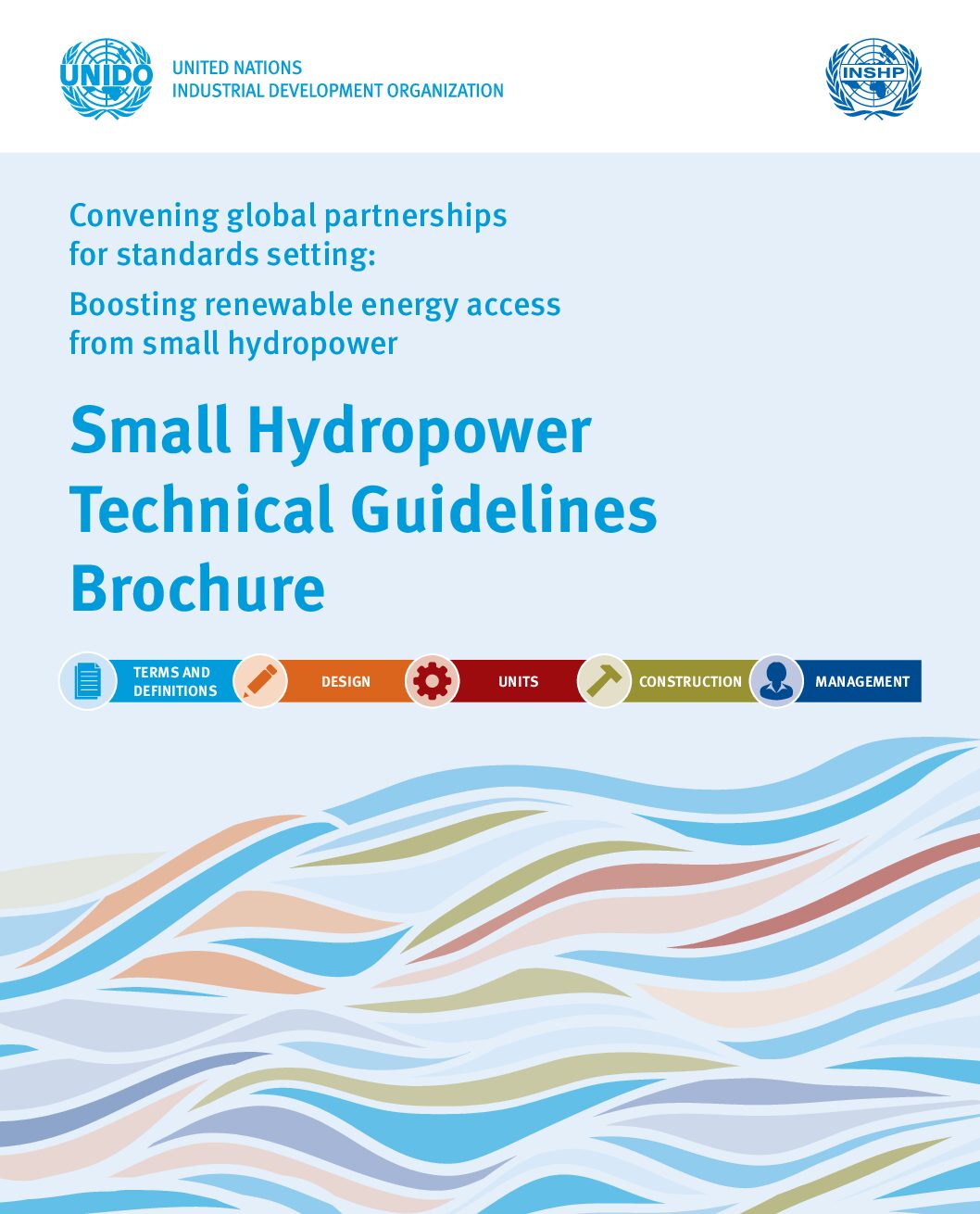
These guidelines aim to support countries to improve their policies, technologies and environmental conditions for the deployment of small hydropower.
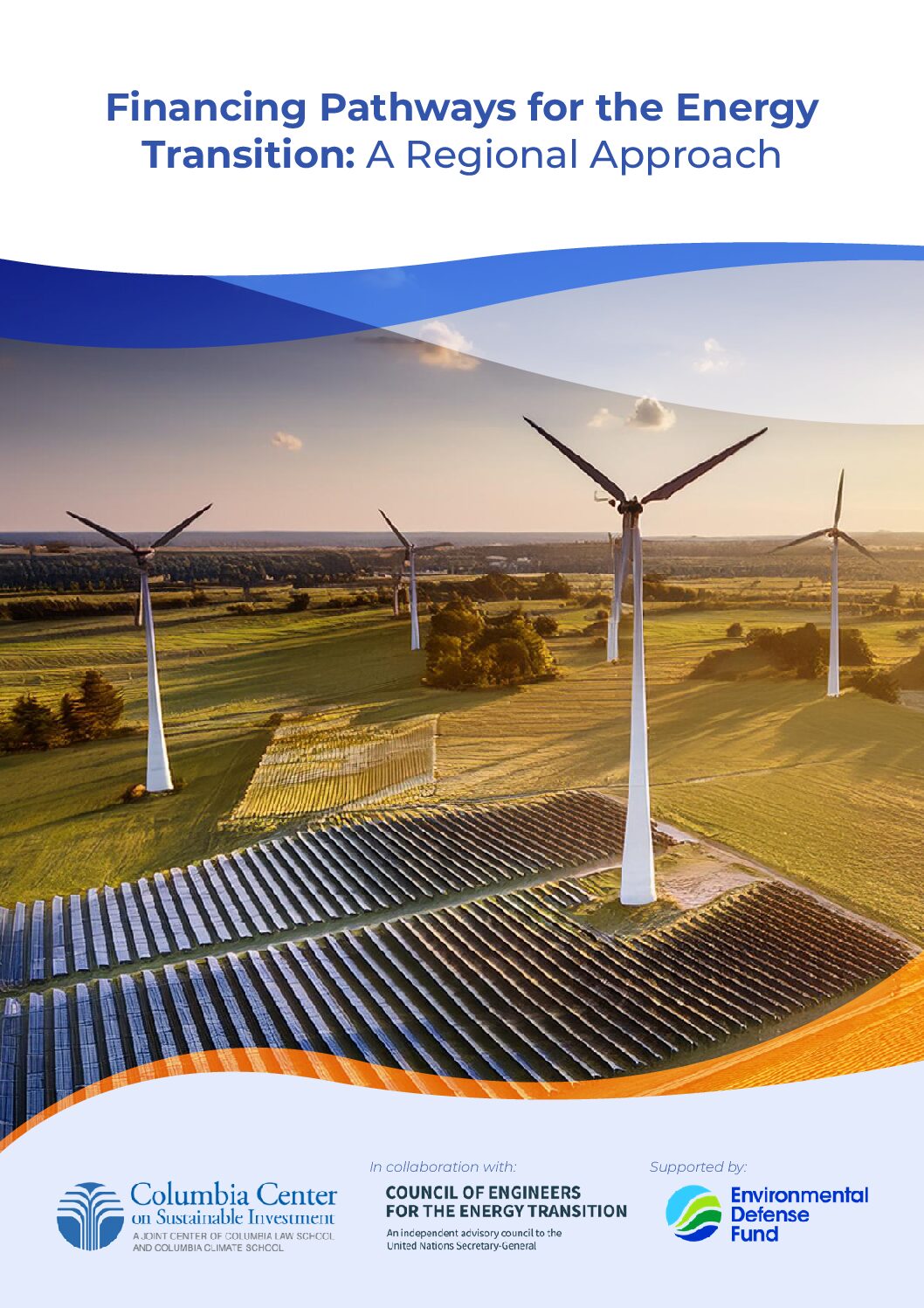
This report highlights the main challenges and opportunities in energy transition financing from a regional perspective, highlighting commonalities and differences across Africa, Asia and the Pacific (APAC), Europe, and Latin America and the Caribbean (LAC).
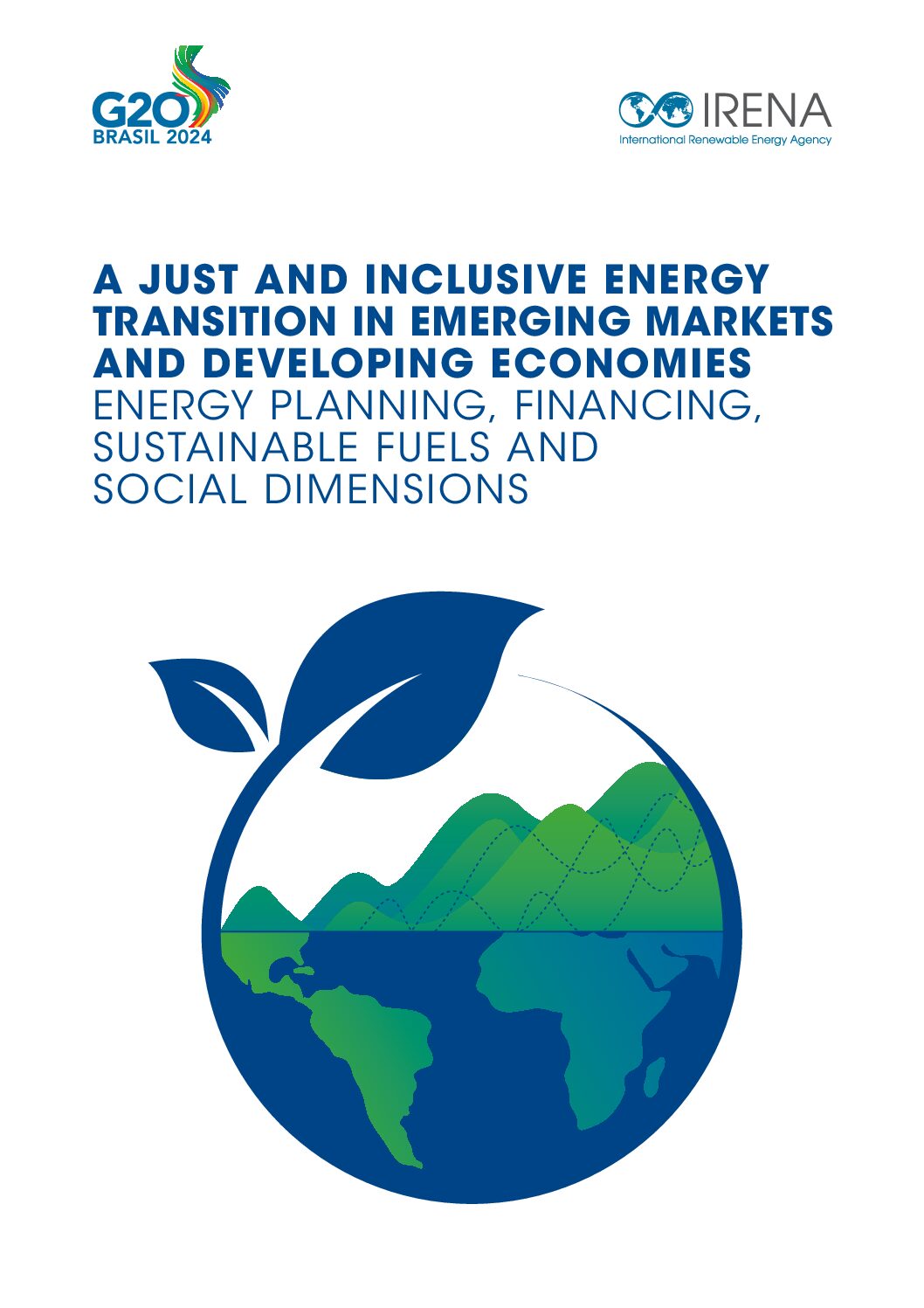
This report explores ways to identify and mitigate energy transition investment risks in the low- and middle-income countries, pointing out 1) that better energy planning can attract greater investment in renewable energy, 2) that sustainable fuels will play an important role in delivering the energy transition, and 3) that the social dimensions of the transition … Continue reading “A Just and Inclusive Energy Transition in Emerging Markets and Developing Economies: Energy Planning, Financing, Sustainable Fuels and Social Dimensions”
This chapter provides an overview of energy tax and subsidy patterns in the 71 countries covered in the report and estimates the net effect of energy taxes and subsidies on public finances.
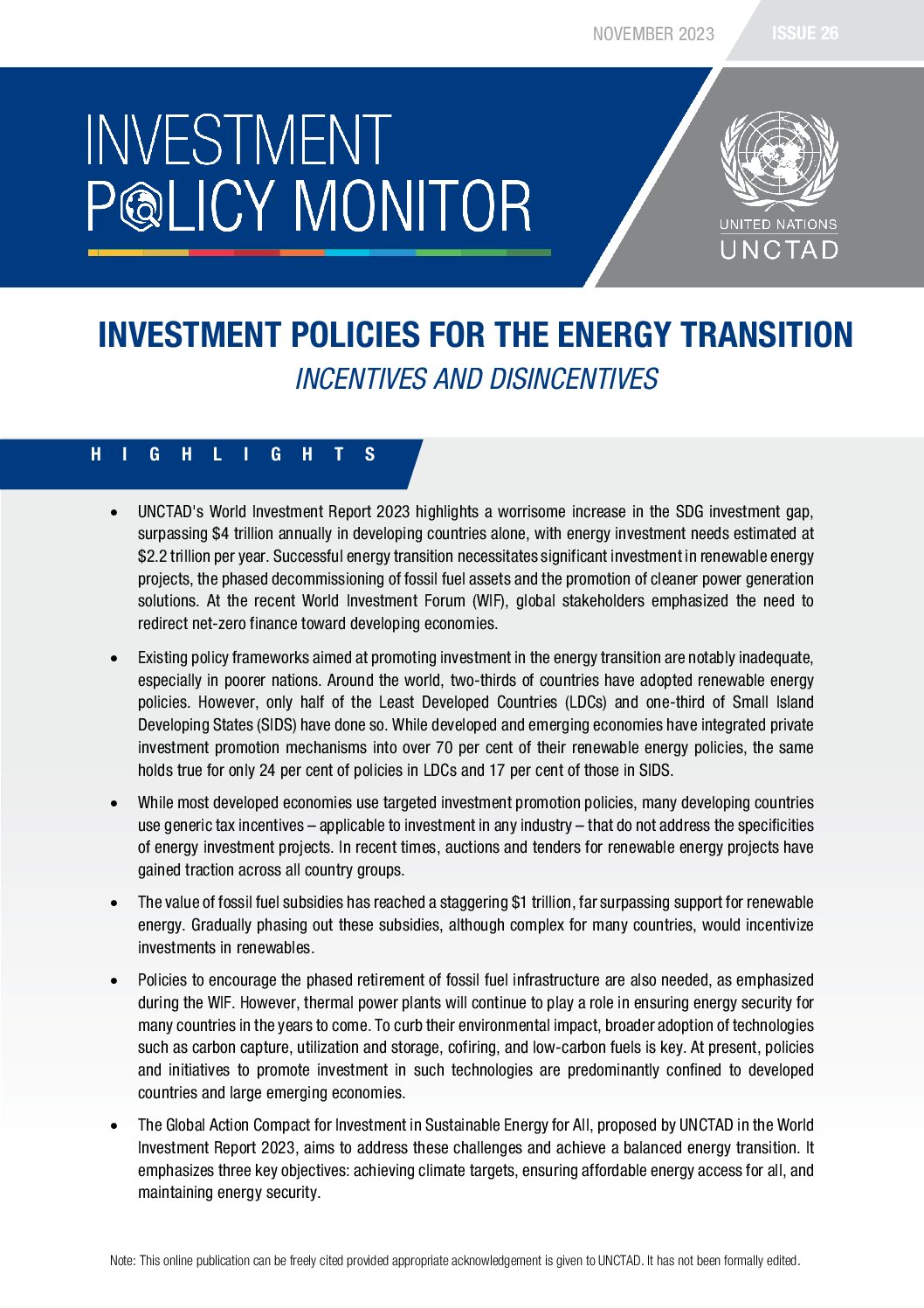
This edition of the Investment Policy Monitor assesses the global landscape of fossil fuel subsidies and promotion of investment in the energy transition.