
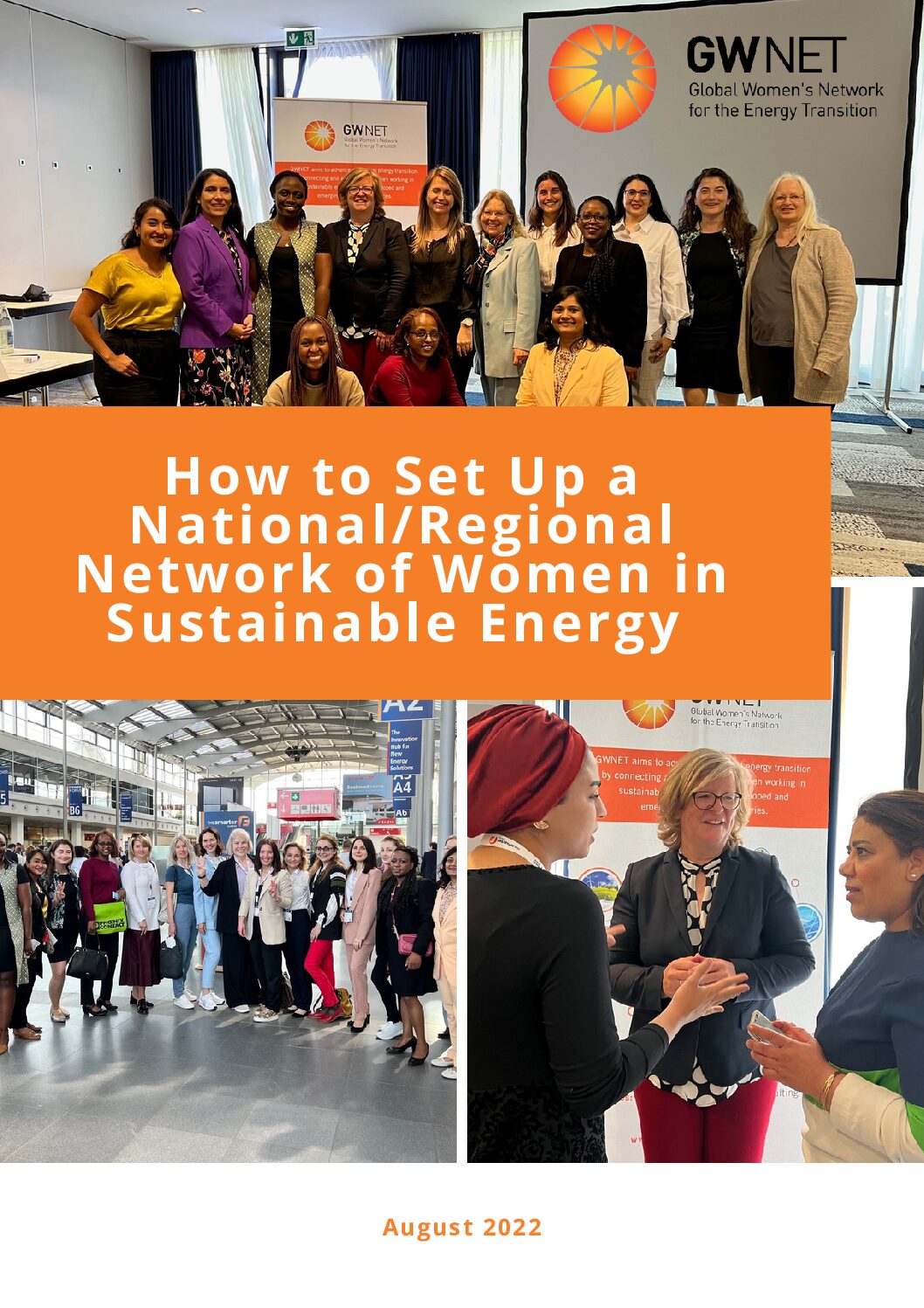
This guide provides principles and step-by-step instructions for the establishment of regional/national networks for women working in energy
This paper shares lessons for donors, policymakers in beneficiary governments, and financial institutions on whether and how best to deploy blended finance in the clean energy sector.
This report highlights the economic, social and environmental benefits that energy and transport sector-coupling and a transition towards EV- and RE-based, efficient systems can create in small island settings, and provides tools for the planning of such a transition.
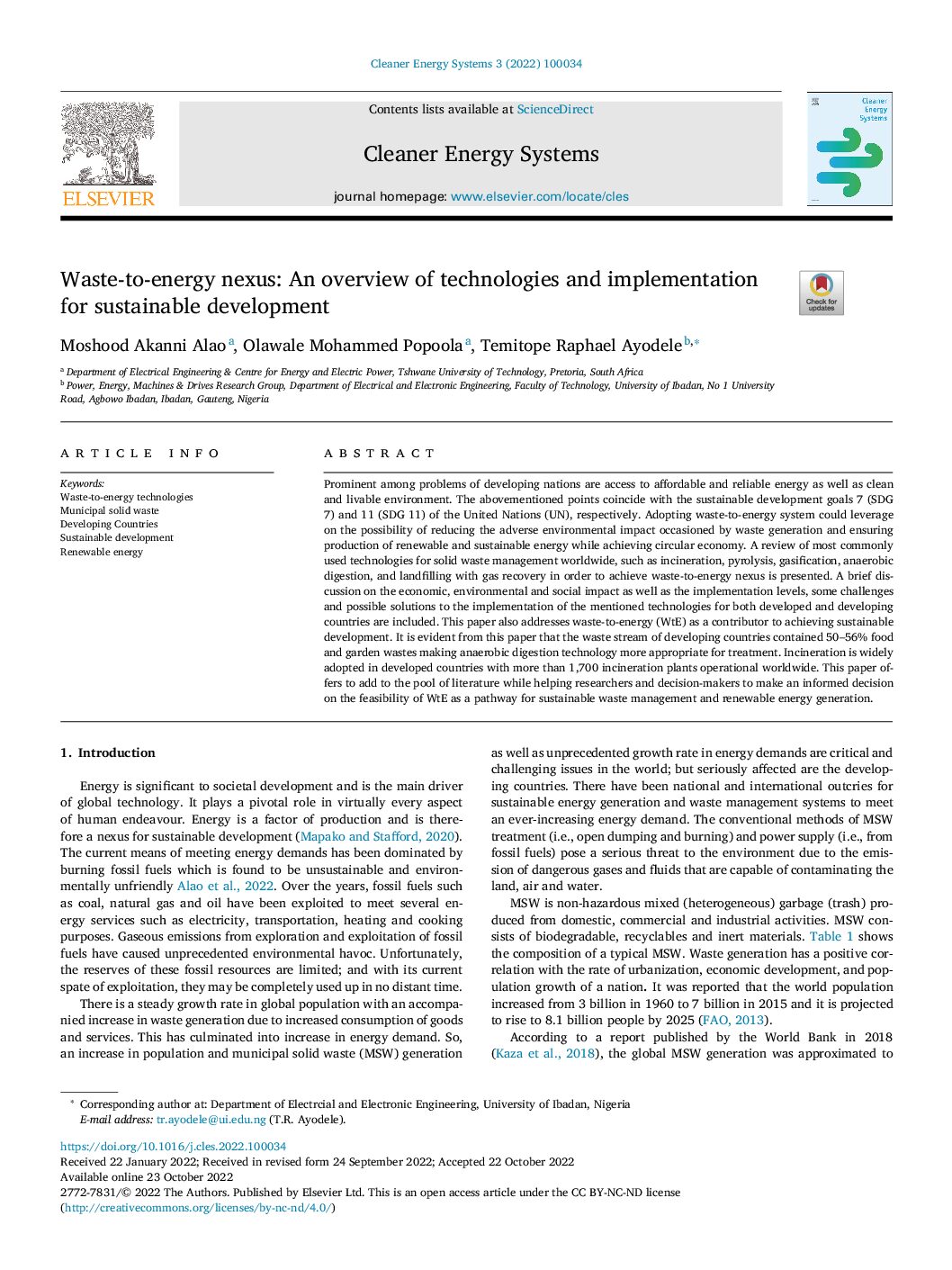
This paper gives an overview of waste to energy technologies, discusses barriers to its wider adoption in developing countries, and helps researchers and decision-makers to make informed decisions on the feasibility of WtE as a pathway for sustainable waste management and renewable energy generation.
This paper provides general guidelines for conducting Environmental Impact Assessments for waste-to-energy projects.
This article discusses the potential of heat and electricity co-generation from biomass waste to both expand energy access and improve waste management in rural areas.
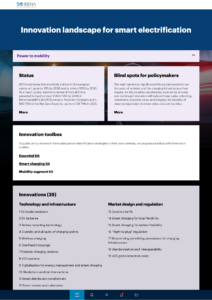
This database presents the current status, policy barriers, and key innovations for electrification of mobility, heating and cooling, and hydrogen production.
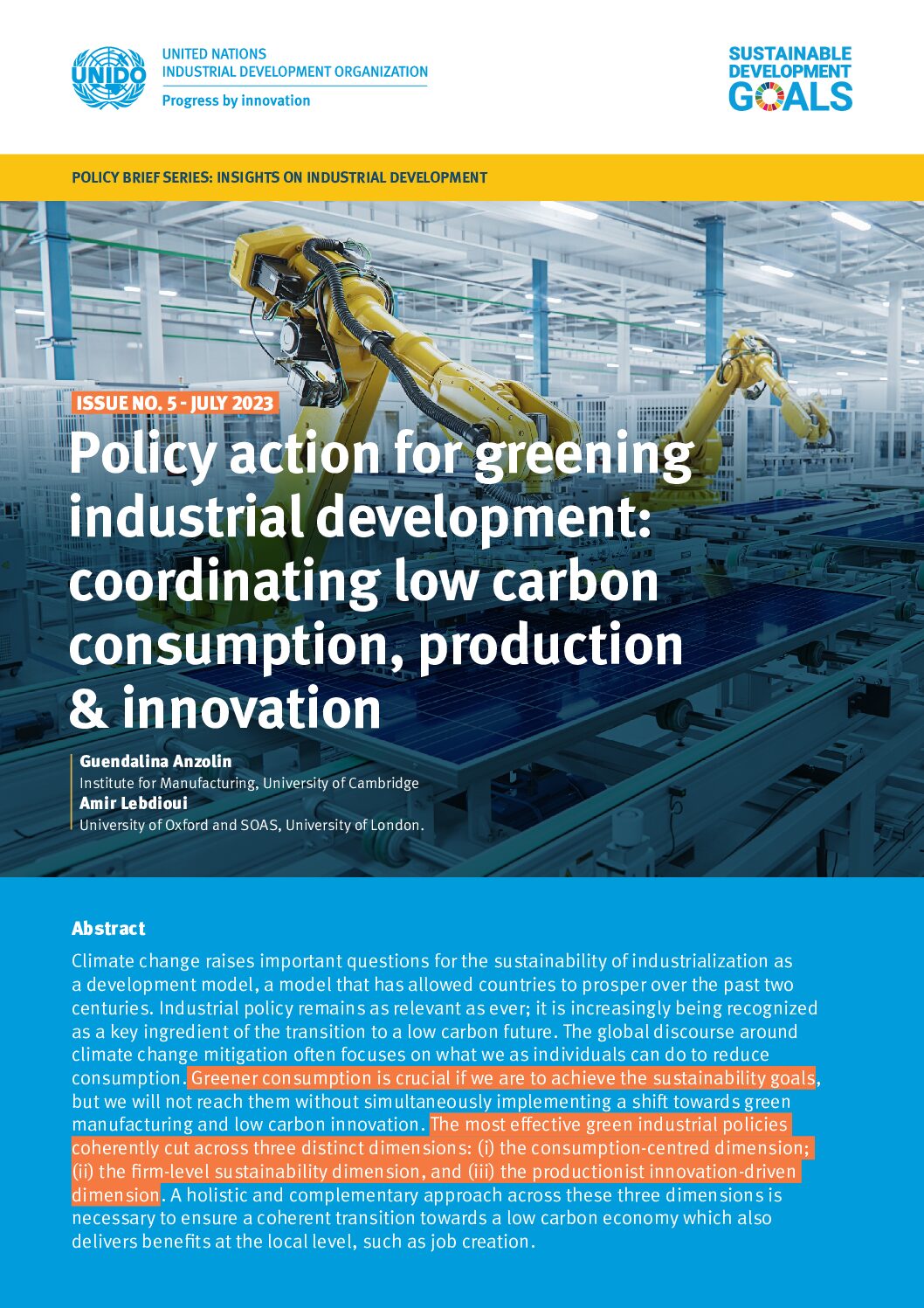
This brief describes the balance required in effective green industrial policies across three dimensions: consumption-centred, production-centred, and innovation.
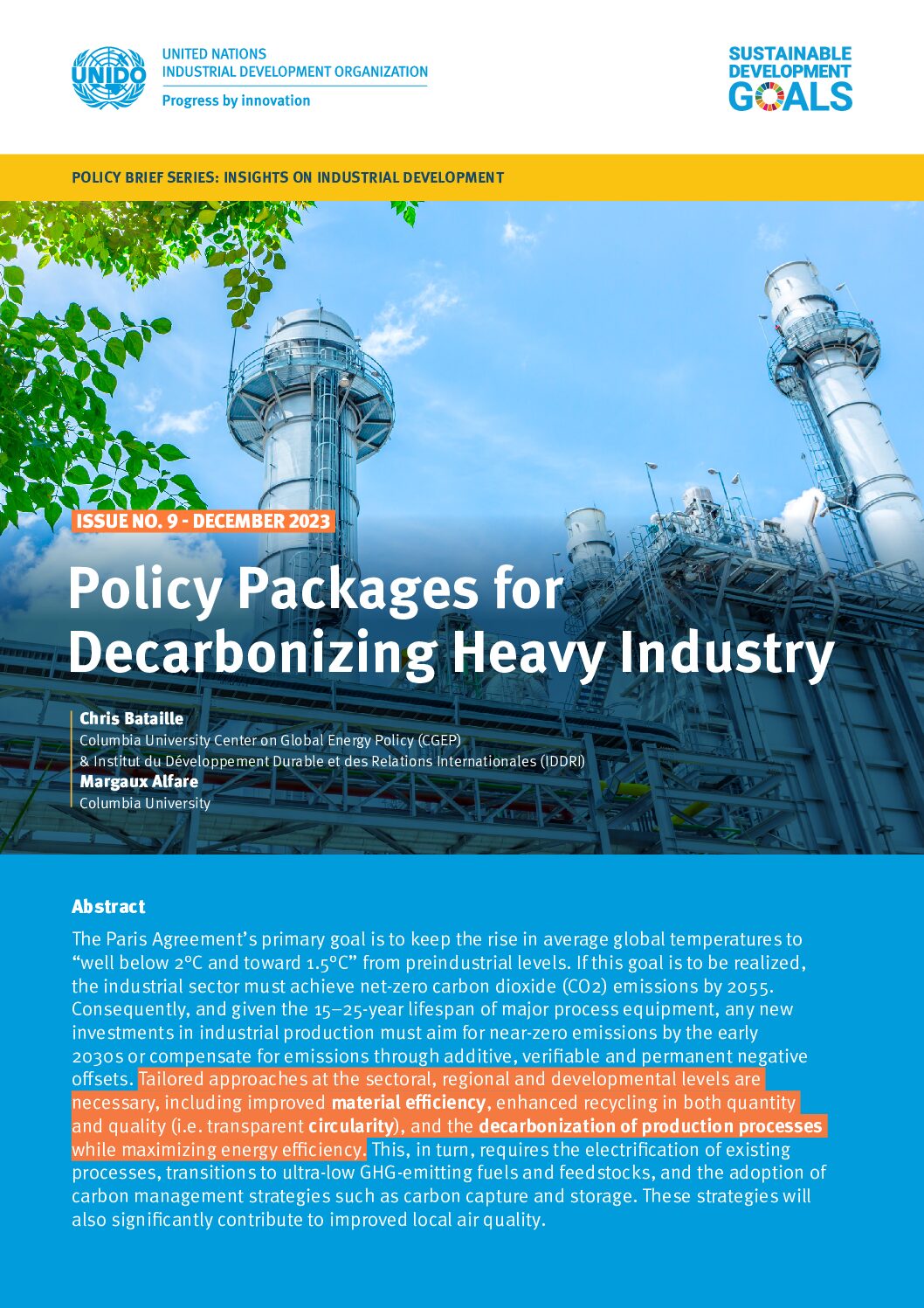
This brief describes policy options for the decarbonisation of heavy industry, both for improved material efficiency and for electrification.
These guidelines provide advice on the development of green hydrogen clusters, which are industrial clusters that share green hydrogen and renewable energy for various purposes and can significantly contribute to industrial decarbonisation.