
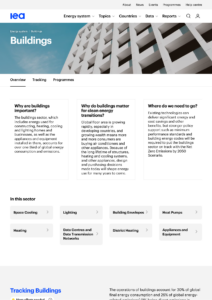
This web page highlights the role of buildings in the energy transition (heating, cooling, lighting, etc), and presents data and recommendations.
This article provides an introduction to ESG and its relevance to the energy transition.
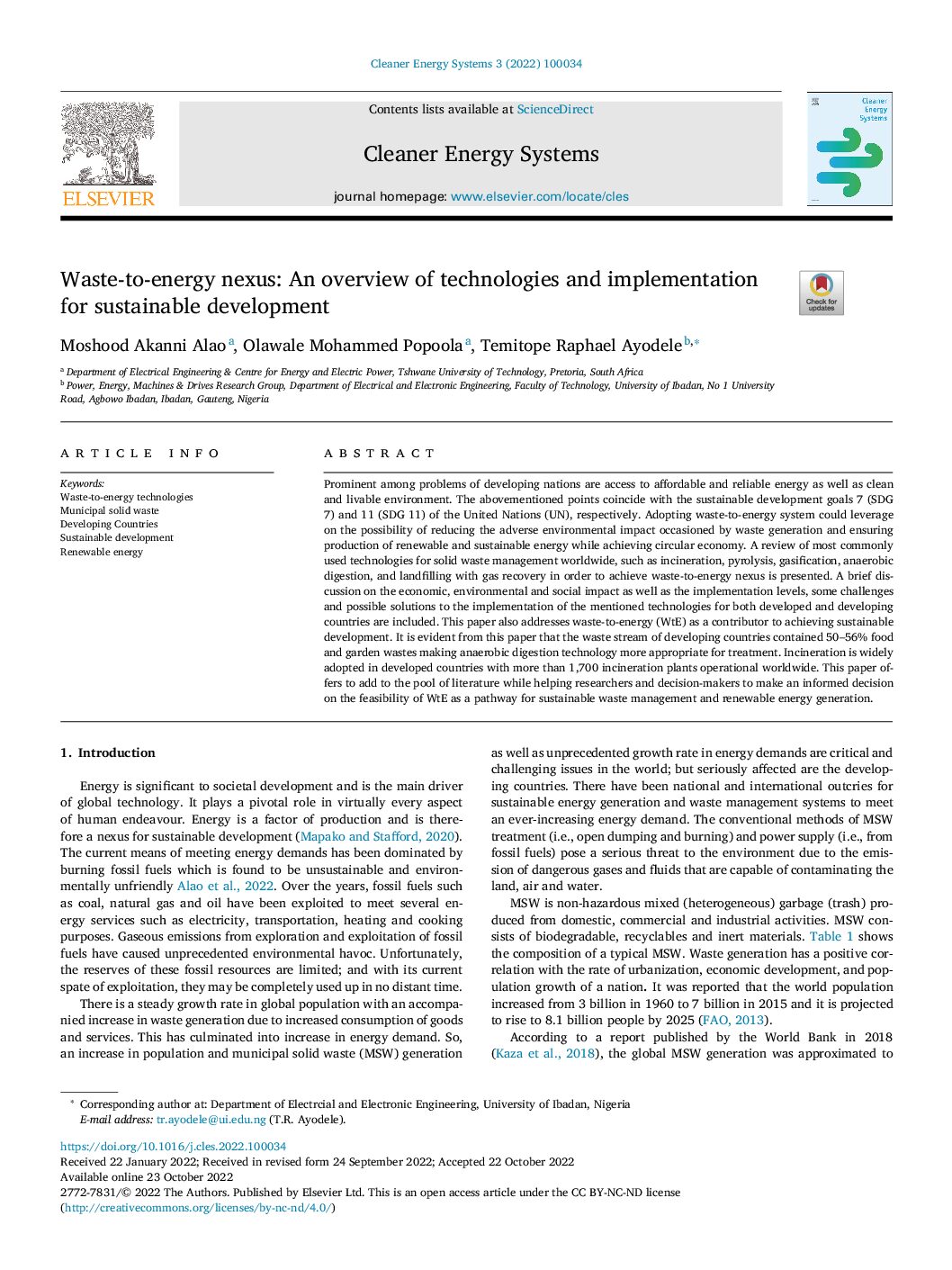
This paper gives an overview of waste to energy technologies, discusses barriers to its wider adoption in developing countries, and helps researchers and decision-makers to make informed decisions on the feasibility of WtE as a pathway for sustainable waste management and renewable energy generation.
This paper provides general guidelines for conducting Environmental Impact Assessments for waste-to-energy projects.
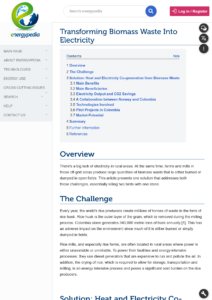
This article discusses the potential of heat and electricity co-generation from biomass waste to both expand energy access and improve waste management in rural areas.
This database contains information on solar home systems, pico-PV products and efficient appliances that have been tested and certified by Lighting Global’s Verasol.
This paper explains how minimum energy performance standards for buildings can be implemented effectively while remaining socially just, using a differentiated approach that carefully follows a series of design principles.
This guidance note outlines how cities can tap into a wide array of proven technologies, policies, and financing mechanisms to improve energy efficiency and capture cost-effective energy savings in buildings.
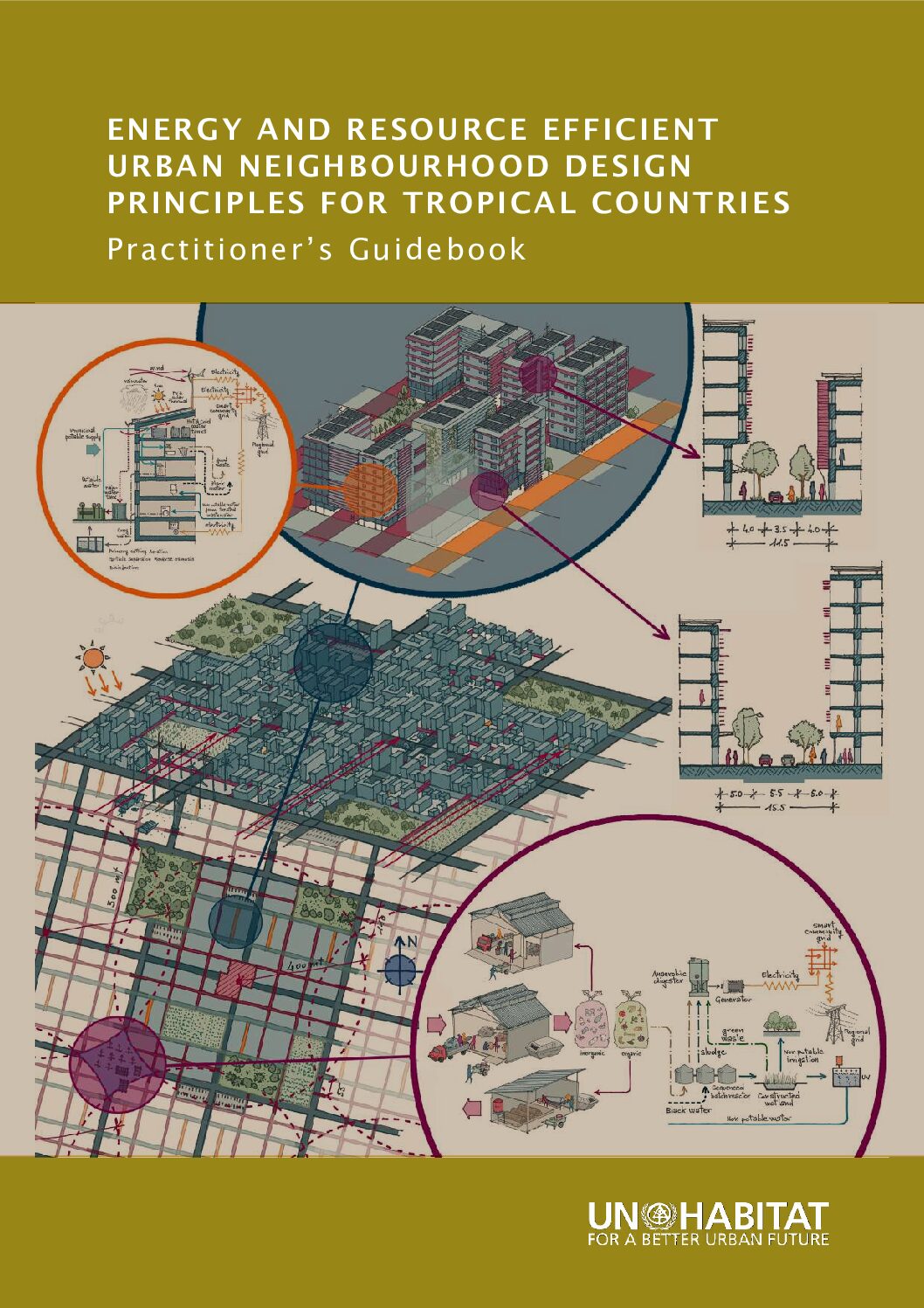
This guidebook helps practitioners adopt a holistic approach to sustainable neighbourhood design, integrating the design of efficient energy, water, wastewater and solid waste systems, and low energy mobility.
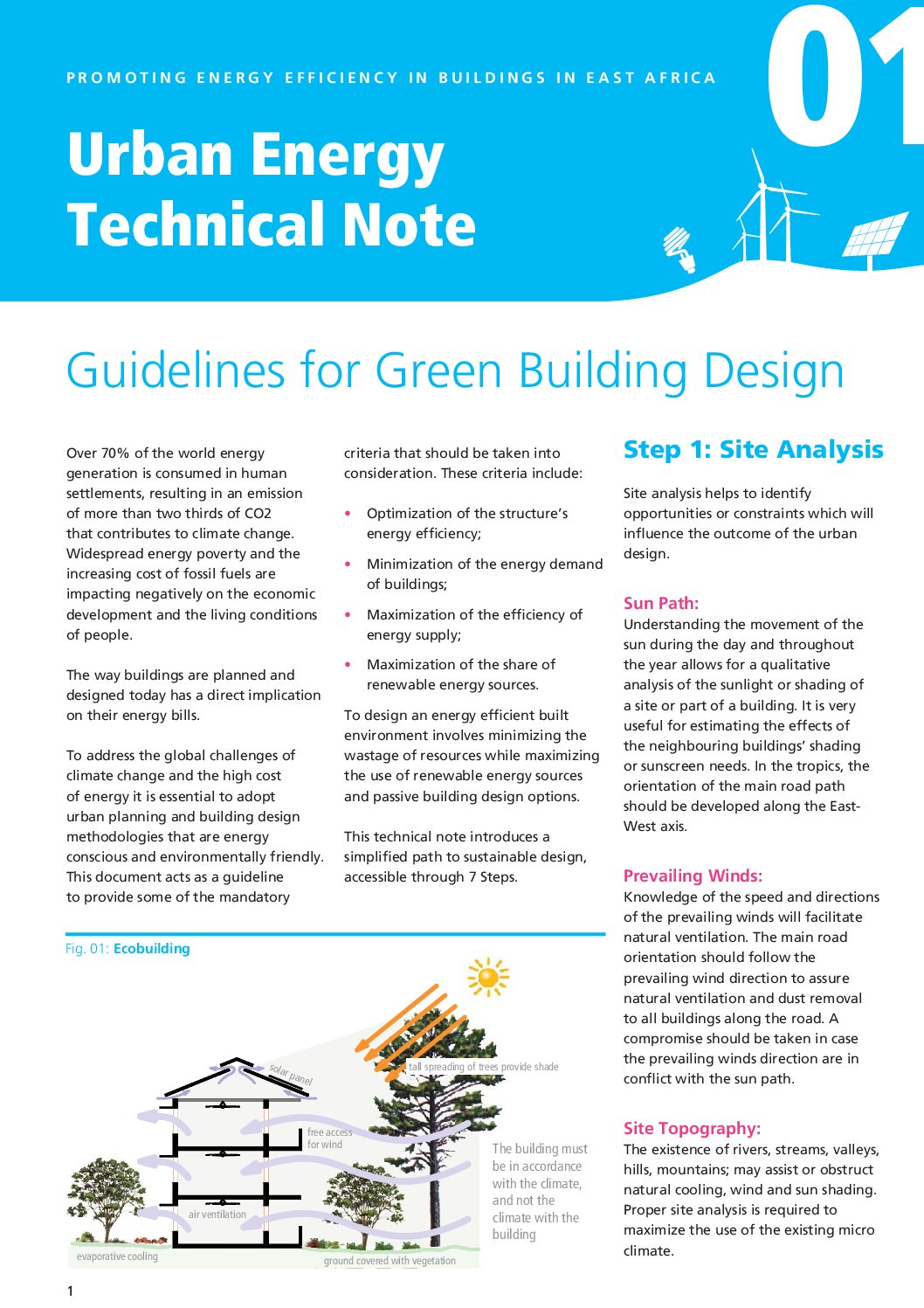
This technical note introduces a simplified path to sustainable design in seven steps: site analysis, site plan, building design, energy, water, solid waste and agriculture.