
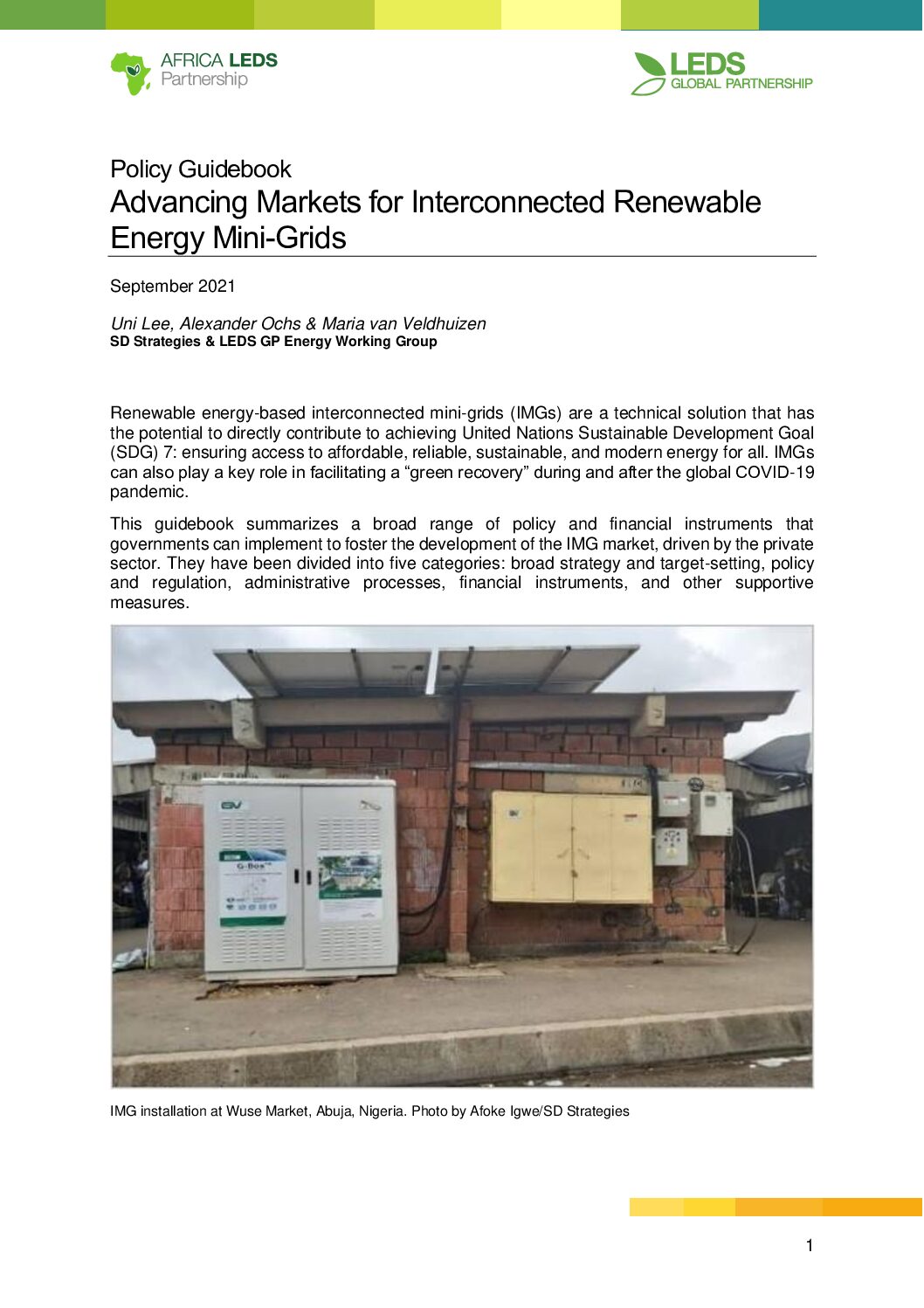
This guidebook summarizes a broad range of policy and financial instruments that governments can implement to foster the development of the interconnected mini-grid market, driven by the private sector.
This report challenges the prevailing narrative that green hydrogen is primarily a product for export from renewable-rich and industry-poor countries; rather, it underscores green hydrogen’s potential as a catalyst for sustainable development within developing countries that can contribute to economic growth, environmental sustainability and social progress.
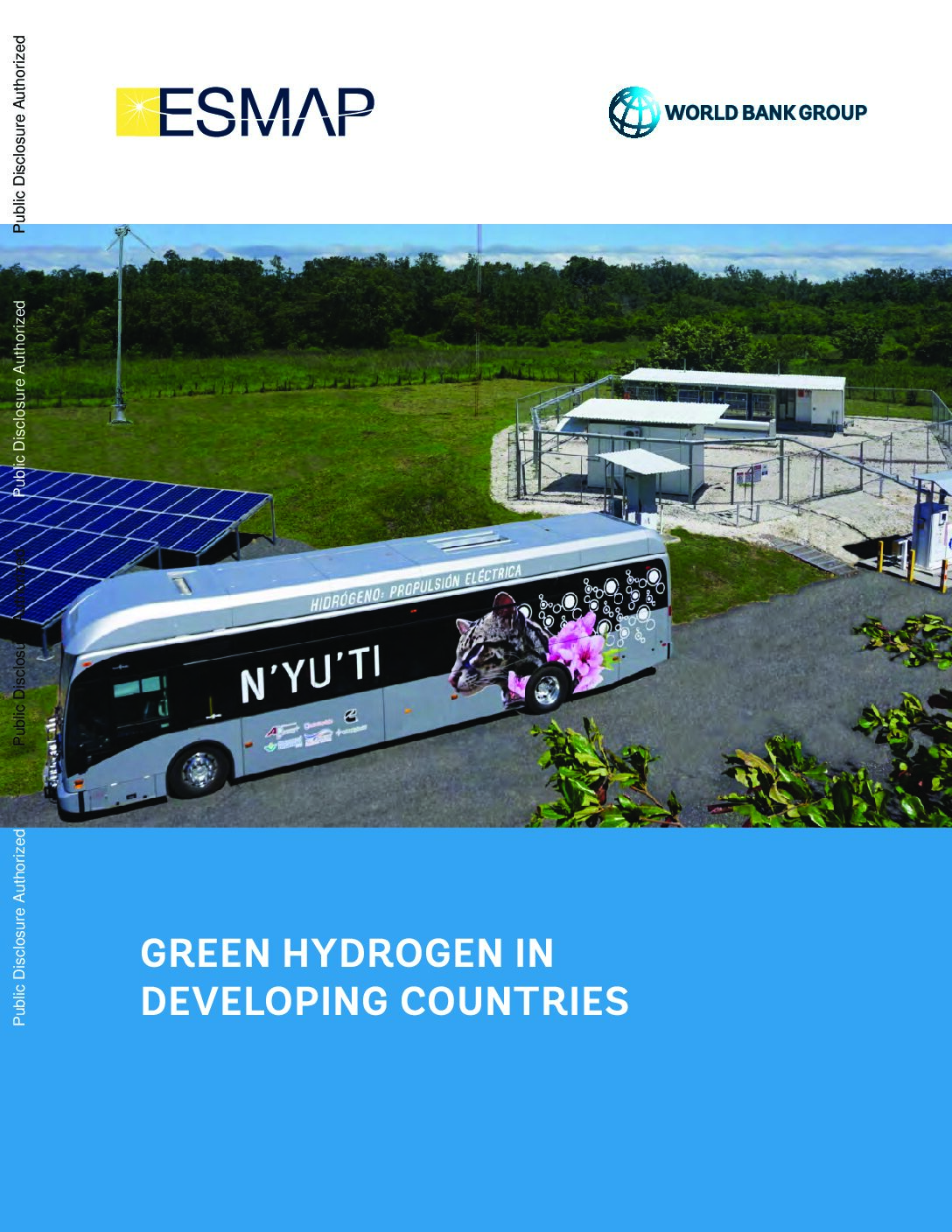
This report focuses on how green hydrogen and fuel cell technologies could be initially rolled out in developing countries by presenting a series of applications that could be initially deployed in some locations and later scaled up.
This paper presents a value chain approach to identify priority areas for developing national hydrogen strategies, focussing on emerging and developing economies.
This database presents the current status, policy barriers, and key innovations for electrification of mobility, heating and cooling, and hydrogen production.
This web page gives advice on public advocacy for energy efficiency, focusing on four concepts: Getting the message right; Getting the message across; Combining information with behavioural insights; and Campaigns for a crisis context.
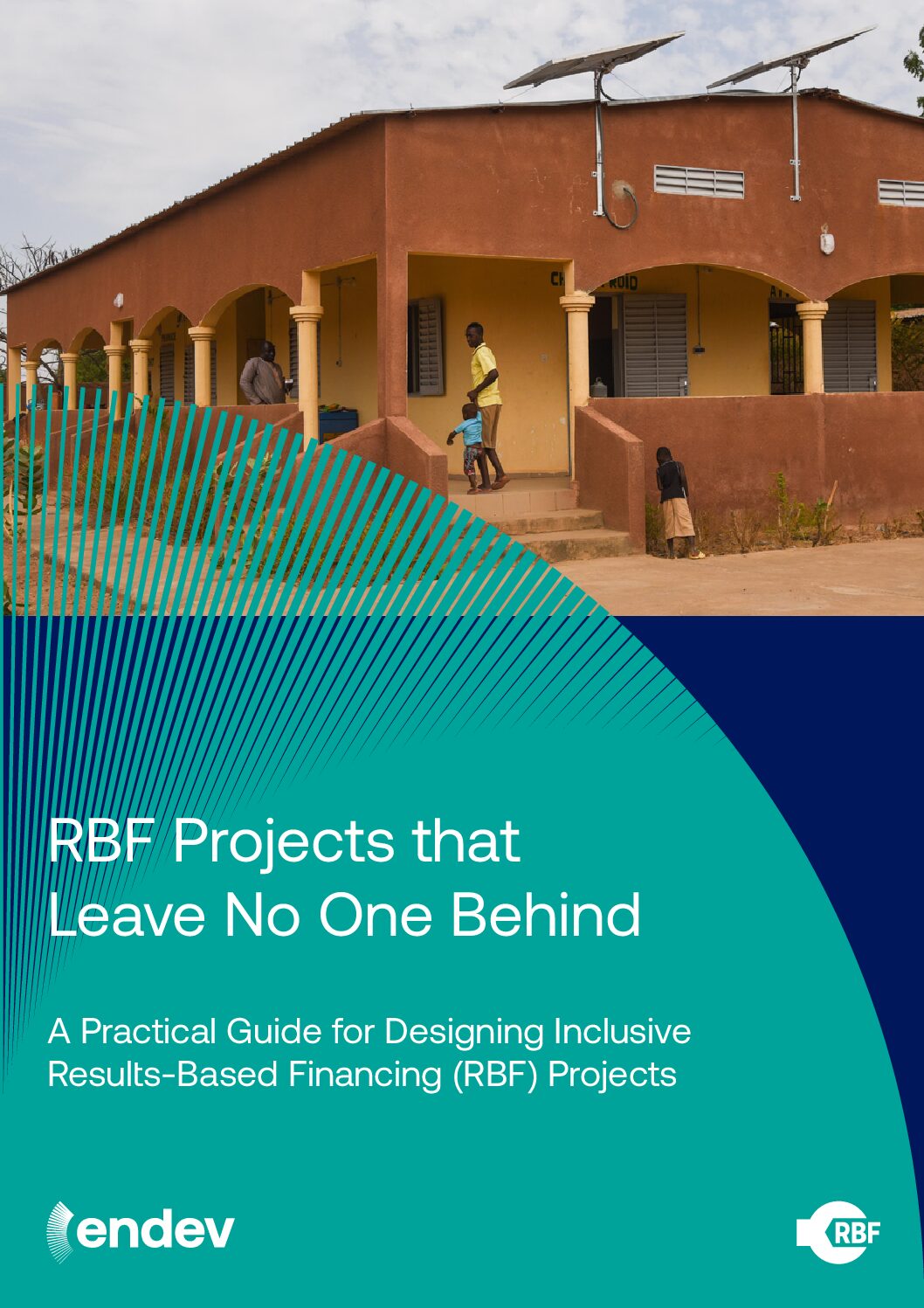
This guide provides insights on planning and implementing RBF projects to advance energy access that consider various LNOB aspects, including gender.
This page explores the best practice regulatory, fiscal and economic instruments available today to encourage a more efficient/electric vehicle stock.
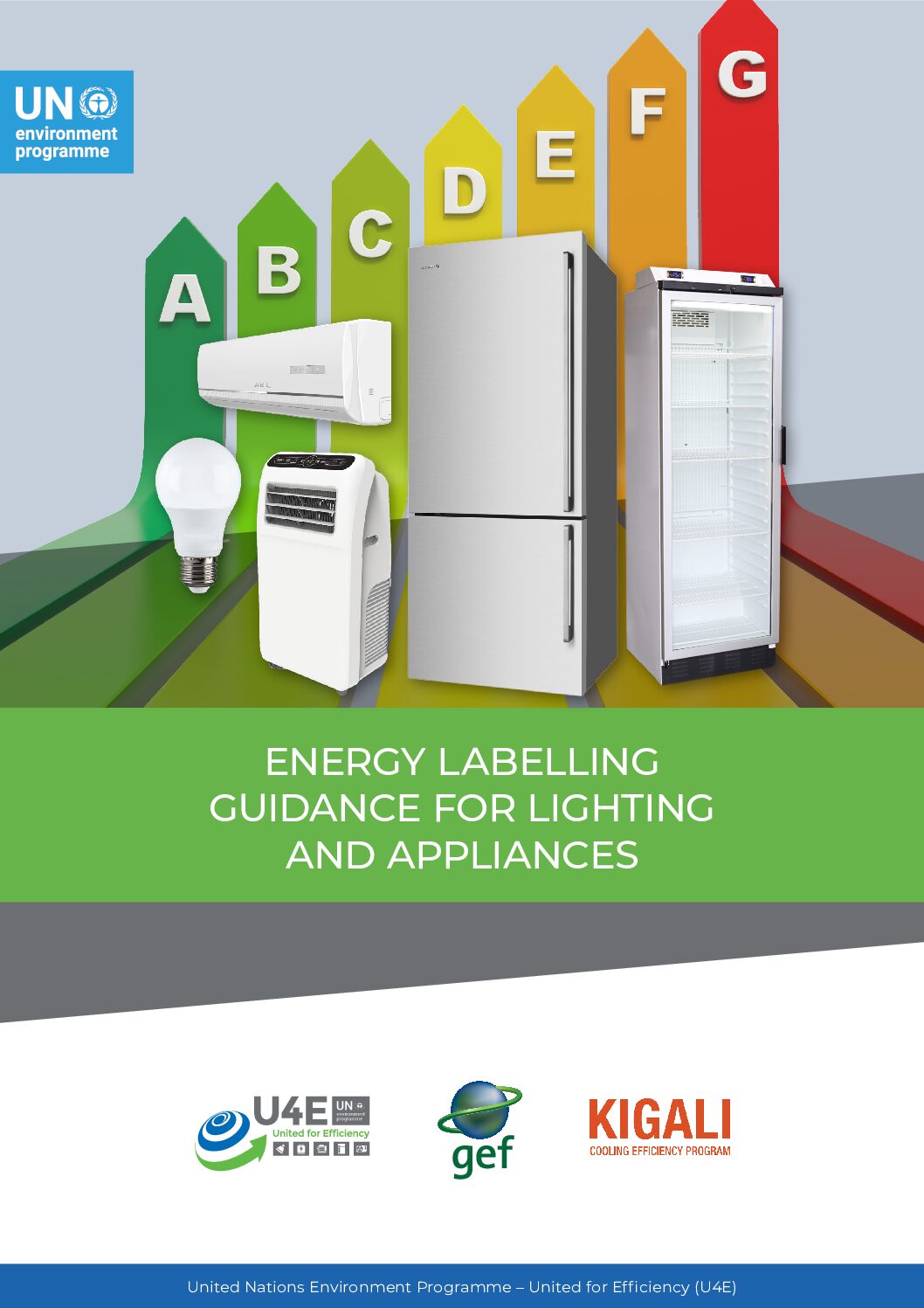
This is a guide to the development of energy efficiency labelling schemes for equipment and appliances, based on lessons learned in more than 120 countires.
This page presents quality standards for solar home system kits in various versions and languages.