
This report provides baseline data on women’s employment in wind energy, as well as information on barriers to gender equality and recommendations to close gender gaps.
This policy brief explains the links between energy access and gender equality, and provides policy considerations.
This report provides concrete instructions on how to develop a gender-sensitive energy policy.
This guide addresses the challenges faced by rural energy enterprises in developing countries, and sets out solutions such as business models offering cooking energy as a service.
This report challenges the prevailing narrative that green hydrogen is primarily a product for export from renewable-rich and industry-poor countries; rather, it underscores green hydrogen’s potential as a catalyst for sustainable development within developing countries that can contribute to economic growth, environmental sustainability and social progress.
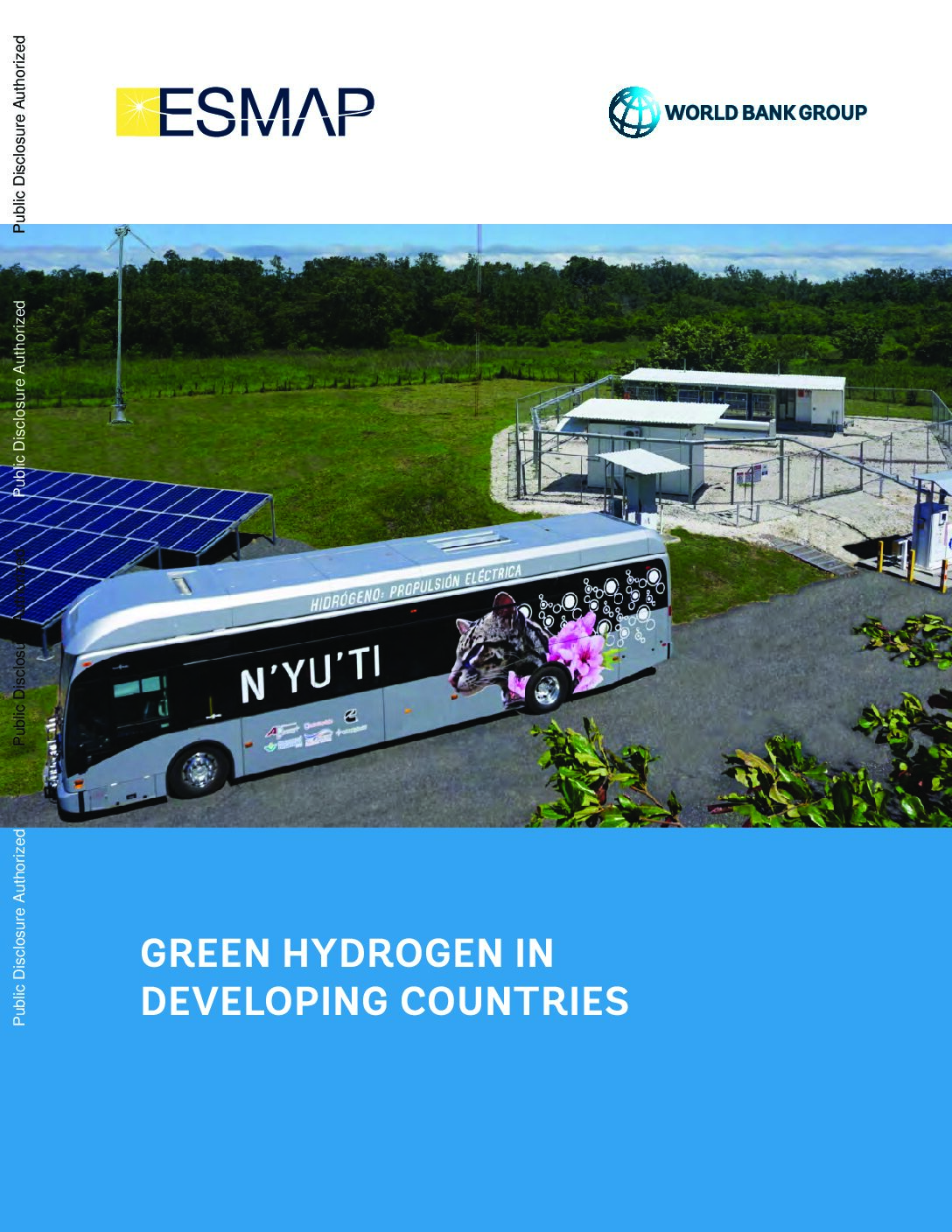
This report focuses on how green hydrogen and fuel cell technologies could be initially rolled out in developing countries by presenting a series of applications that could be initially deployed in some locations and later scaled up.
This paper presents a value chain approach to identify priority areas for developing national hydrogen strategies, focussing on emerging and developing economies.
This database presents the current status, policy barriers, and key innovations for electrification of mobility, heating and cooling, and hydrogen production.
This web page gives advice on public advocacy for energy efficiency, focusing on four concepts: Getting the message right; Getting the message across; Combining information with behavioural insights; and Campaigns for a crisis context.
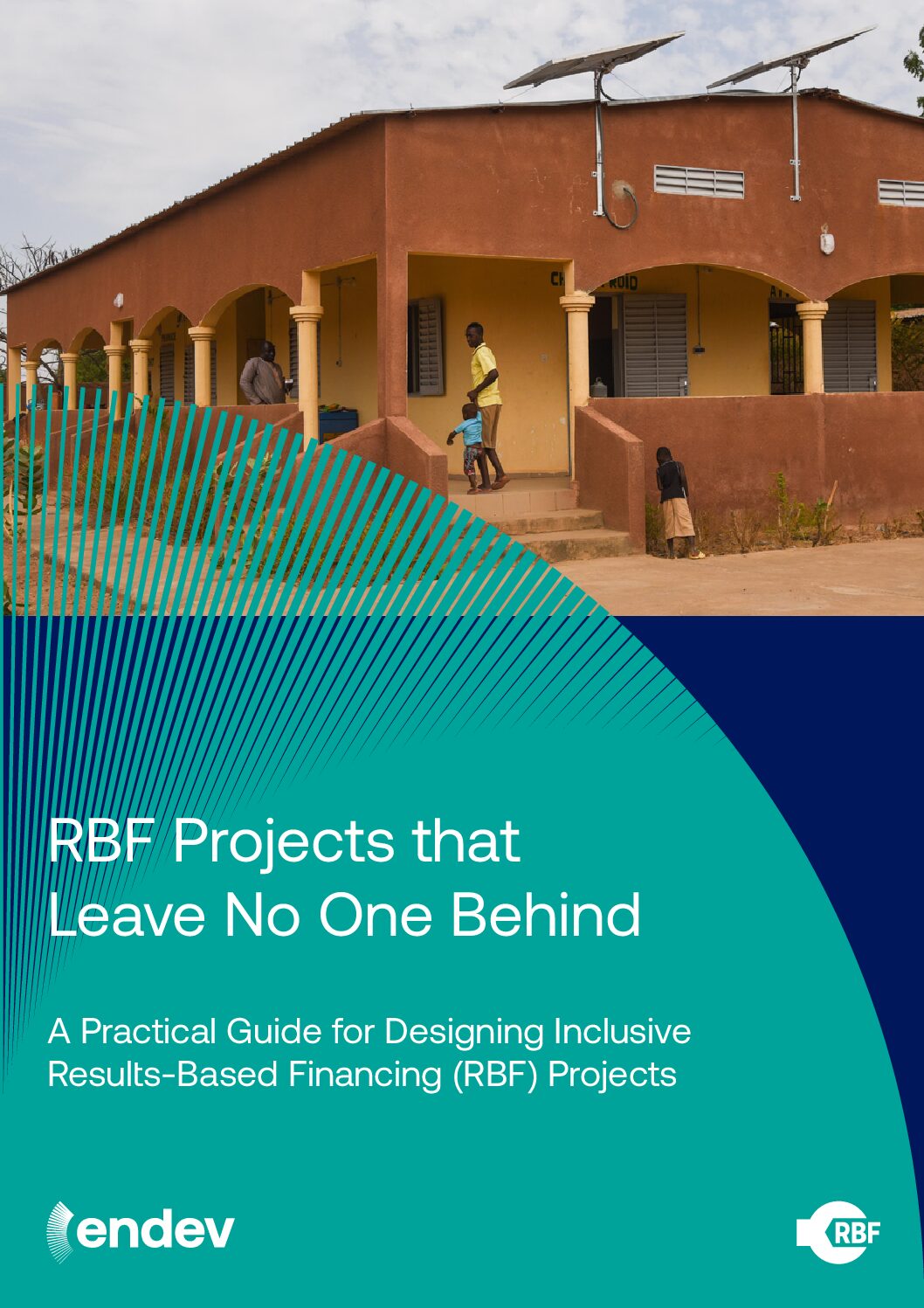
This guide provides insights on planning and implementing RBF projects to advance energy access that consider various LNOB aspects, including gender.