
This report provides extensive data and analysis on men and women’s views on gender equality in 32 countries around the world, including Uganda and Bolivia.
This guide addresses the challenges faced by rural energy enterprises in developing countries, and sets out solutions such as business models offering cooking energy as a service.
This web portal provides an extensive introduction into bioenergy technology, policy, financing and more.
This report highlights the main challenges and opportunities in energy transition financing from a regional perspective, highlighting commonalities and differences across Africa, Asia and the Pacific (APAC), Europe, and Latin America and the Caribbean (LAC).
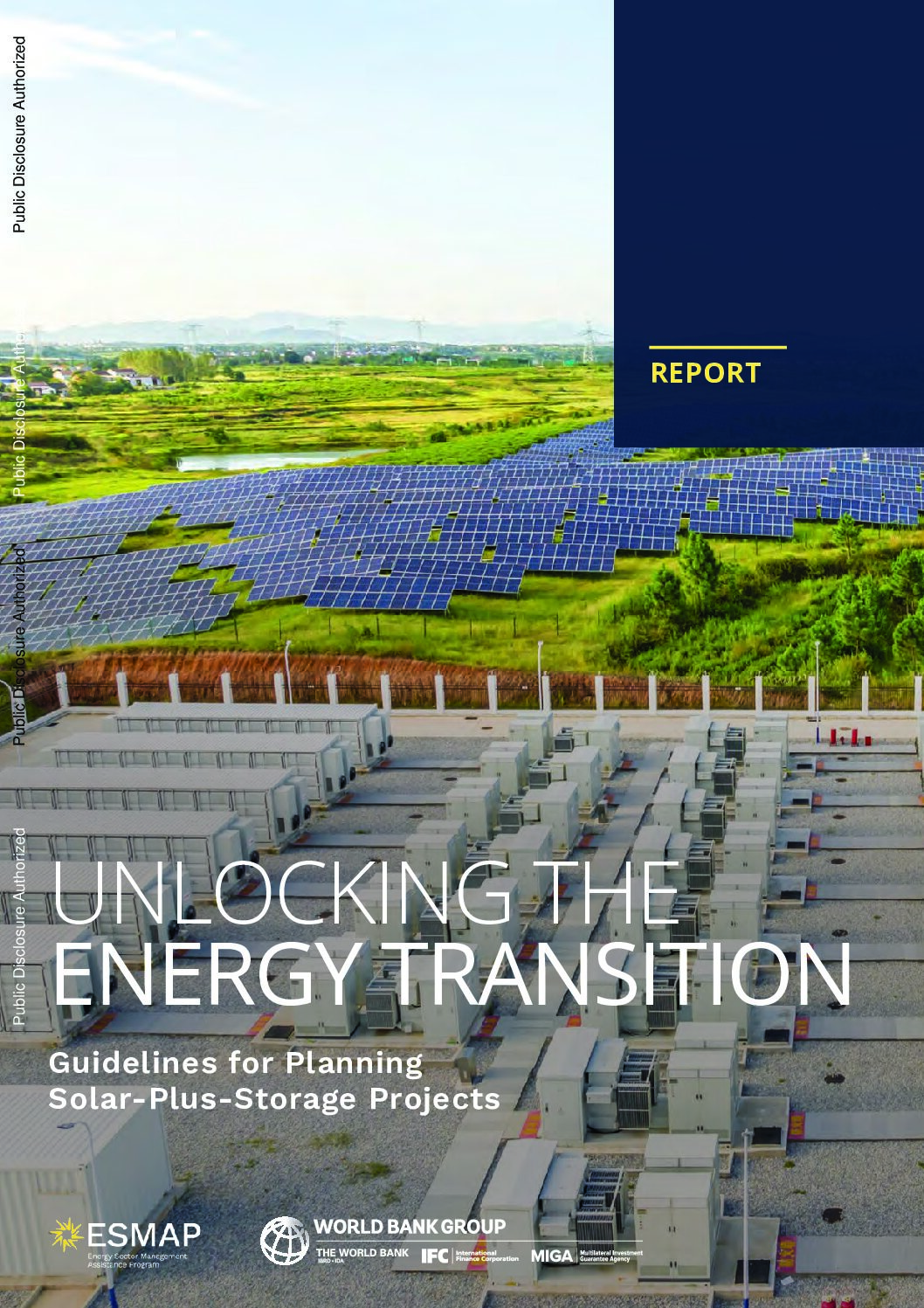
This report outlines how modern battery energy storage systems can be effectively deployed and alleviate the variability of renewables. It also includes a Power Purchase Agreement template that can serve as a practical tool to bring private sector investments in the power sector.
This report explores ways to identify and mitigate energy transition investment risks in the low- and middle-income countries, pointing out 1) that better energy planning can attract greater investment in renewable energy, 2) that sustainable fuels will play an important role in delivering the energy transition, and 3) that the social dimensions of the transition … Continue reading “A Just and Inclusive Energy Transition in Emerging Markets and Developing Economies: Energy Planning, Financing, Sustainable Fuels and Social Dimensions”

This report aims to support state-level leadership and action in pursuit of the just energy transition in Mexico, by providing a rationale for state-level action, an overview of international good practices, an analysis of challenges and opportunities, and a toolkit of energy transition measures that states can consider adopting.
This paper gives an overview of waste to energy technologies, discusses barriers to its wider adoption in developing countries, and helps researchers and decision-makers to make informed decisions on the feasibility of WtE as a pathway for sustainable waste management and renewable energy generation.
This paper provides general guidelines for conducting Environmental Impact Assessments for waste-to-energy projects.
This article discusses the potential of heat and electricity co-generation from biomass waste to both expand energy access and improve waste management in rural areas.