
The Global Innovation Hub aims to promote transformative innovations for a low-emission and climate-resilient future.
Institutions all over the world are setting up microcredentials in responses to calls from governments and industry: short courses, usually offered online by accredited institutions, with an emphasis on the needs of the workplace. They are also often used for retraining and upskilling. This book explains how to start offering microcredentials as an academic institution.
This guide aims to accelerate the flexibility and responsiveness of learning systems by providing guidance on the design, issue and recognition of micro-credentials.
This report aims to help local governments understand various financing instruments and sources available to them to meet climate investment needs.
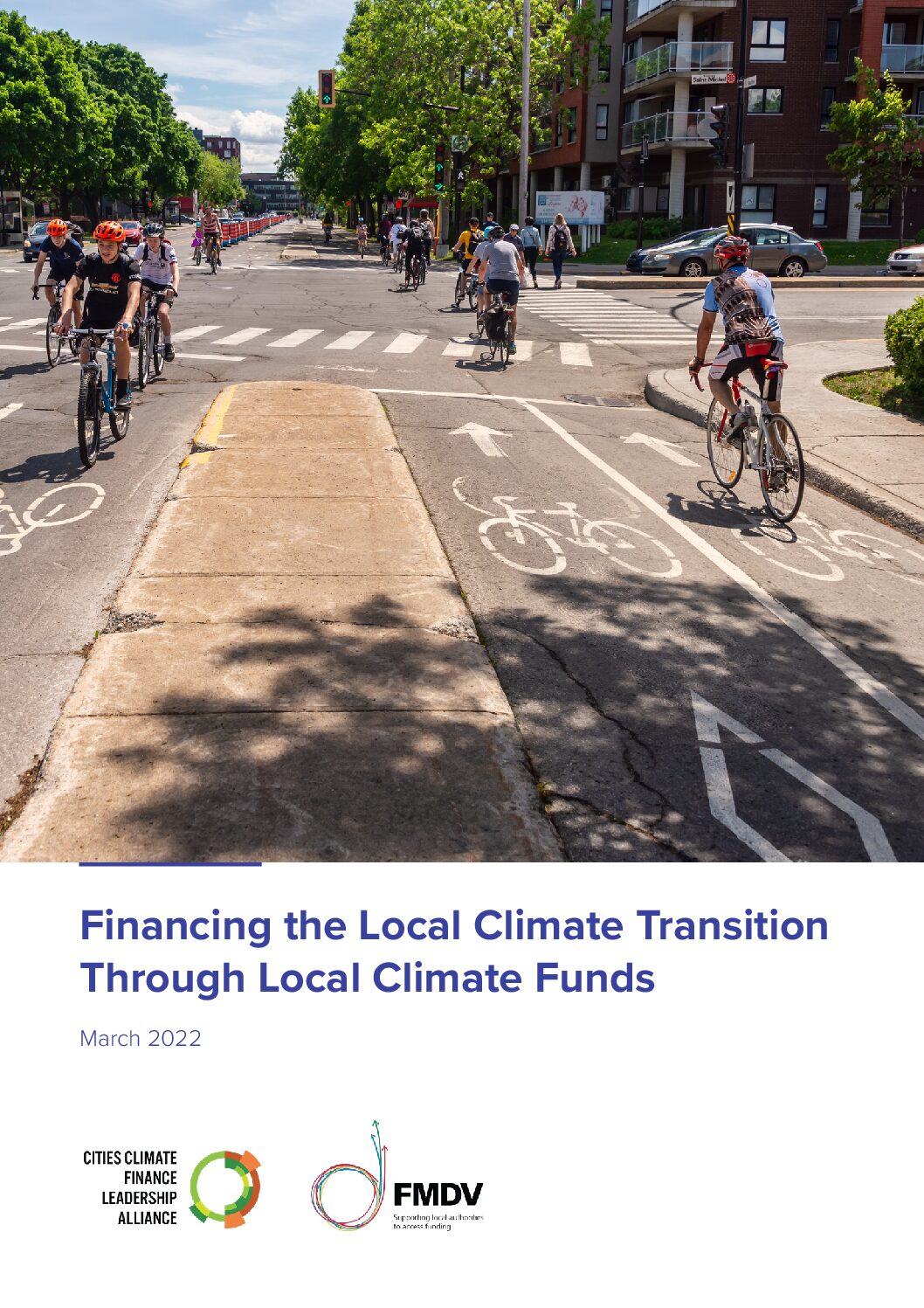
This factsheet helps local governments understand the structural components of setting up local climate funds, including identifying attractive financial models and the different ways to support financing the local climate transition.
This slide deck provides a quick introduction to gender-responsive climate finance and the role of women’s groups in pursuing it.
This handbook is provides an overview of the mechanisms and strategy behind successful Power Project Procurements, and provides advice for both governments and the private sector on ways to cooperate succesfully.
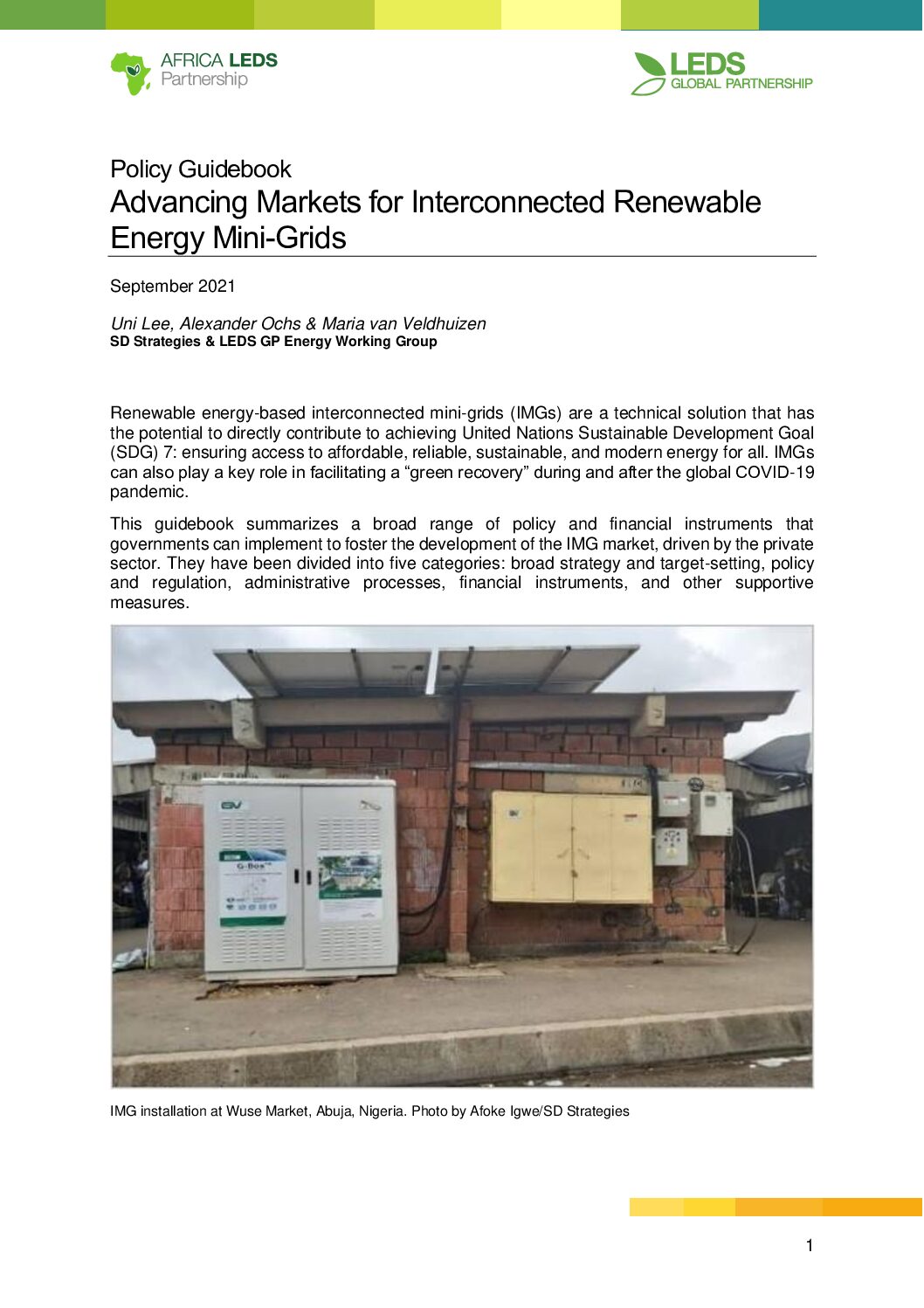
This guidebook summarizes a broad range of policy and financial instruments that governments can implement to foster the development of the interconnected mini-grid market, driven by the private sector.
Derisking Renewable Energy Investment (DREI) introduces an innovative, quantitative framework to assist policymakers in developing countries to cost-effectively promote and scale-up private sector investment in renewable energy.
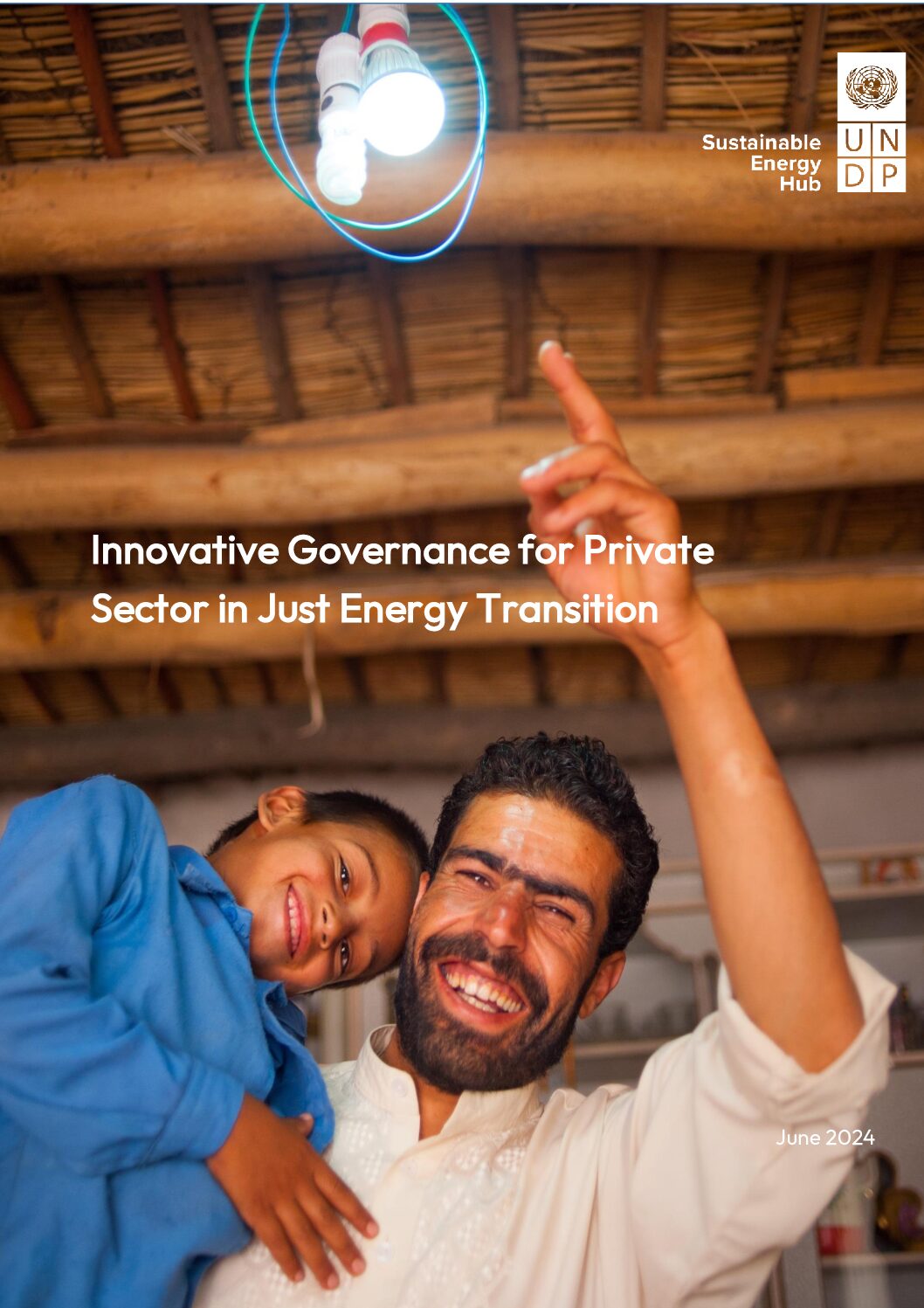
This report explores how governments can catalyze the private sector’s role in ensuring a sustainable and just energy transition.