
This report provides concrete instructions on how to develop a gender-sensitive energy policy.

This web page highlights the role of buildings in the energy transition (heating, cooling, lighting, etc), and presents data and recommendations.
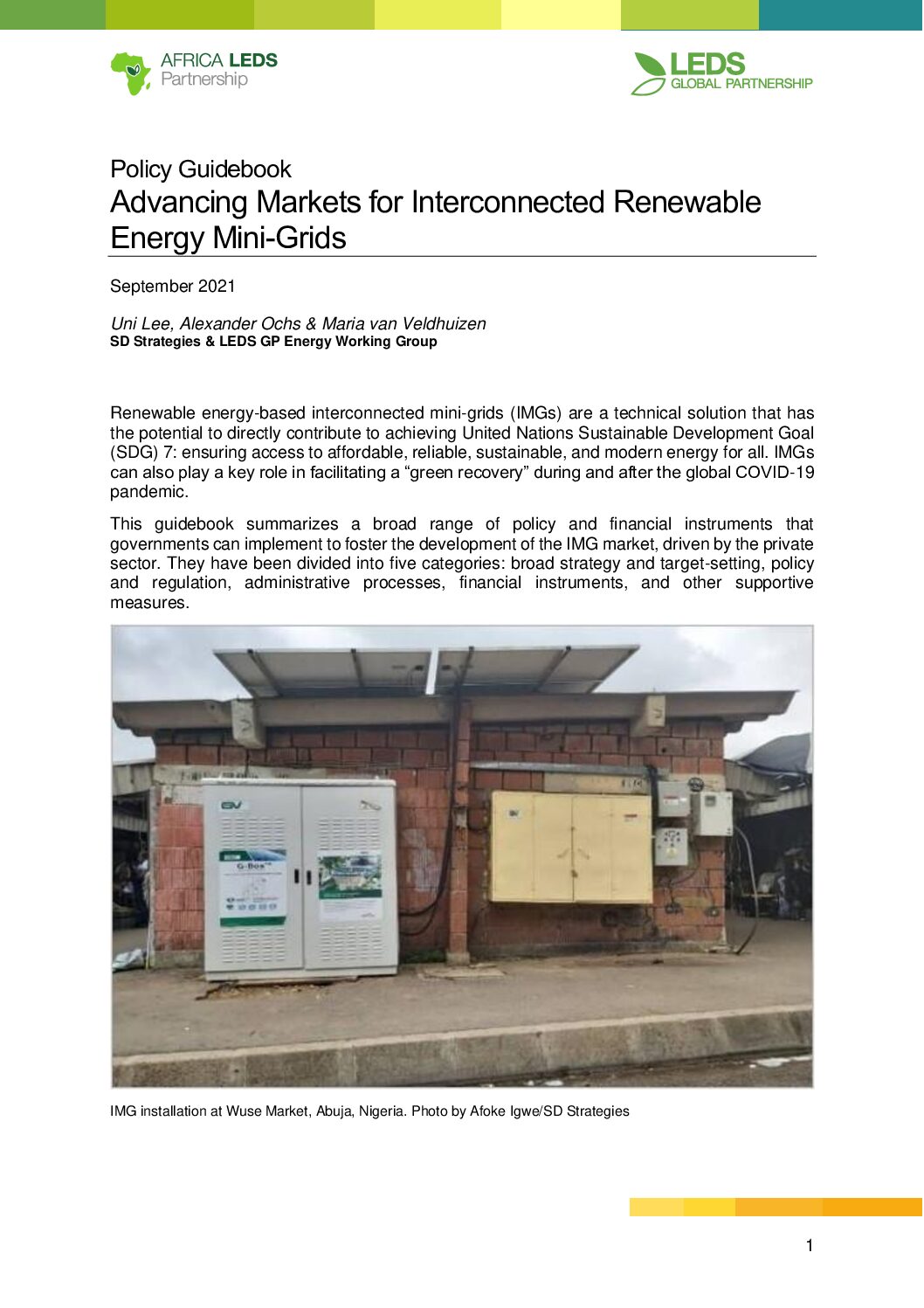
This guidebook summarizes a broad range of policy and financial instruments that governments can implement to foster the development of the interconnected mini-grid market, driven by the private sector.
This database presents the current status, policy barriers, and key innovations for electrification of mobility, heating and cooling, and hydrogen production.
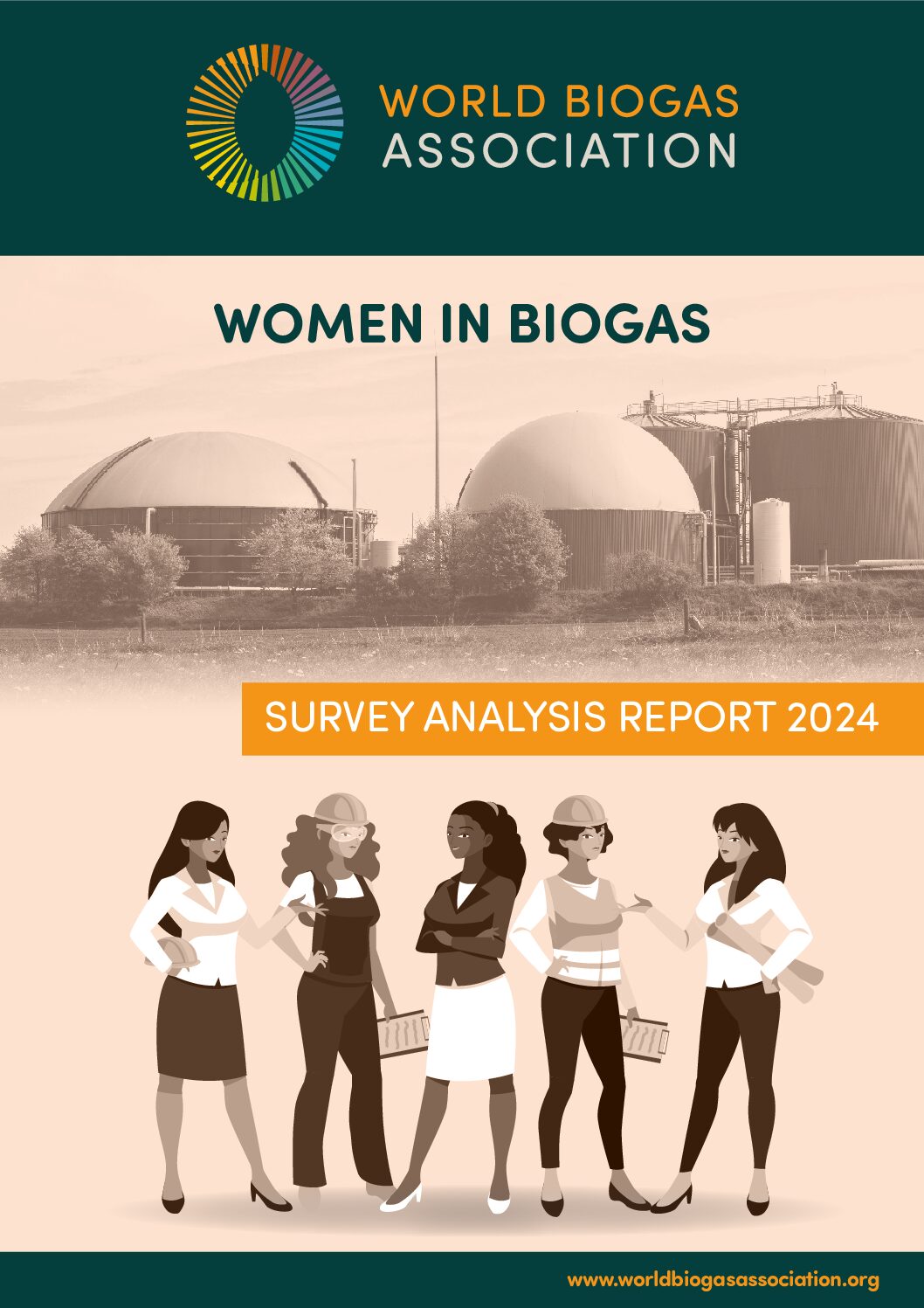
This report presents the results of a survey undertaken to investigate the current status of gender equality in the biogas sector, and compares these with a baseline survey conducted in 2012.
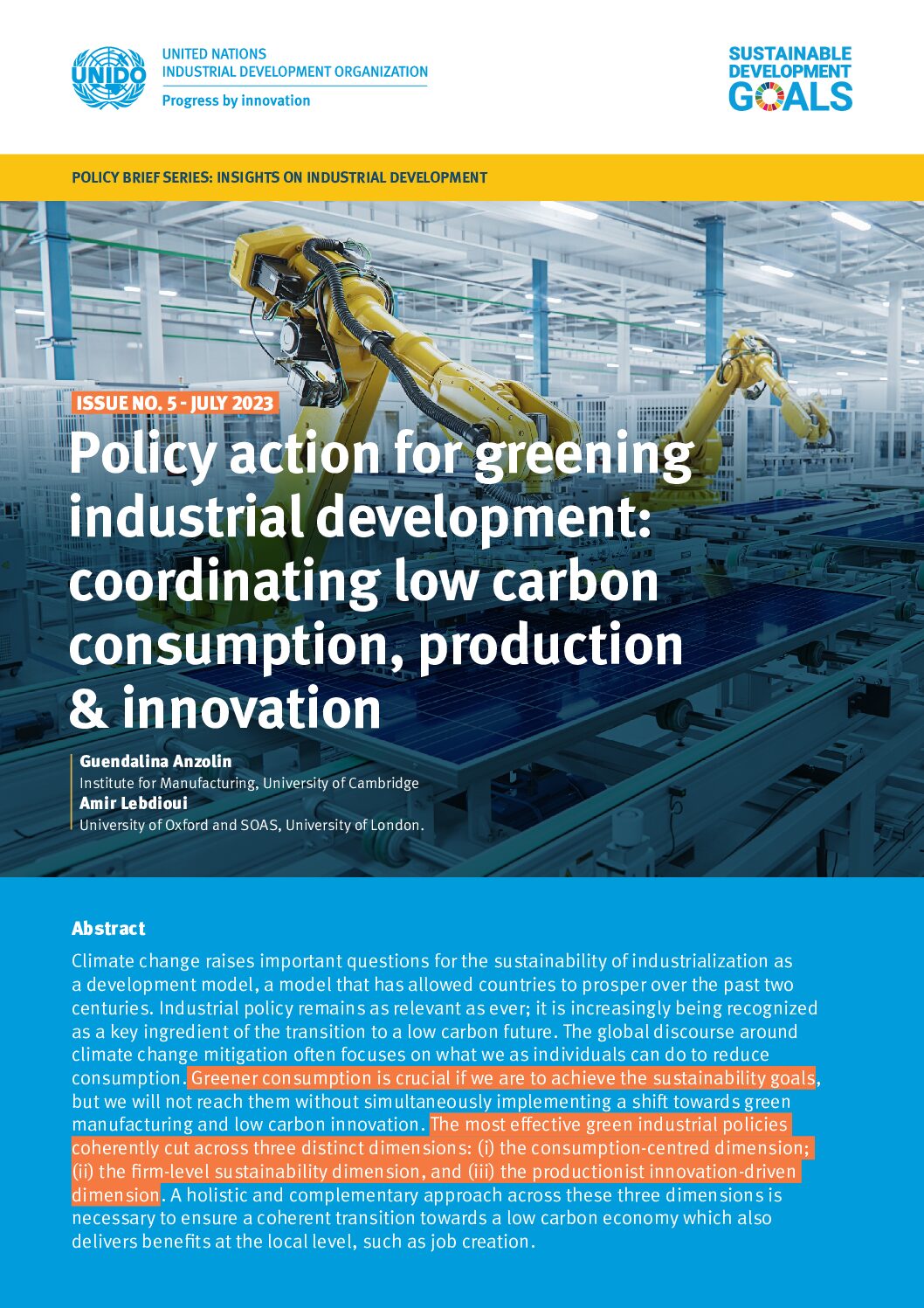
This brief describes the balance required in effective green industrial policies across three dimensions: consumption-centred, production-centred, and innovation.
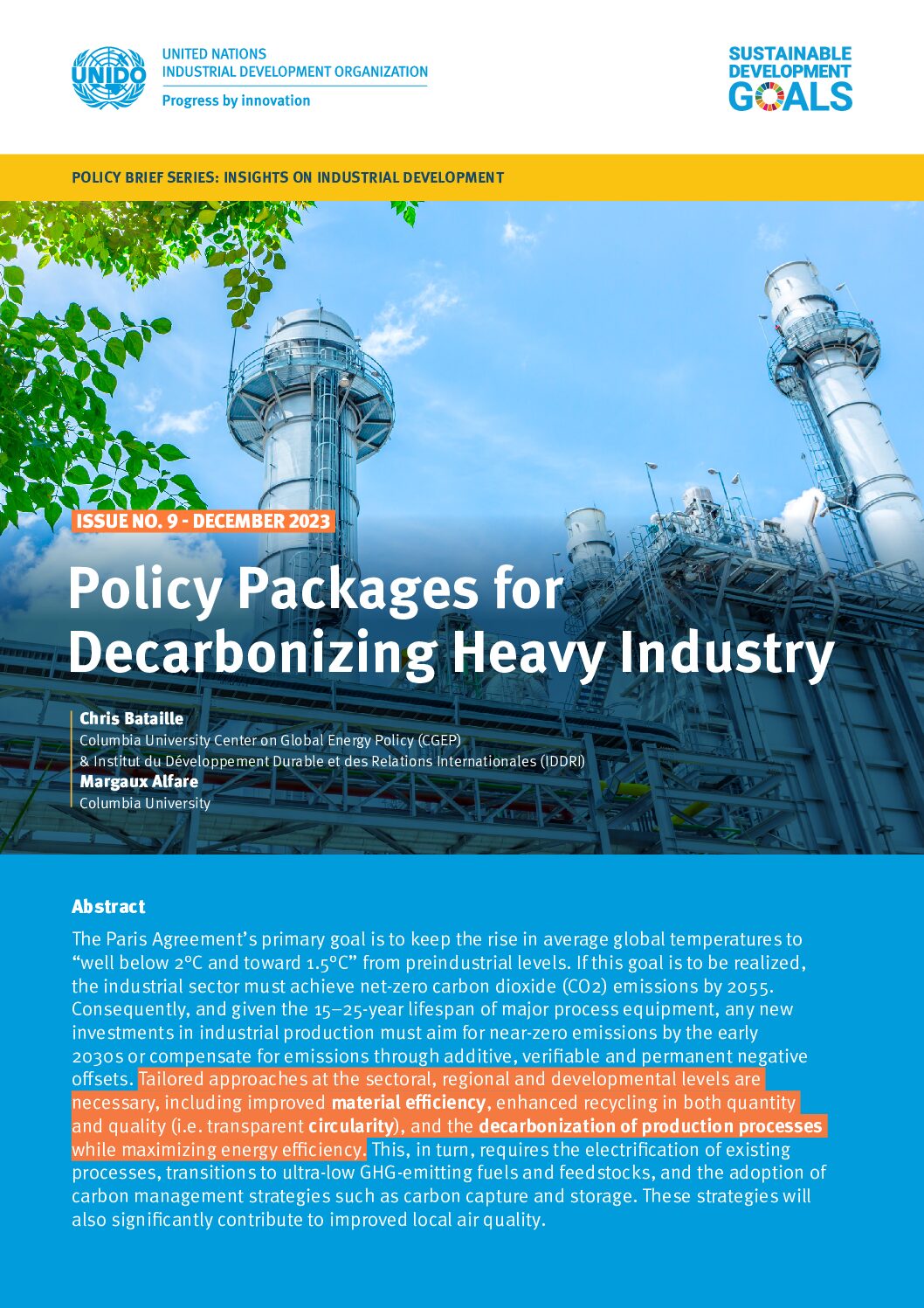
This brief describes policy options for the decarbonisation of heavy industry, both for improved material efficiency and for electrification.
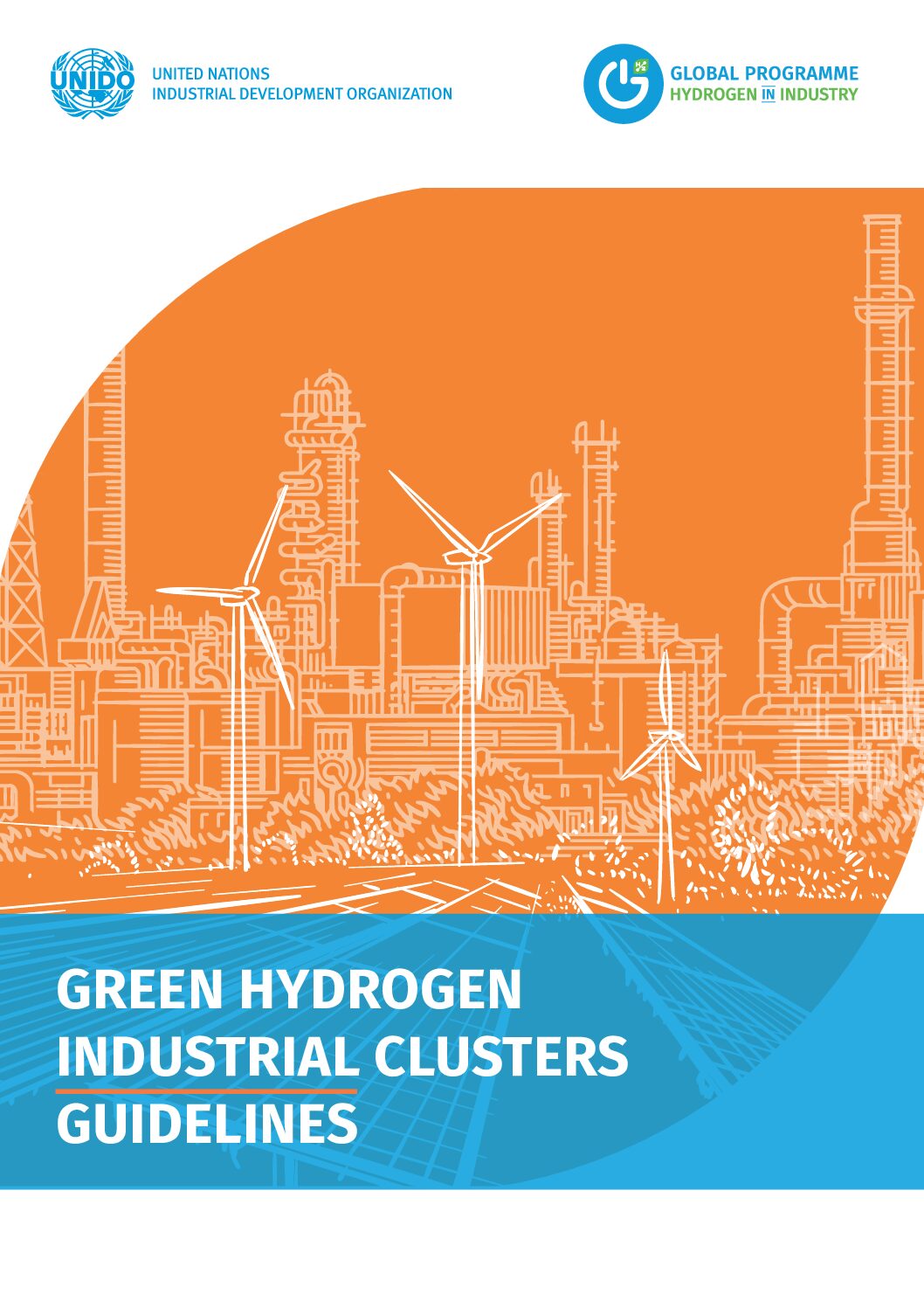
These guidelines provide advice on the development of green hydrogen clusters, which are industrial clusters that share green hydrogen and renewable energy for various purposes and can significantly contribute to industrial decarbonisation.
This paper explains how minimum energy performance standards for buildings can be implemented effectively while remaining socially just, using a differentiated approach that carefully follows a series of design principles.
The Green Steel Tracker aims to support decision makers in policy and industry, academia as well as civil society, by tracking public announcements of low-carbon investments in the steel industry and presenting them transparently in one place.